
Laboratory setup, planned around your test menu
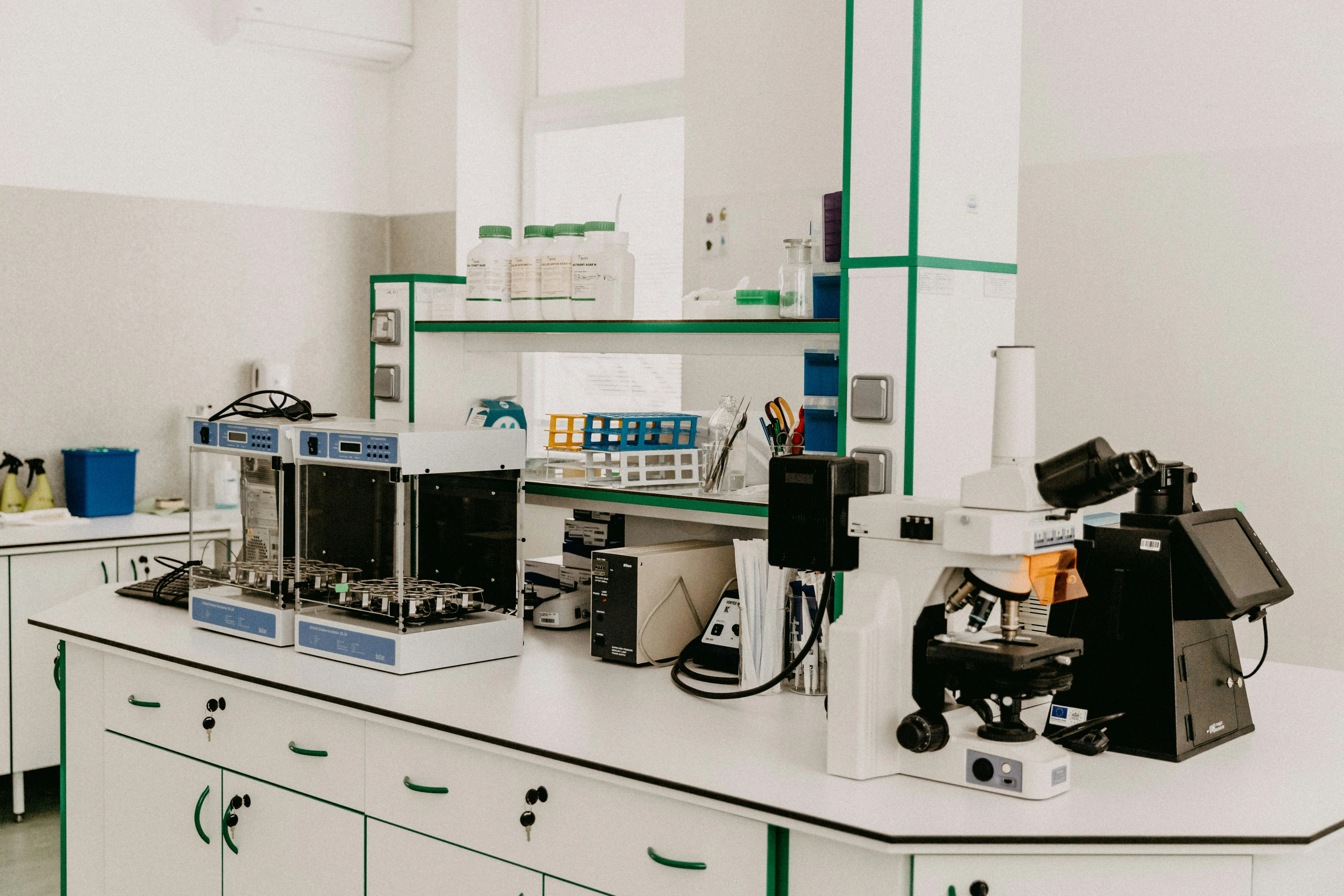
Accurate from day one
A laboratory is judged on one thing: whether the number it reports can be trusted. Everything in the plan works backwards from that.
So we start with the assays you run and the volume behind them, then work out what can hold that pace at the turnaround time your clinicians expect.
What laboratory setup involves
An analyser is a decade-long decision. It fixes your reagent supply, your service dependency and your throughput ceiling in one purchase, and none of those show up on a specification sheet.
We look at all three before recommending anything: whether the system is open or closed, what the consumable terms actually commit you to, and how quickly a manufacturer's engineer can reach your site when it stops.
Submit project requirementsFour phases, one team
A lab project has more moving parts than most people expect: instruments, reagents, services, engineers and an accreditation file, all landing in the same few weeks.
Where you join depends on how far along you are. Some labs arrive with an assay list and nothing else; others have a finished BOQ and want the sourcing checked before it goes out.
A laboratory BOQ, instrument by instrument
A laboratory Bill of Quantities lists instruments, consumable-linked equipment and supporting infrastructure by discipline with quantities, specifications and service or calibration notes — so procurement, finance and lab teams all read from the same document. We prepare your BOQ from scratch, or review one you already have for completeness and match it to verified manufacturers for quotation.
Scoped to your test menu | Quantities & specifications | Service & calibration noted
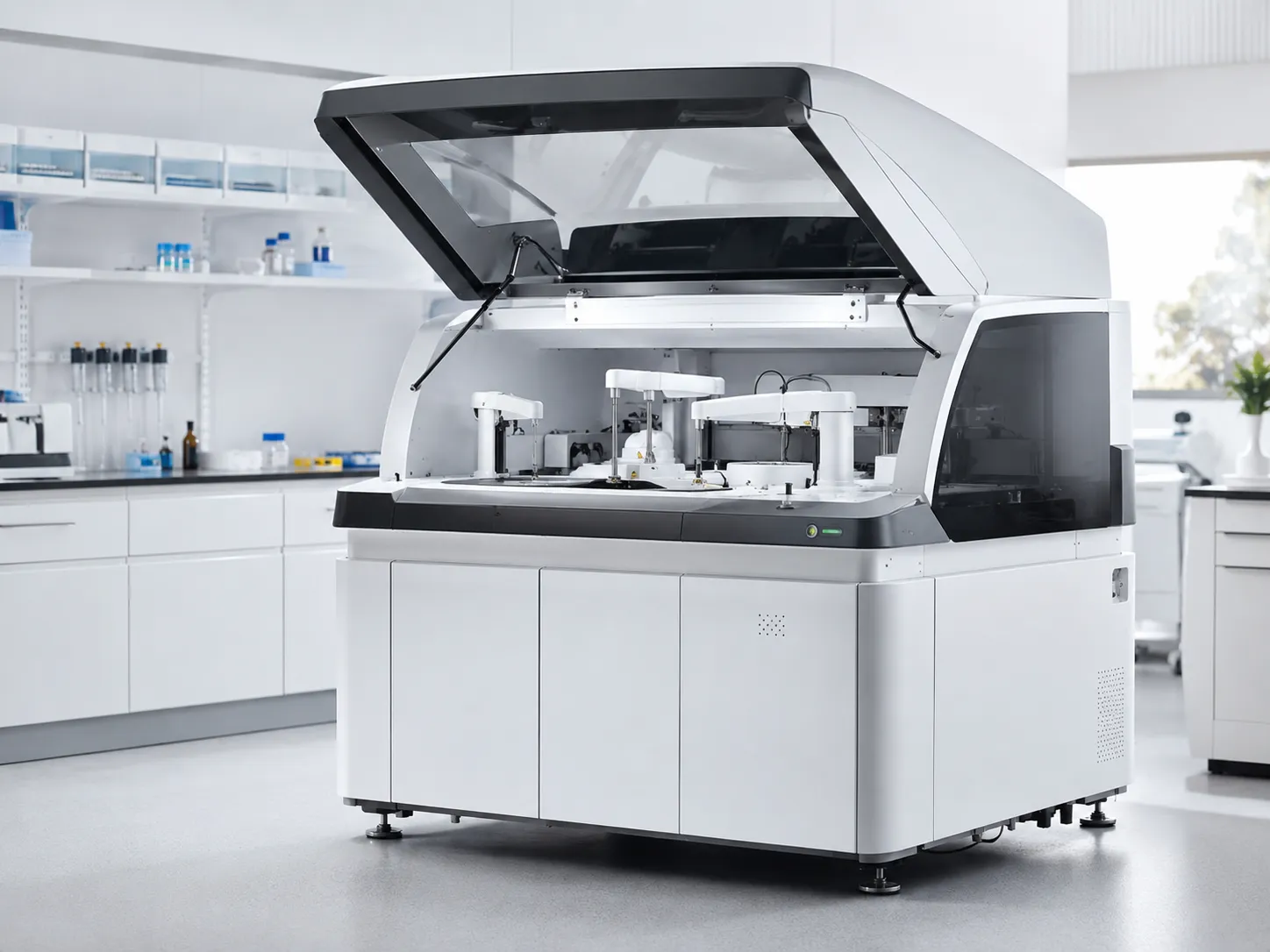
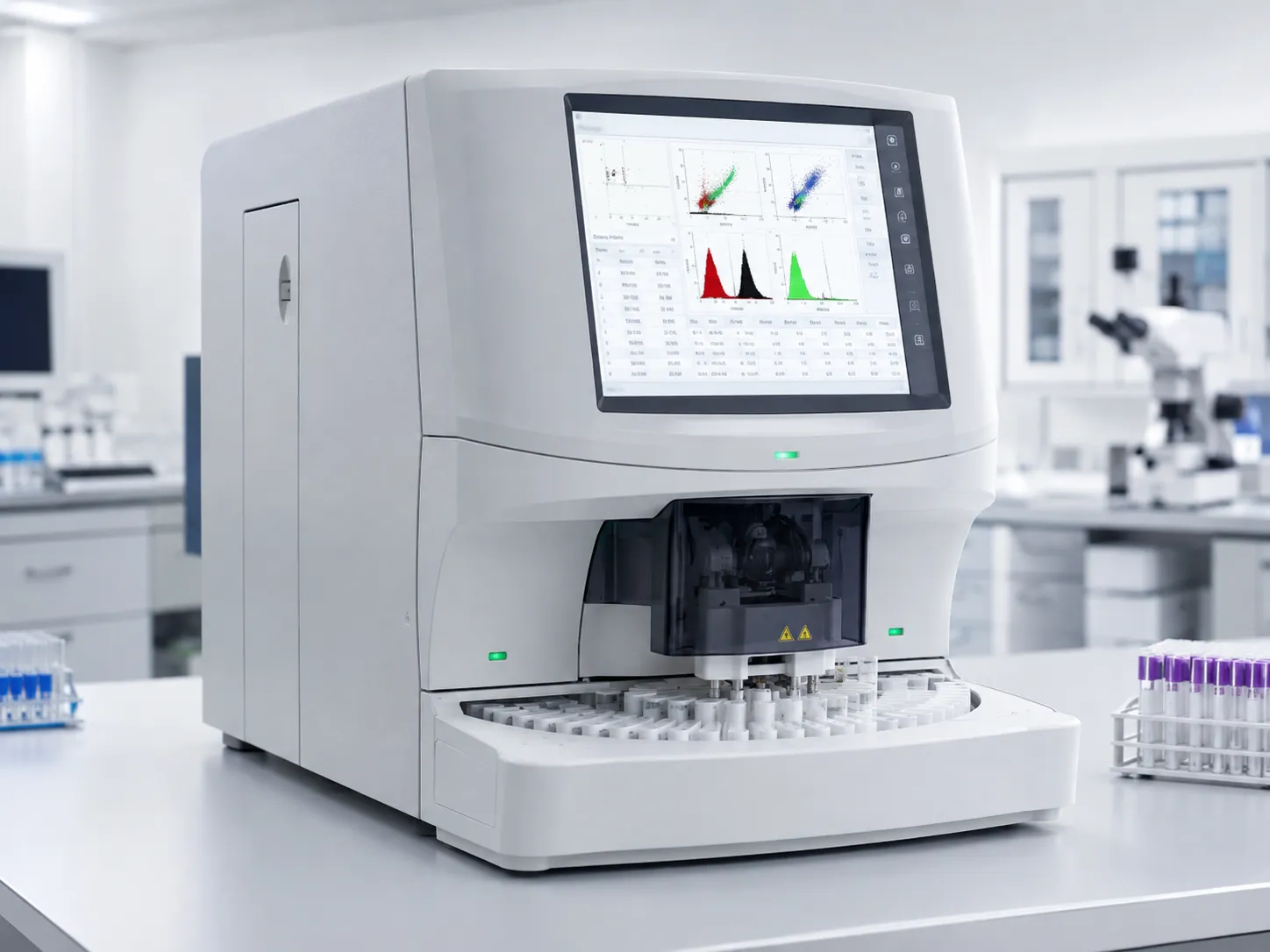

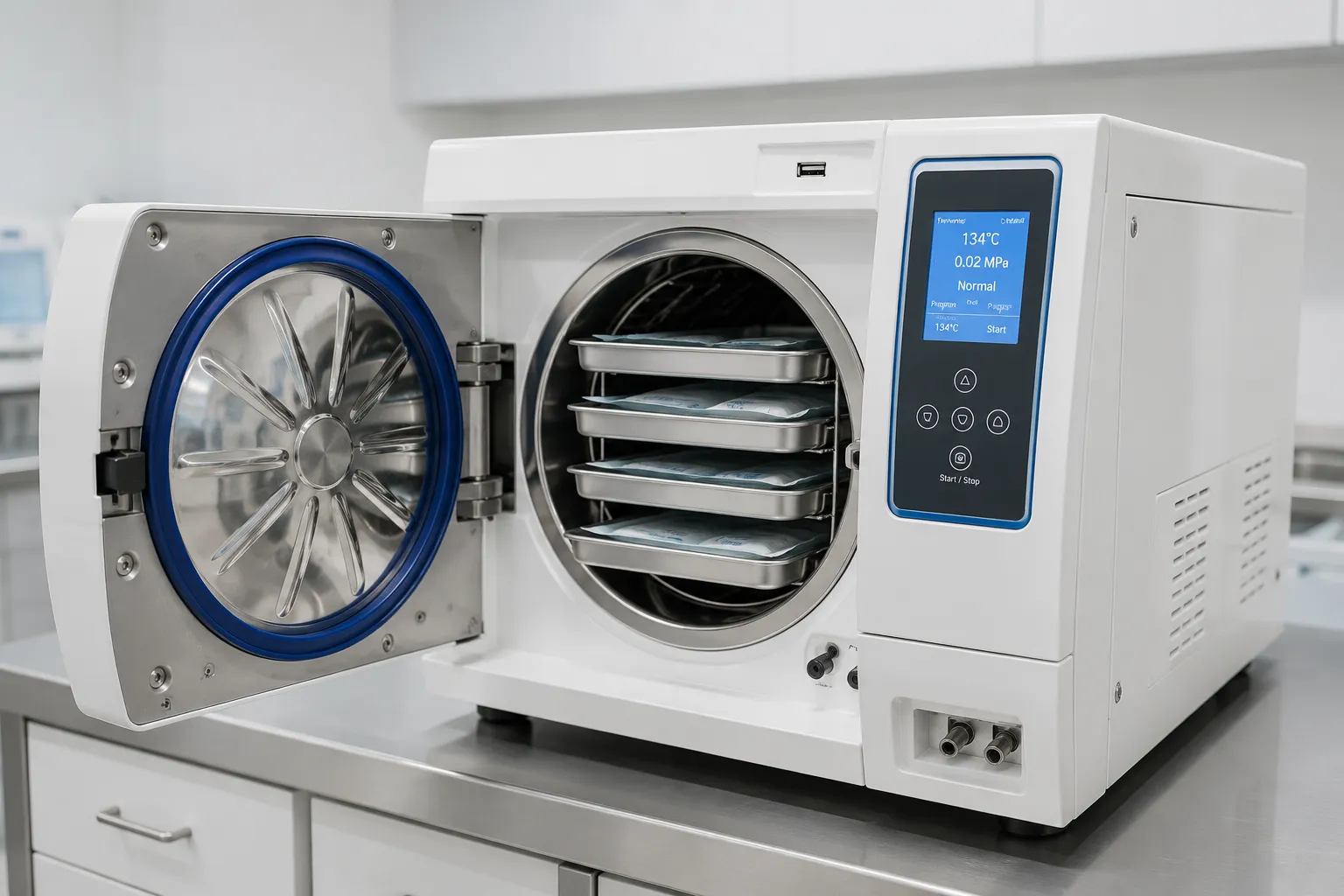

An analyser is only as stable as what feeds it
Most instrument problems in a new lab are not instrument problems. Water below the required grade, a supply that dips, a reagent fridge that drifts overnight: each one shows up as drift on a control chart weeks later.
We specify these alongside the instruments that depend on them, so nothing arrives on site waiting for a service that was never scoped.

Built for diagnostic labs of every discipline
From a standalone diagnostic lab to a hospital pathology department or a multi-site diagnostic chain, our test-menu-based approach adapts to the laboratory in front of it — whatever disciplines it runs.
Laboratory setup, answered
It covers instrument planning based on test menu and volume, budget planning, BOQ preparation, vendor selection, procurement support, installation, calibration coordination and after-sales support — coordinated by a single project team.
Yes. We plan instrument recommendations around your laboratory's actual test menu and expected sample volume, not a generic list.
Yes. We support standalone diagnostic laboratories, hospital-based pathology departments and teaching laboratories alike.
Yes. Calibration coordination is part of our installation and commissioning support, so we verify instruments before testing begins.
Yes. Molecular diagnostics is one of the disciplines we support, alongside clinical chemistry, haematology, microbiology and more.
No. We source laboratory instruments through a global network of verified manufacturers across multiple regions.
Yes. We prepare BOQs suitable for both direct procurement and tender documentation. See our Government Tenders and Private Tenders pages.
We remain available for after-sales support, including service coordination and spare-parts sourcing, to help maintain your lab's uptime.
Ready to plan your laboratory?
Share your test menu and sample volume, and we will help you build the right instrument plan.