
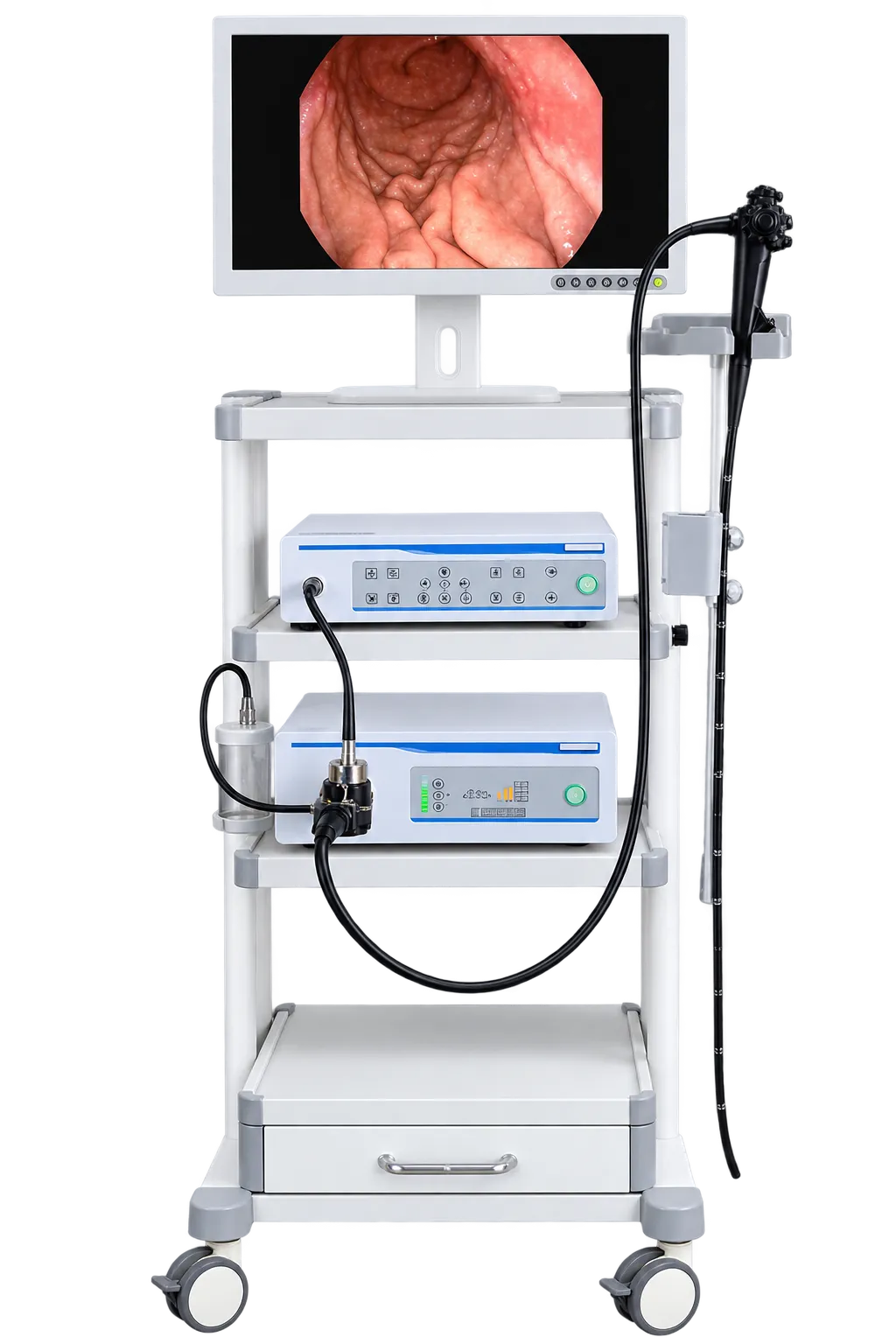
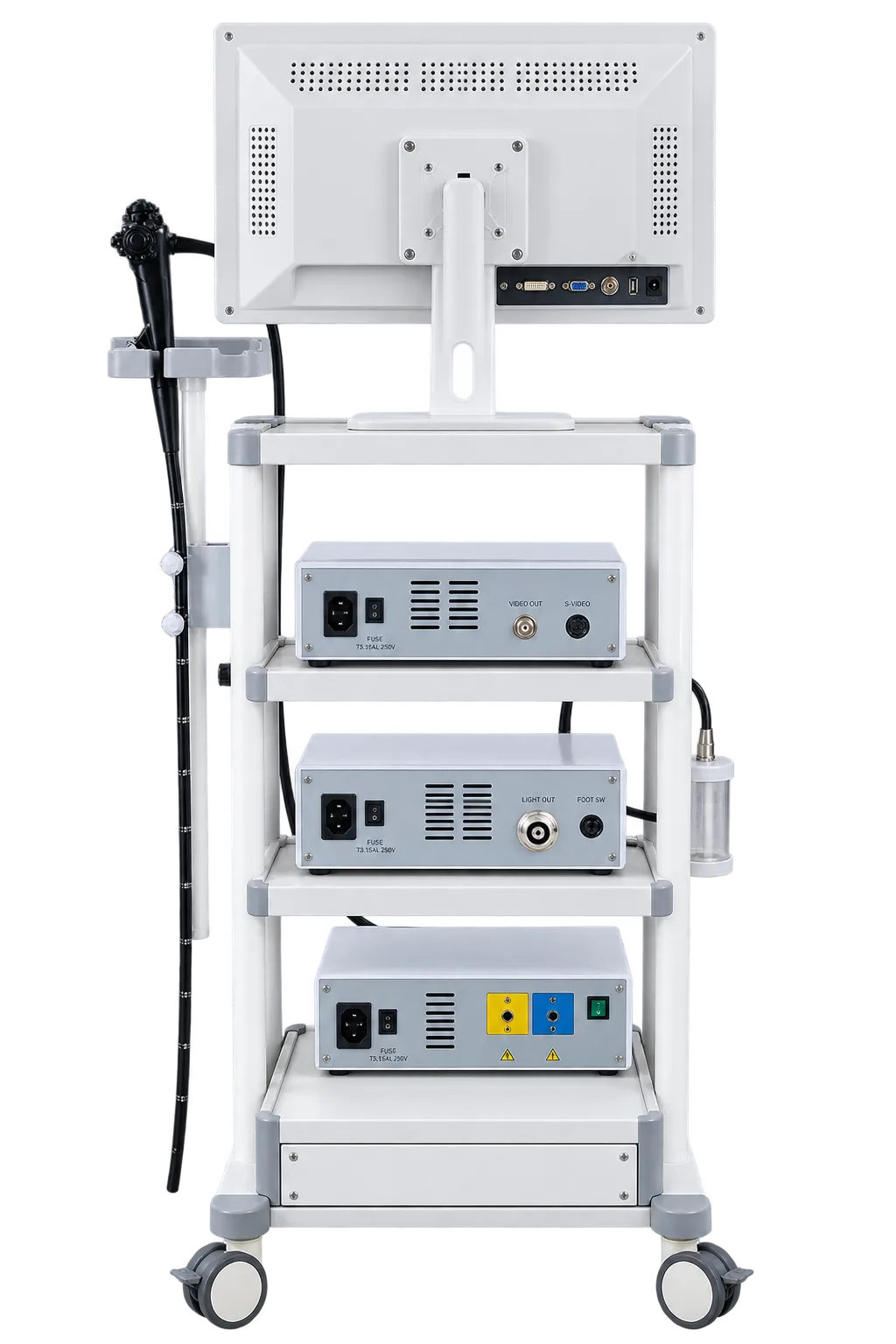
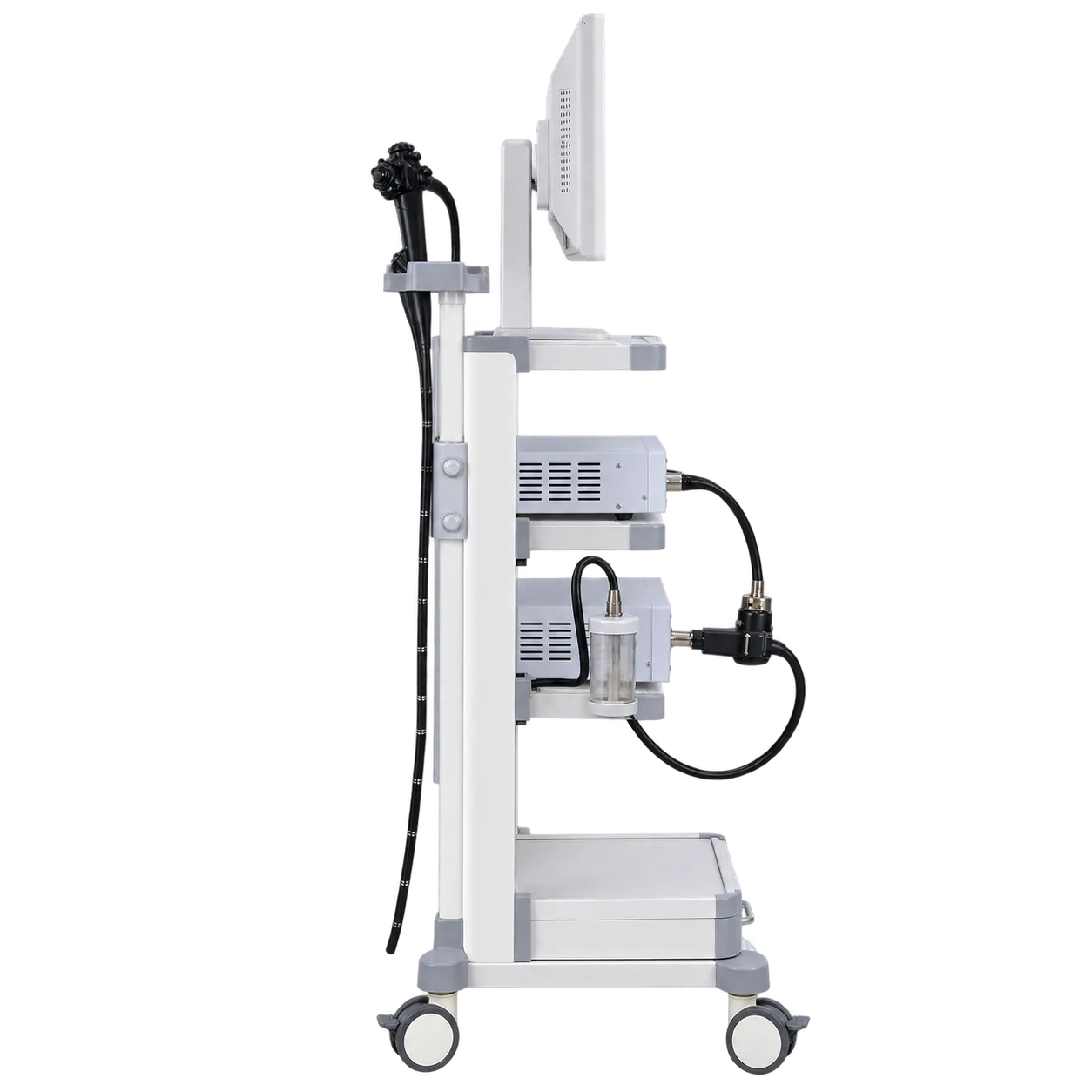
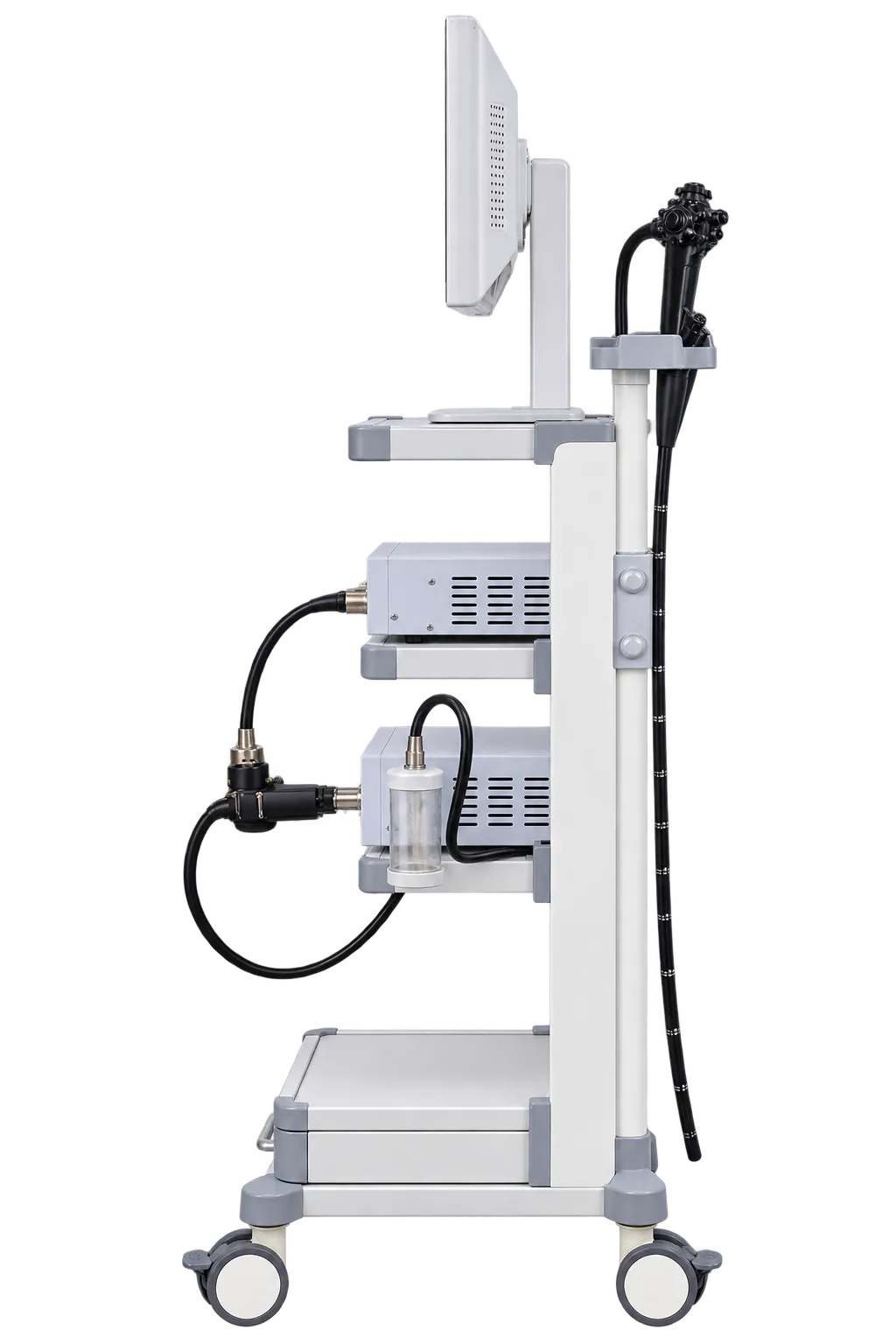
Endoscopy Suites and Procedure Rooms
Rooms where lighting is deliberately lowered are where a 200 candela panel belongs. Endoscopic examination is frequently conducted with the lights down to improve contrast on screen, and in those conditions the stated brightness is entirely workable. The four input types also suit these rooms, which commonly run processors and recorders acquired at different times. Lowered lighting and modest brightness suit one another well. Contrast on screen improves when the room lights come down.
Departments With Mixed Equipment
BNC and CVBS alongside DVI and USB means a department connects sources that newer panels would reject. Composite video in particular remains fitted to a great deal of serviceable clinical equipment, and a display accepting it directly avoids both converters and the replacement of equipment that still works perfectly well. Equipment bought years apart connects to the same screen. Converters introduce cost and another point of failure.
Examination and Consulting Rooms
Consulting rooms rarely carry theatre-grade lighting, and a panel specified at 200 candelas suits them accordingly. Two size options allow the screen to be matched to the room and the viewing distance, and native 1920 by 1080 means an ordinary high definition source displays without any scaling stage in between. Scaling stages are avoided where the source already matches. Consulting rooms rarely carry theatre grade lighting anyway.
Rooms Where Brightness Is Not the Constraint
Where a display is viewed at moderate distance under controlled light, connection breadth and colour reproduction matter more than peak output. This panel is specified accordingly, and departments should judge it against the lighting of the room it will occupy rather than against a brighter figure quoted elsewhere. The room should govern the choice rather than the figure. Peak output is not always the specification that matters most.