
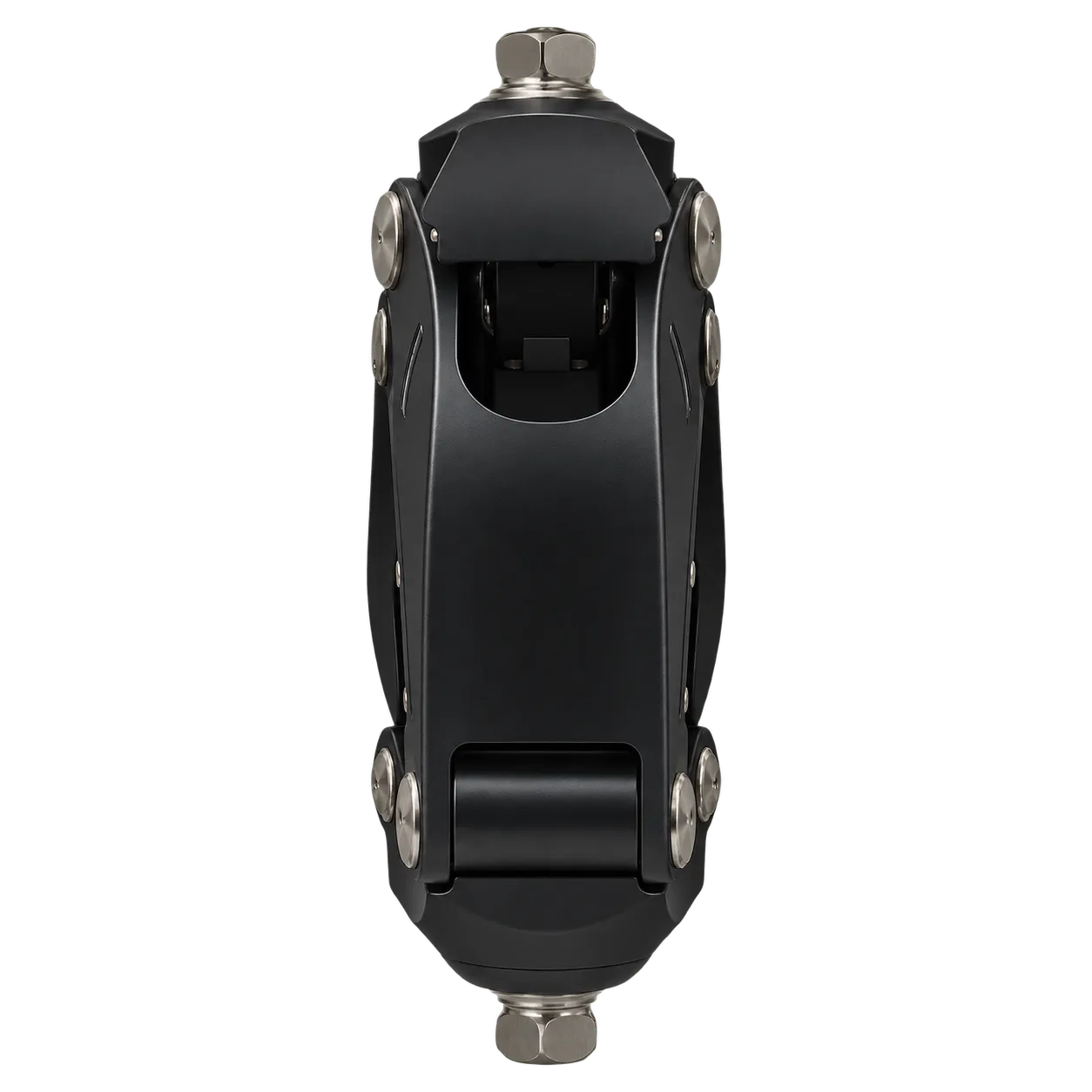
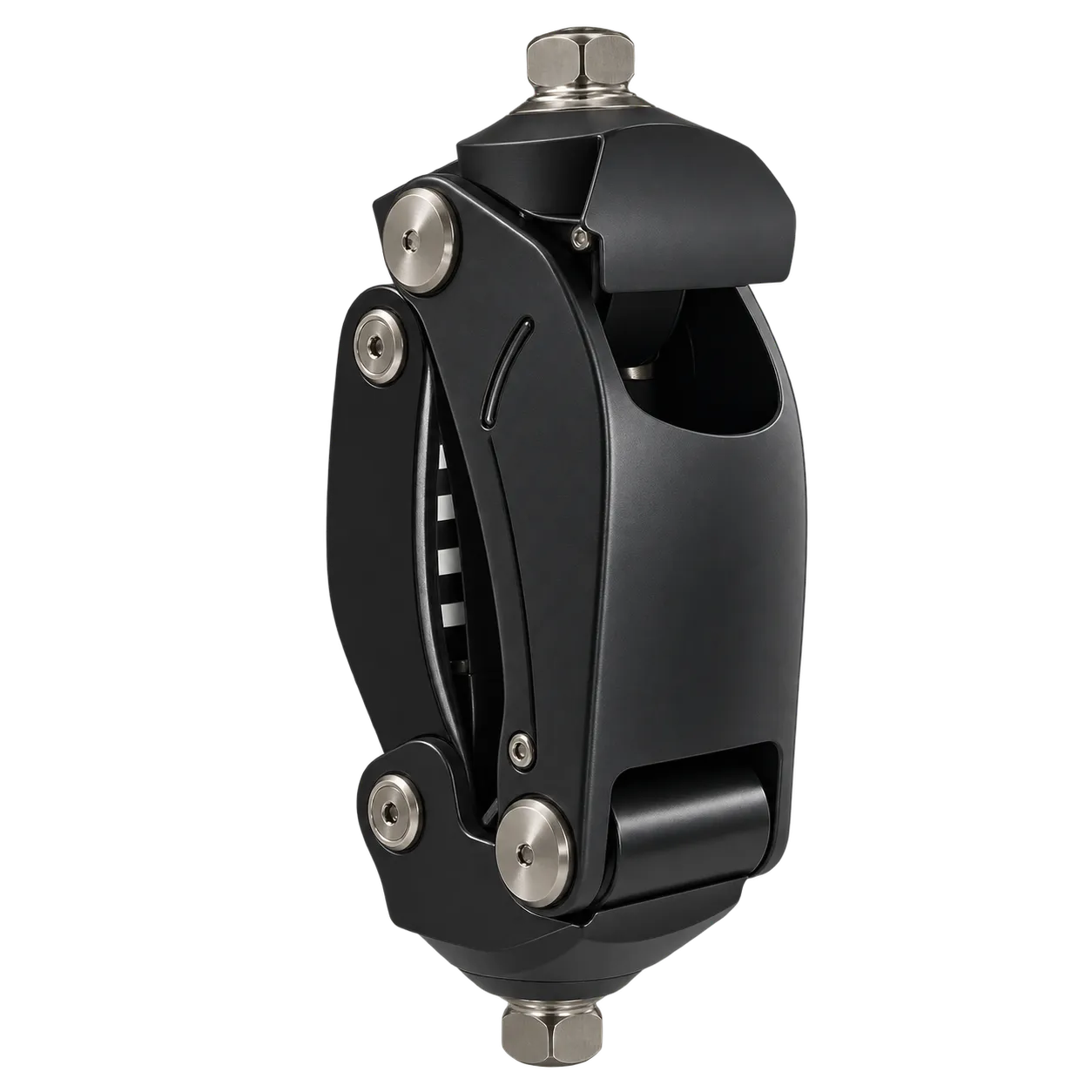
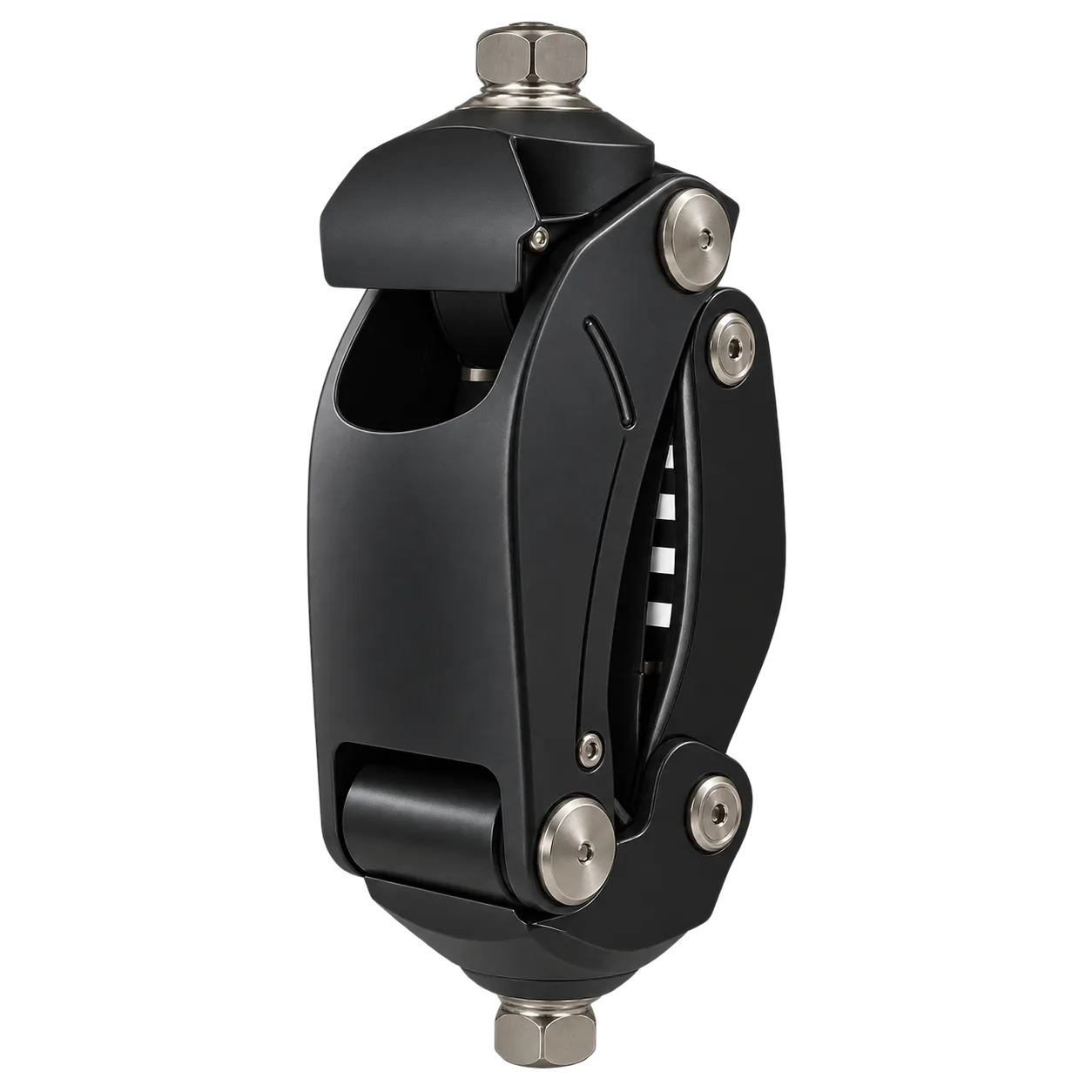
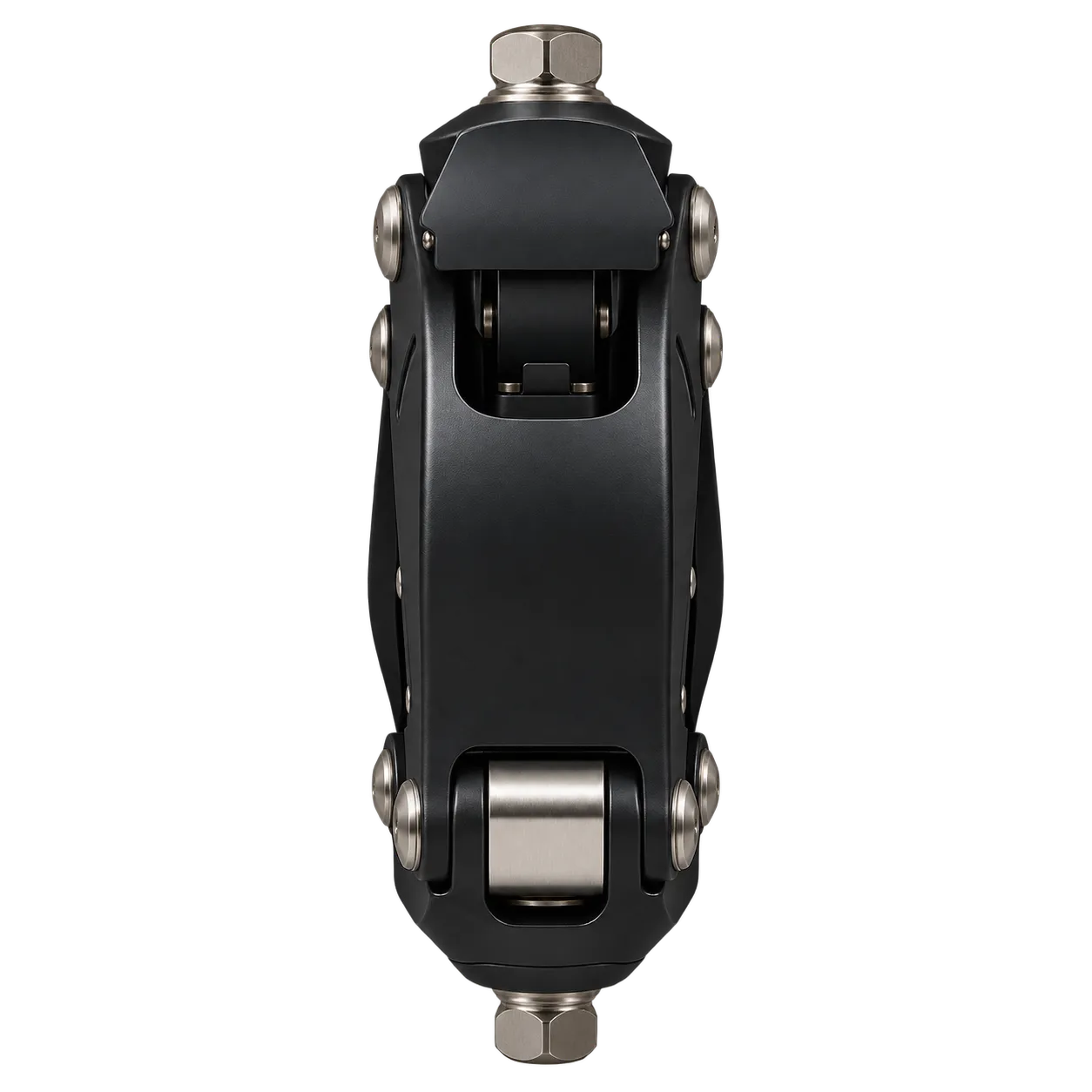
Transfemoral prosthetic fitting is the primary application, with the joint supplied as a component for a prosthetist to align and adjust within a complete limb.
Builds working to an existing specification depend on the proximal and distal interfaces matching the adaptors, tube and foot already chosen.
Clinics holding adaptor stock benefit from establishing the connection types before order, since existing stock may or may not be usable.
Knee disarticulation and long residual limb fittings are where linked-bar geometry is commonly specified, since space below the socket is limited.
Suitability for a given patient follows the load rating and indicated mobility grade, both taken from the manufacturer's instructions for use.
Stance stability and swing clearance are both served by the linkage geometry, with the specific behaviour established from the manufacturer's documentation.
Users walking at varying speeds are served differently according to whether a pneumatic or hydraulic unit is fitted alongside the linkage.