
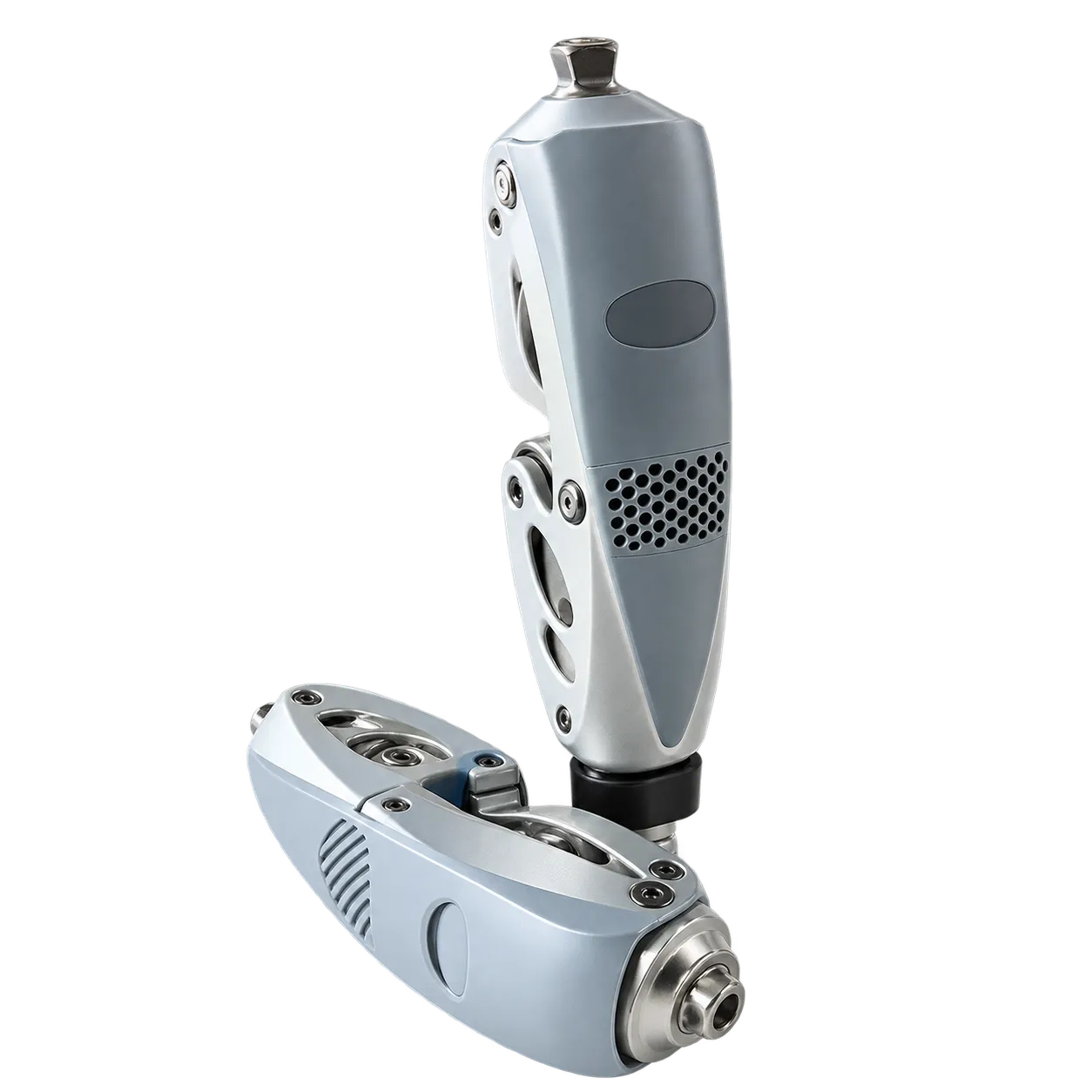
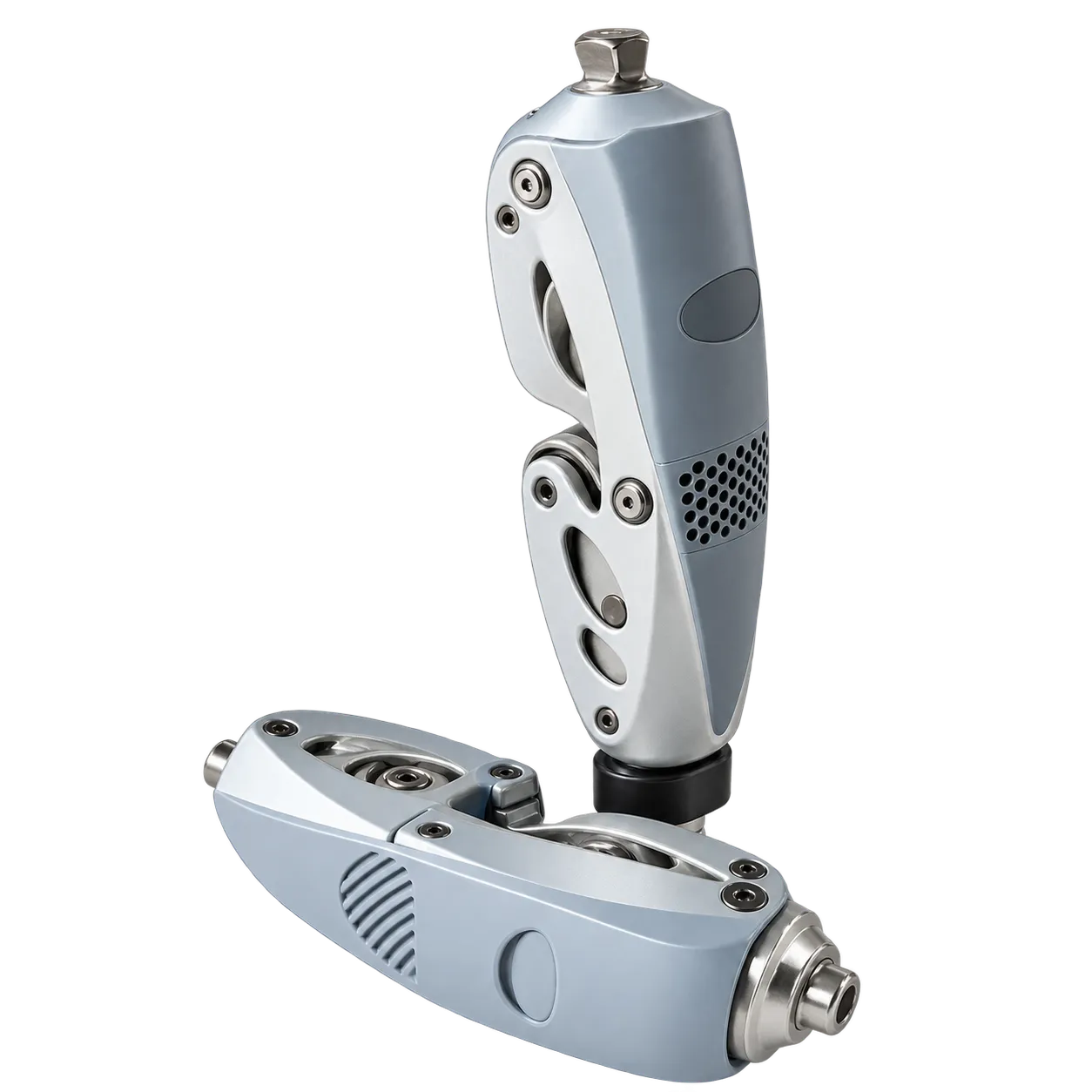
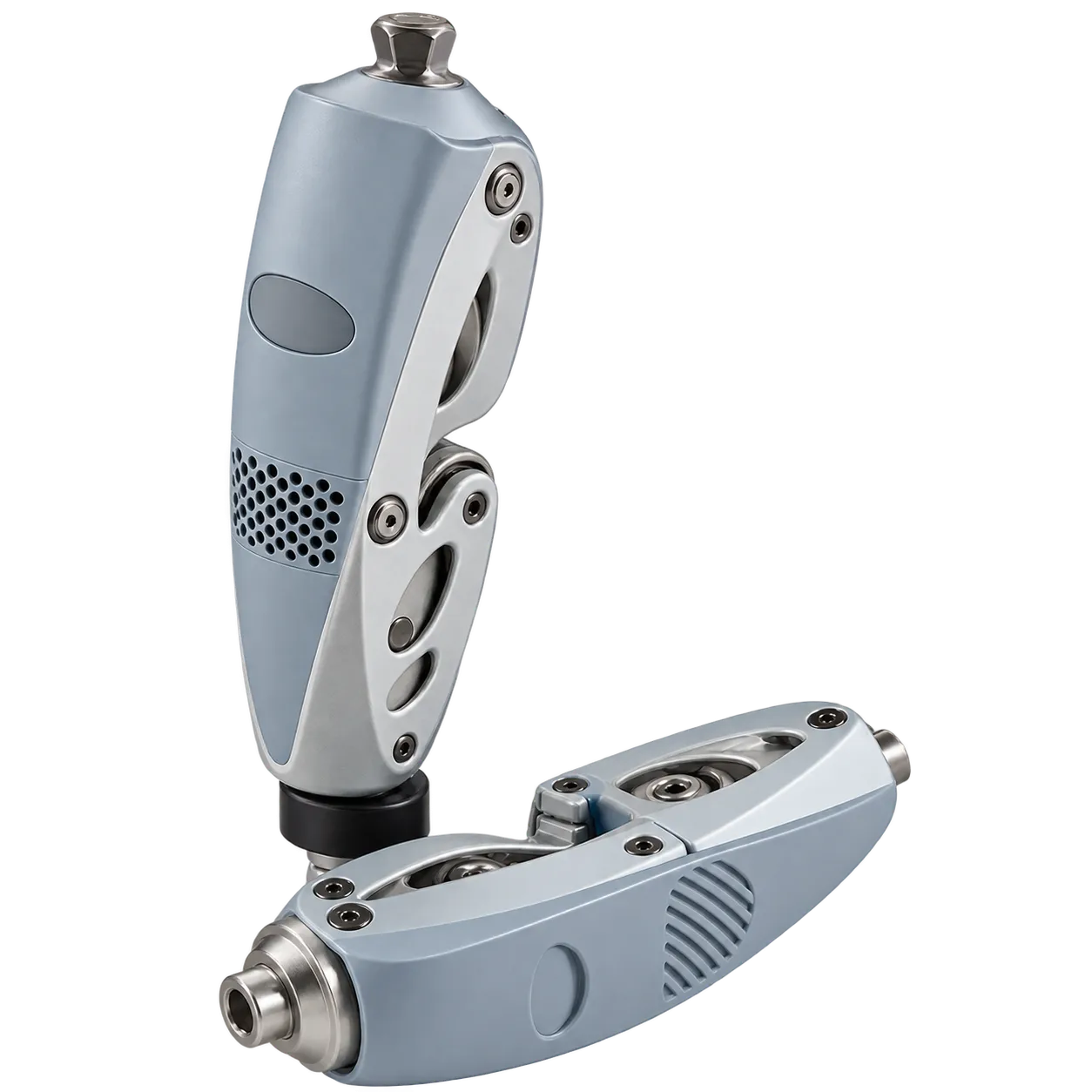
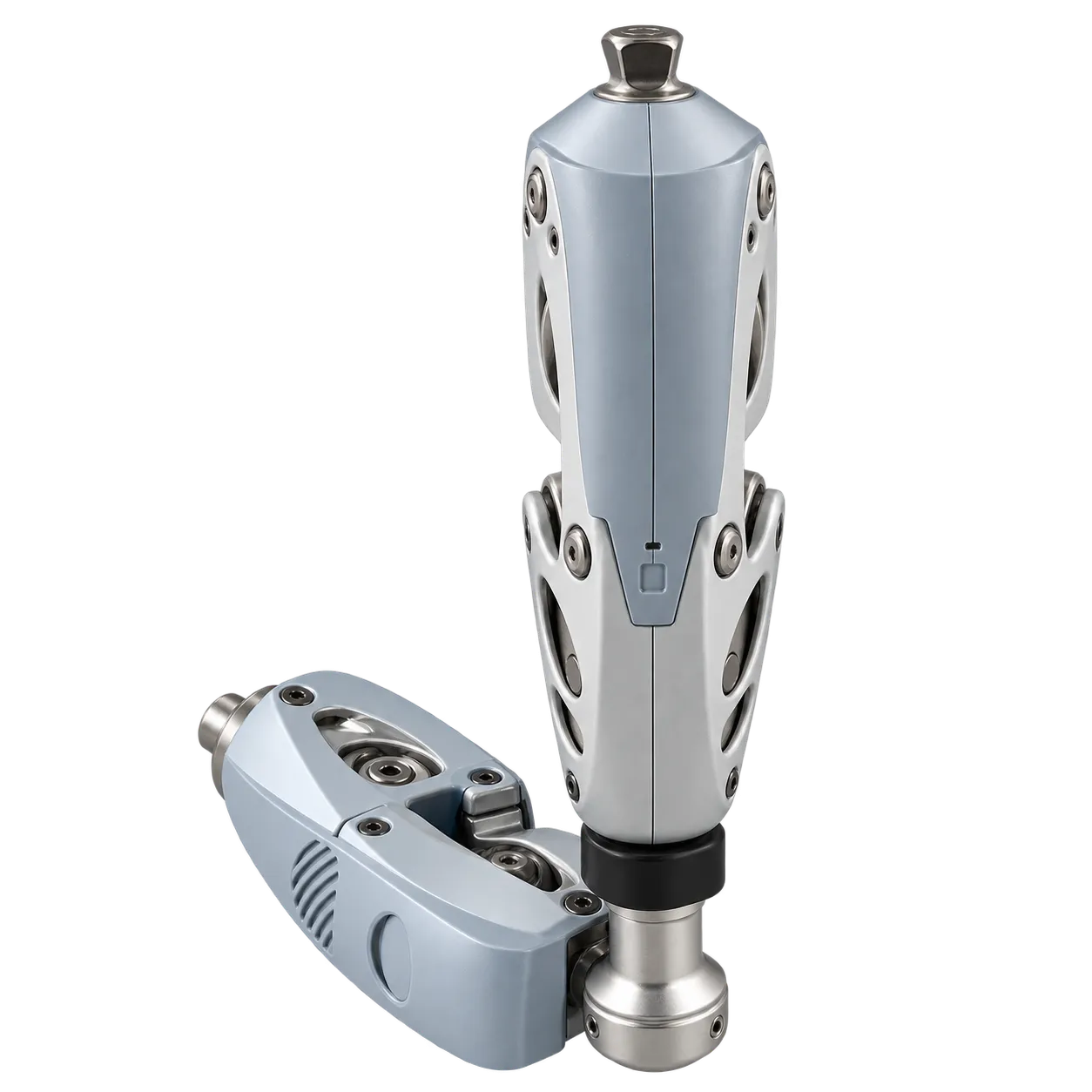
Transfemoral prosthetic fitting is the primary application, with the joint supplied as a component for a prosthetist to align and adjust within a complete limb.
Suitability for a given patient follows the load rating and indicated mobility grade, both of which are confirmed against the manufacturer's instructions for use.
Knee disarticulation and long residual limb fittings depend on build height and the component envelope, since space below the socket is limited.
Limb builds using existing adaptors, tubes and feet depend on the proximal and distal connection types matching what has already been specified.
Users walking at varying speeds are served differently according to the control mechanism fitted, which is confirmed at quotation.
Wet environments depend on the water exposure rating and on the conditions of use stated by the manufacturer.
Clinics maintaining a component stock benefit from documentation held against each item, so a joint can be matched to a patient without re-establishing its specification.