
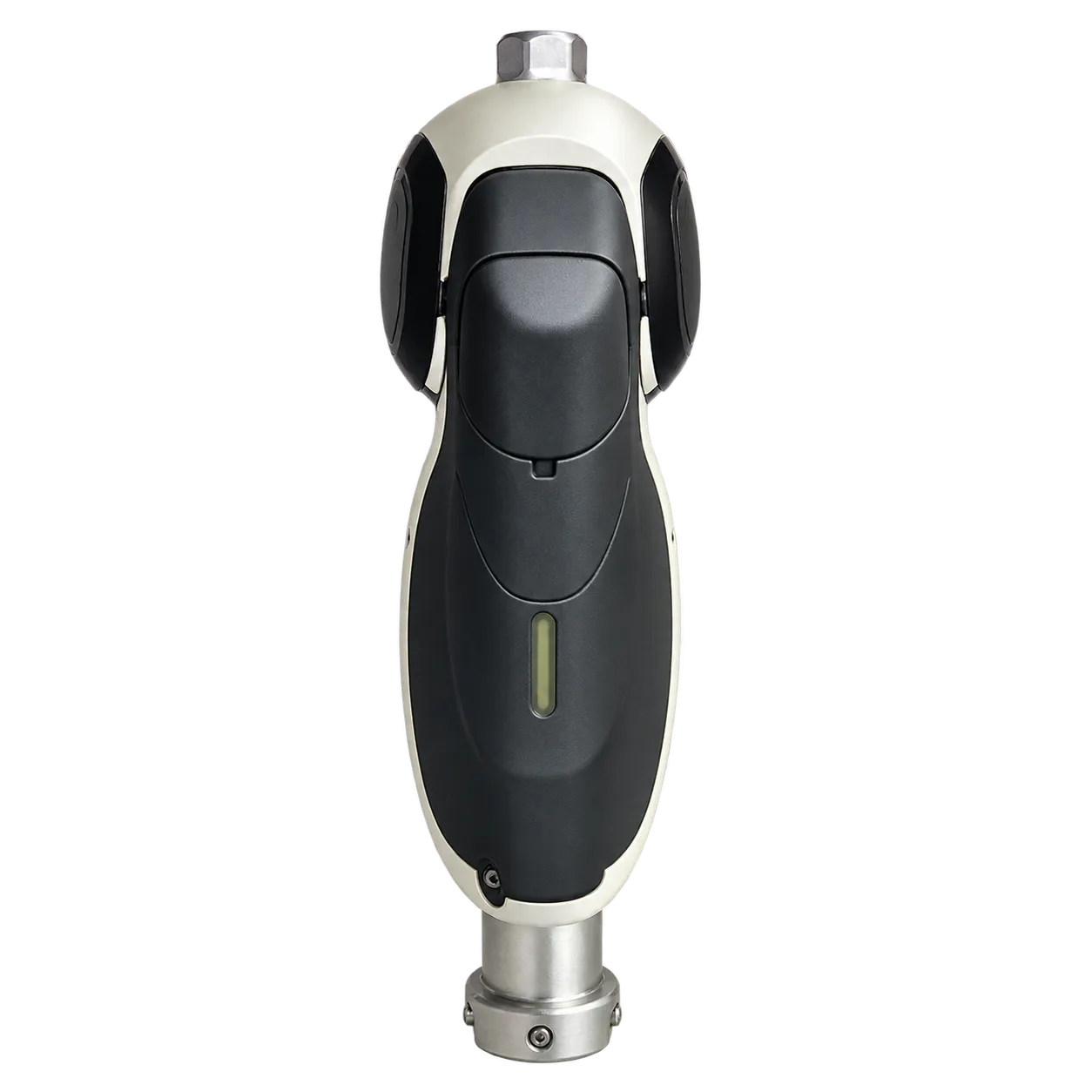
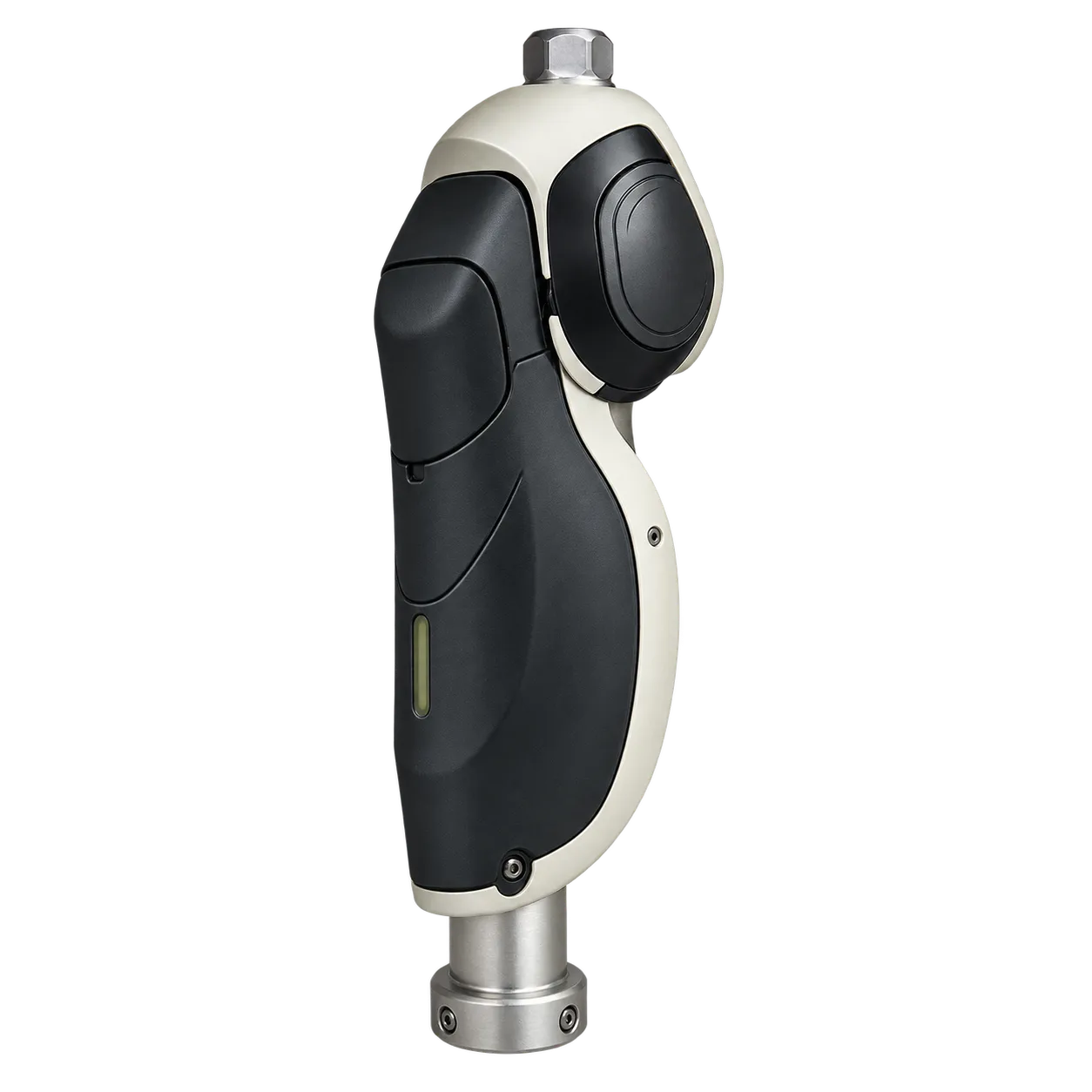
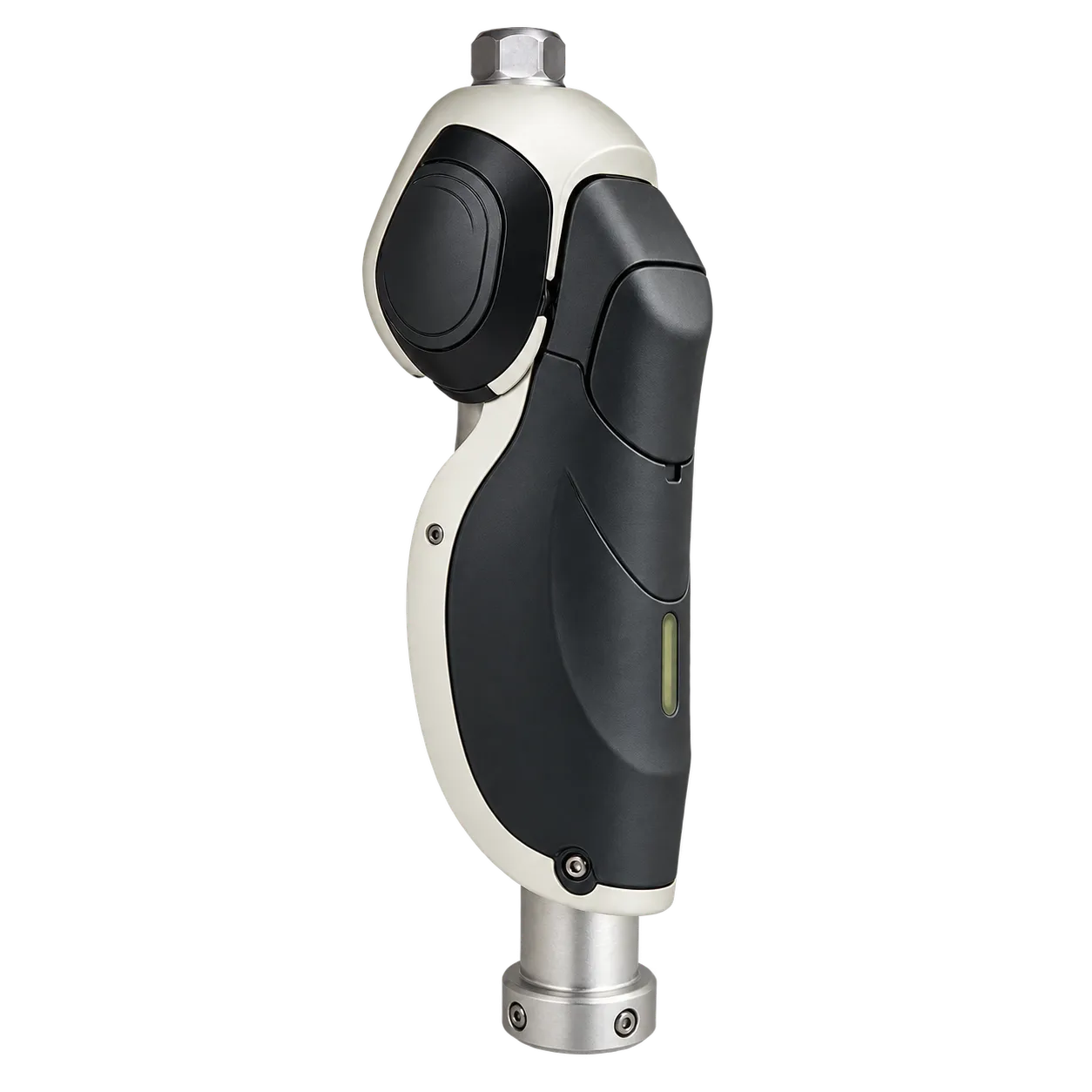
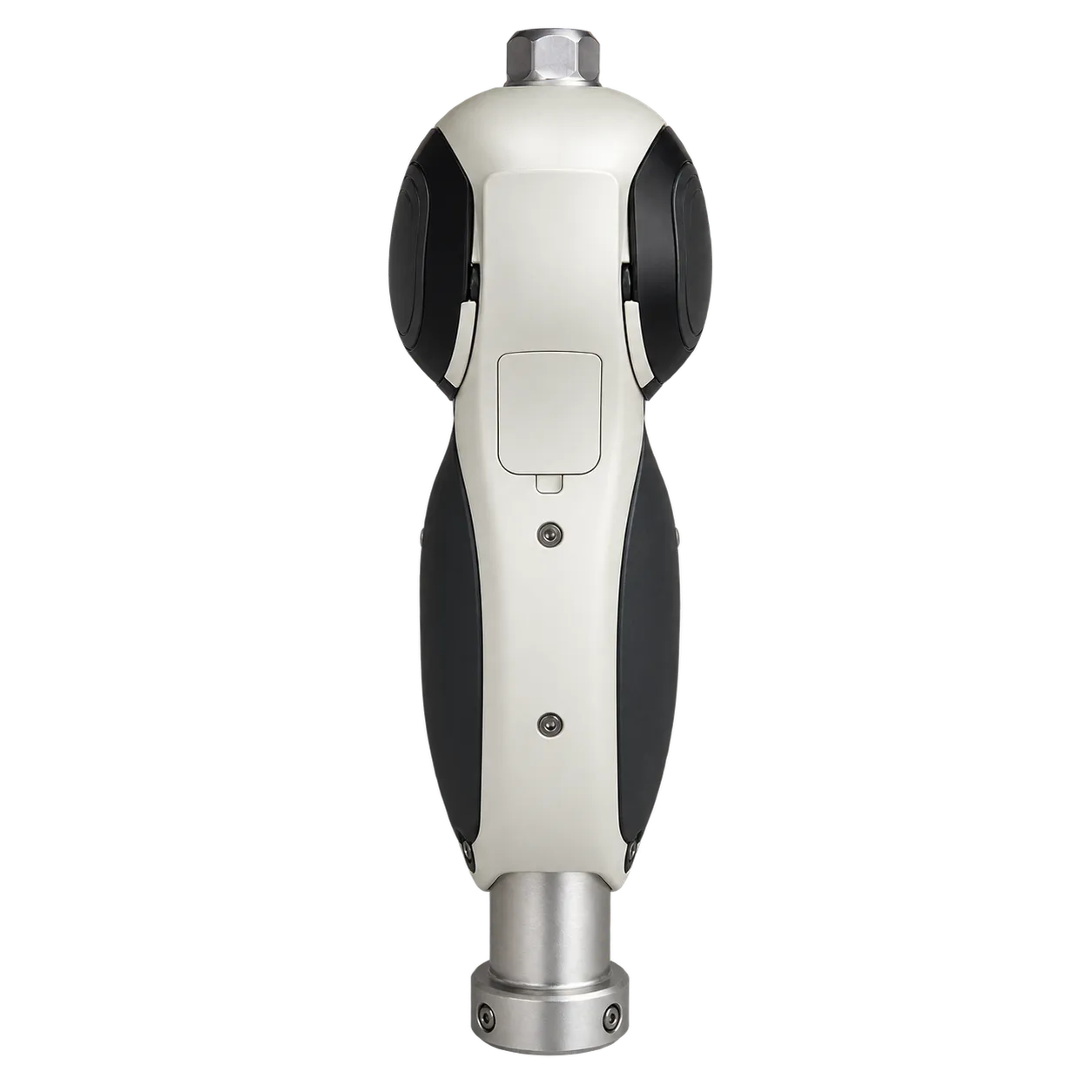
Transfemoral prosthetic fitting is the primary application, with the joint supplied as a component for a prosthetist to align and adjust within a complete limb.
Users walking at varying speeds are served by hydraulic resistance that rises with angular velocity, so the joint responds differently to a fast step and a slow one.
Descending slopes and stairs draws on stance phase resistance, which opposes flexion while weight remains over the limb.
Kneeling and deep sitting are accommodated by flexion to 165 degrees.
Water-based activity is supported by a housing the manufacturer states as resistant to seawater, fresh water and chlorinated water, subject to the stated conditions of use.
Users who would otherwise need a second limb for wet environments may be served by a single waterproof joint, where the prescribing prosthetist judges that appropriate.
Clinics building limbs to individual measurements work within a structural height of 186 mm and a system height of 158 mm.