
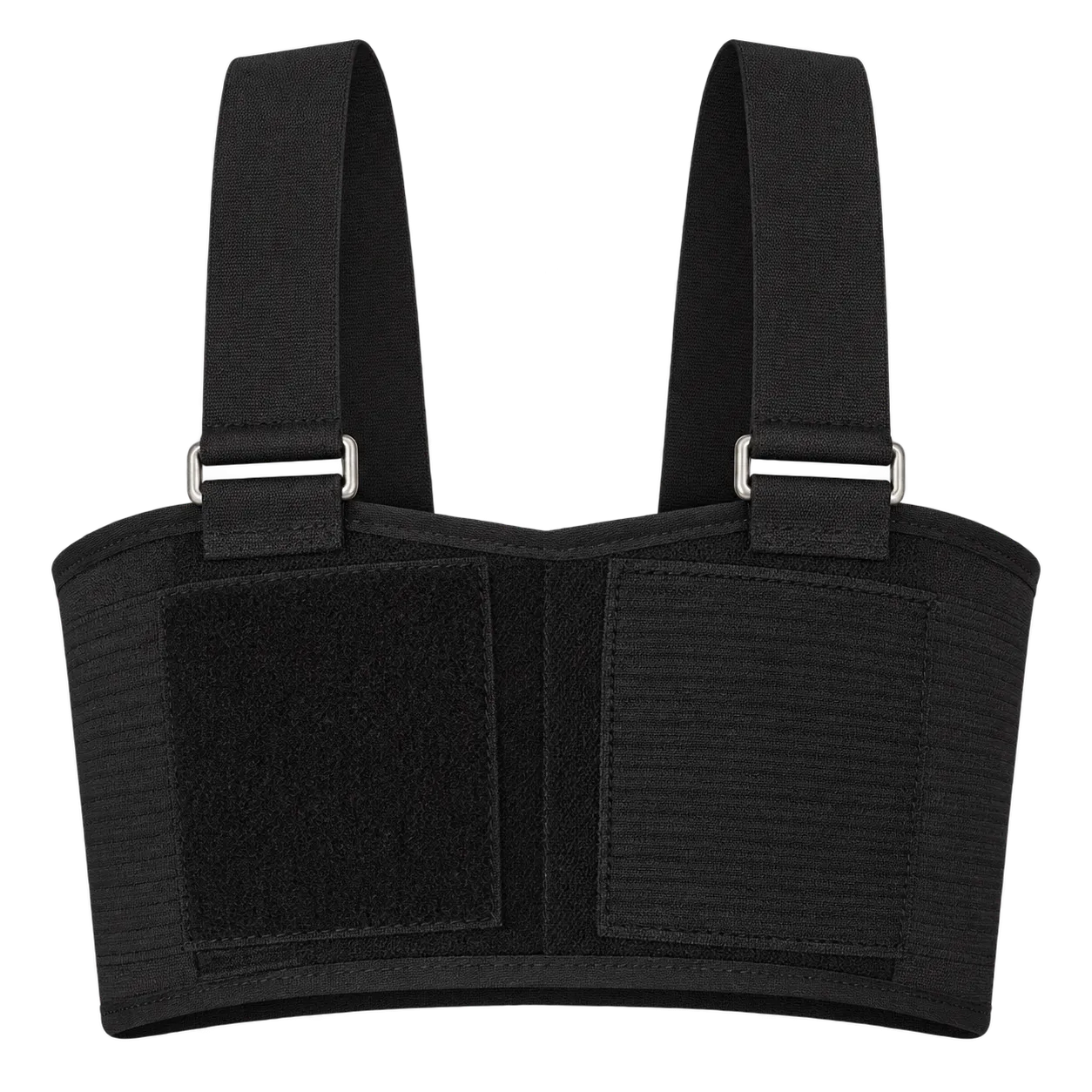
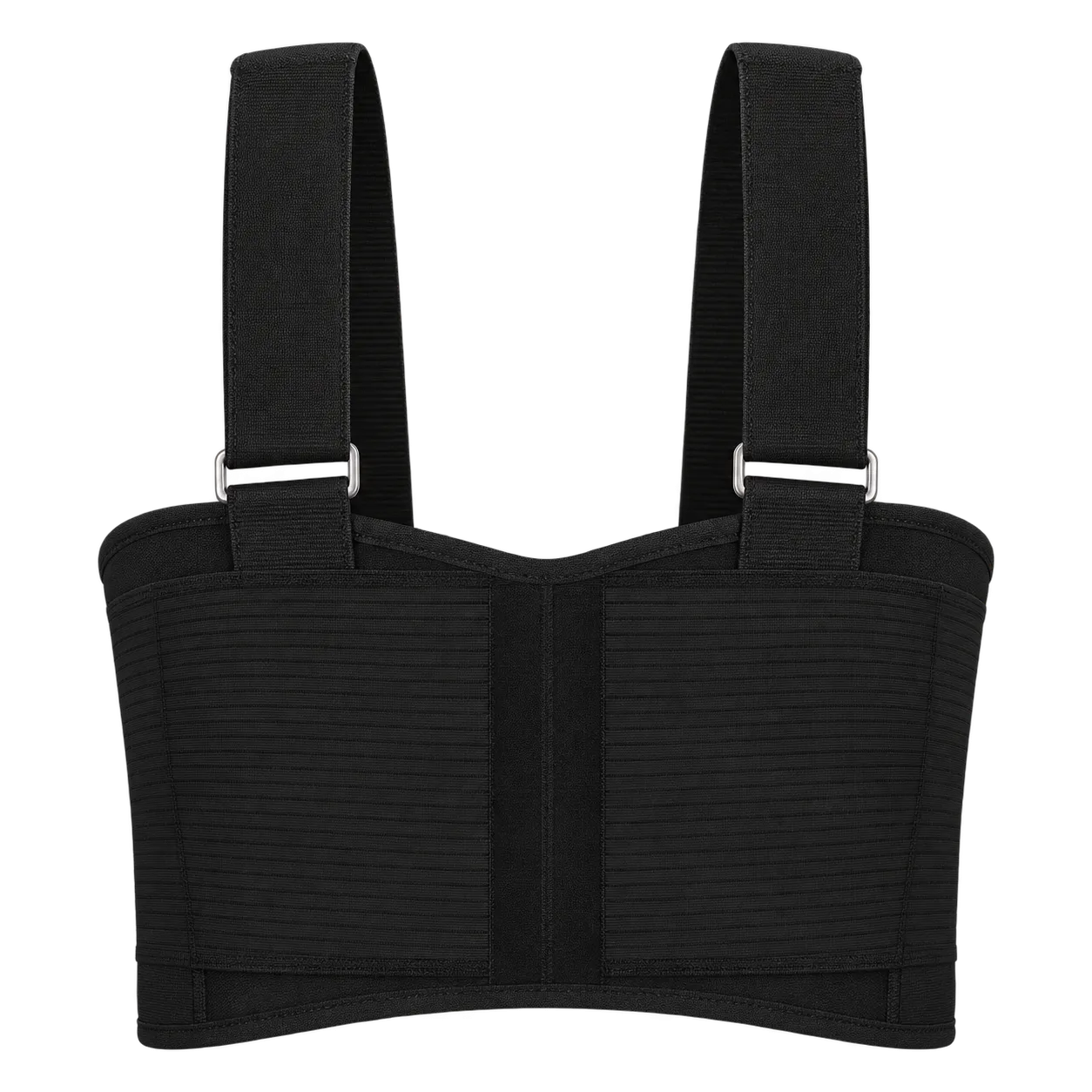
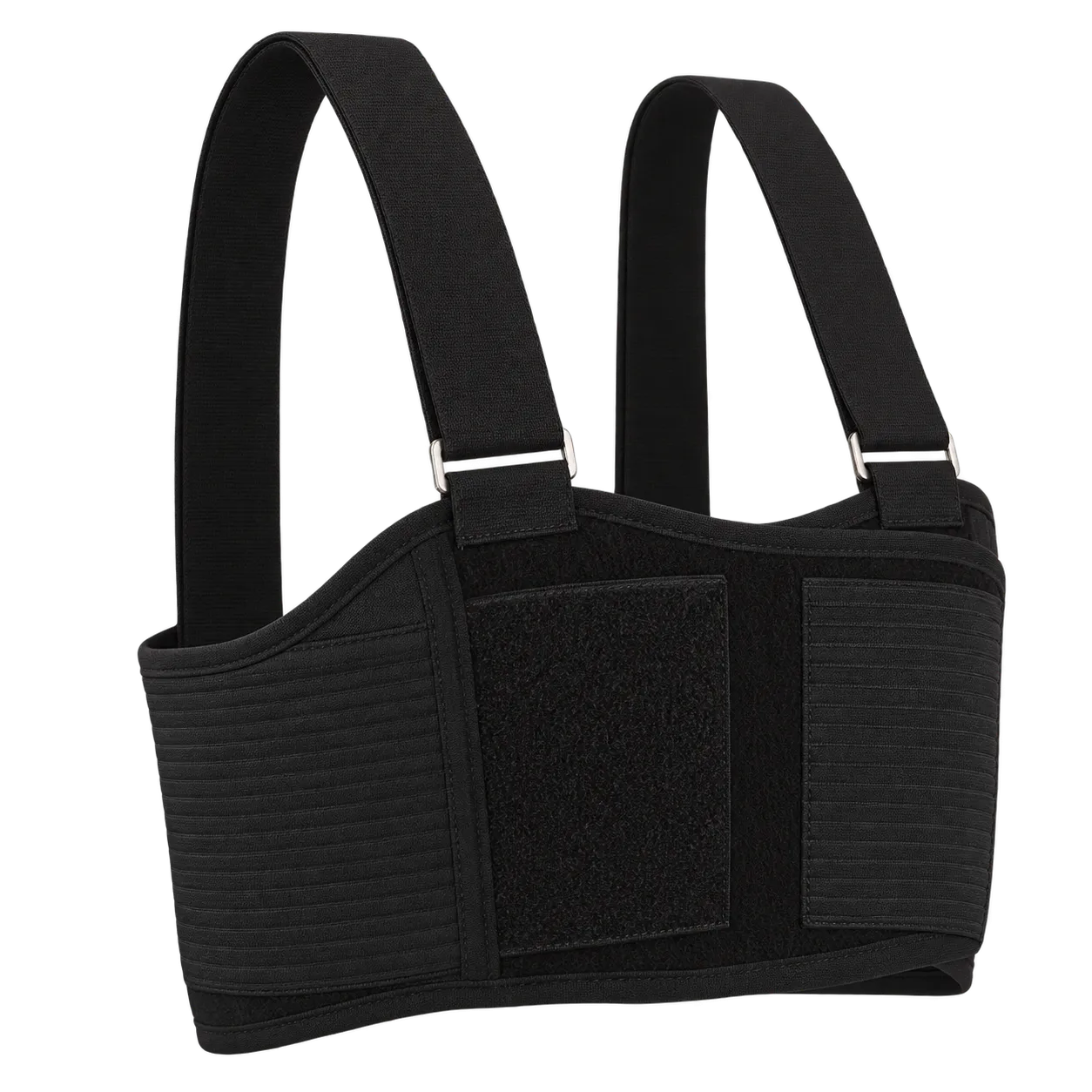
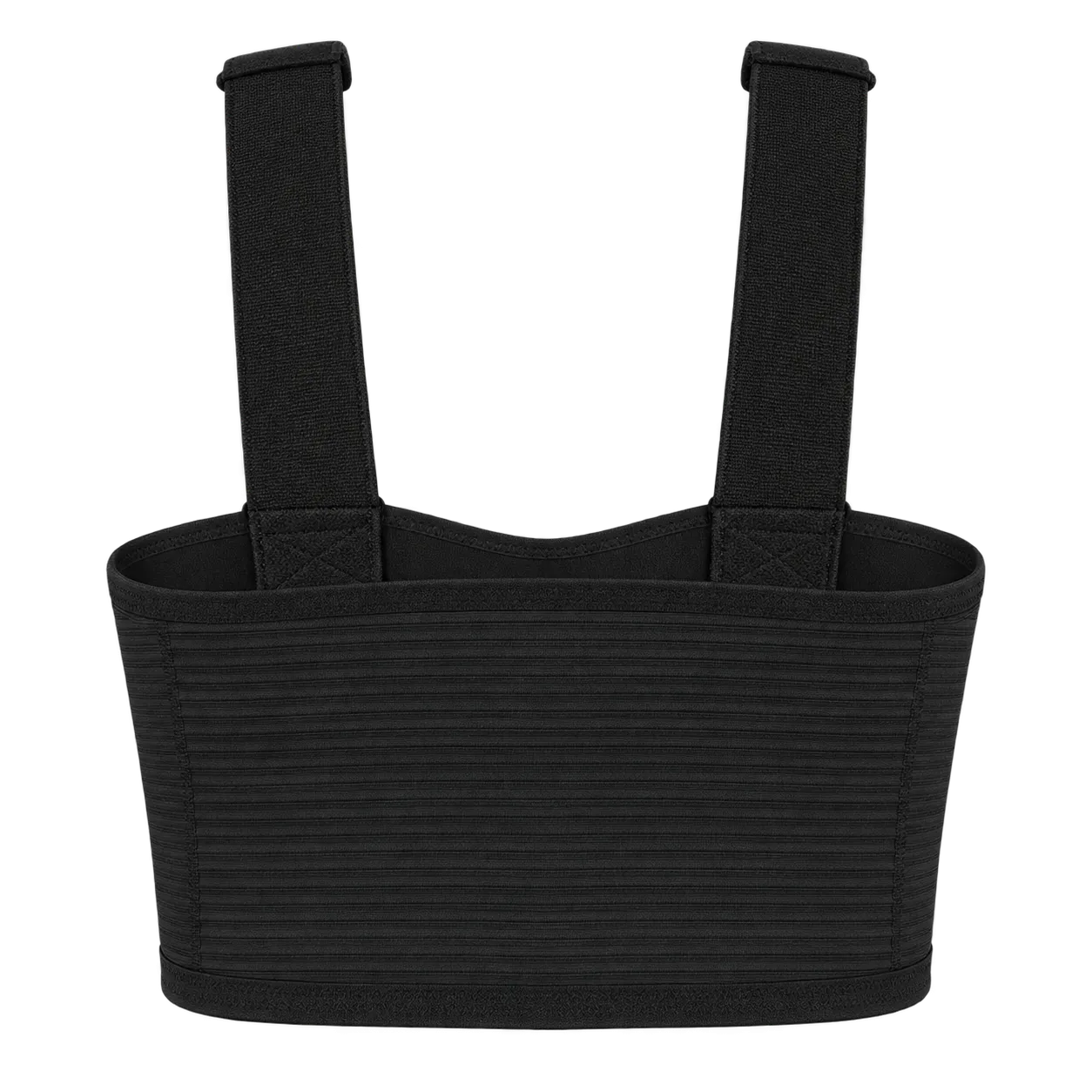
Emergency departments, trauma units and thoracic wards that keep a rib belt for clinician-chosen exceptions can stock the BL-22001, issued only where the treating clinician judges that comfort support will not compromise breathing. Physiotherapy-led respiratory care runs alongside any use, with deep breathing, supported coughing and early mobilisation. Services in markets where rib belts are part of local practice can offer them on the same terms. Orthopaedic and spinal surgical teams can ask the manufacturer what its postoperative spinal support indication means before adding the belt to any postoperative protocol. For most people with broken or bruised ribs in the UK, standard care is pain relief, breathing exercises and no strapping.
Risk is highest where breathing is already fragile. Older adults, smokers and people with asthma or chronic lung disease are more likely to develop a chest infection after a rib injury, and a belt that restricts breathing adds to that risk. Worsening breathlessness or chest pain, or pain in the tummy or shoulder, needs urgent assessment because a broken rib can damage the lung, liver or spleen. Each issue should come with a written plan for how long the belt is worn and who reviews it. Patients who cannot loosen the belt themselves need staff or carers who can, and night-time use should follow the clinician's explicit instruction.
Procurement routes for NHS trusts and for public hospitals abroad ask for a device's conformity status and registration. The conformity documentation those procurement routes require is issued by the manufacturer and shared by the enquiry team.