
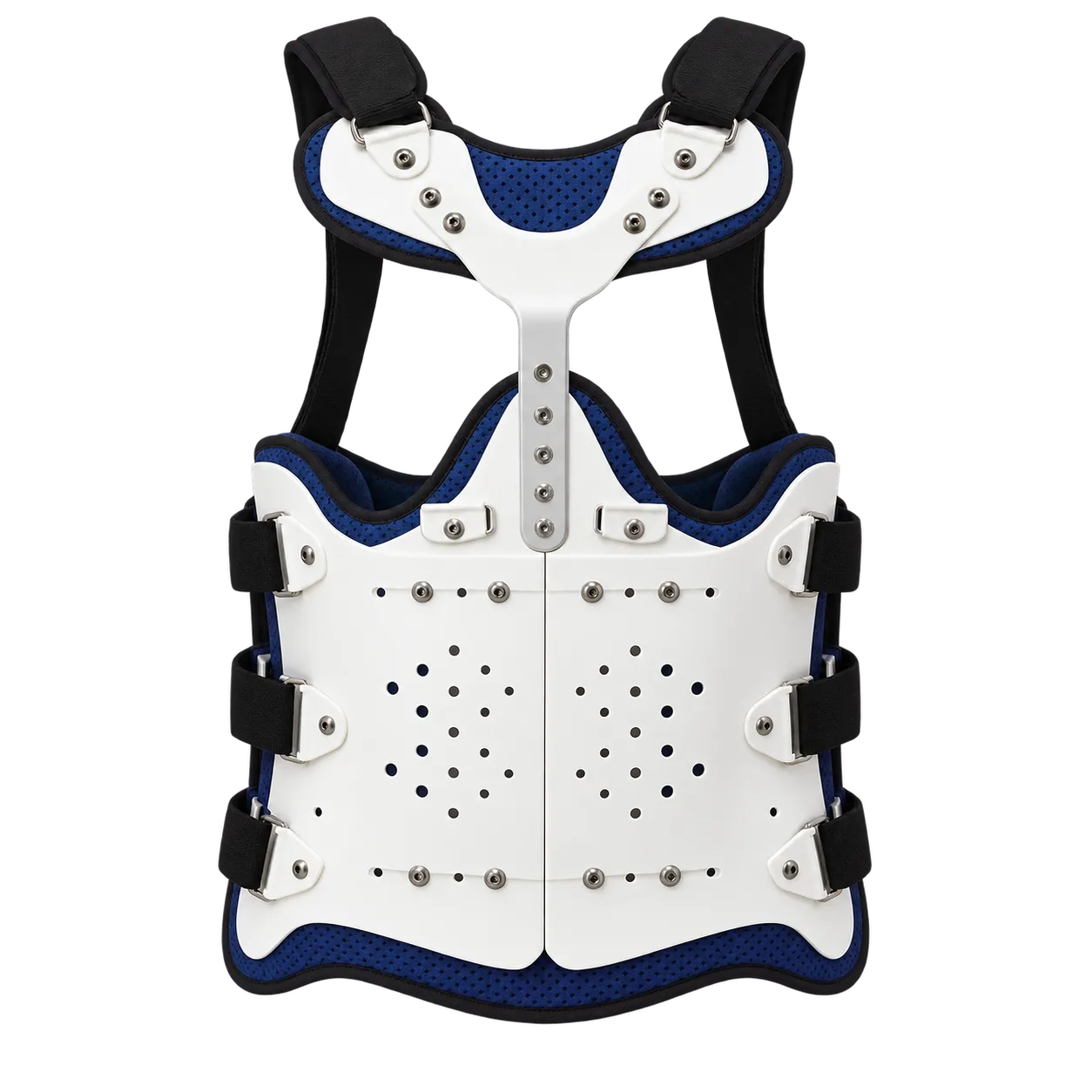
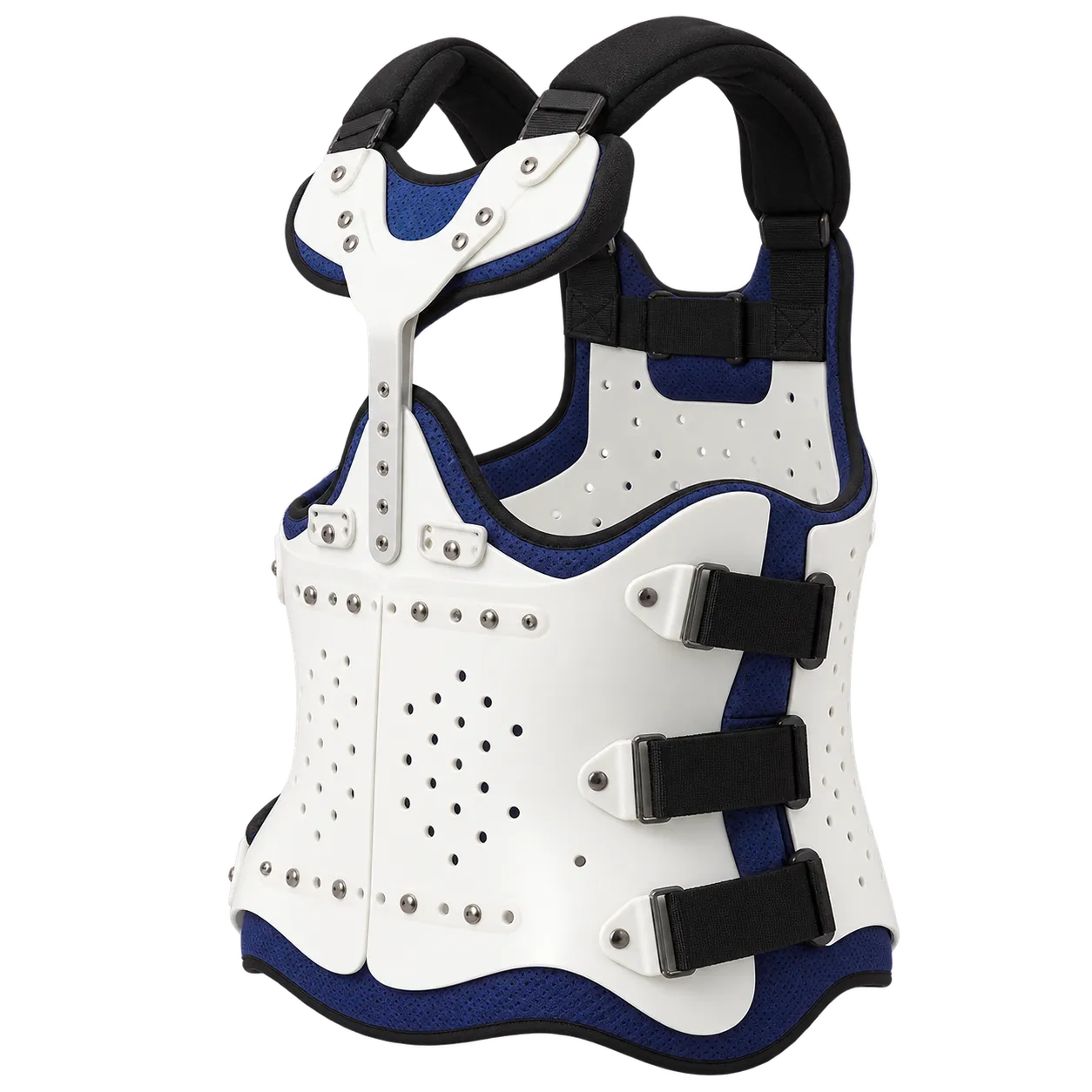
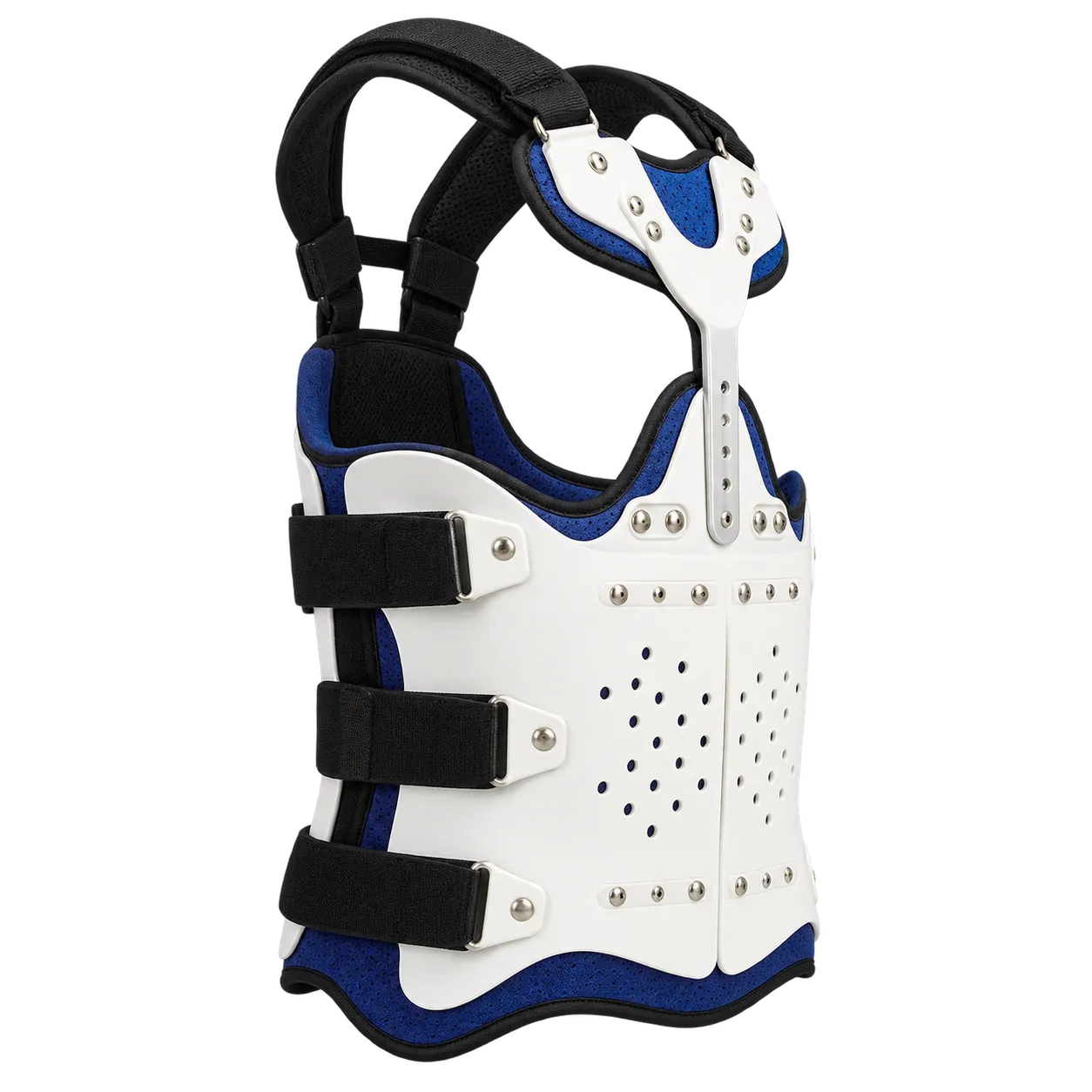
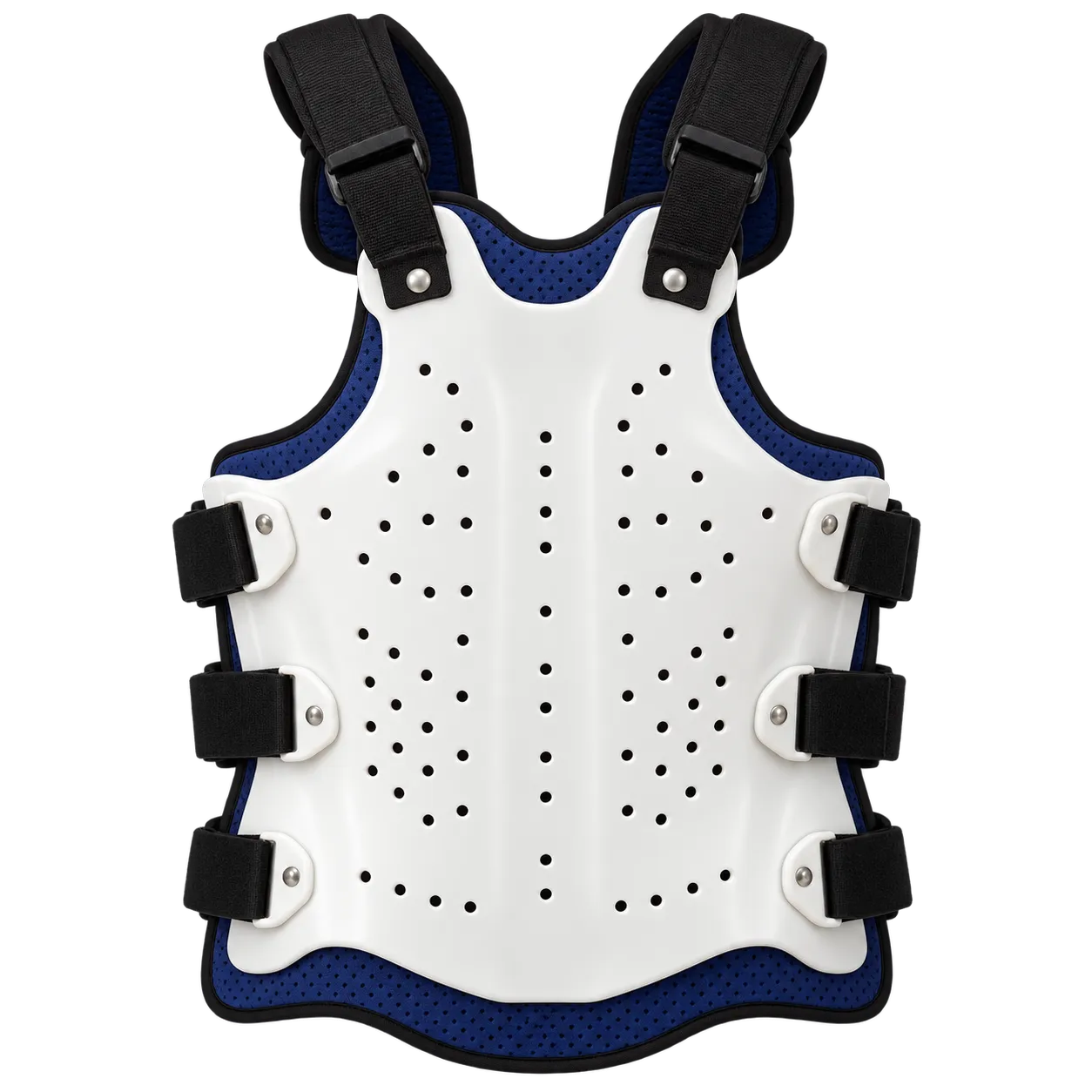
Inpatient spinal rehabilitation units can use the BL-22076, where a spinal team chooses bracing, adjusts bladder pressure, and adjusts plate angles as patients progress. Neurosurgical and orthopaedic wards can begin the plan before discharge, setting initial pressures while the patient is still under daily review. Orthotic clinics that see patients at intervals after a spinal fracture or operation can use each review to change the settings. Community rehabilitation and early supported discharge teams can carry the plan into the home, with the patient or carer taught which adjustments they may make and which belong to the clinician. Physiotherapists working with these teams can time exercise progressions to the brace reviews, so the settings and the rehabilitation programme move together.
The limits are clinical. Unstable injuries, neurological symptoms and uncertain imaging go to the spinal team first, and a rigid shell over the chest can restrict breathing and mark fragile skin, so checks continue at every stage. Evidence for bracing differs by fracture type, from equivalent outcomes in stable burst fractures to very low certainty after osteoporotic fractures. Each patient's notes should carry the agreed pressures, plate positions and planned stopping point. Pump use at home is safest when the patient or carer has shown the clinician they can add and release air correctly.
Public purchasing, whether by NHS trusts or by hospital systems elsewhere, runs through procurement routes that ask for a device's conformity status and registration. The conformity documentation those procurement routes require is issued by the manufacturer and shared by the enquiry team.