
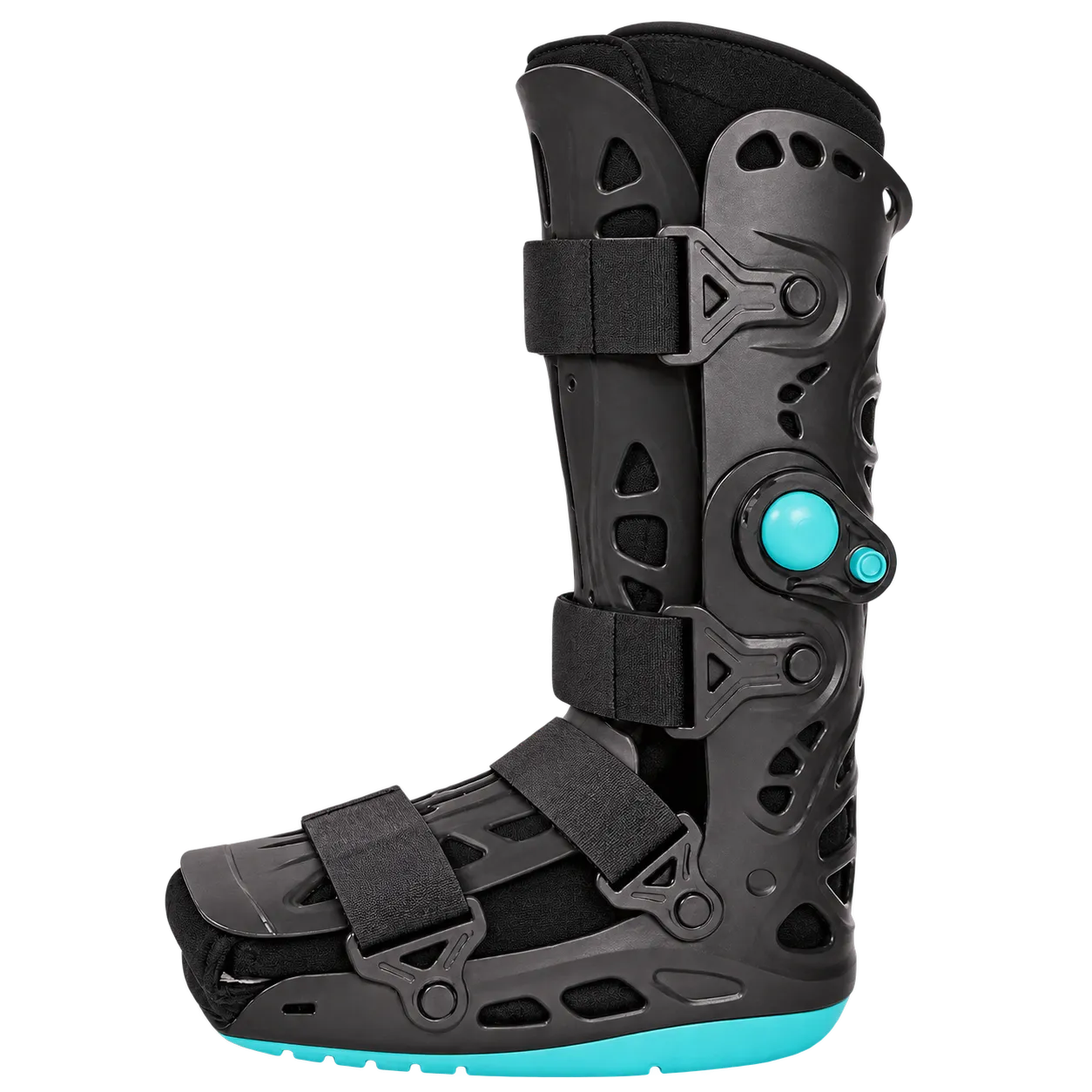
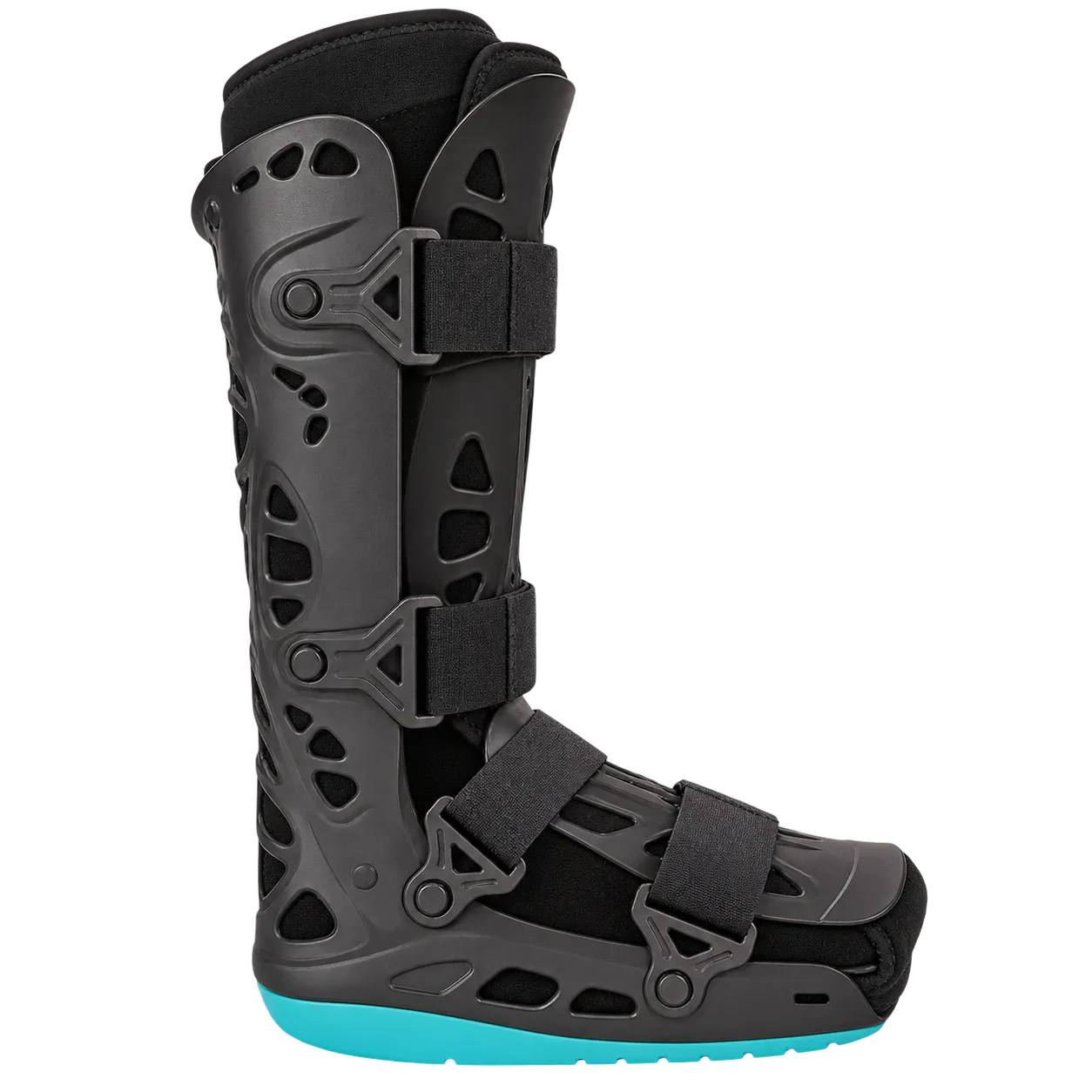
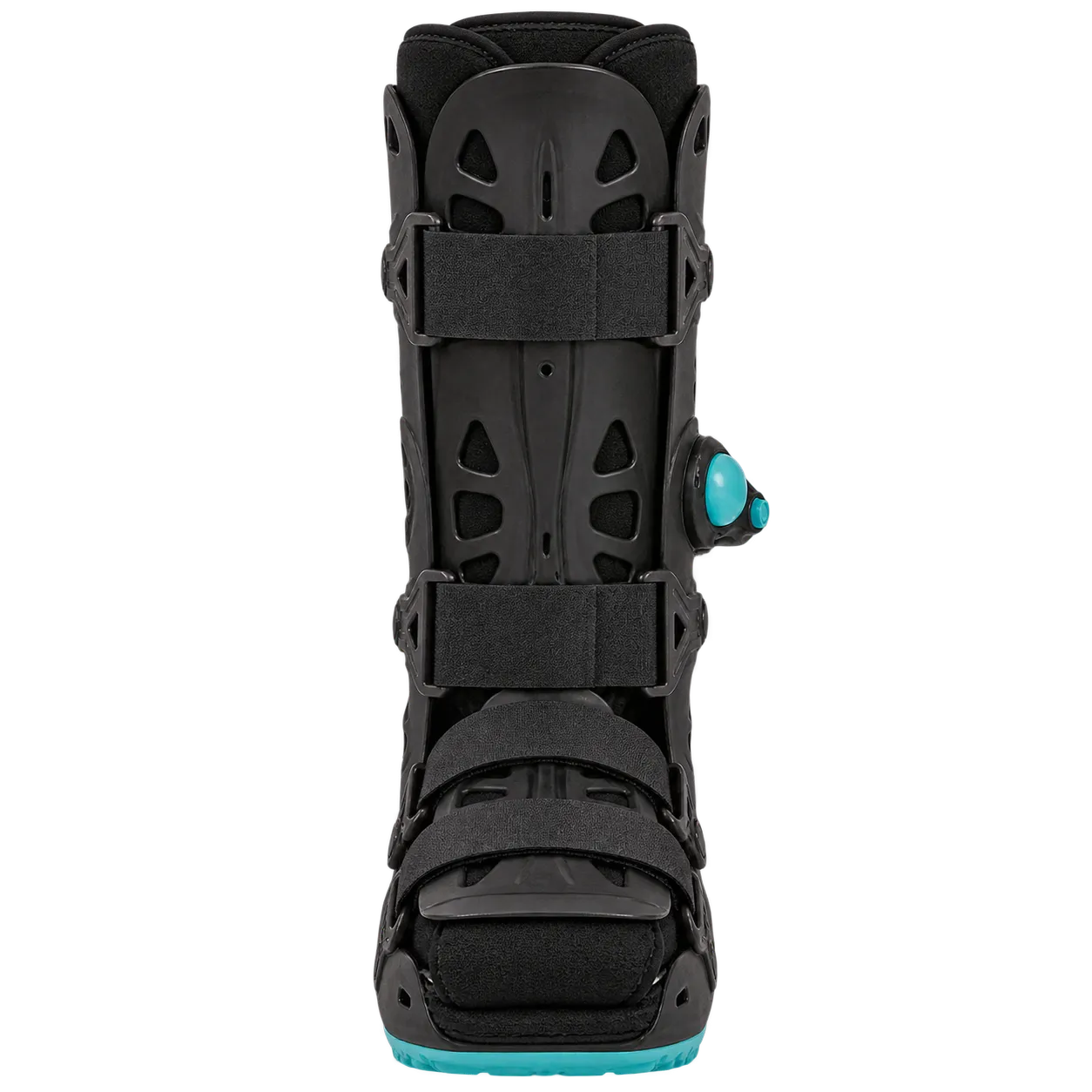
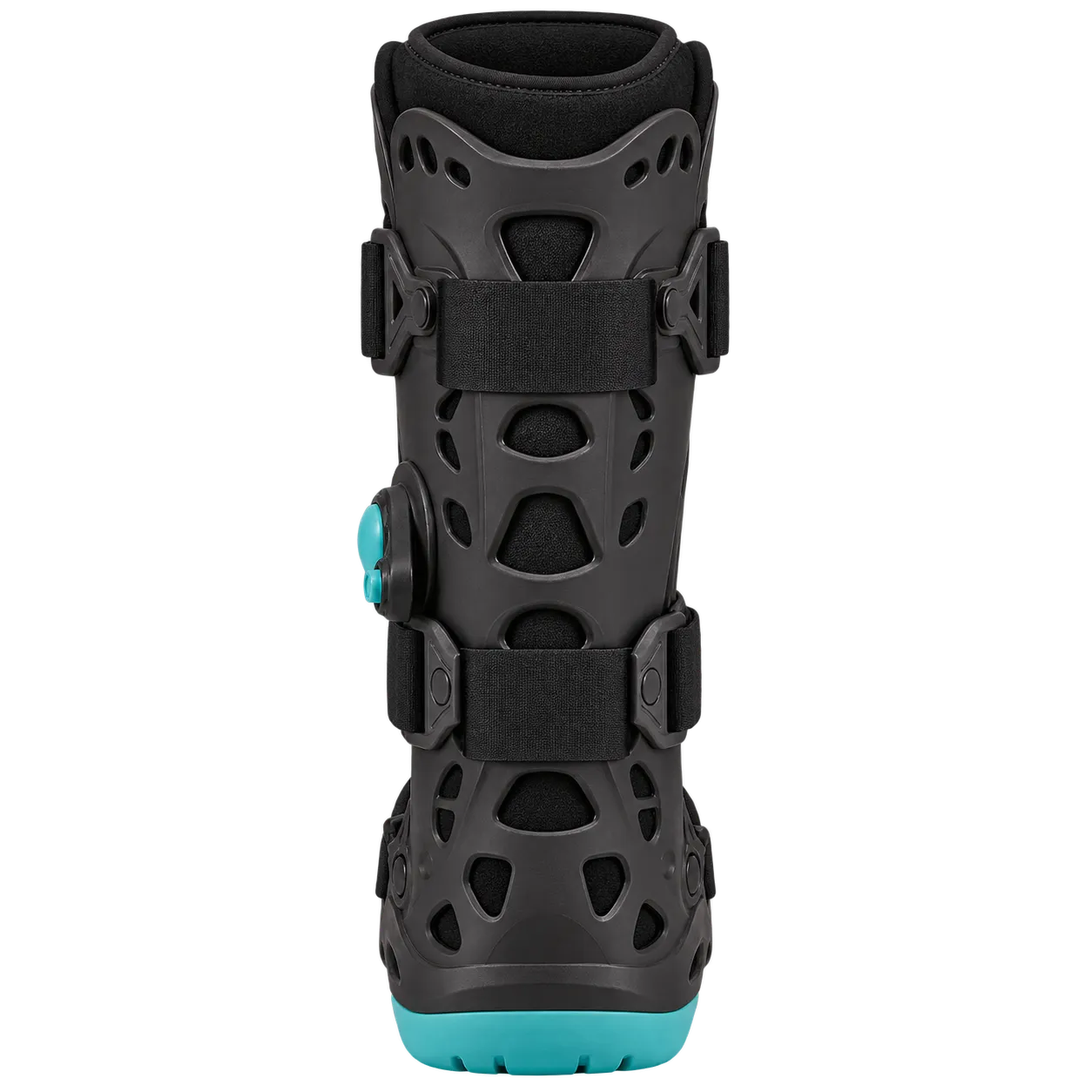
Fracture clinics fit the BL-52017-A at the start of treatment and see the patient through it. A stable ankle fracture managed in a removable device can be fitted at the first appointment, with the tall shell holding the lower leg and the air cells set for the swelling present on the day. At each review, the fit can be taken up as the leg changes, and the clinician decides when weaning begins.
Orthopaedic and foot and ankle surgical units can apply it for protection after ankle surgery, including fracture fixation and ligament repair. Because the boot stays with the patient for the whole recovery, the instructions for use and liner care advice should go home with them from the ward.
Emergency departments and minor injury units that fit boots for later fracture clinic follow-up should make sure patients leave knowing how to adjust the air and wash the liner. The VTE risk assessment set out in NICE NG89 for adults discharged with lower limb immobilisation applies at that first fitting.
Community nursing and podiatry teams often see the middle weeks of treatment, when swelling has fallen, and the leg has thinned. Skin checks, strap and air adjustment, and liner hygiene are their practical concerns, and the open toe allows circulation checks without removing the boot.
Physiotherapy services lead the final stage, as patients wean into a supportive shoe and deal with the stiffness and swelling that often follow. Preparing patients for those changes early makes the transition smoother.
NHS procurement routes ask for the device class and the declaration of conformity, and public buyers in other countries ask for the equivalent. The conformity documentation those procurement routes require is issued by the manufacturer and provided by the seller.