
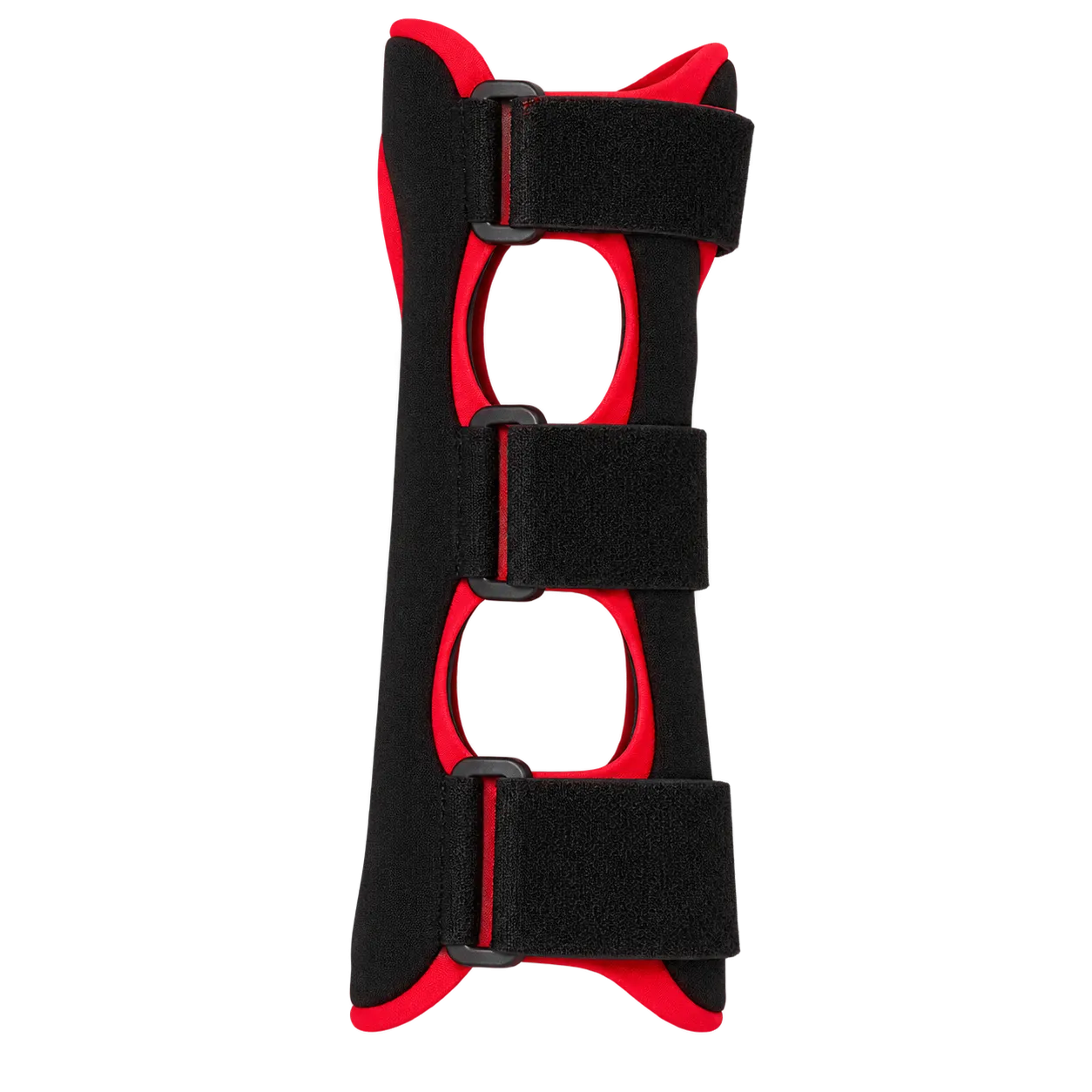
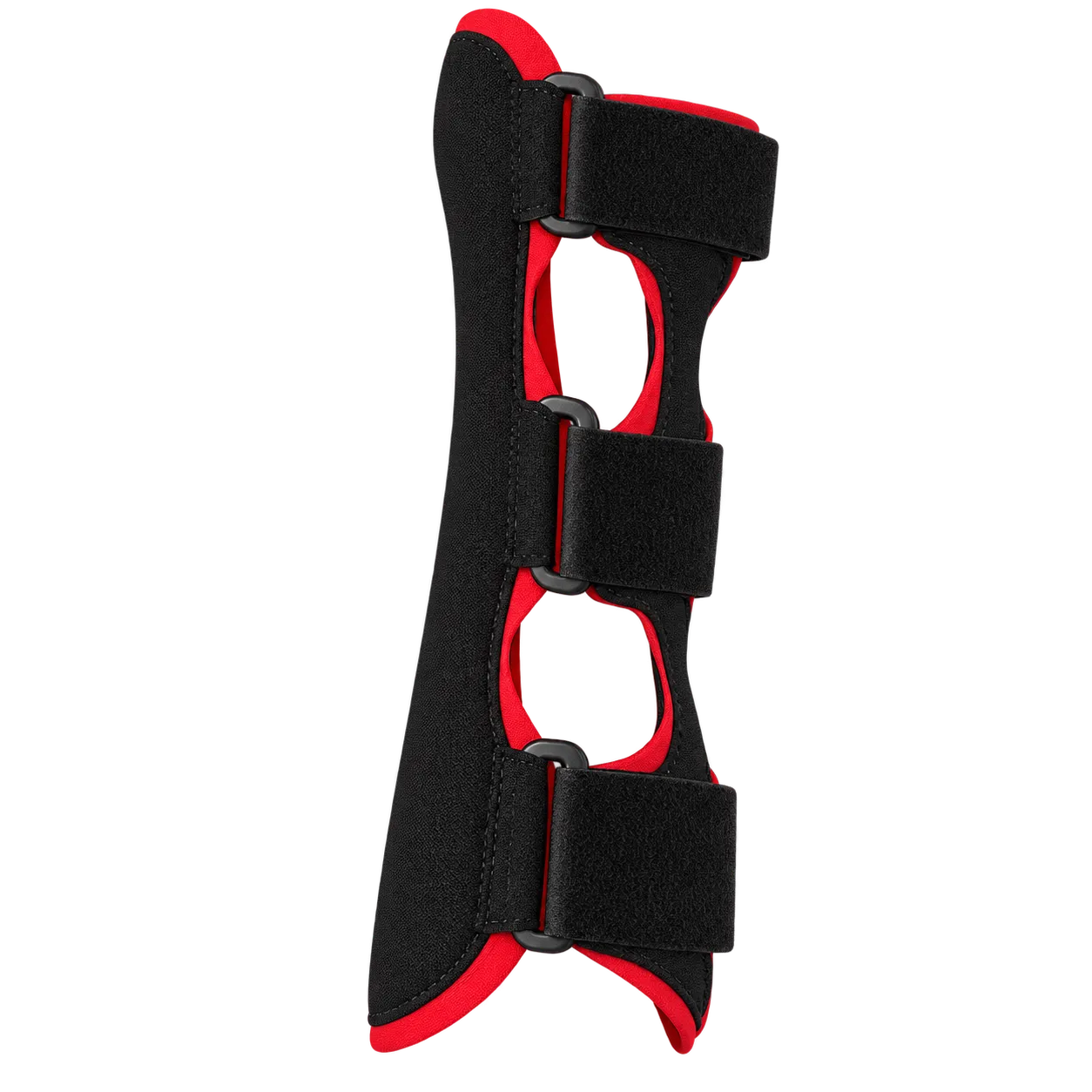
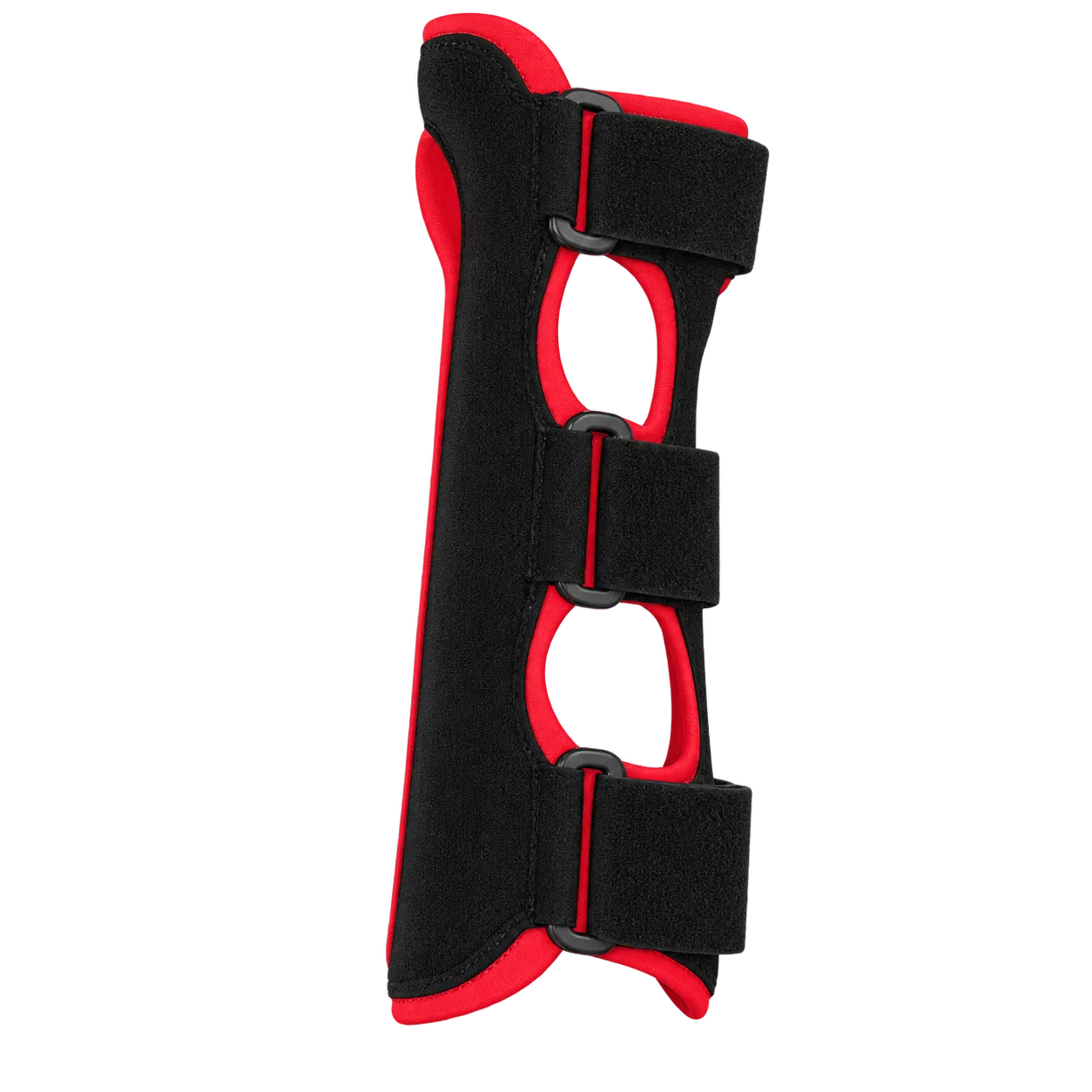
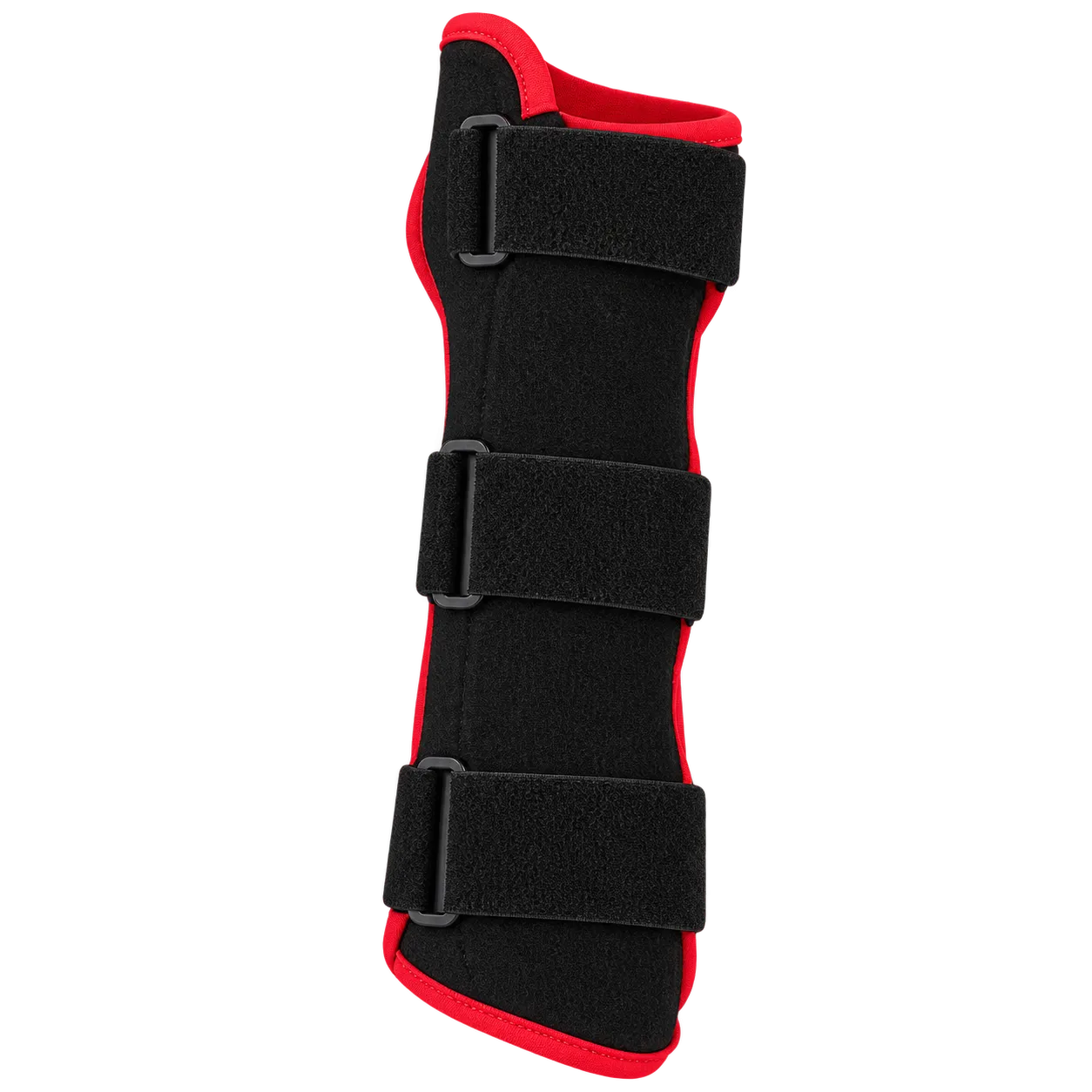
Orthopaedic and hand surgery clinics can use the BL-82011 after wrist fracture surgery, where the surgeon's protocol moves patients into a removable brace, keeping the aluminium panel in for the firm phase and taking it out as rehabilitation starts. Hand therapy services can run the same brace through staged weaning, with each therapy visit a chance to review whether the panel stays. Workplace health and occupational therapy services can issue it to computer users with wrist pain as short-term support, alongside a workstation assessment and changes to breaks and tasks. Sports physiotherapy services can use it for wrist and thumb sprains once a fracture is excluded, with the panel in for the first days and out for a return to training.
Assessment and staging set the limits. Suspected fractures need imaging first, and De Quervain's tenosynovitis needs a splint that supports the thumb if the BL-82011 does not, so confirm thumb coverage with the manufacturer before using stock. Carpal tunnel syndrome usually calls for neutral night splinting, which the clinician checks at fitting. Patients with reduced sensation need closer checks. Every issue should record whether the panel is in or out, when the next step-down is planned and what the patient should do if the fingers change colour or go numb.
Health service buyers, from NHS trusts to public systems abroad, purchase through procurement routes that ask for a device's conformity status and registration. The conformity documentation those procurement routes require is issued by the manufacturer and shared by the enquiry team.