
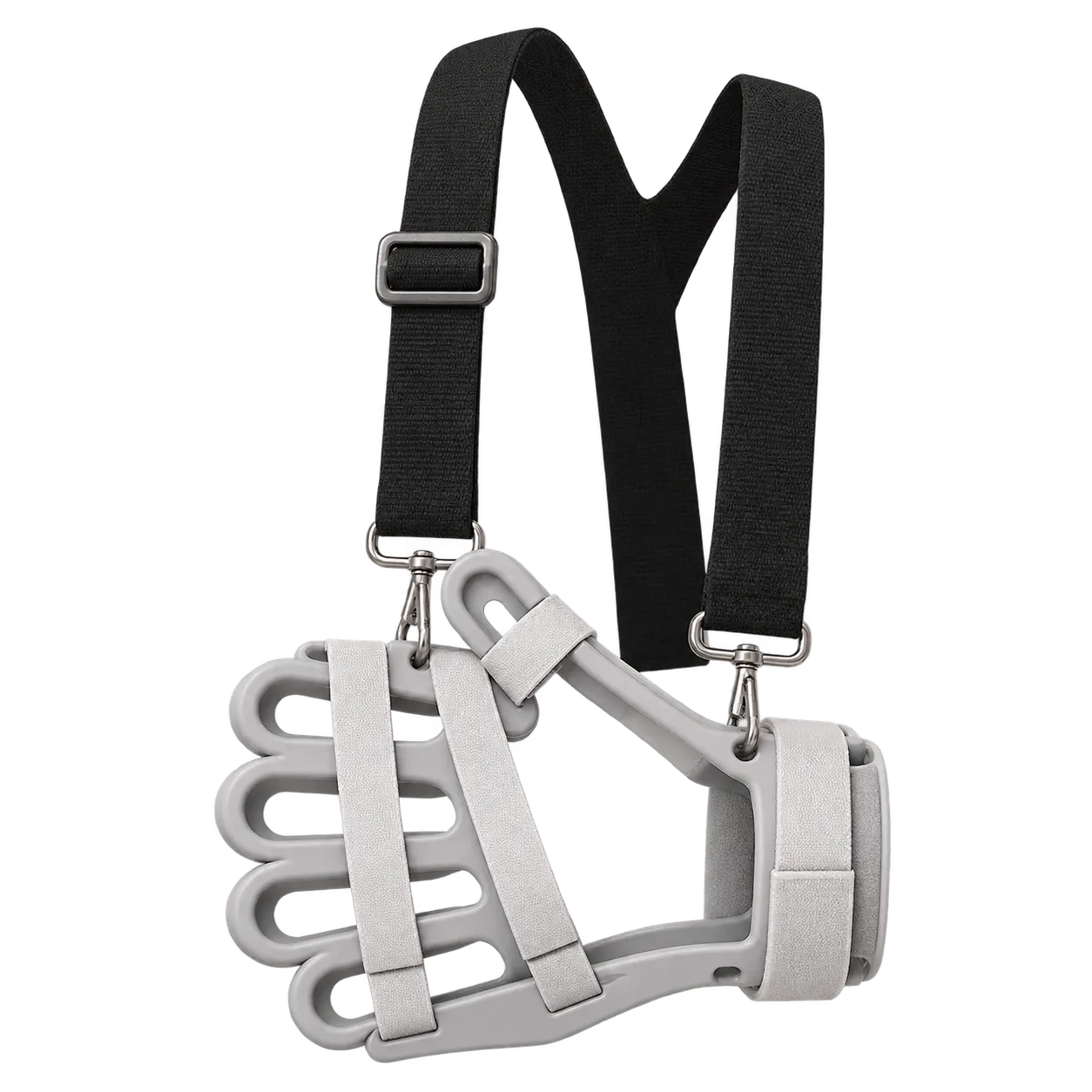
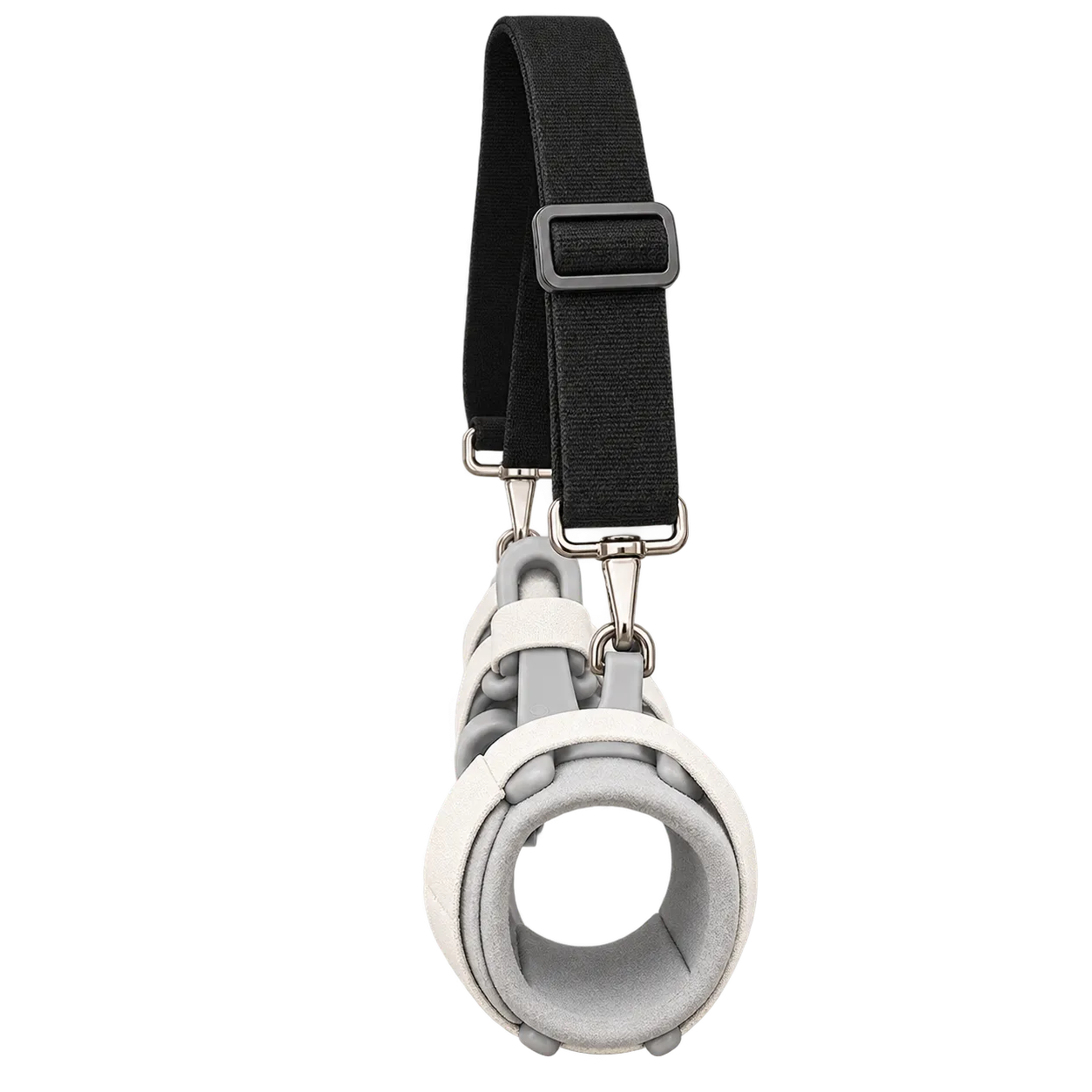
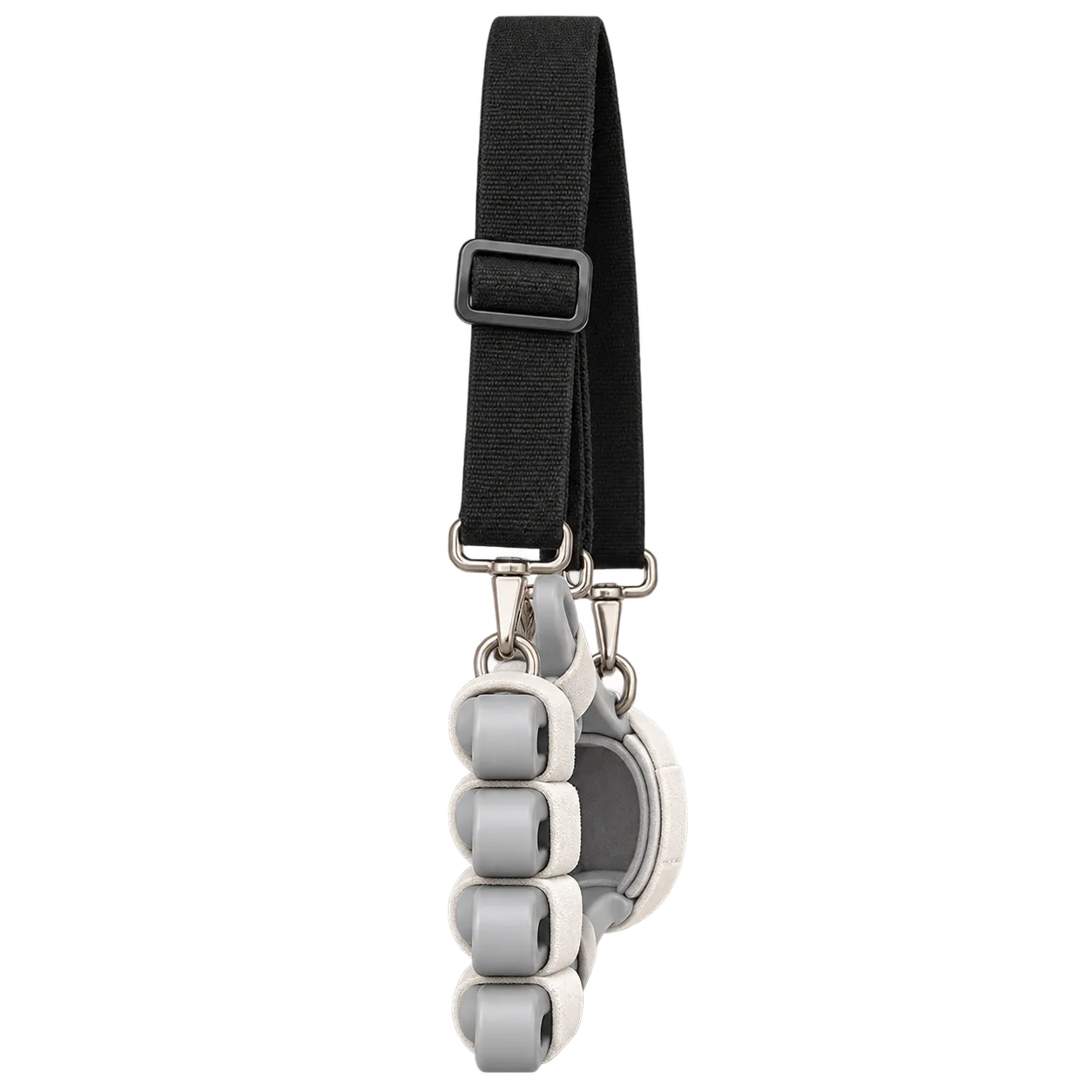
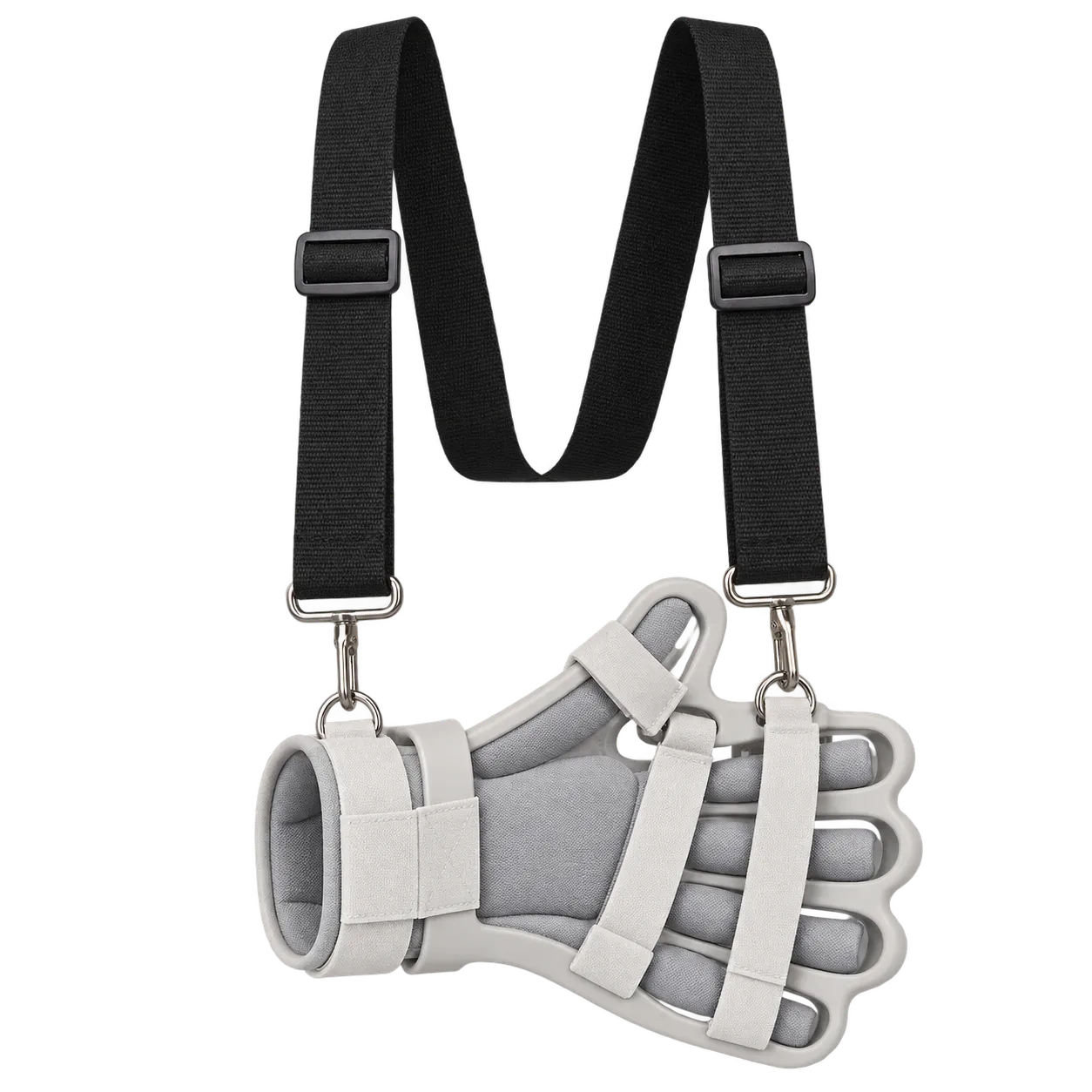
Hand therapy services and occupational therapists can use the BL-82016 when an individual assessment points to a positioning splint, for example, to keep the fingers apart and the palm open. In contrast, a stiff or deformed hand rests. Stroke and neurological rehabilitation units can hold it for patients whose therapist judges positioning helpful for comfort or hygiene, recognising that routine splinting to prevent contracture is not supported. Community therapy teams can issue it for home use with a written wearing plan, and post-surgical services can use it where the surgeon's protocol allows a prefabricated splint. Specialist spasticity services can consider it as part of a wider plan once they have assessed tone.
Fit decides suitability. A single size may not suit small, large, or swollen hands; fingers that cannot open comfortably into the separators; or high muscle tone, fragile skin, and reduced sensation all call for close checks. The 2007 stroke trial and the 2017 Cochrane review both argue for individual decisions rather than routine use. The Scottish stroke guideline of 2010 did not recommend splinting to improve arm function or reduce spasticity in the wrist and finger flexors. Every issue should include a review date, a named contact, and a written plan for wearing time, and staff should check that the fingers sit flat in the separators before the patient leaves.
Health service procurement, in NHS trusts and in public systems abroad, runs through procurement routes that ask for a device's conformity status and registration. The conformity documentation those procurement routes require is issued by the manufacturer and shared by the enquiry team.