
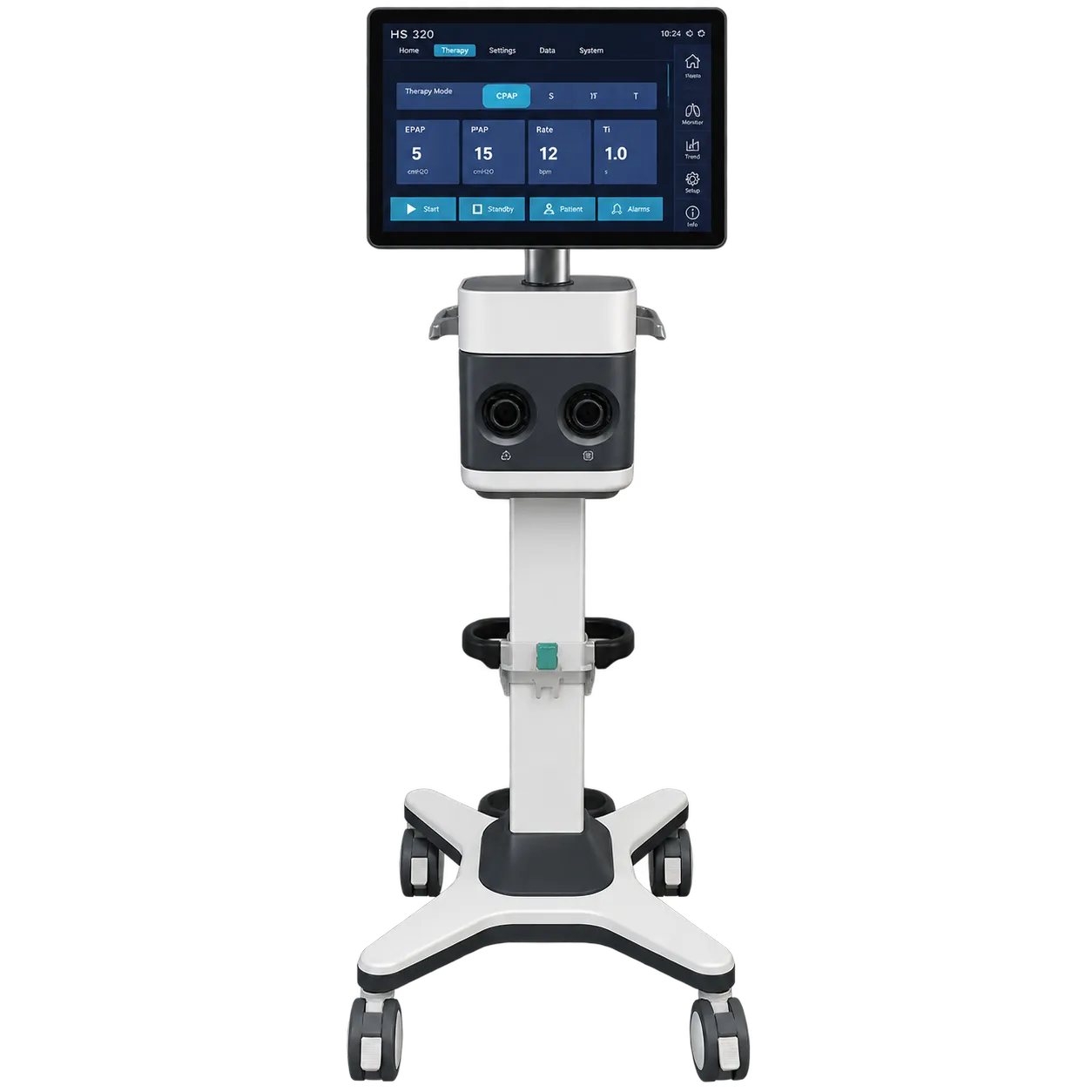
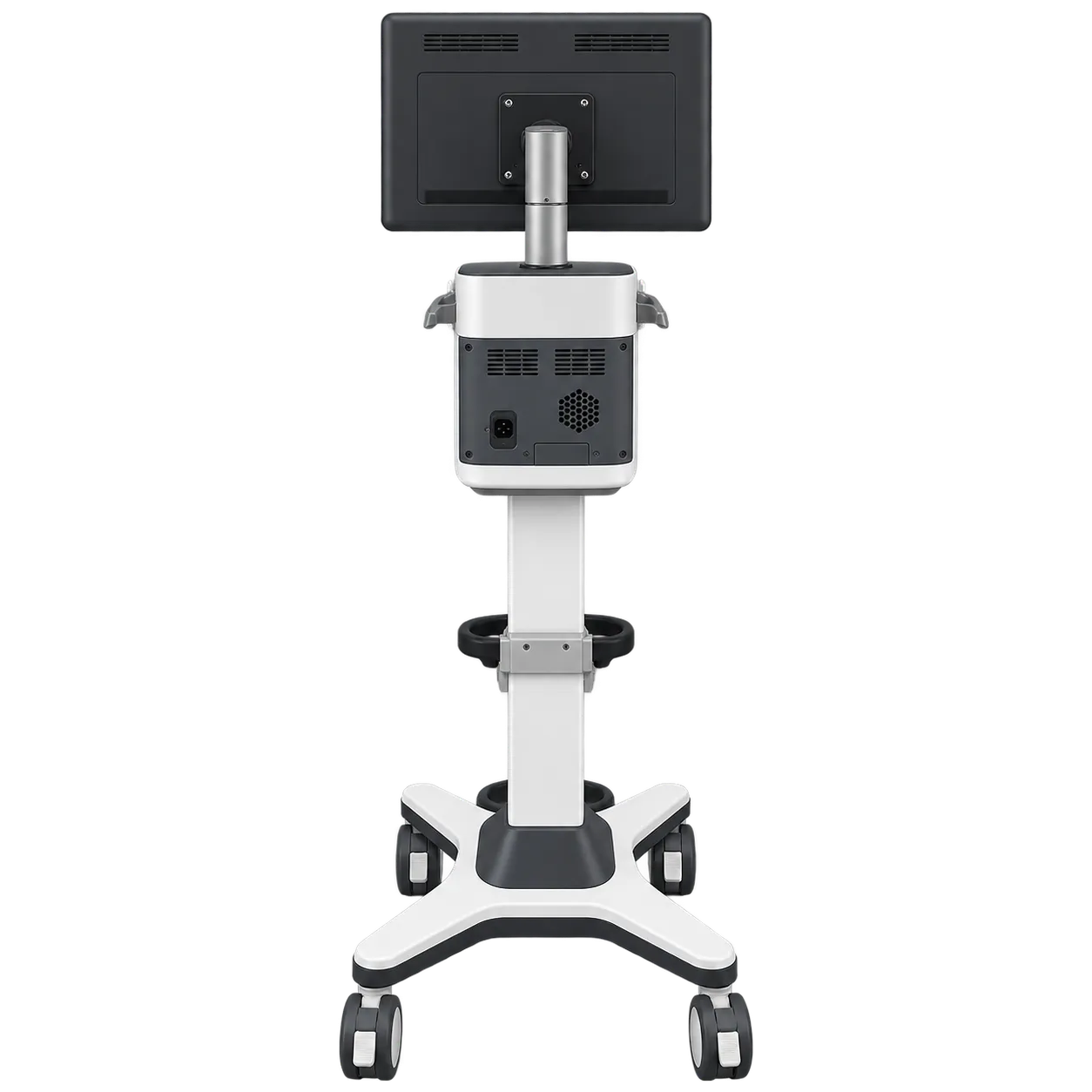
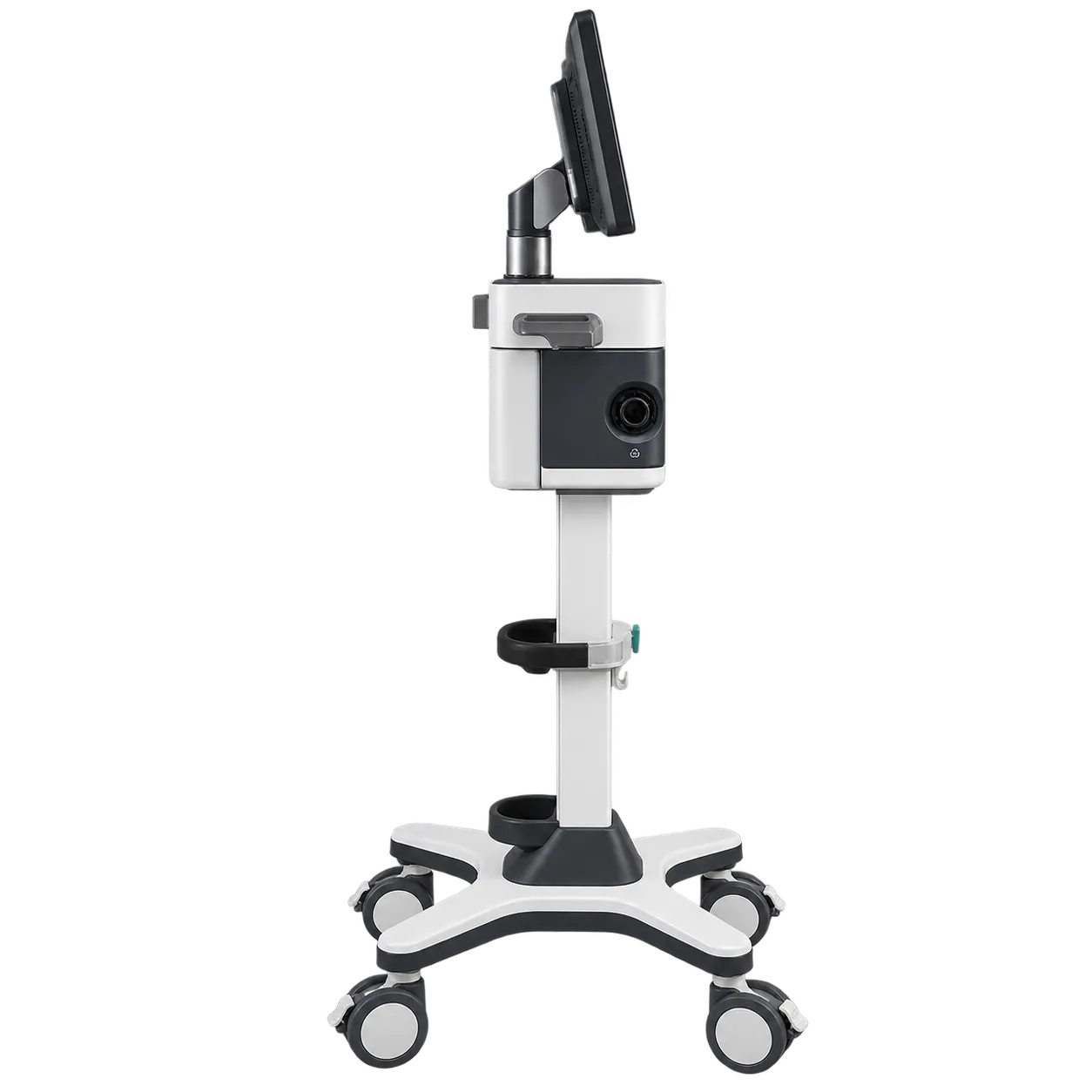
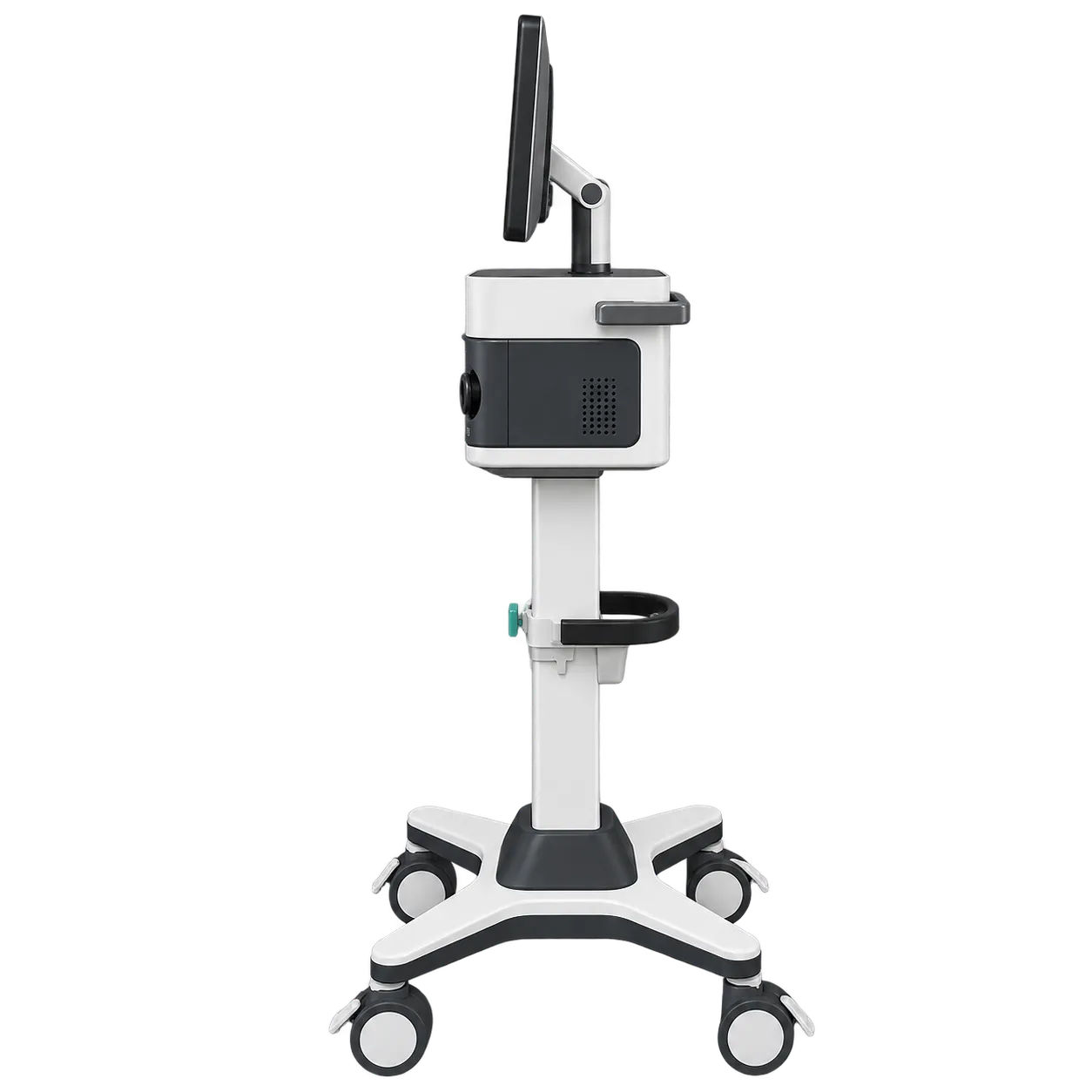
On a turbine-driven ventilator, the turbine is what makes the rest possible. A ventilator driven by compressed gas needs piped air or a compressor to work against, and a turbine-driven ventilator makes its own flow and generally responds faster to a patient's effort than a gas-driven machine can. Non-invasive ventilation depends on that responsiveness. A mask leaks, and the machine has to keep up with a patient breathing against it. Twelve invasive modes and six non-invasive ones follow from having a turbine, rather than being bolted onto a simpler machine.
Delivery from 2 ml is the other structural difference. A one-kilogram premature infant ventilated at five millilitres per kilogram needs five millilitres, and a machine floored at 50 cannot approach that. Combined with nasal CPAP, that places the ventilator inside a neonatal unit rather than merely claiming paediatric suitability, though how accurately 2 ml is delivered rests on compensation the sheet never quantifies.
What has not been published is where attention should go. A machine offering APRV plainly needs PEEP well above the 10 centimetres of water its siblings top out at, yet no PEEP range appears on this sheet at all. No oxygen concentration range appears either, where the HS-700B publishes 21 to 100 per cent. And no alarms are described anywhere, on a third Blackstone ventilator in succession, which by now looks like a pattern rather than an oversight.
Medigear.uk establishes the PEEP range, the oxygen range, and the alarm set before this turbine-driven ventilator reaches a unit.