
Atrial fibrillation ablation works by isolating the pulmonary veins, and pulsed field is the newest method. Instead of heating or freezing tissue, the generator sends short bursts of high-voltage electricity through the catheter electrodes. Those pulses open pores in the cell membranes until the cells die. Heart muscle gives way at lower field strengths than the gullet or the phrenic nerve. Nearby structures are therefore largely spared.
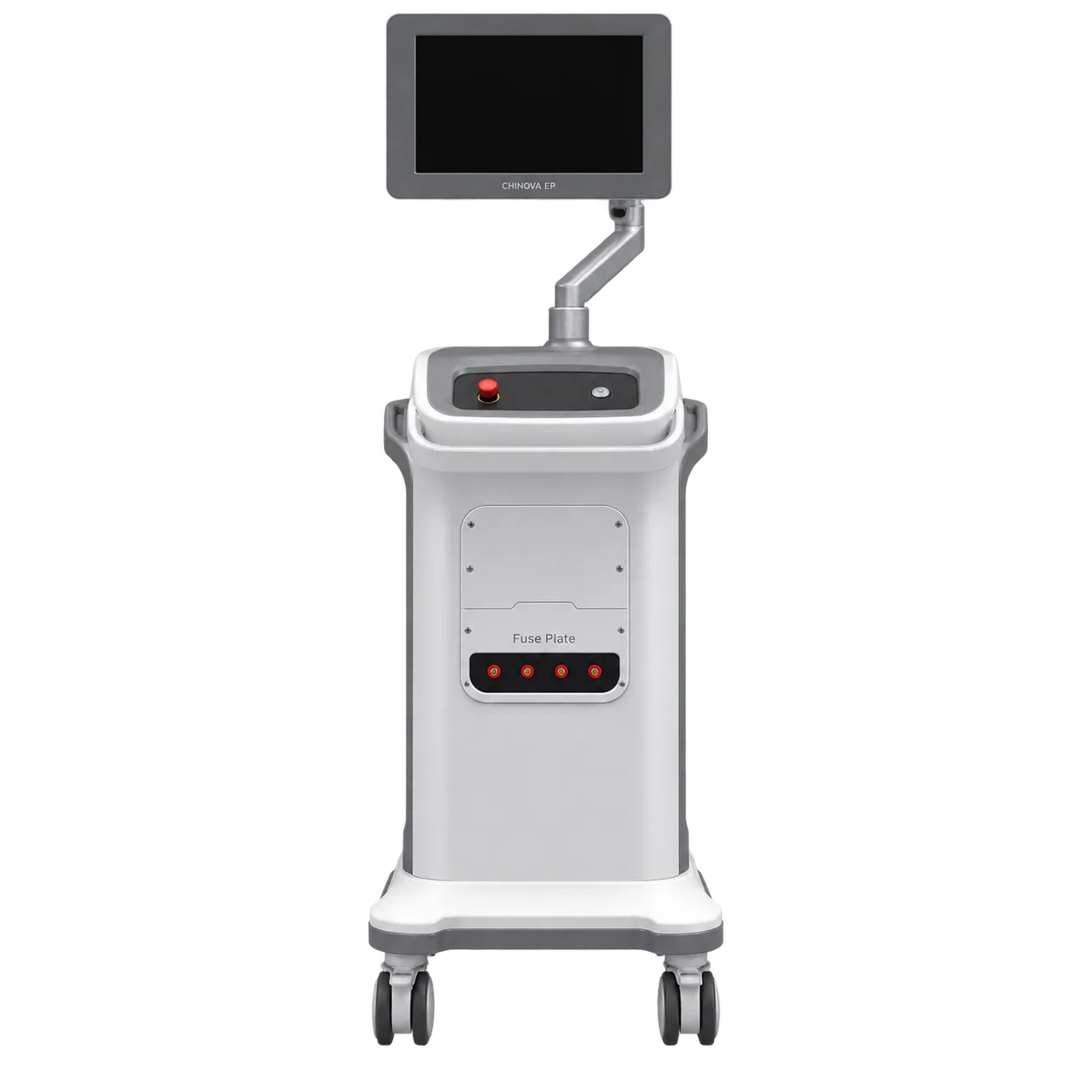
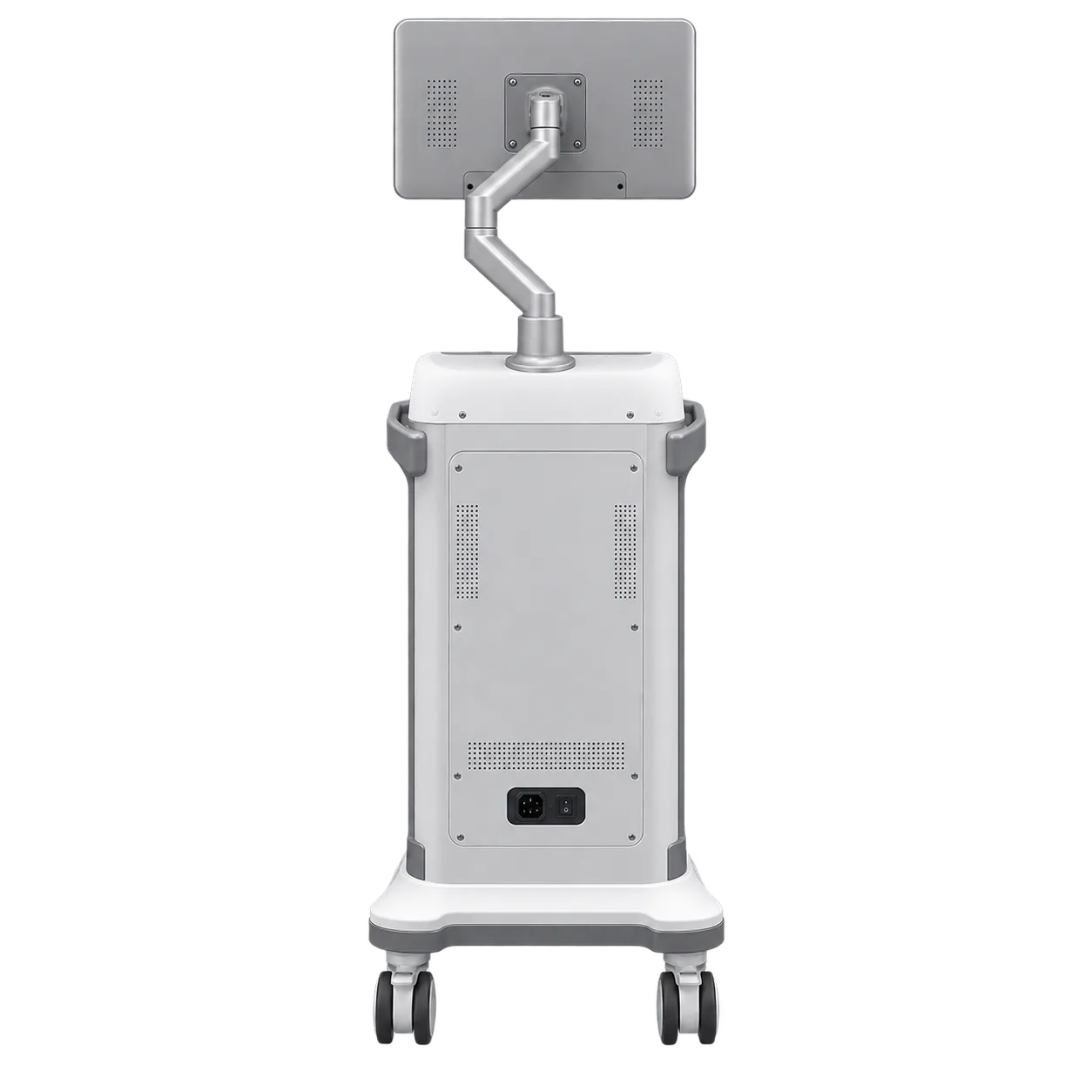
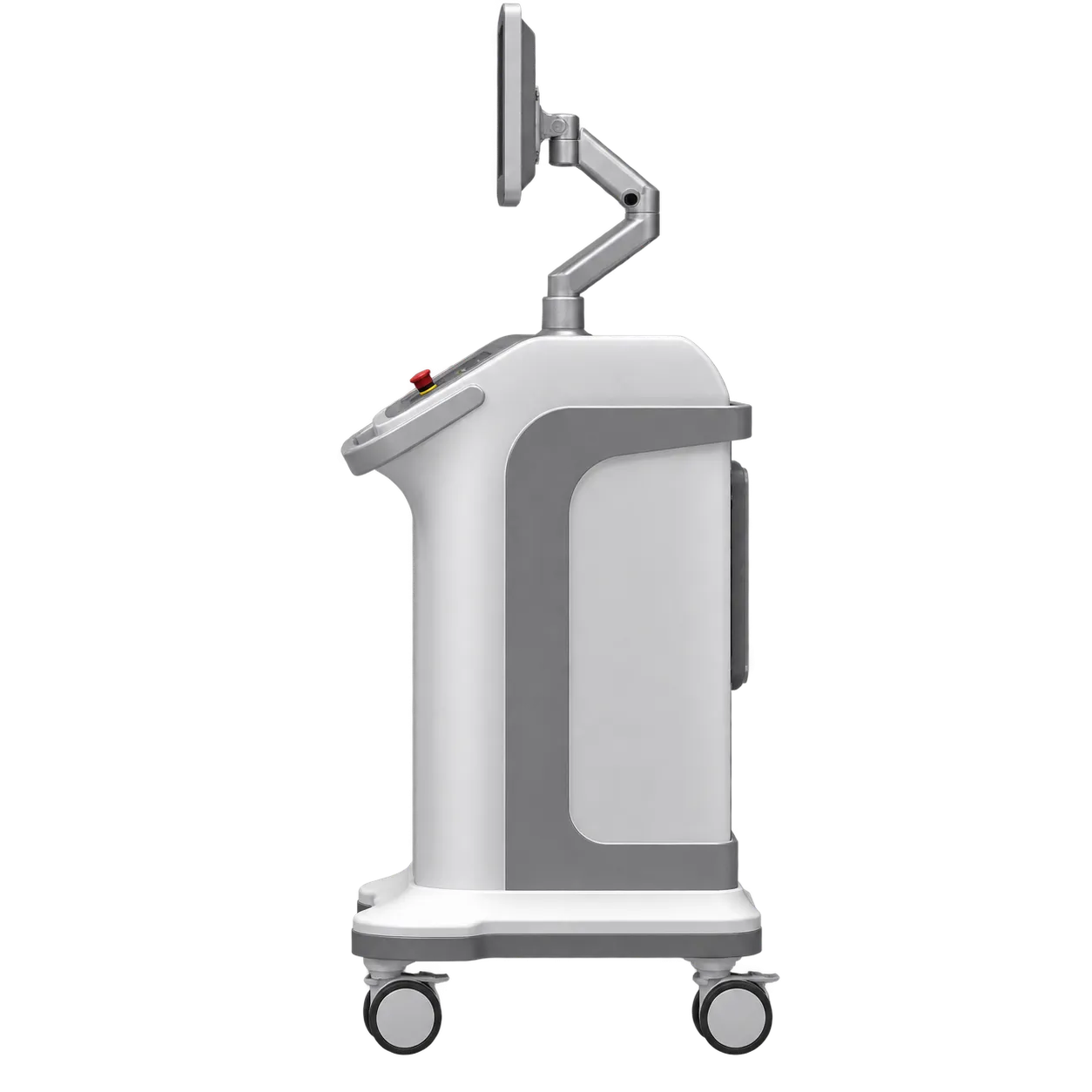
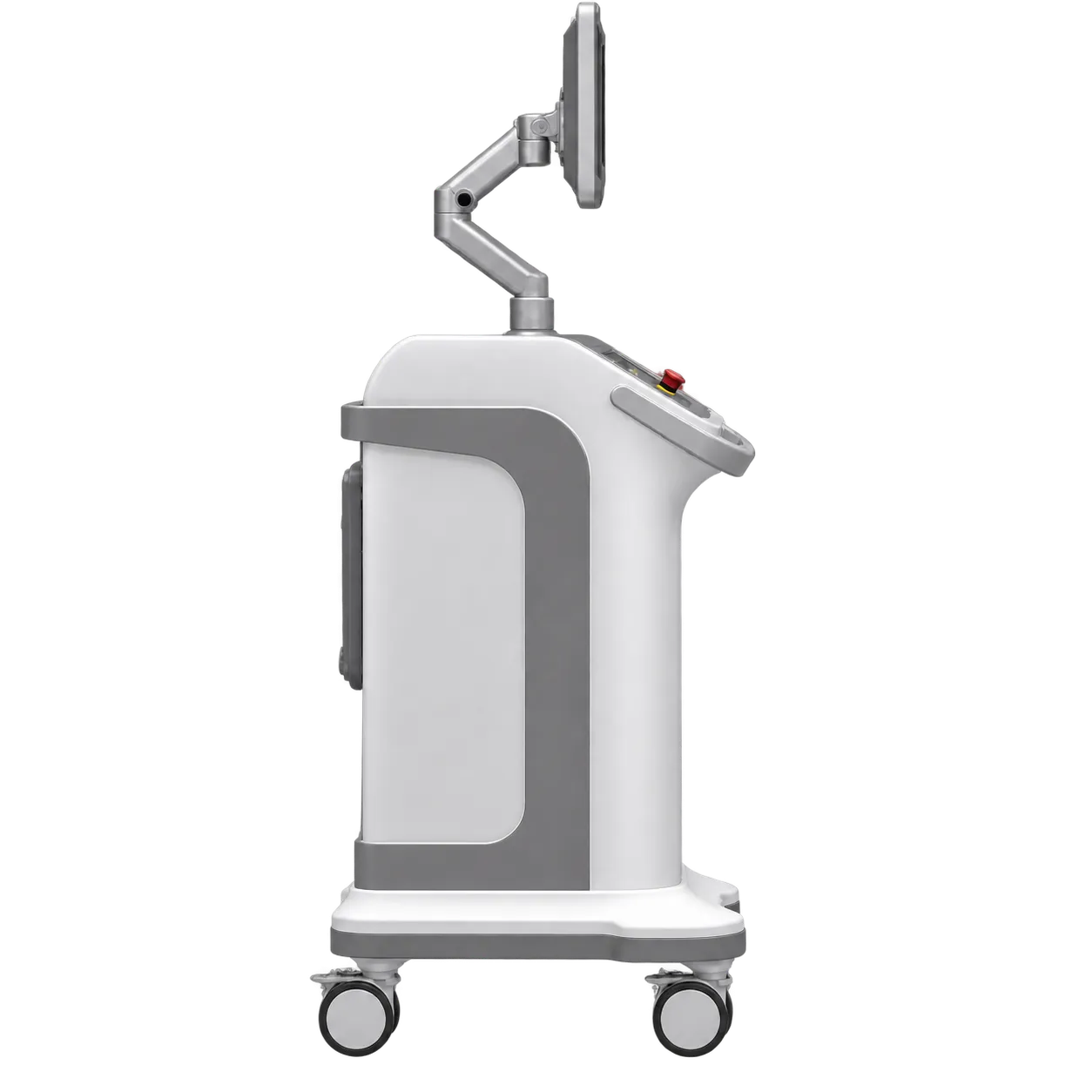
The generator determines most of what happens. Voltage, pulse width, pulse count and spacing all shape the lesion. Those settings live in the generator, not the catheter. This is why the two are designed as a pair. It is also why a catheter cannot simply be plugged into another maker's unit. It is also why the output specification matters as much as the catheter dimensions.
Two of the stated features address safety directly. Biphasic pulses are much less likely to trigger arrhythmia than single-phase ones. They also provoke far less muscle twitching. That changes the anaesthetic requirement for the whole procedure. Overcurrent protection limits what a single pulse can deliver if something goes wrong. Impedance monitoring serves a different purpose. It gives feedback on electrode contact. Current only flows properly where an electrode meets tissue. A laboratory adopting this system would also need the matched catheter and a steerable sheath. It would need clarity on how delivery is timed within the heartbeat. Training and commissioning would follow.
Medigear.uk will provide the instructions for use once the full system documentation is available.