
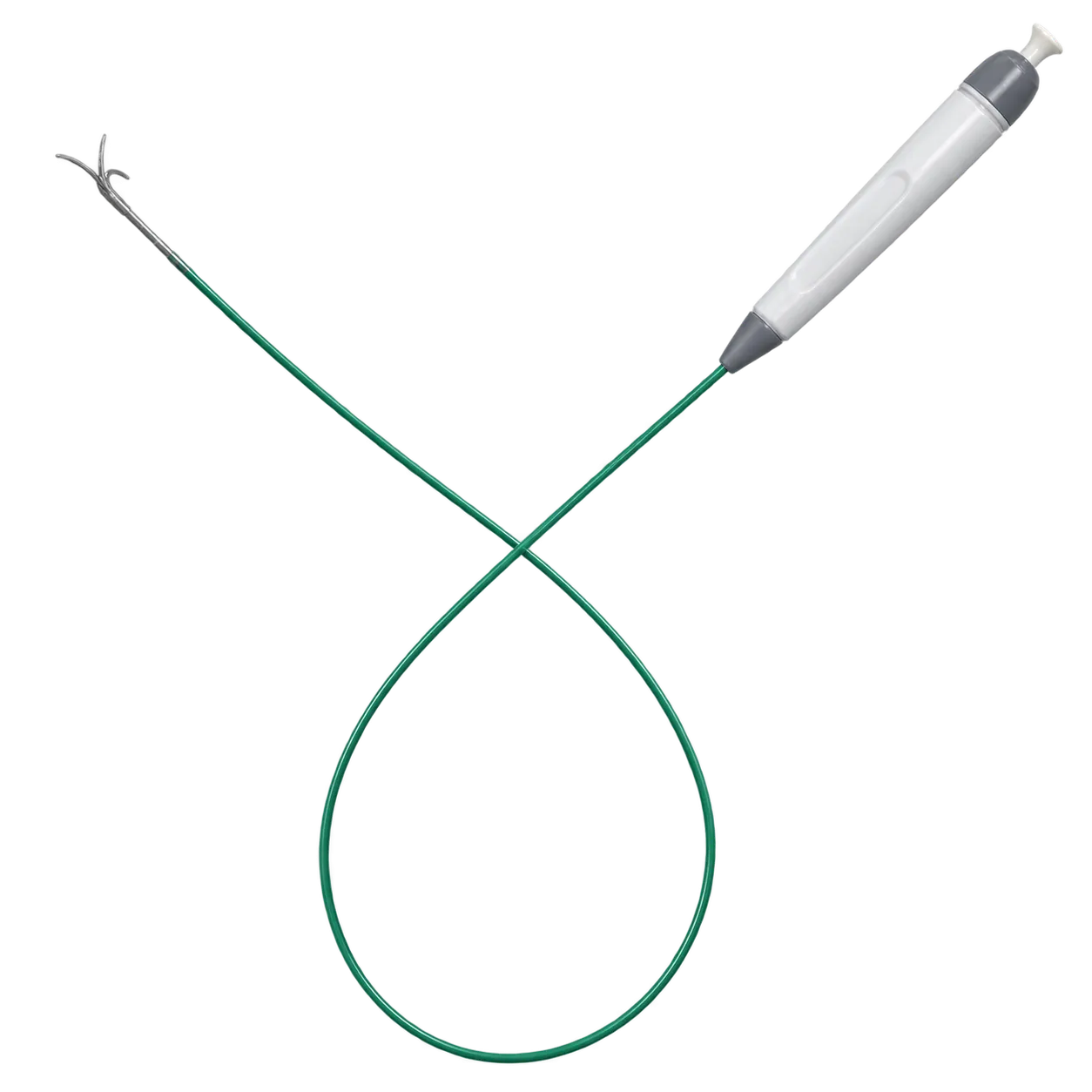
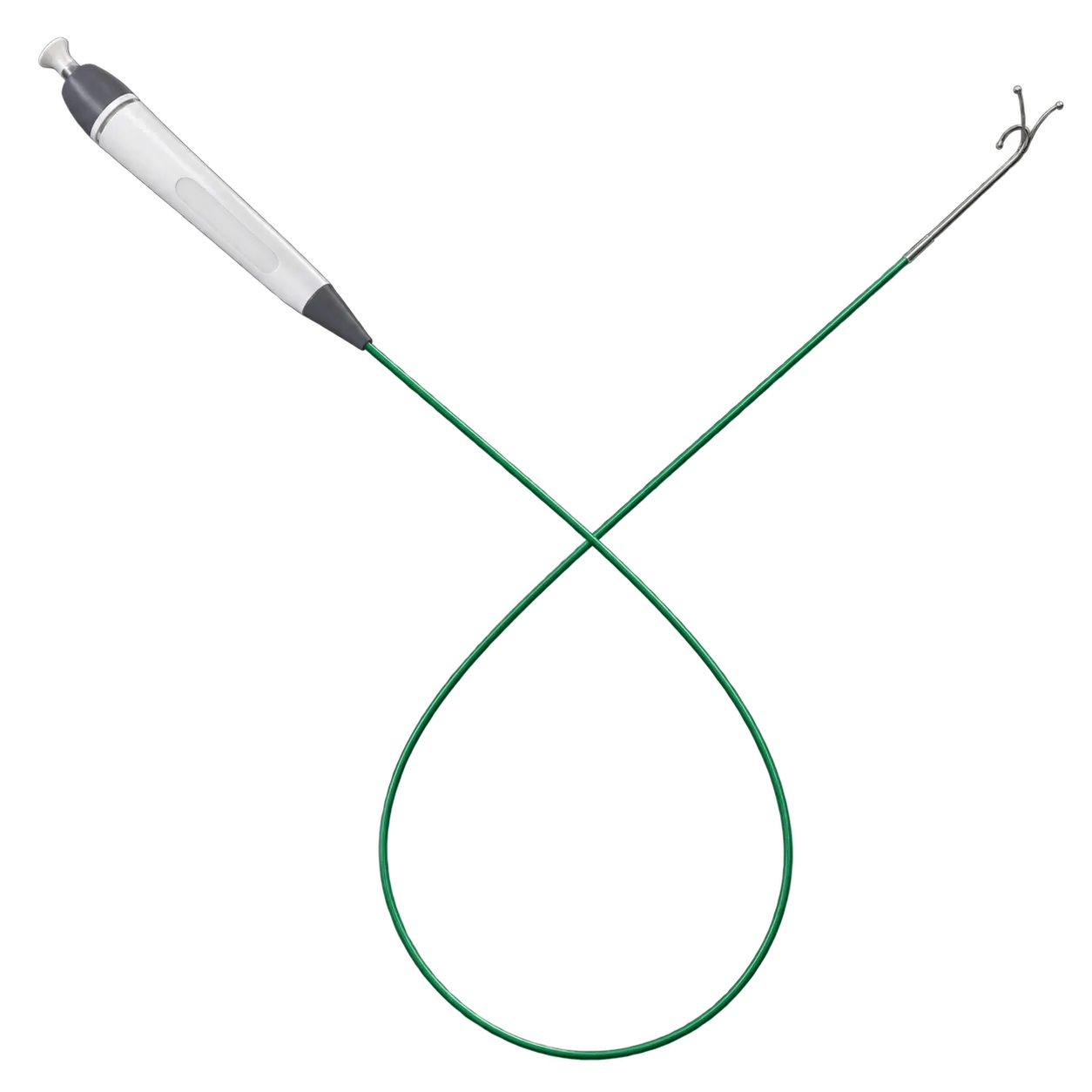
Getting a catheter into a specific branch is often the hardest part of an interventional procedure. Branches leave the aorta and its tributaries at angles that vary widely between patients. Disease changes those angles further. The conventional answer is a shelf of preformed catheters, each curved for a particular take-off. The operator works through them until one seats.
That approach costs time and contrast. Every exchange means withdrawing one catheter over a wire, advancing another, and confirming position again. In a difficult case, several exchanges may be needed before entering a vessel. Each pass carries a small risk of dislodging the wire or injuring the vessel.
A steerable catheter reduces that. The operator adjusts the curve against the anatomy actually present rather than choosing from fixed options, and can change it mid-procedure if the first attempt fails. That is most valuable where the target is unusual. It helps when previous surgery has altered the anatomy, or when disease has narrowed a branch. Combining selection with angiography adds to the savings, since the vessel is imaged through the catheter that found it. By contrast, a steerable shaft must accommodate its control mechanism, which affects wall thickness and how the catheter tracks. The practical question for any such device is how far the tip actually bends, and how tight the resulting curve is. Those figures decide whether it reaches what a shaped catheter would.
Wall thickness is the other consideration, since the control mechanism occupies space the working lumen would otherwise have. Medigear.uk supplies the instructions for use with every order.