
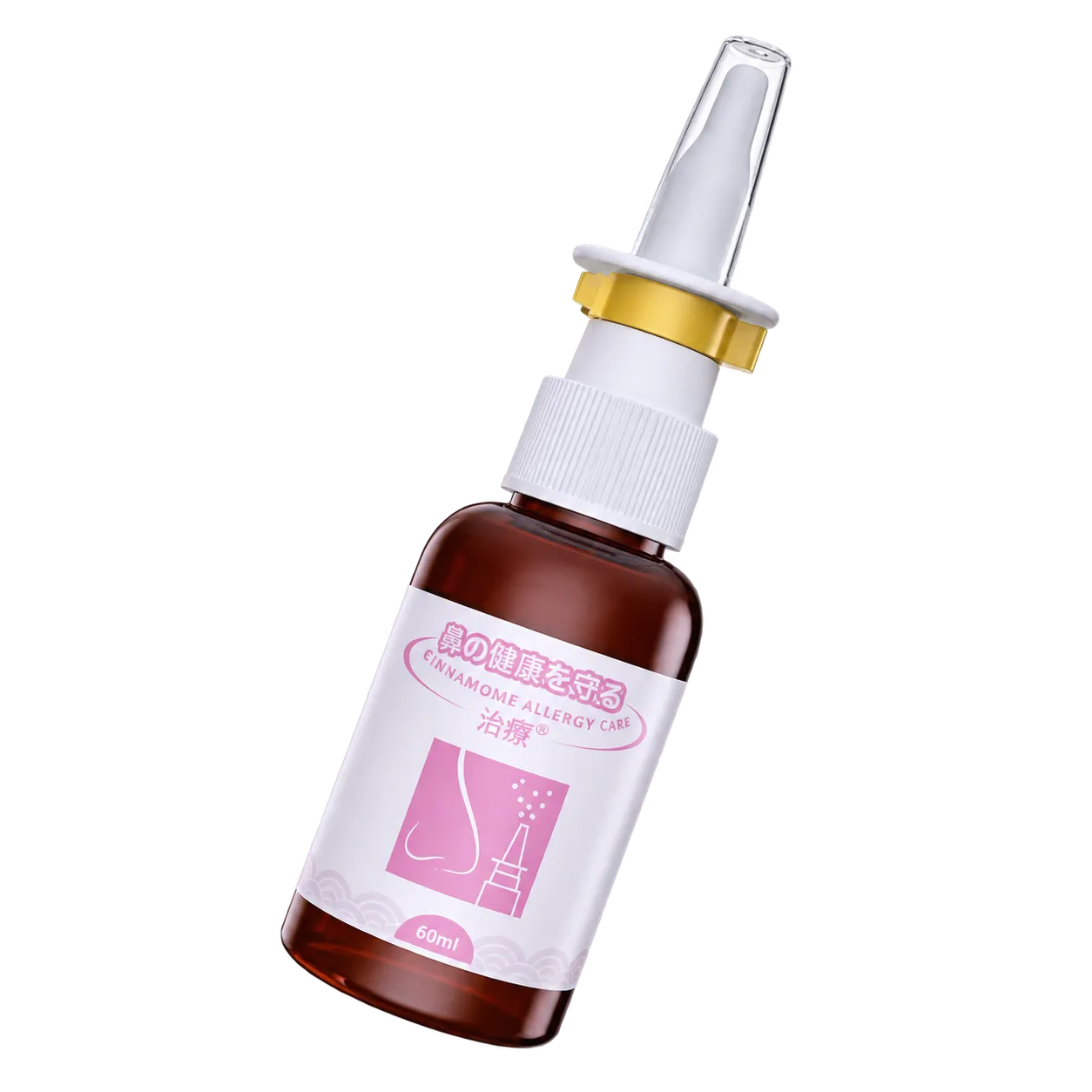
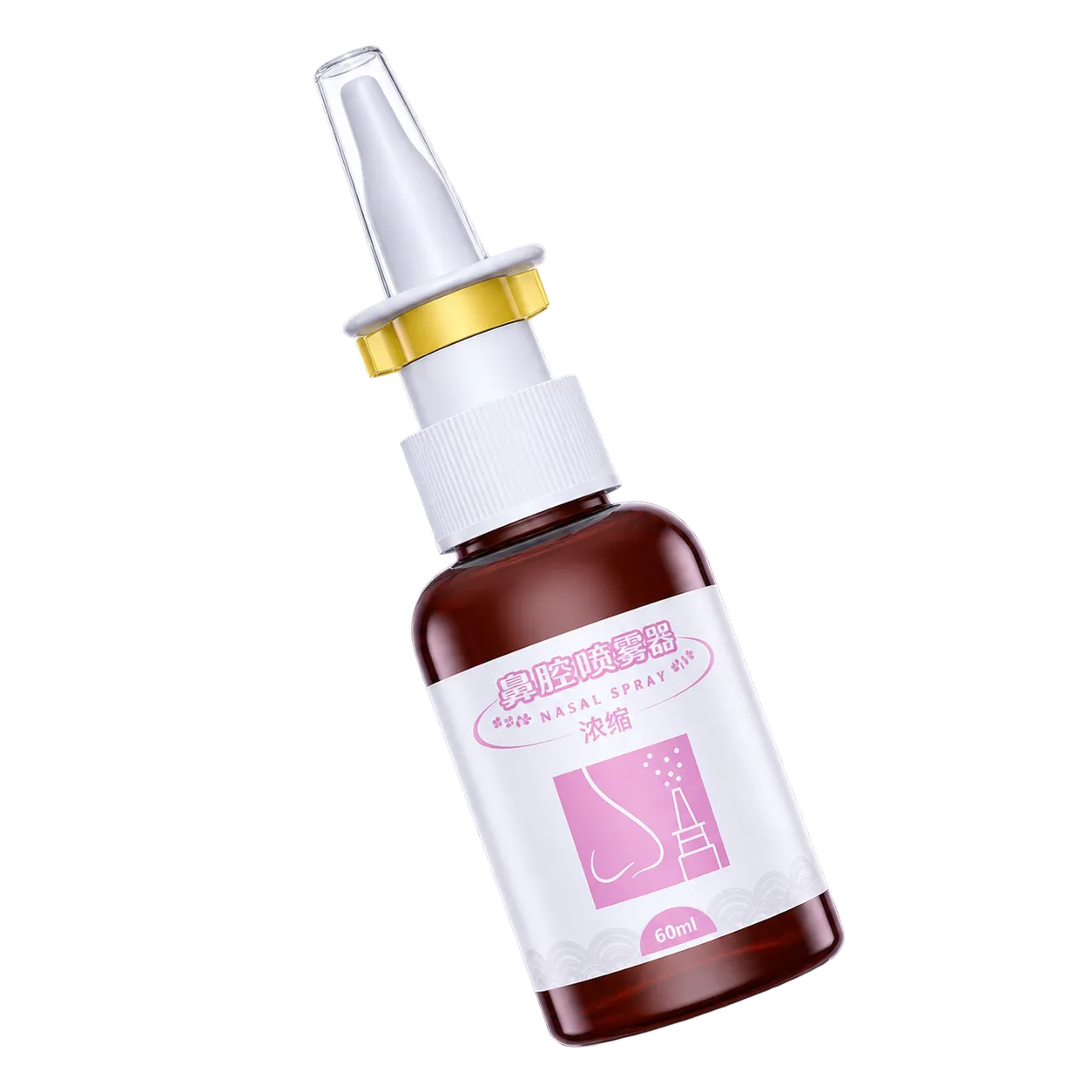
Seasonal allergic rhinitis is the obvious setting. Pollen counts rise, symptoms follow, and much of the usual response is reactive: an antihistamine once the sneezing starts, a steroid spray once the lining is already inflamed. A barrier product works the other way round, applied before exposure so less allergen reaches the mucosa. That suits patients who know when their exposure happens, such as a commute, an outdoor work shift, or a weekend in the country.
Perennial exposure follows the same logic on a longer timescale. House dust mite, pet dander and mould are present year-round rather than seasonally, and the barrier approach is applied through the day rather than in a season. Occupational exposure to flour, animal handling or laboratory work fits the pattern too, and the Anti-Nasal Allergic Gel is ordered in the larger sizes for that kind of daily use. Because the mechanism is physical rather than systemic, a barrier is generally used alongside prescribed therapy rather than in place of it. The prescriber, not the product literature, decides symptom control and regimen.
Two things limit how firmly this product can be positioned. A film has to be reapplied to keep working, and INT Medical states no duration or frequency, so the practical burden of use is unknown. Nor is the composition provided, which matters for a product applied to inflamed tissue and for anyone screening ingredients against a known sensitivity.
Medigear.uk obtains the instructions for use, the ingredient list and the manufacturer's dosing guidance before this product reaches a clinical setting.