
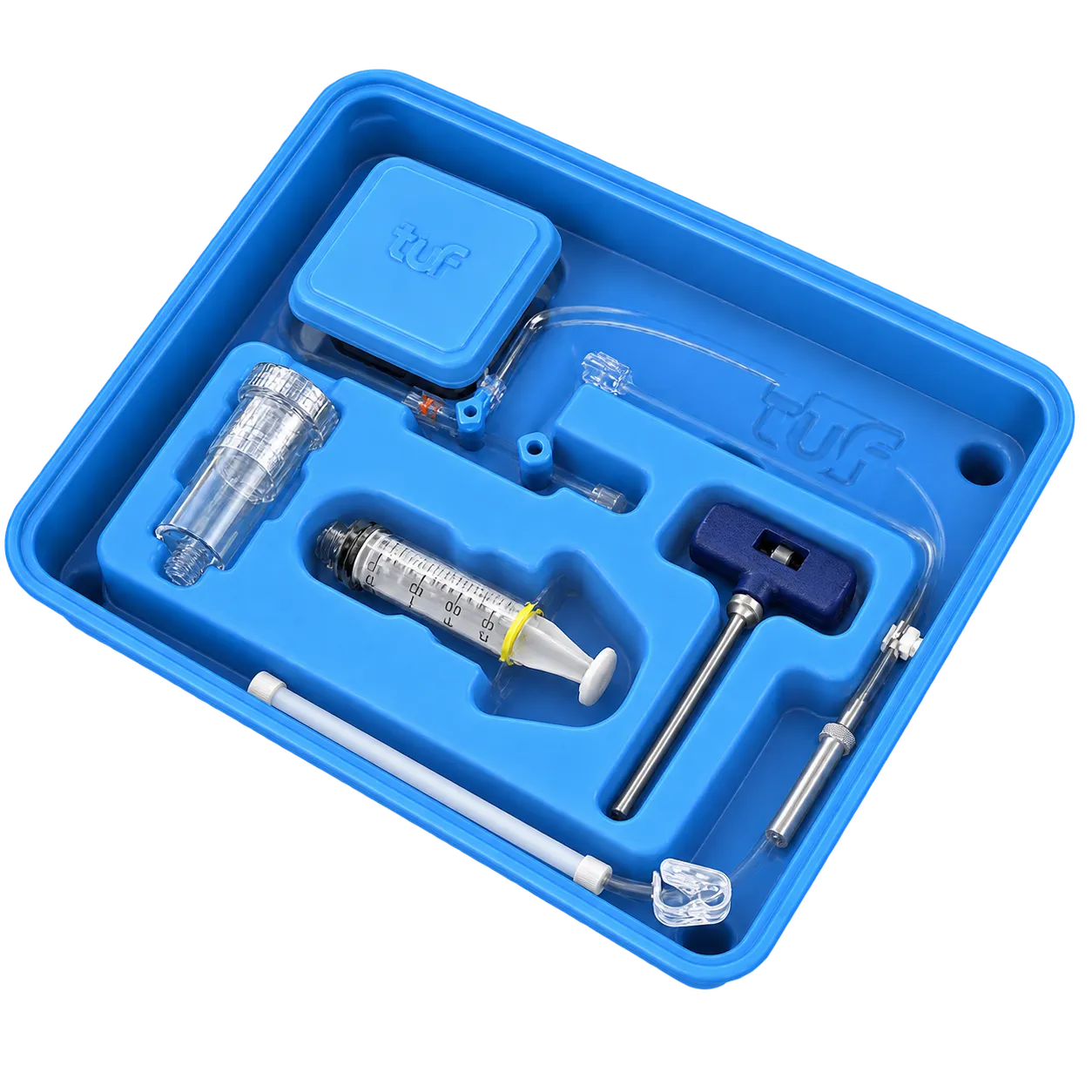
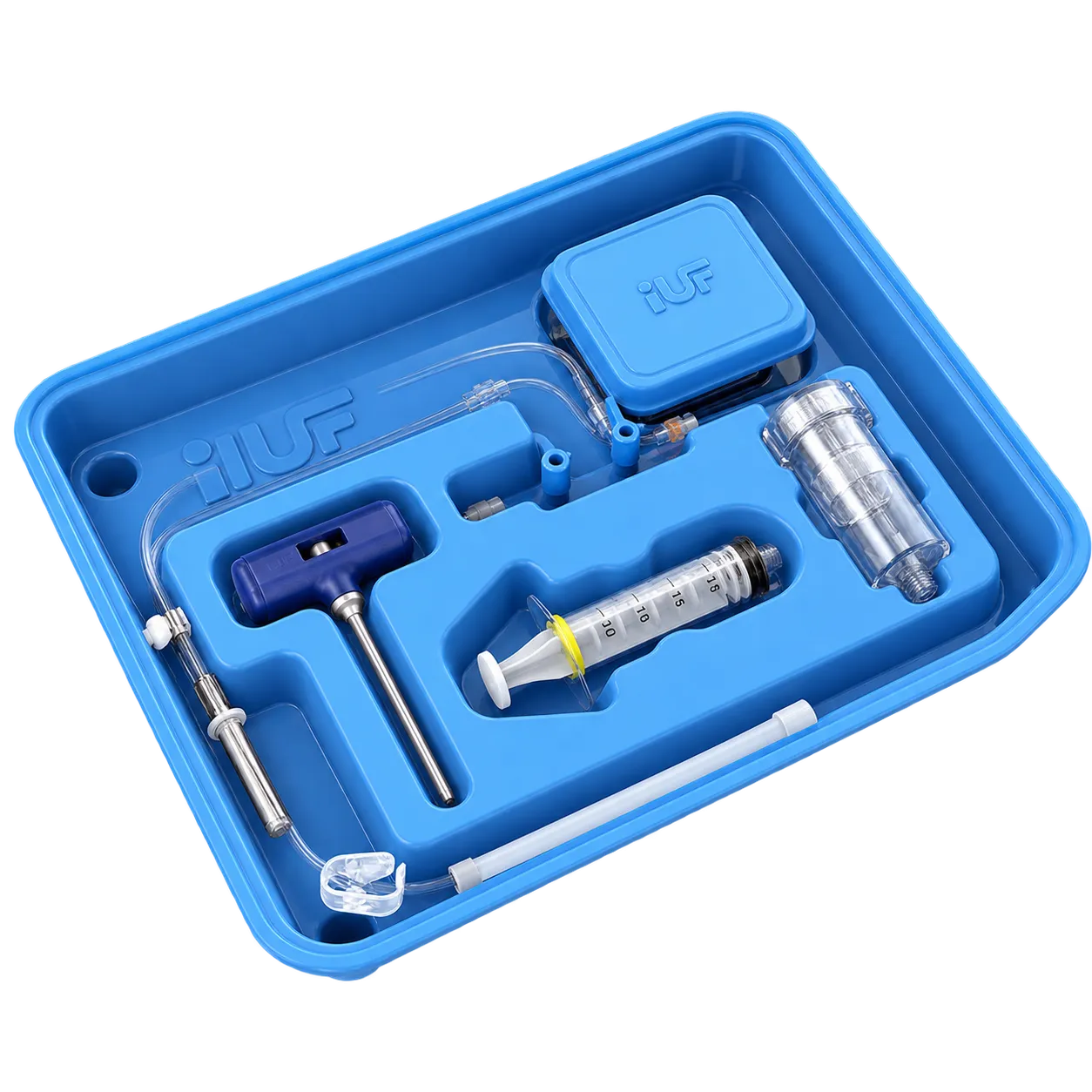
Bone marrow contains a small population of cells capable of forming bone, cartilage and other connective tissues. Those cells can be harvested, concentrated and returned to a site of injury. That is the basis of a growing set of regenerative treatments. Bone healing, cartilage repair and joint disease are the usual targets. Collection is the first step, and it sets a ceiling on everything that follows.
Two things determine the quality of what is collected. The first is dilution. Marrow sits in a vascular space. Drawing on it pulls blood in alongside the cells of interest. The longer a single continuous draw runs, the more of that blood arrives. Studies comparing syringe sizes have found progenitor concentrations several times higher from small syringes than from large ones. The difference appears within the first few millilitres. A range spanning 10 mL to 50 mL therefore gives the operator a choice—small pulls where concentration matters, larger ones where total volume does.
The second is contamination. Marrow taken for laboratory examination can tolerate an open transfer, because nothing is going back into the patient. Marrow taken for reinjection cannot. Every point where the sample meets open air is a chance for organisms to enter. The consequence is not a spoiled test but an infected joint. A closed circuit removes those points. One further consideration sits outside the equipment entirely. In the United Kingdom, procuring human cells for use in patients is a licensed activity. Processing them may bring further requirements.
Medigear.uk will supply the instructions for use once the documentation is complete.