
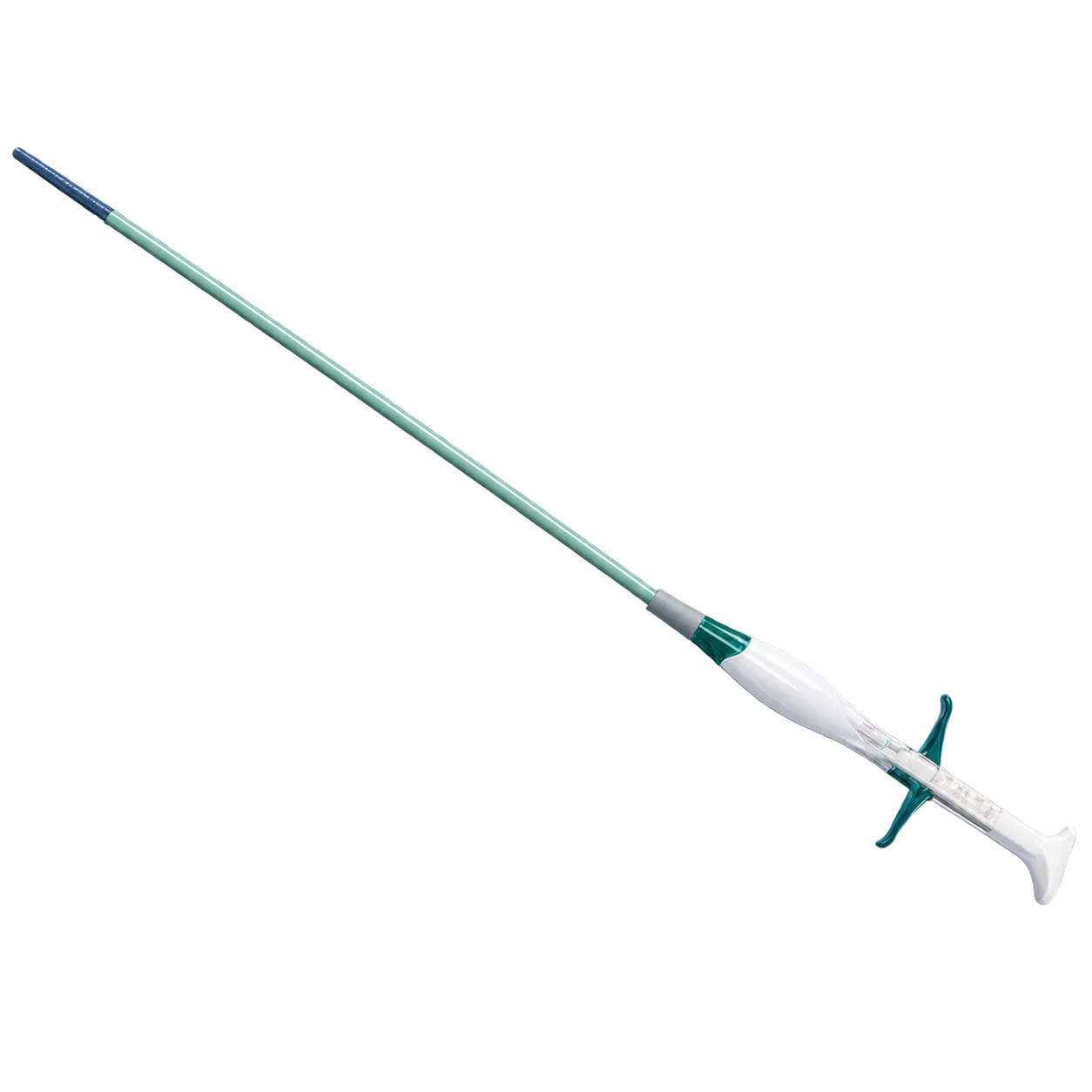
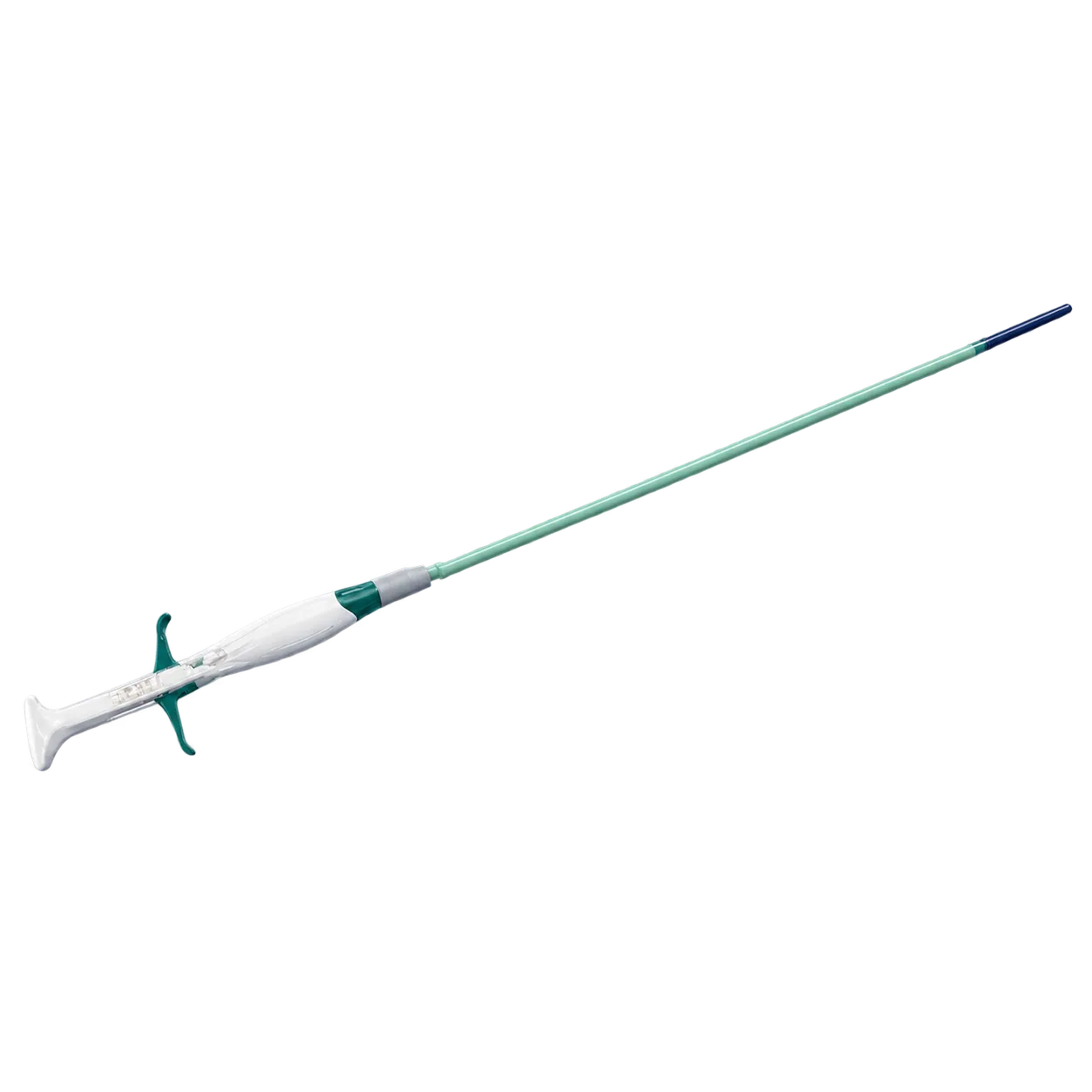
Cardiac leads are removed for two main reasons. Infection of an implanted device system requires removing the whole system because antibiotics alone will not clear it. Lead malfunction is the other, when a fractured or failing lead must be replaced. In both cases, the lead has usually been in place for years.
That dwell time is the problem. The body responds to a foreign body in a vein by encasing it, and over time that fibrous sheath thickens and calcifies. The lead becomes bound to the vein wall, to other leads, and often to the heart itself. Gentle traction alone will not free it, and pulling harder risks tearing what the lead is stuck to. An extraction sheath cuts those binding sites so the lead separates cleanly.
Extraction is among the higher-risk elective procedures in cardiology. Tearing of the superior vena cava is the complication most feared, and while uncommon, it can be immediately life-threatening. Centres performing this work do so with cardiothoracic surgical cover available. Rescue equipment for managing a vessel tear is kept immediately to hand. Rotational mechanical sheaths are used where fibrosis is heavily calcified, since simpler telescoping sheaths break their tips against hard tissue. The rotating tip dissects rather than pushes, allowing it to pass through tissue that would break a plain sheath. This is specialist equipment for a specialist service, and any device entering it needs its own evidence rather than the category's.
Medigear.uk will supply the instructions for use once the documentation is complete.