
Carpal tunnel syndrome is the commonest nerve compression in the body. The median nerve runs through a tunnel at the wrist, roofed by the transverse carpal ligament, alongside the flexor tendons. When pressure in that space rises, the nerve suffers, producing numbness, tingling and eventually weakness in the hand. Where splints and injections fail, the ligament is divided so the tunnel can expand.
Open release does this through an incision in the palm and is reliable, but the scar sits where the hand bears weight and recovery can be slow. Endoscopic release divides the same ligament through much smaller portals, with the surgeon watching from inside the tunnel. The trade-off is visibility. Only part of the procedure is done under direct vision, and structures at risk sit close by, including the median nerve itself, its motor branch and the ulnar neurovascular bundle.
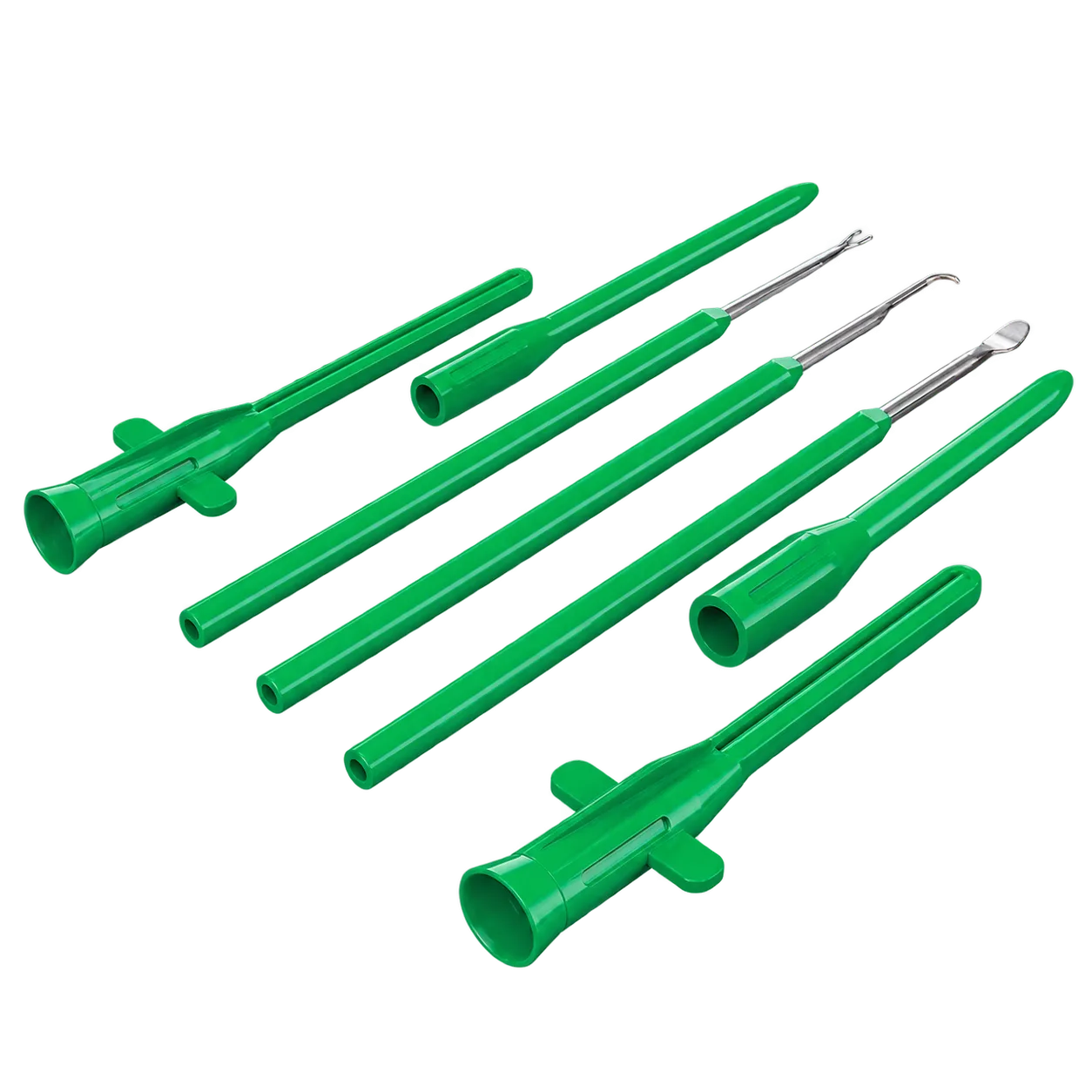
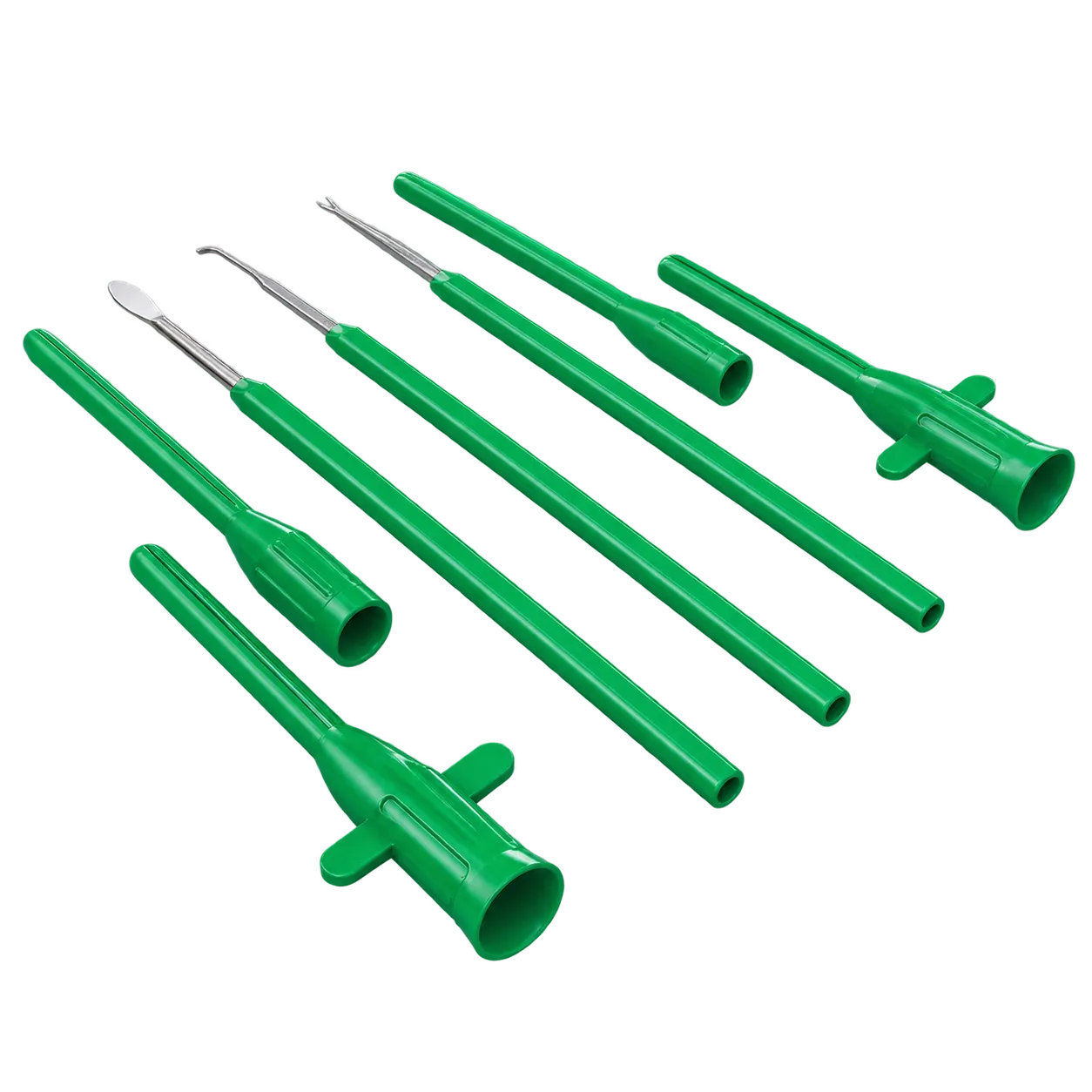
That is why the instrument sequence matters. Dilators are passed in increasing size so the tunnel opens gradually rather than being forced. The slotted cannula is the safety element, because it holds surrounding tissue away from the blade and limits where that blade can travel. The dissector clears the undersurface so the ligament can actually be seen before anything is cut. Only then does cutting begin, first with a probe knife to establish the edge and make an initial opening, then with a hook knife drawn backwards through the ligament. Working backwards rather than forwards keeps the cutting edge pointed away from what lies ahead.
Medigear.uk supplies the instructions for use with every order.