
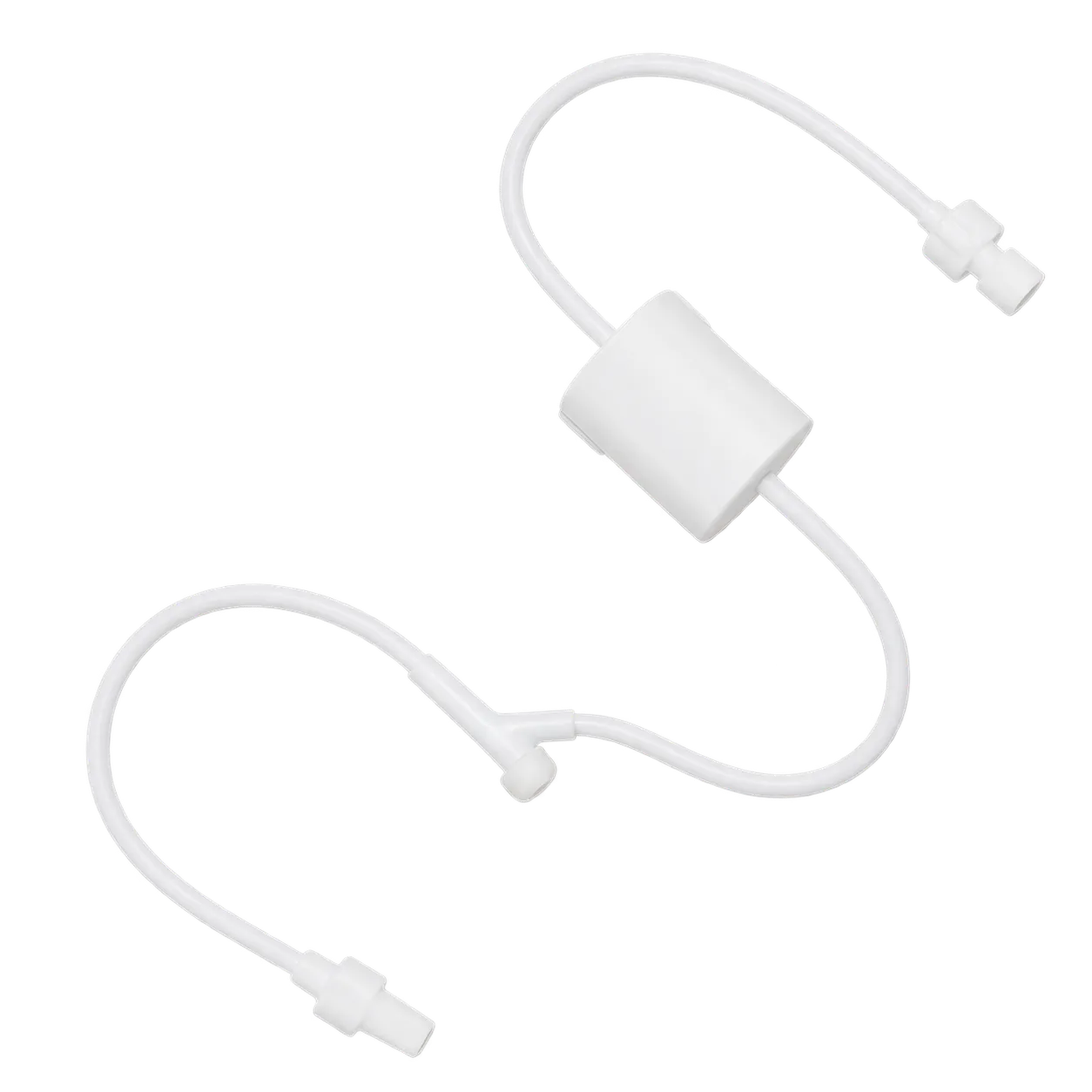
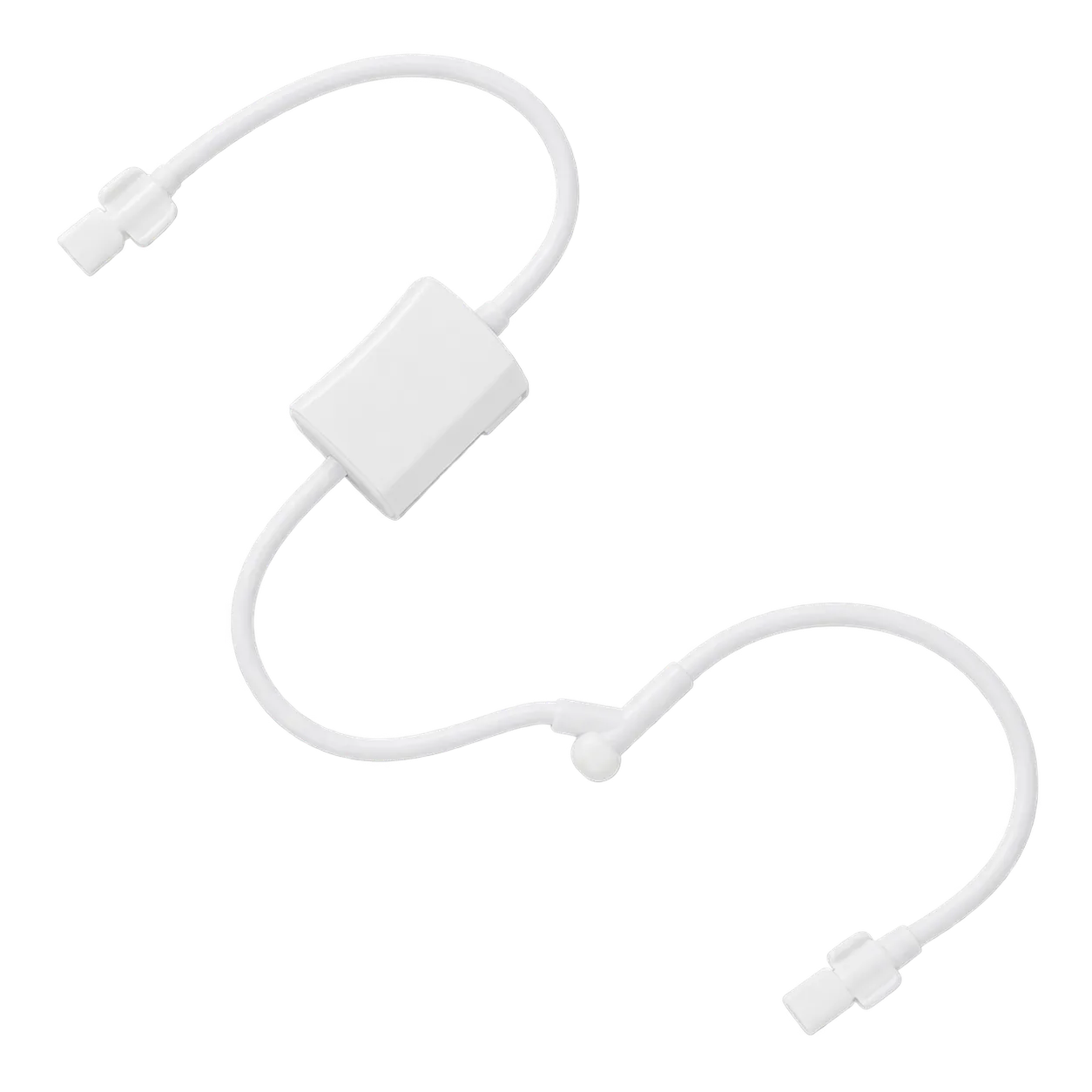
Not every infusion needs a pump. Maintenance fluids, many antibiotics and much routine ward therapy run perfectly well under gravity. Pumps are finite, expensive, and need their own consumables. What gravity lacks is control. A roller clamp is set by squeezing a length of tubing until the drips look about right.
A flow regulator supplies that control. The dial is marked in millilitres per hour. The operator selects a number rather than judging a rate. That makes the setting reproducible between staff, and quicker to establish. On a ward running many gravity lines, that is a meaningful saving in both time and variability. It also gives the next member of staff something they can check rather than re-establish from scratch.
What it cannot do is guarantee the rate. Gravity flow depends on two things. The pressure driving it, which is the height of fluid above the regulator. And the resistance downstream, which is the tubing and the cannula. A regulator is calibrated against one assumed head height, and INT names 80 cm. Change that height, change the fluid, or fit a narrower cannula, and the delivered rate moves away from the dial. That is why INT ends its sequence by asking the user to count drops and confirm. It is also why a regulator suits therapy with a tolerance and does not suit anything requiring precision.
Drugs with a narrow therapeutic margin belong on a pump, where delivery is measured rather than estimated. Medigear.uk supplies the instructions for use with every order.