
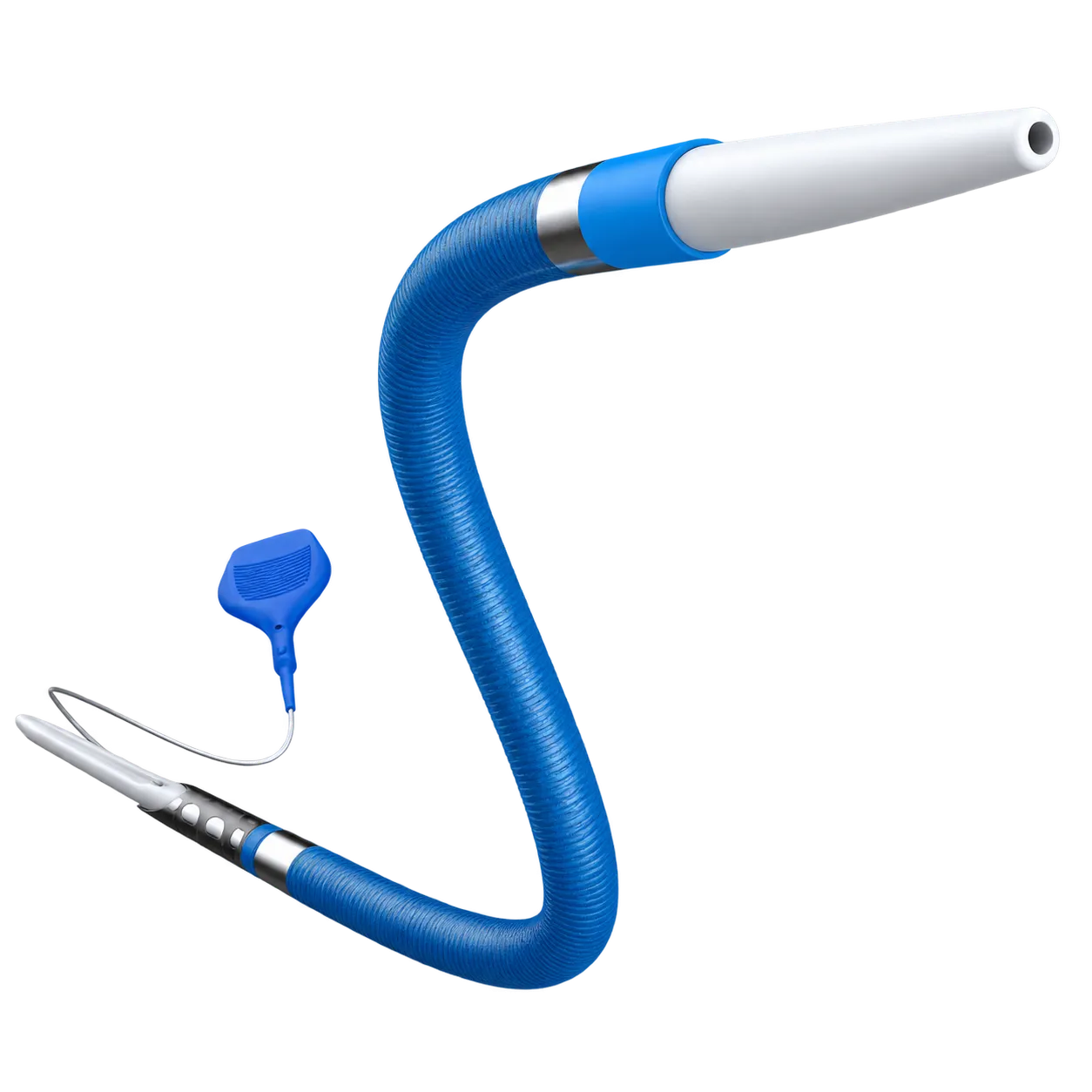
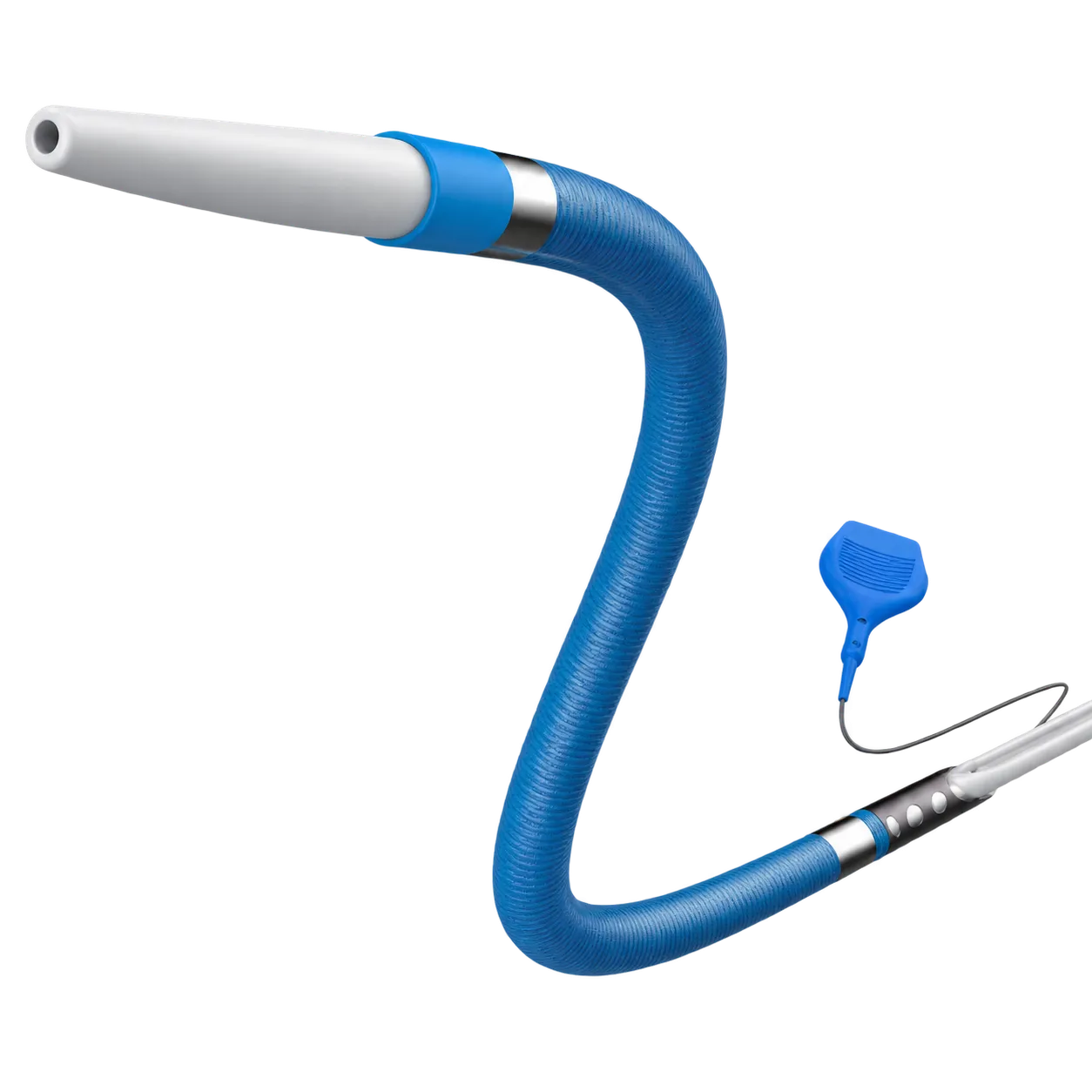
Guiding catheters fail predictably. When a stent or balloon meets resistance, the force pushing the device forward also pushes the catheter backwards, and past a certain point the guide disengages from the ostium instead of delivering the equipment. Tortuous, calcified and angulated vessels bring that point closer. A guide extension answers it by relocating the support.
The extension is advanced through the guide and down into the artery, so the platform now sits within the vessel rather than at its mouth. Reported intubation depths in this device class average around 7 to 8 cm. From there,e the distance a device must be pushed unsupported is much shorter, and delivery that previously failed often succeeds. Chronic total occlusions, heavily calcified segments and distal lesions are the common indications, and radial access benefits particularly because the longer, more tortuous route from the wrist erodes support.
There are two costs to weigh. The first is lumen. An extension inside a guide leaves roughly one French size less working diameter, so a 6F guide with a 6.0Fr extension gives 1.45 mm rather than 1.80 mm, and device compatibility must be checked against that smaller figure. The second is vessel trauma, since a catheter is being advanced into a coronary artery rather than resting at its mouth. A soft tip and hydrophilic coating both address this, and the two radiopaque markers let the operator see exactly how deep the extension has gone.
The extension is withdrawn back into the guide once the device is delivered. Medigear.uk supplies the instructions for use with every order.