
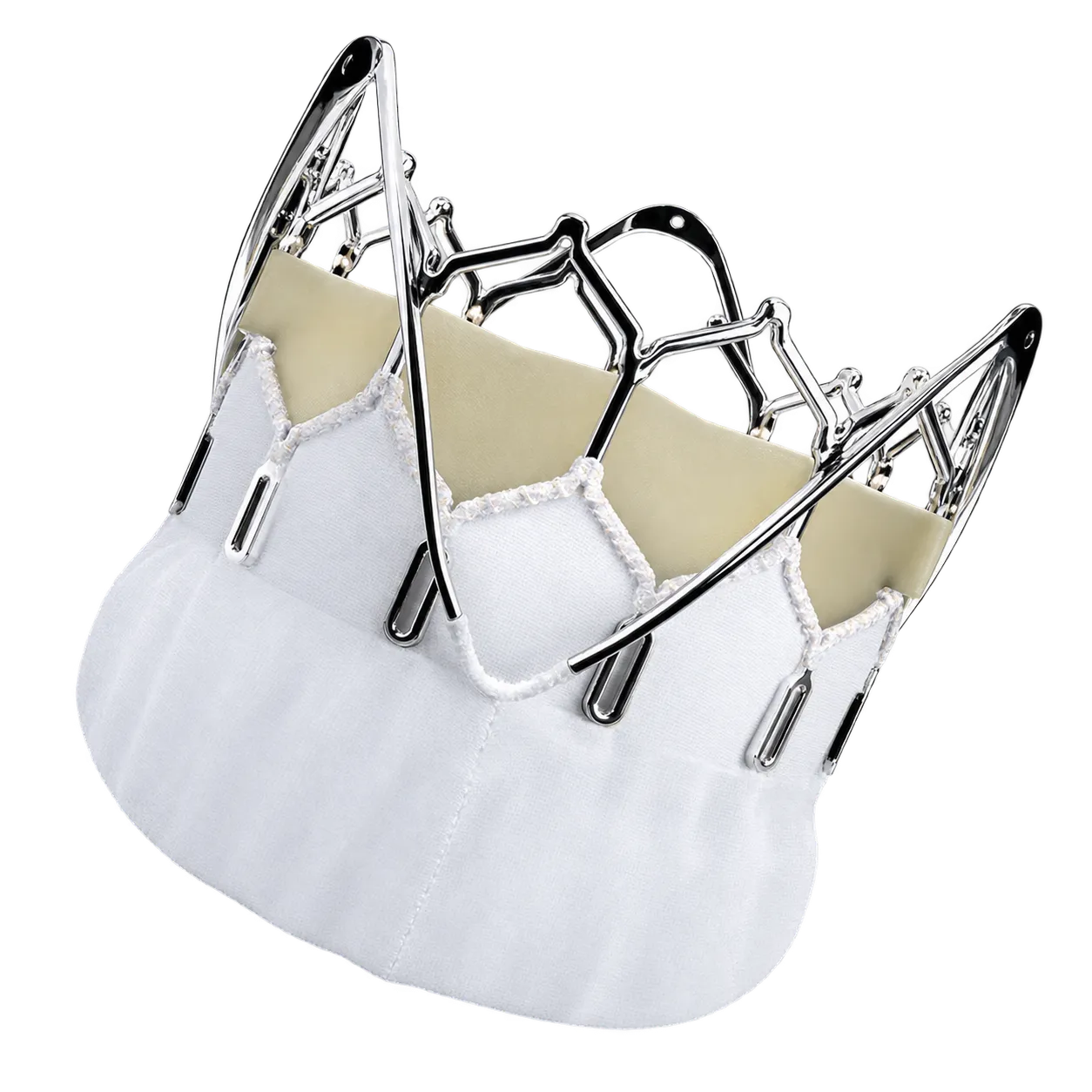
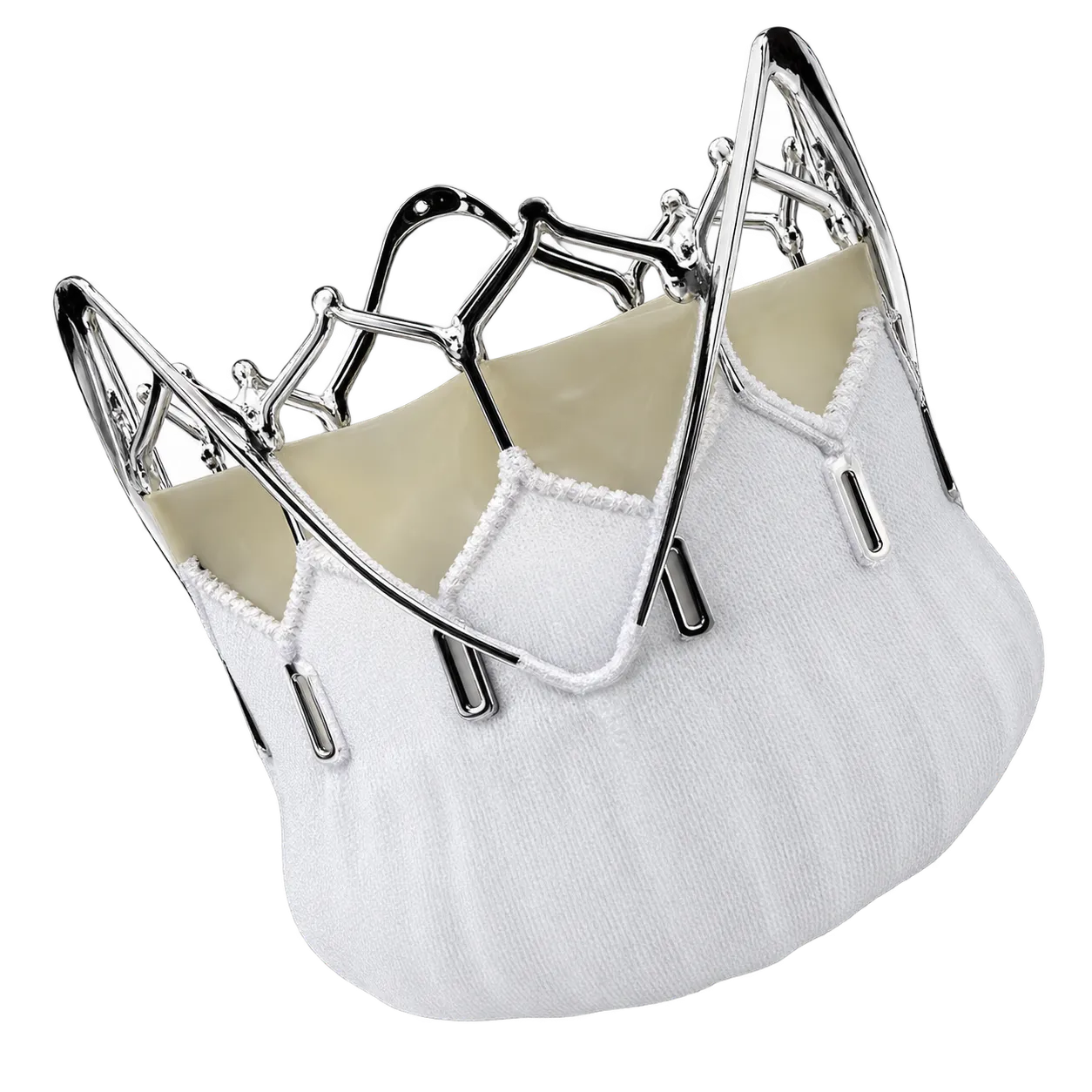
Valve replacement is performed when a native heart valve is too diseased to repair. The most common cases are the aortic valve in calcific stenosis and the mitral valve in severe regurgitation. The surgeon then chooses between a mechanical prosthesis and a tissue one. Mechanical valves last longer but require lifelong anticoagulation. Tissue valves avoid that requirement in most cases but deteriorate over time and may need replacing.
That trade-off drives patient selection. A tissue valve is usually preferred in older patients. It also suits those who cannot take anticoagulation safely, and women planning pregnancy. The counterweight is structural valve deterioration. This is the gradual failure of the leaflets. Two mechanisms dominate. Calcium deposits stiffen the tissue, and repeated mechanical loading fatigues it. Every processing improvement in this field targets one or both. That is why INT's stated treatments are relevant claims. The evidence behind them has not been supplied.
Storage format sits outside the clinical decision but affects the department. A solution-stored valve occupies refrigerated space. It has to be transported within a controlled chain. It also needs rinsing in theatre before implantation. All three take time and carry a handling risk. A dry valve removes those steps. A unit holds several sizes on the shelf against a measurement it cannot know in advance. That simplification therefore has real value. Sizing is decided during surgery using dedicated sizers. A full size range must be available.
Medigear.uk will supply the instructions for use once the manufacturer documentation is complete.