
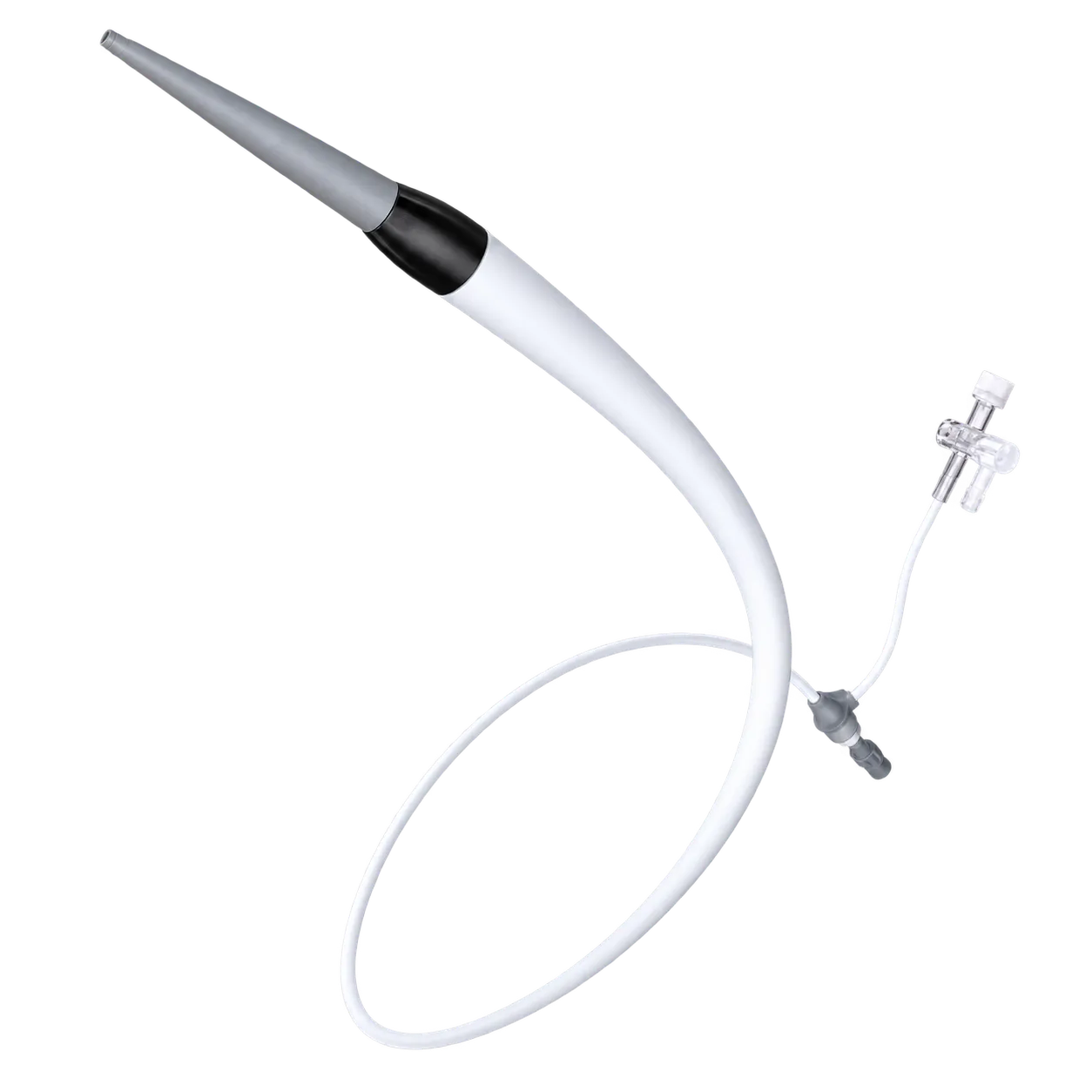
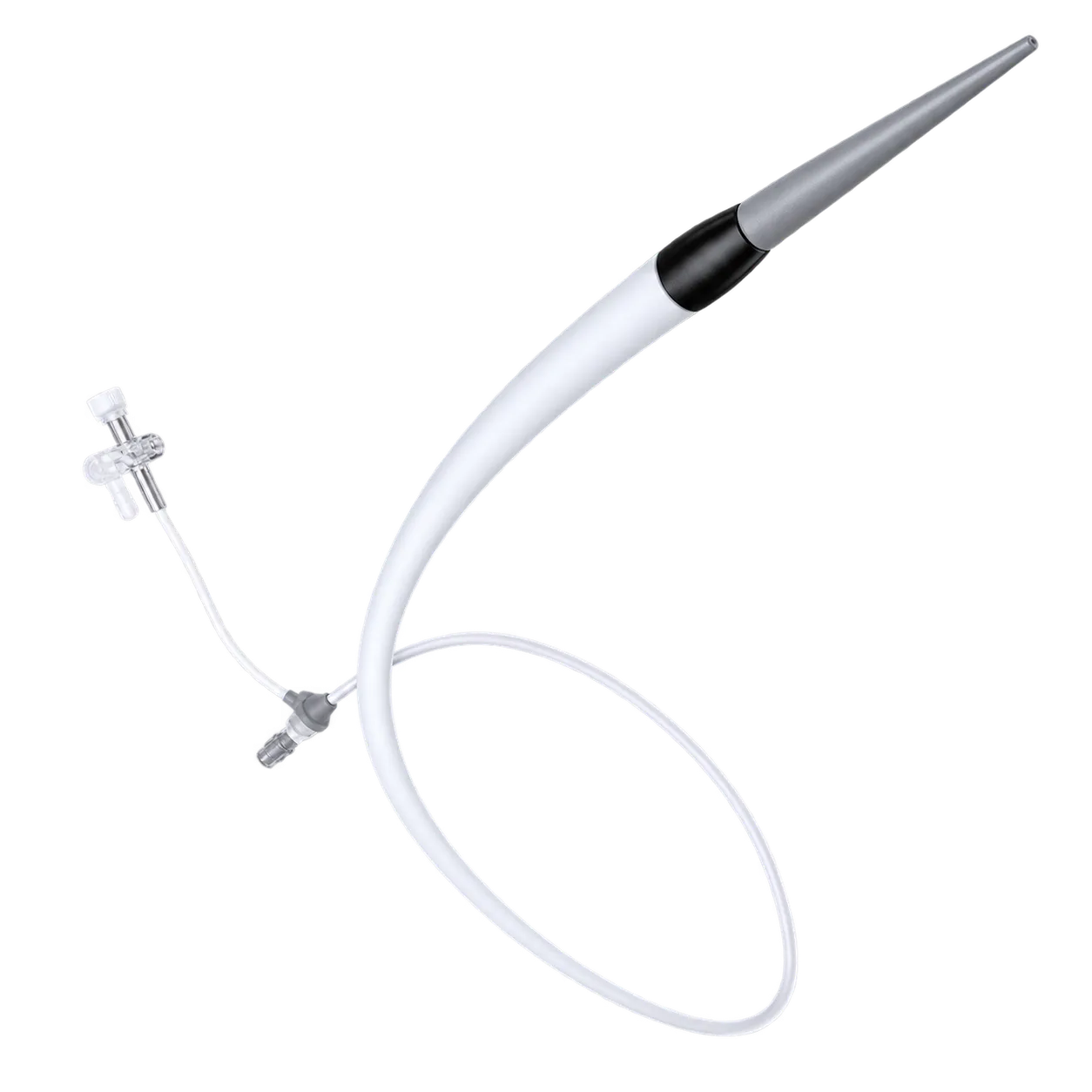
Almost every catheter-based procedure begins with an introducer sheath. Without one, each device exchange would mean another puncture through the vessel wall. The sheath provides a single-lumen channel that equipment passes through repeatedly, protecting the artery or vein from that traffic and sealing around what is inside.
Sheath length is chosen for the anatomy rather than the procedure. A femoral artery lies some distance below the skin, particularly in larger patients, so a sheath has to be long enough to reach the lumen and stay there. Eleven centimetres is the conventional answer. Shallower targets need less, and an unnecessarily long sheath occupies more vessel than it has to. Short sheaths in the five- to seven-centimetre range are used where access is superficial, including work on arteriovenous grafts and fistulas in dialysis patients.
Knowing where the tip sits matters more than it first appears. A sheath tip resting against a vessel wall, or advanced beyond a branch, behaves differently from one sitting freely in the lumen. Without a marker,r the operator judges position by how much sheath remains outside the skin, which is an indirect measure. A radiopaque tip removes that guesswork under imaging. The valve at the hub does the other half of the job, sealing around catheters of differing diameters and closing when nothing is through . At the same time, le the side port allows flushing, pressure monitoring and contrast injection without disturbing what is in the sheath. Sheaths are removed at the end of the case, and the puncture is closed either by pressure or with a closure device.
Medigear.uk supplies the instructions for use with every order.