
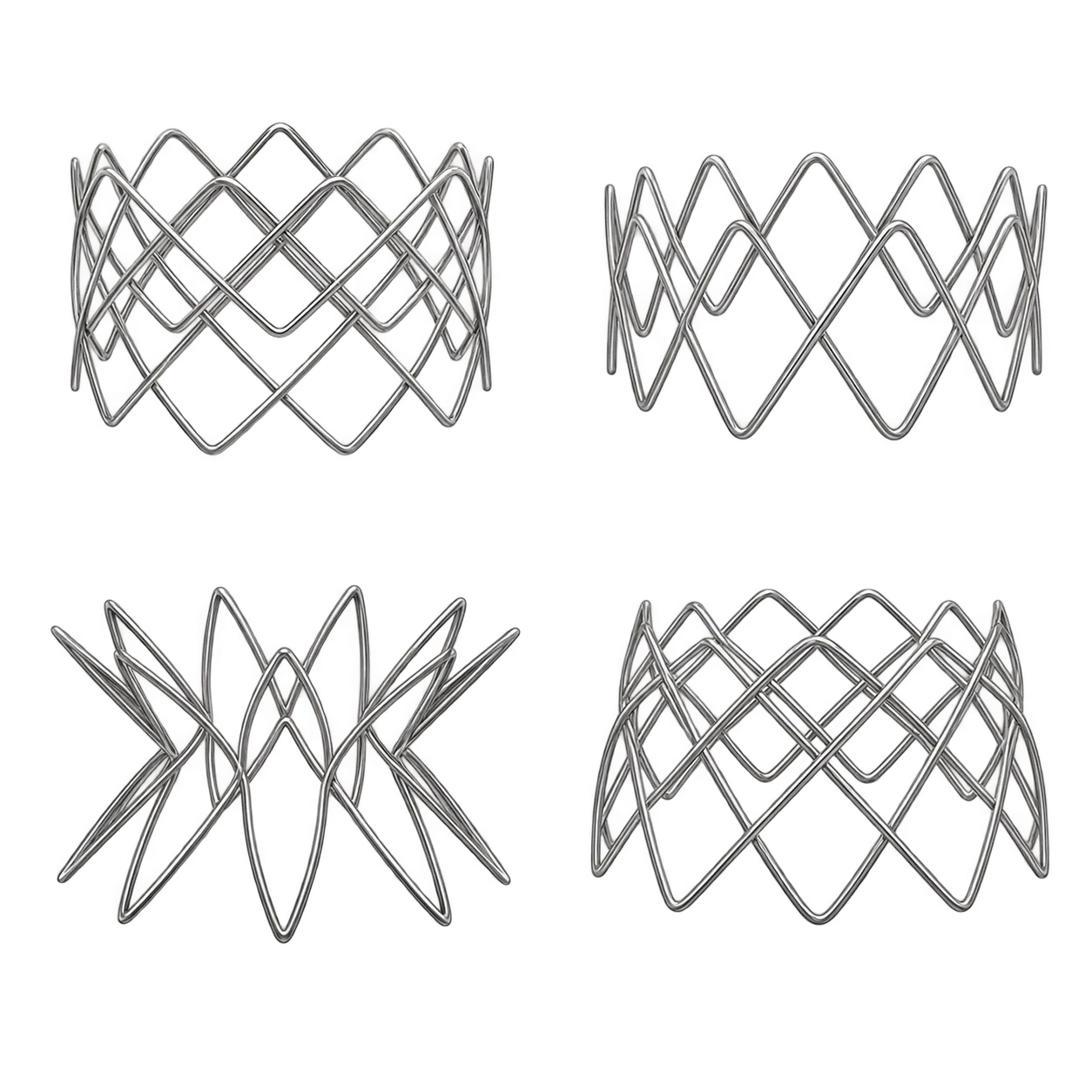
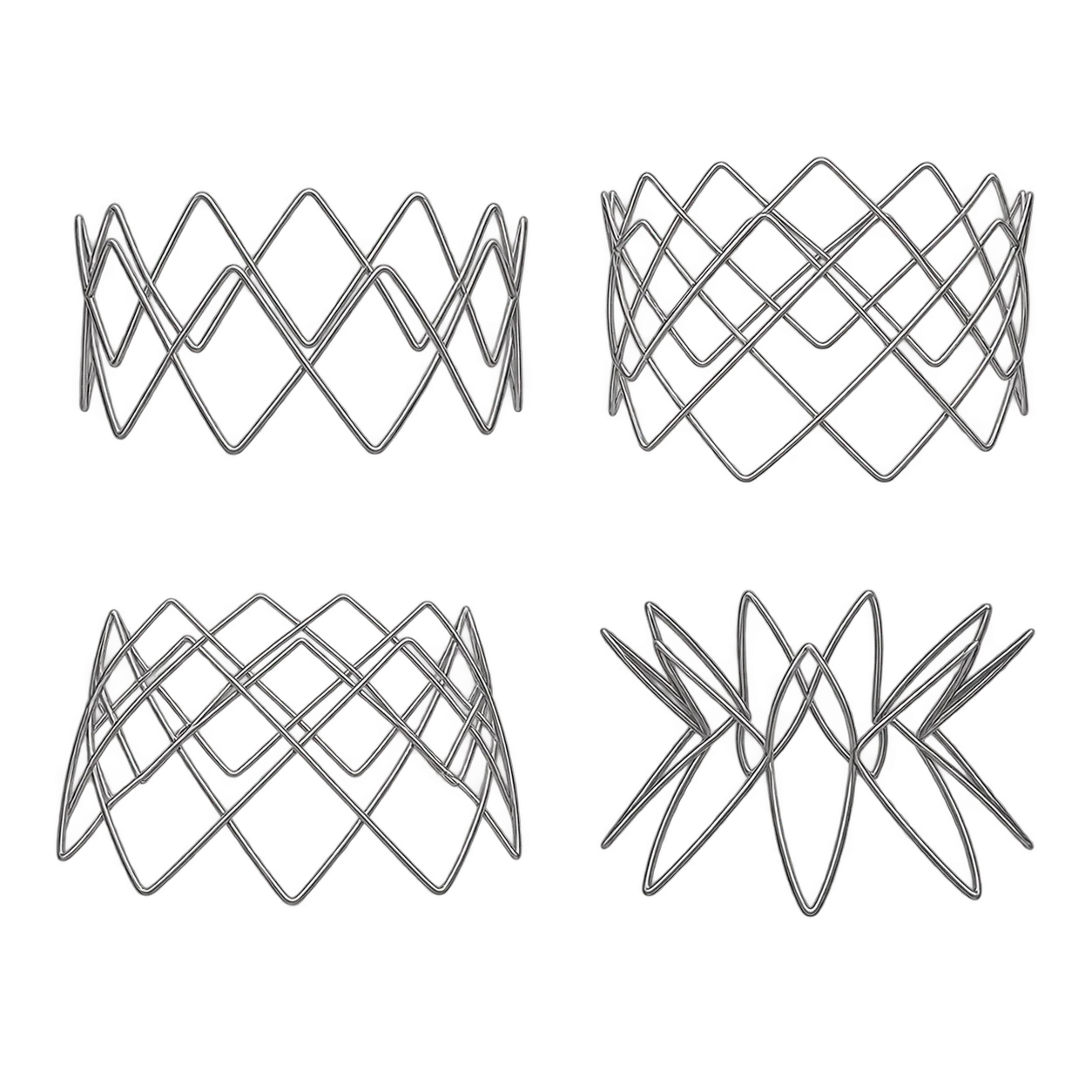
Endoscopic sinus surgery widens the natural drainage pathways of the sinuses. Mucus and air can then move as they should. The operation itself usually succeeds. The long-term result depends on what happens over the following weeks as the tissue heals.
Three things can undo the work. The mucosa swells, narrowing a passage that was just opened. Raw surfaces sitting close together stick to one another, and adhesions bridge the cavity. Scar tissue then contracts as it matures, pulling a widened opening back toward its original size. Revision surgery is common for these reasons. Reducing it is a recognised goal, and devices of this kind are measured against it.
A stent addresses all three mechanically. Carrying a drug adds a fourth line of attack. Holding surfaces apart prevents them from adhering. Maintaining the cavity resists the pull of contracting scar. Releasing an anti-inflammatory locally reduces swelling at the site rather than throughout the body. Local delivery matters here. The alternative is systemic treatment, which reaches the sinus in small proportion and everywhere else in large. A biodegradable design adds one thing more. None of it requires a second procedure to undo, since the scaffold dissolves once healing no longer needs it. One variable decides whether that works. Dissolution time is weighed against how long the healing tissue still needs support.
Shape and delivery angle are then chosen based on the sinus being treated and the approach it needs. Medigear.uk supplies the instructions for use with every order.