
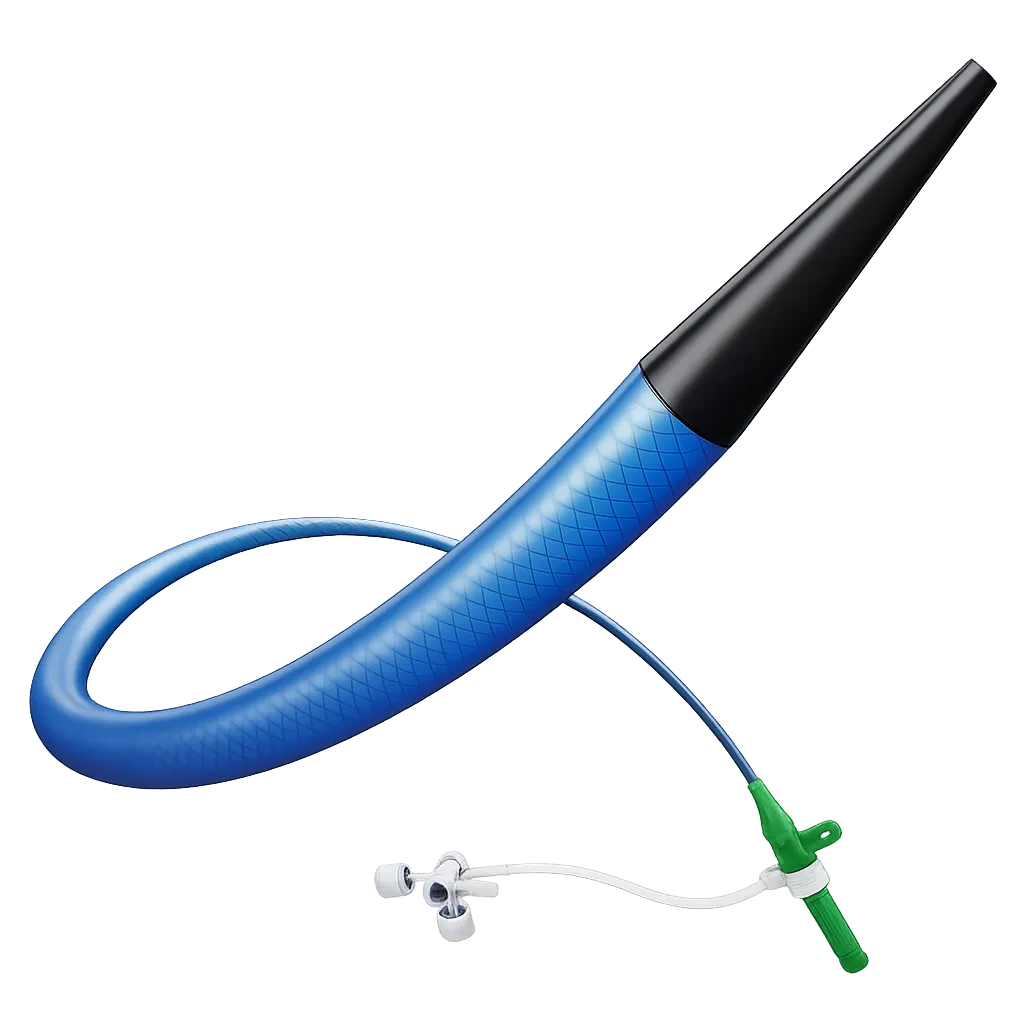
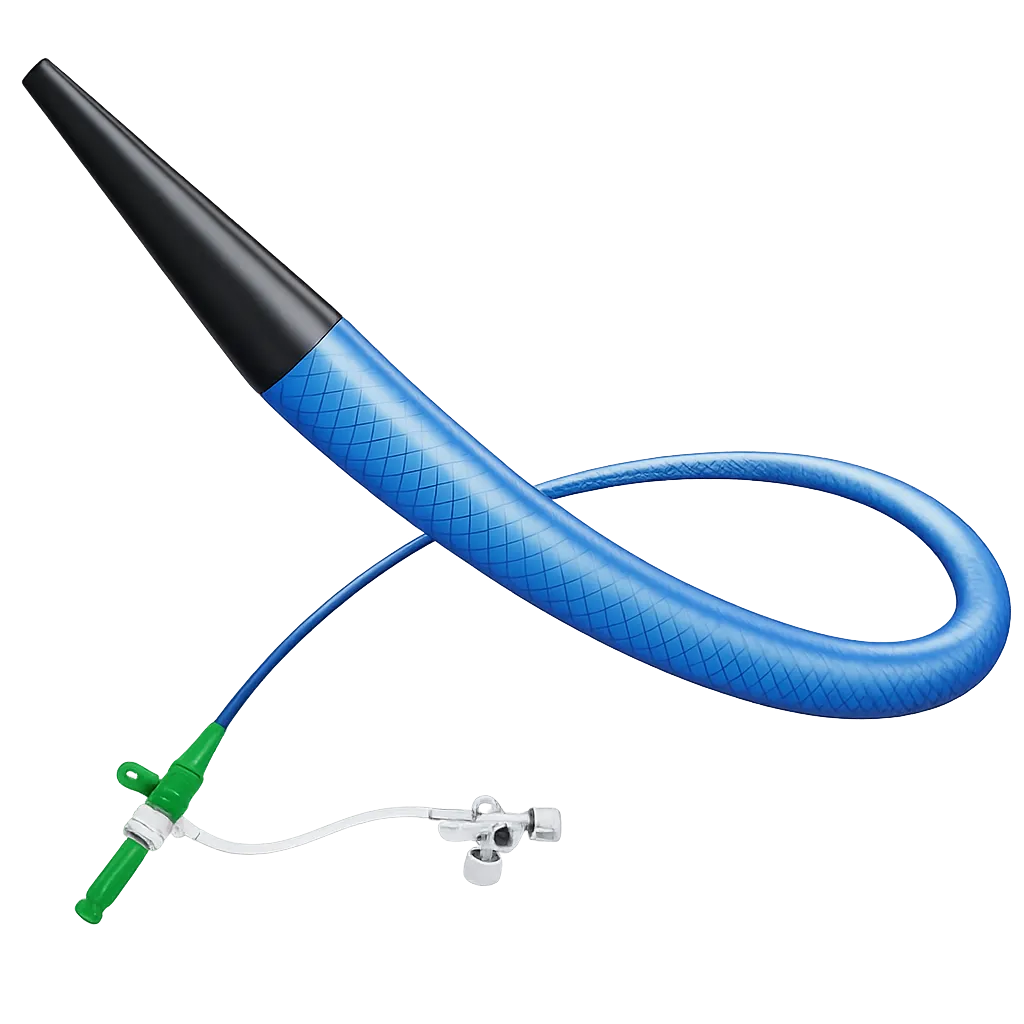
Vascular access has moved steadily towards the wrist. Radial access reduces bleeding at the puncture site and lets patients sit up and walk sooner, and most coronary work in the UK now takes that route. What it costs is room to manoeuvre, because the radial artery is a fraction of the size of the femoral and it does not tolerate being stretched.
Two problems follow from that. The first is fit. A sheath has to pass into an artery that may measure only two to three millimetres, and the ratio between sheath and vessel governs how likely the artery is to be damaged or to occlude afterwards. Since the lumen cannot shrink without limiting what passes through it, the wall is the only place to save space. Thinner walls give a smaller outer profile for the same working channel, which is why this class of sheath exists.
The second is spasm. The radial artery is muscular and reactive, and instrumentation makes it contract. A sheath gripped by a spastic artery is painful to place and painful to remove, and in the worst case cannot be withdrawn without difficulty. Surface friction drives that reaction, so a hydrophilic coating on the part of the sheath sitting inside the vessel reduces it. Kink resistance matters for a related reason, since a thin-walled tube taken round a tortuous vessel would otherwise fold, and a woven shaft resists that.
Femoral access remains necessary for larger equipment, which is why the BFS series extends to 12F. Medigear.uk supplies the instructions for use with every order.