
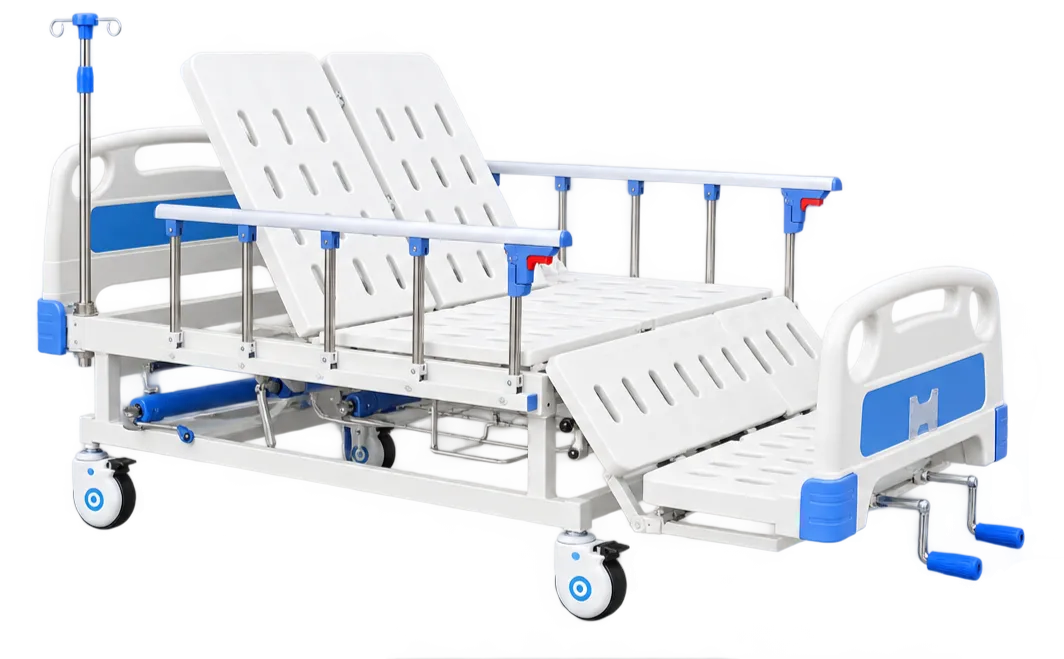





Rehabilitation and reablement placements are the obvious fit. Sitting out is a step towards sitting in a chair and then standing, and a bed that produces the position without a transfer makes that step available earlier. Establish the seated pressure position and a duration before the first session, and record both.
Tissue viability teams should be consulted specifically about the seated position rather than about the bed generally. The loaded area changes and the pressures rise, so the surface answer written for lying may not carry over. Ask whether separate seat provision is appropriate and whether it stays in place as the deck folds.
Continuing care and nursing placements using the position for meals, visitors or daytime routine need somebody to return at the end of the period, since the occupant cannot lower the deck. Build that into the routine alongside the duration, and review both when circumstances change.
Estates and equipment services should record the section lengths against the bed once obtained, so future placements can be screened for fit without measuring each time. Procurement routes across NHS trusts, local authority equipment services and independent providers each ask for their own evidence. The conformity documentation those procurement routes require is issued by the manufacturer and provided by the seller.