

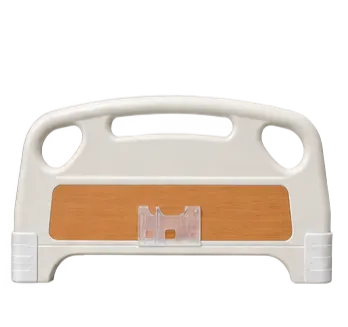
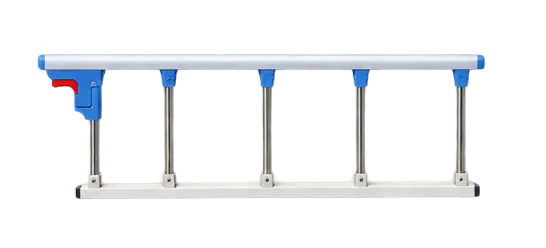
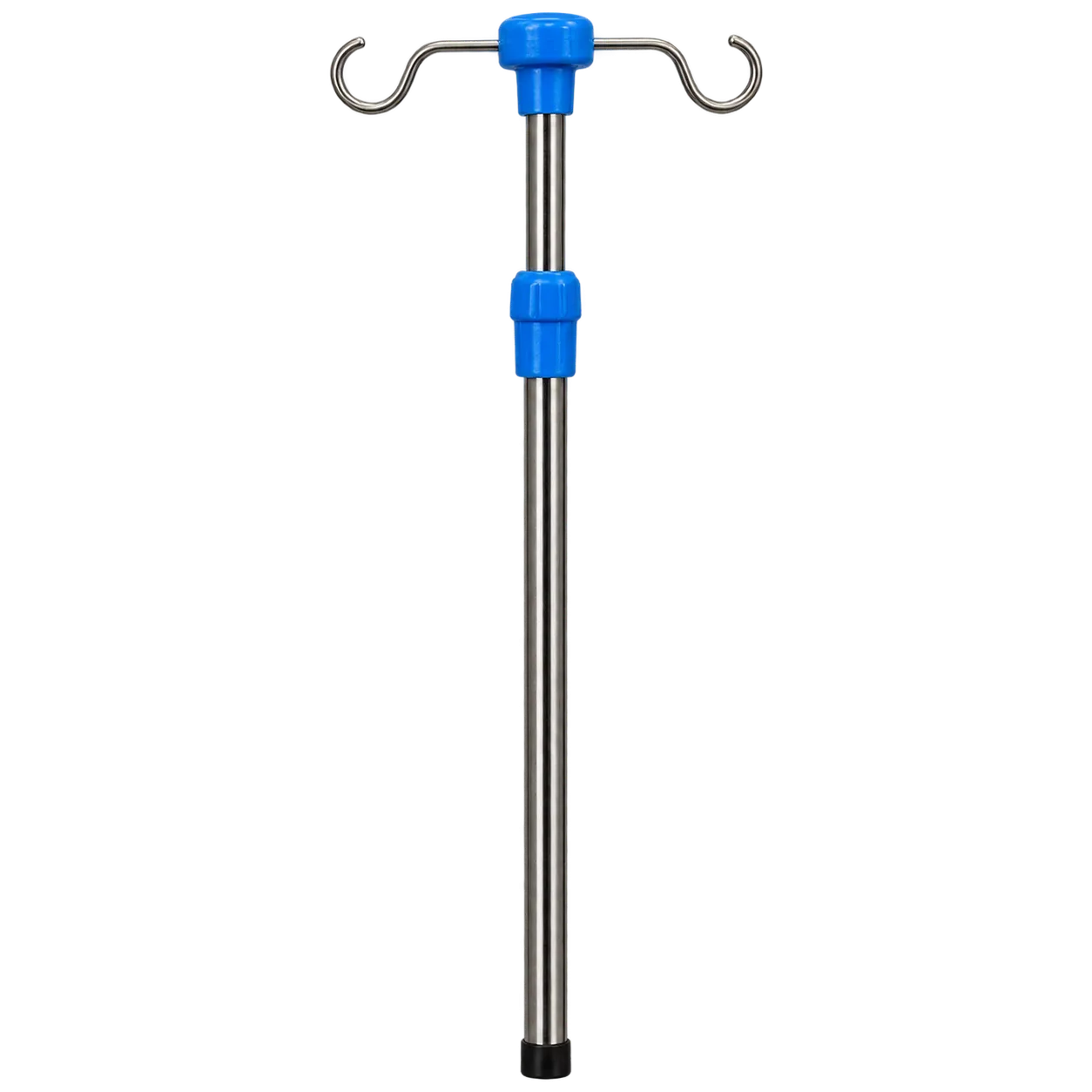

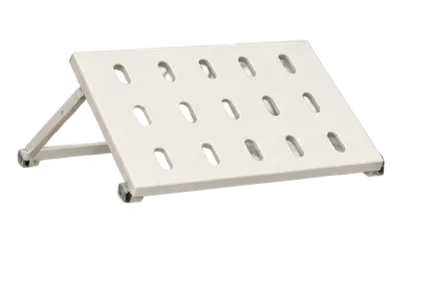

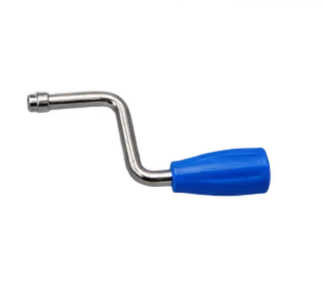

Ward bays where beds are moved with equipment attached are the setting this page is written for. A bed that carries a stand and a table between bays is a different shape from the one in the specification, and the difference is discovered at a door frame unless it is measured first. Establish the loaded height once, record it with the equipment, and the question does not arise again.
Care and nursing homes with older buildings deserve particular attention. Door heads, low lintels, stair landings and lift cars in converted properties are less forgiving than a purpose-built ward, and a raised infusion stand is usually the first thing to meet them. Ask for the stand's maximum extended height before committing beds to upstairs rooms.
Community and single-occupancy placements use the ancillaries more than the mobility. Where the bed stays in one room, a mounted table and a stand earn their place daily and the transit question is limited to installation. Confirm the mounting method anyway, since a table that fouls a raised guardrail is a nuisance in a room as well as in a corridor.
Across all three, the ancillary items belong on the equipment inventory in their own right, with their own load ratings and their own inspection line. Procurement routes across NHS trusts, local authority equipment services and independent providers each ask for their own evidence. The conformity documentation those procurement routes require is issued by the manufacturer and provided by the seller.