
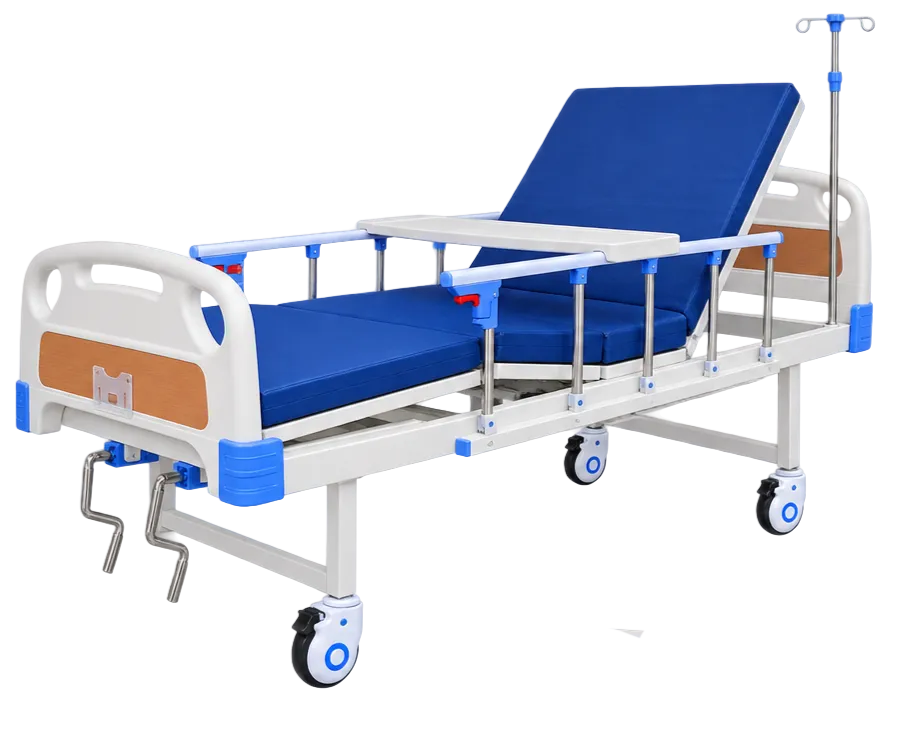









Long-stay residential and continuing care is the setting where this matters most. A resident who spends most of the day and all of the night on the bed is supported by the surface for the overwhelming majority of that time, and by the frame only in the moments a carer is present. Services should treat the mattress as part of the bed specification and review it when the resident's skin condition, weight or mobility changes.
Community and single-occupancy placements face the same question with fewer people to notice the answer. Where a district nursing team visits rather than staffing the room, the interval between repositionings is longer, and the surface carries more of it. Agree the assessment and the review interval before the bed is placed, not after the first skin check.
Ward bays with routine repositioning schedules use the frame more actively, which changes the balance without removing it. Two mechanisms make a schedule practical, and the order in which the sections move affects how far the occupant slides, so the operating sequence and the cover choice belong in the same briefing.
Procurement should treat the frame and the surface as one line of specification with two products in it. That means the platform dimensions, the assessment outcome and the delivery date all resolved together. Routes across NHS trusts, local authority equipment services and independent providers each ask for their own evidence. The conformity documentation those procurement routes require is issued by the manufacturer and provided by the seller.