
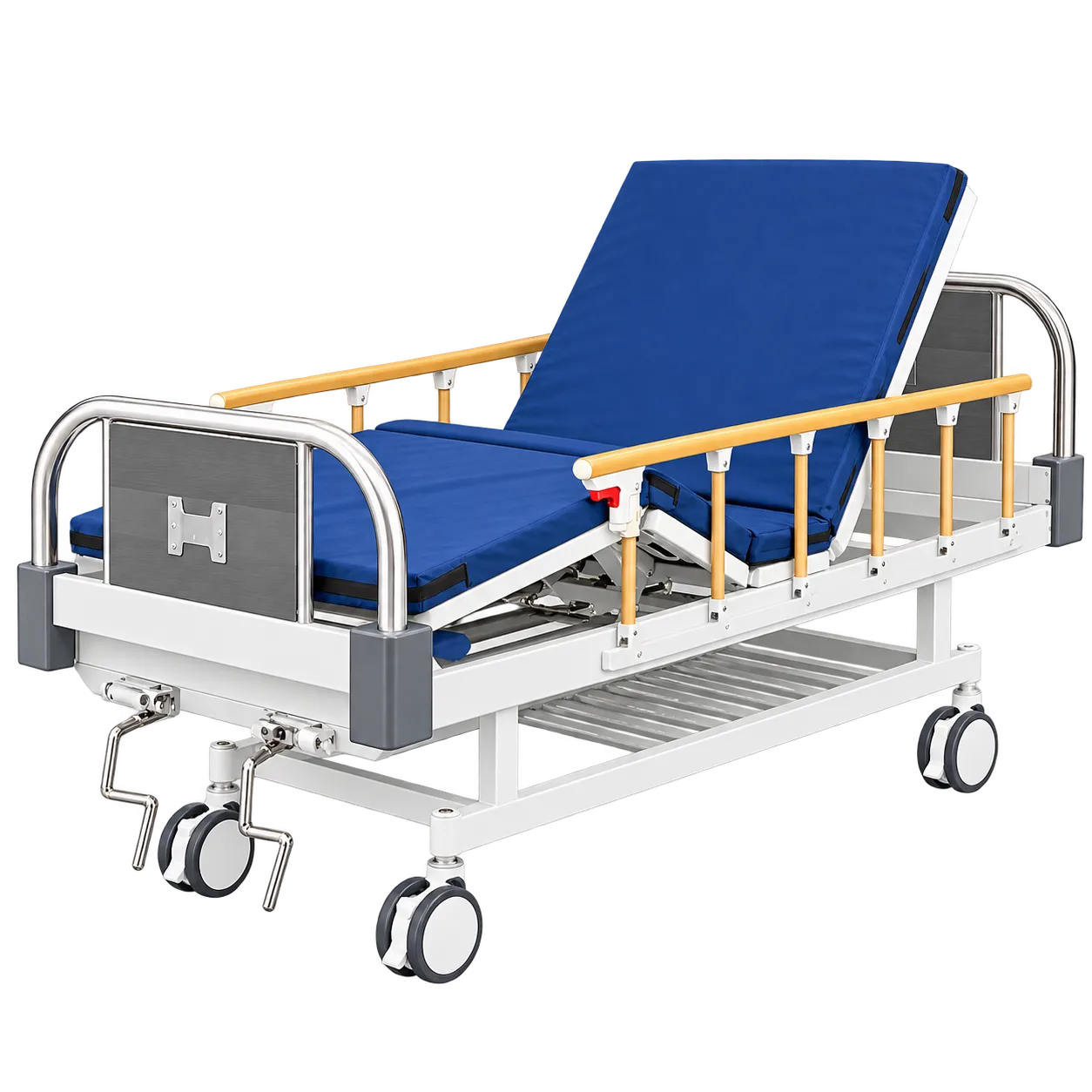
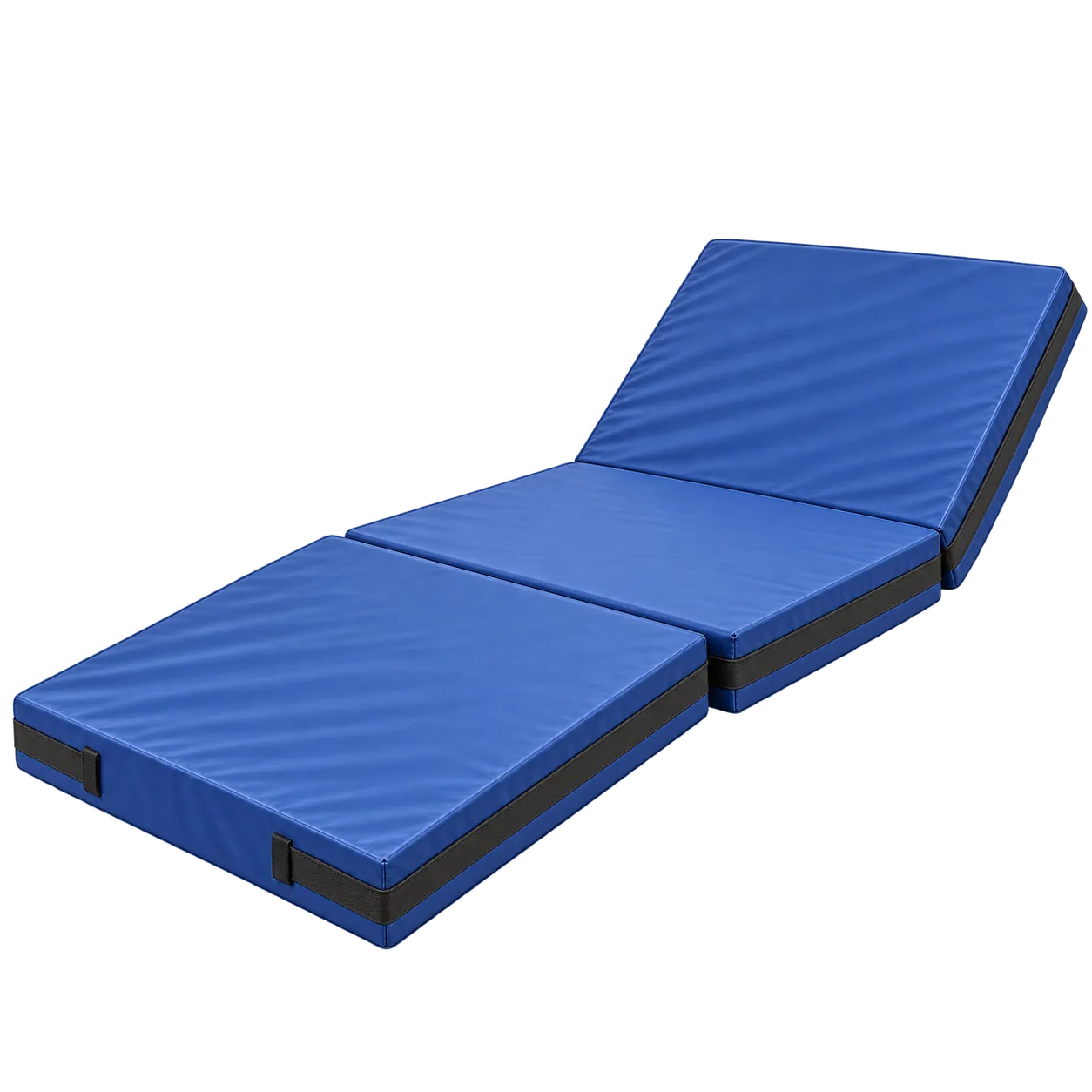
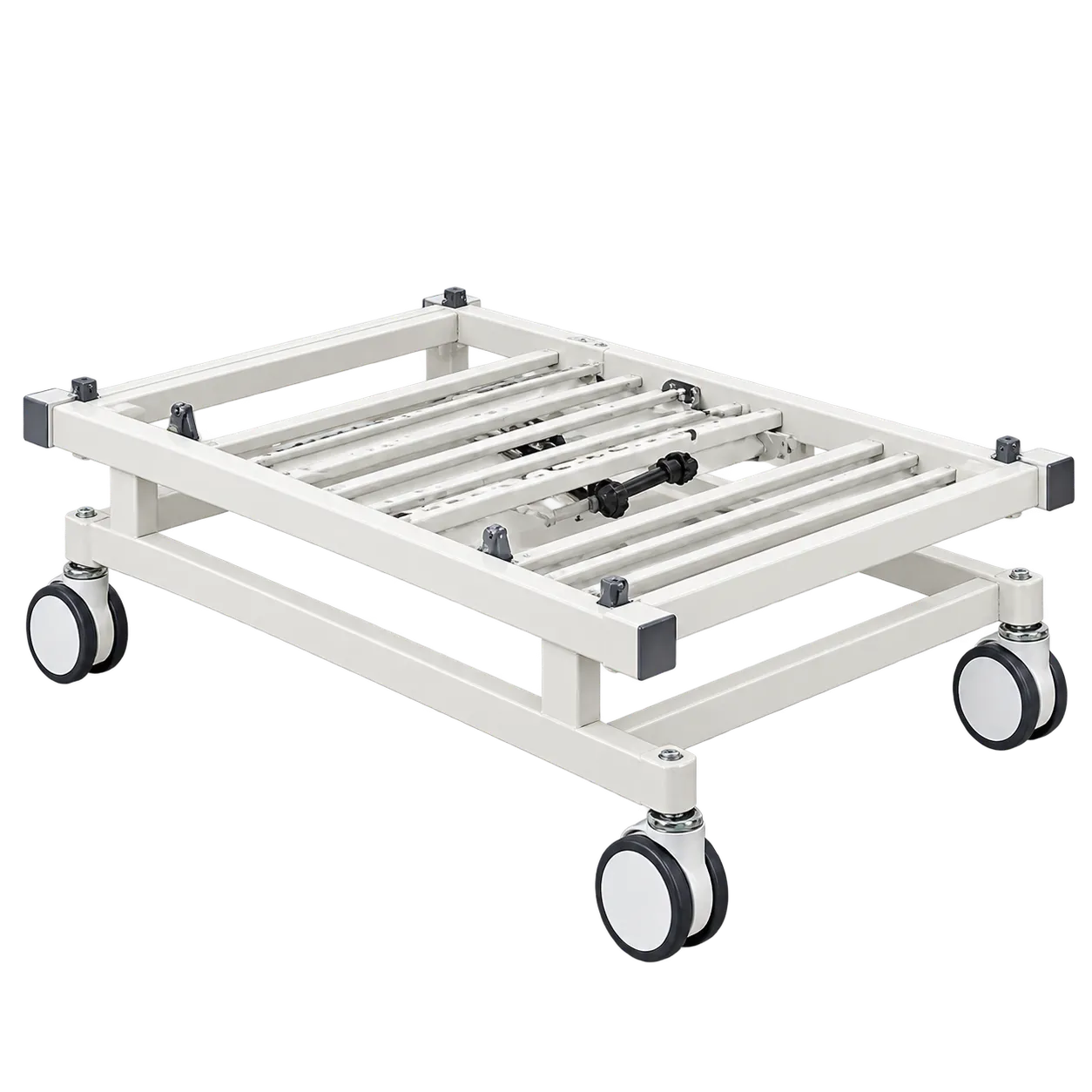
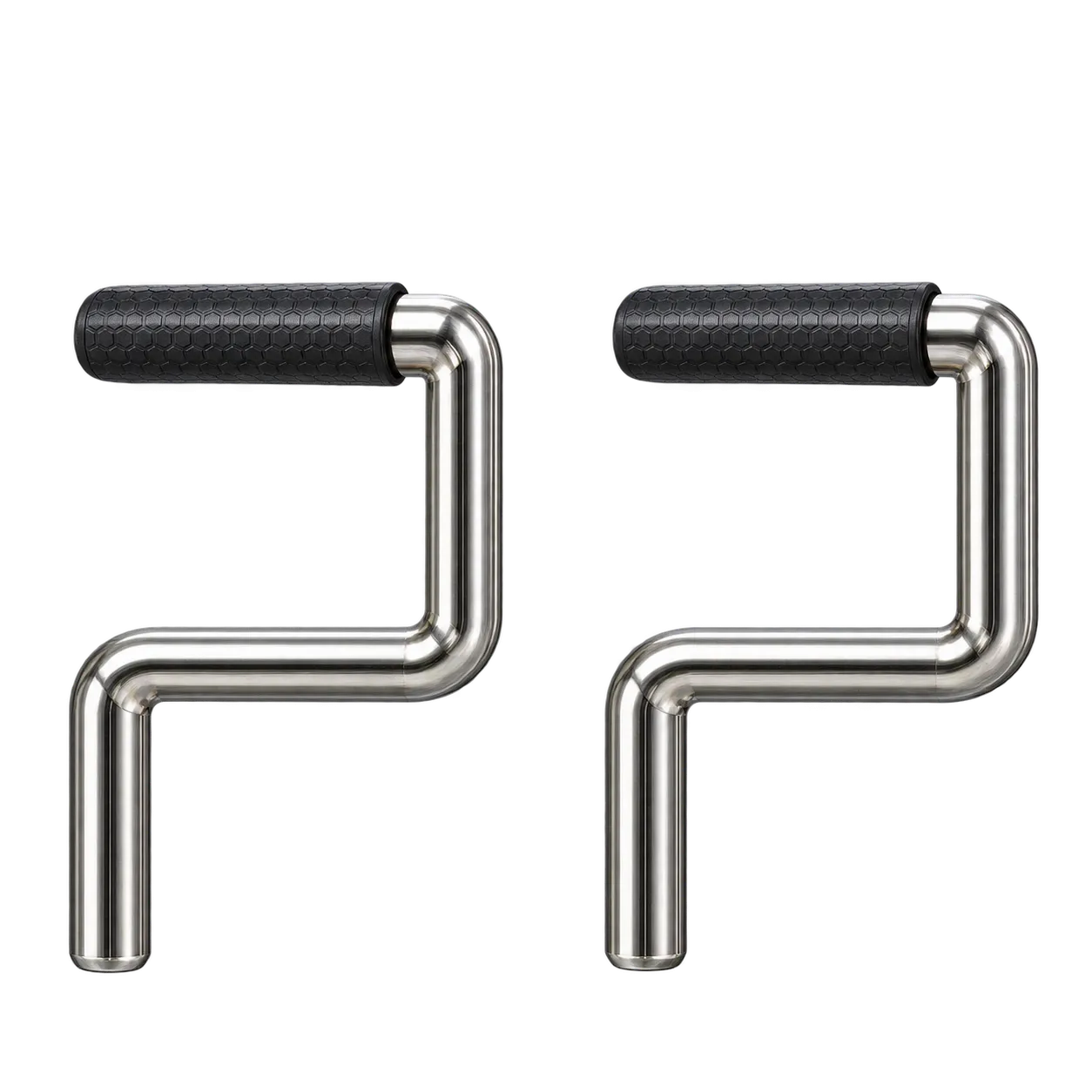
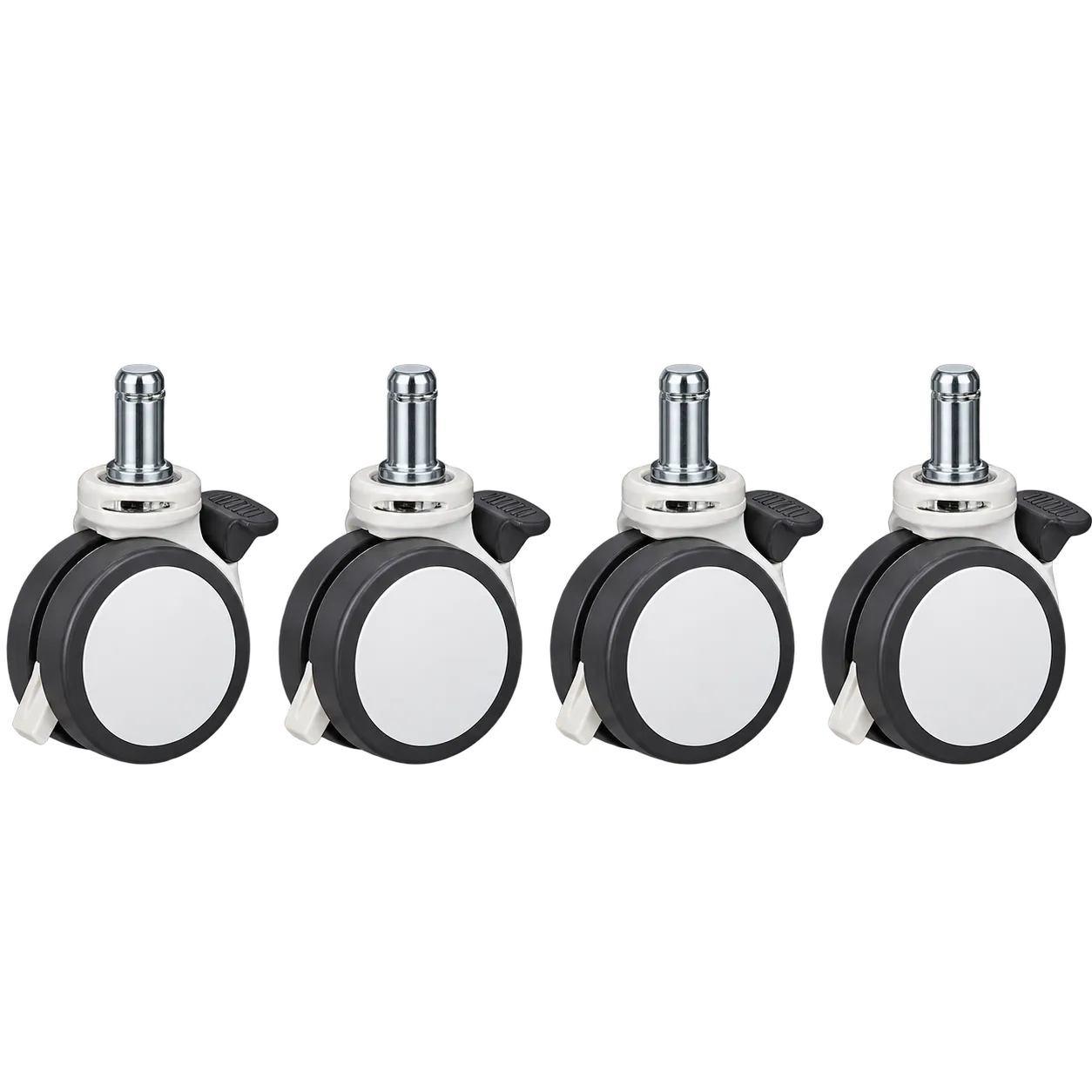
Hospital discharge into a community placement is the setting this frame serves best. Where a bed has to reach a domestic bedroom before a patient can leave a ward, the practical obstacles are usually access, power and paperwork rather than the bed itself. A hand-driven frame needs no socket committed and no electrical work booked, and four castors take it from a hallway to a bedroom once it is through the door. Measure the tightest turn on the route rather than the widest doorway.
Care and nursing homes with steady turnover use the same characteristics differently. A room can be made ready between residents without a maintenance visit, and the frame carries no battery to hold charge while a room stands empty. Homes should still price the carer time each crank adjustment takes, since that cost lands every day the bed is occupied rather than once at installation.
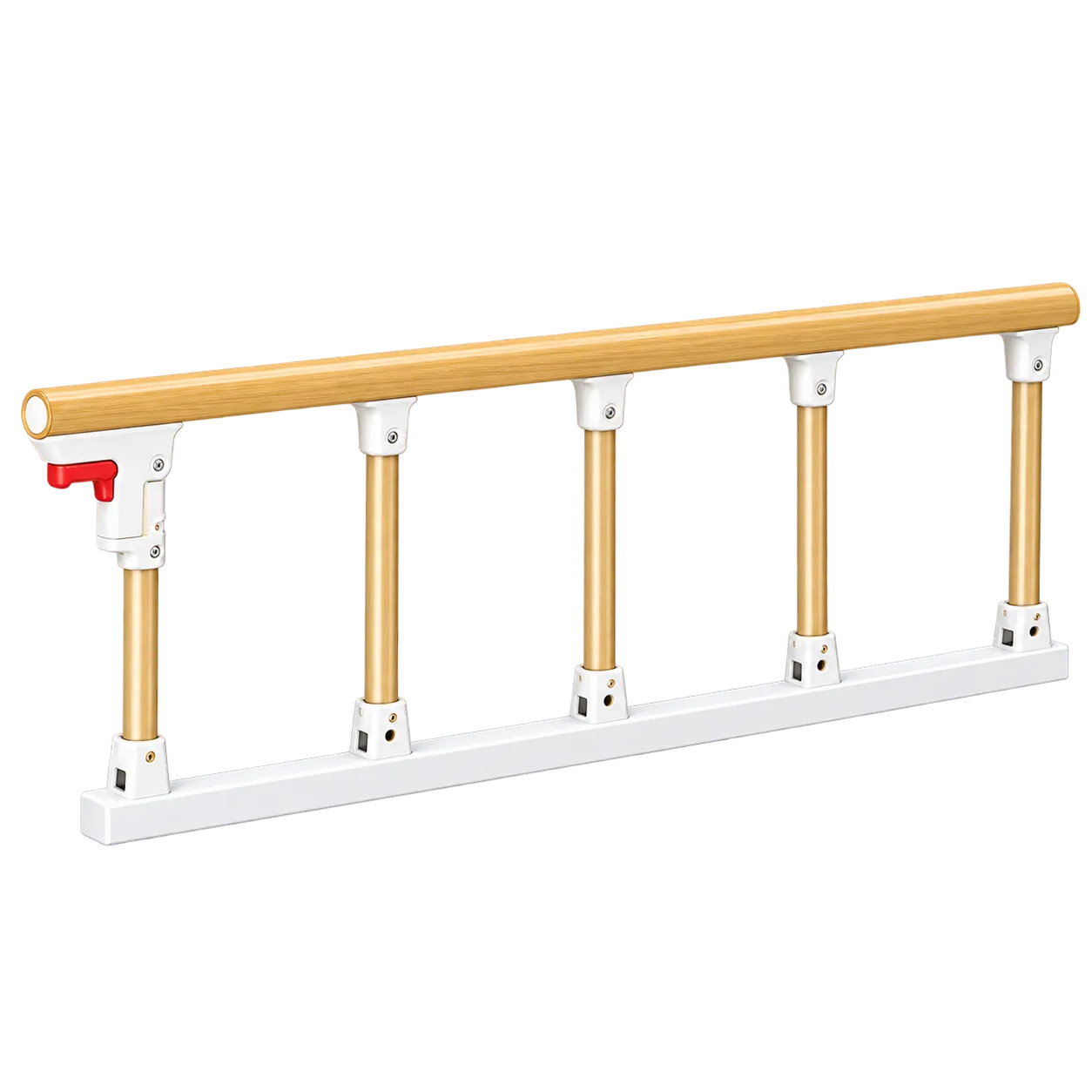
Reablement and short-term placements suit a frame that arrives, works and leaves without commissioning. Where equipment is placed for weeks rather than years, anything requiring an engineer at both ends is a cost and a delay, and this specification avoids both. Confirm the guardrail count before the first placement so the same decision does not have to be made again for every subsequent one.
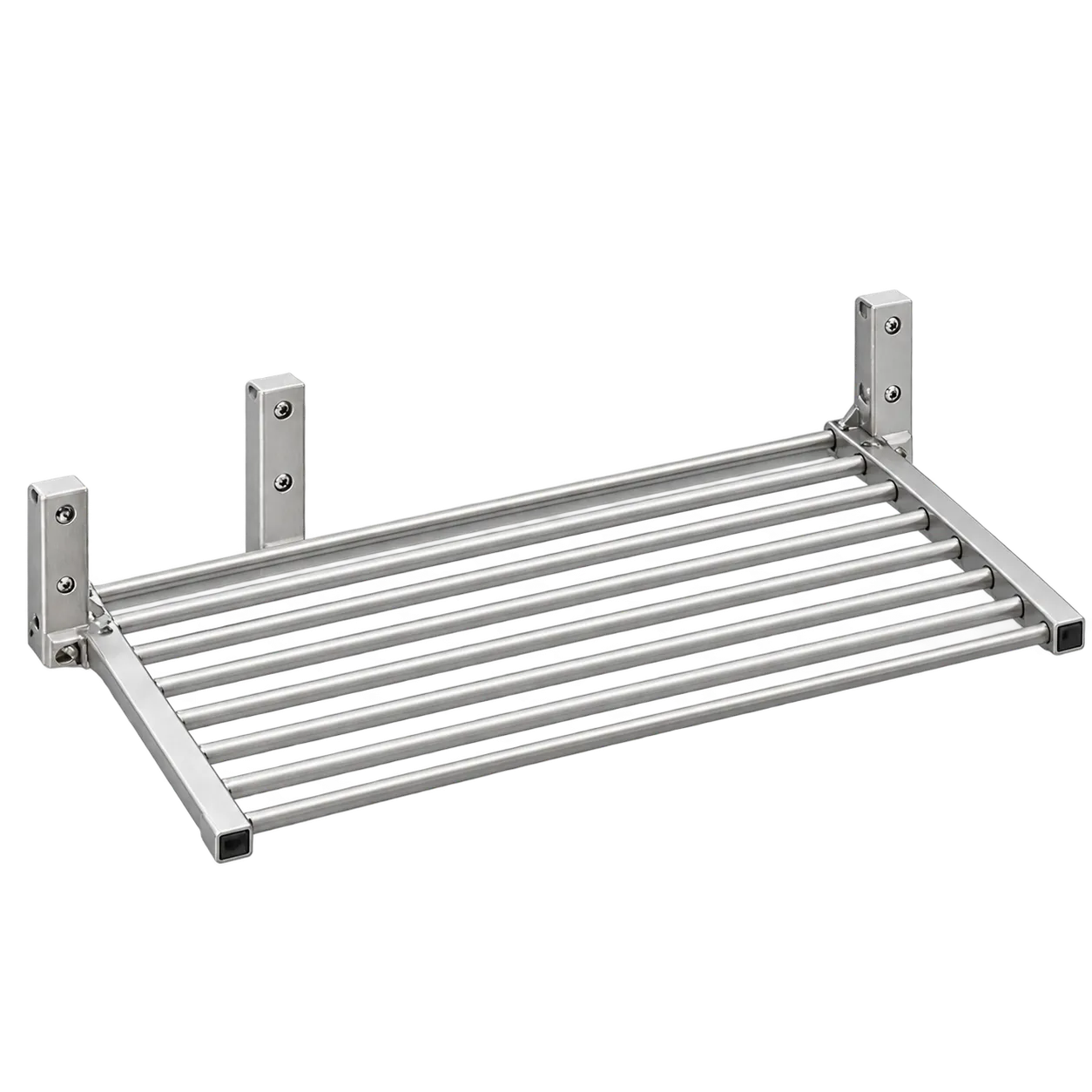
Ward and step-down use is straightforward once the open questions are closed. Two rocker mechanisms cover assisted positioning and the folding rails suit an individual rail assessment. Procurement routes across NHS trusts, local authority equipment services and independent providers each ask for their own evidence. The conformity documentation those procurement routes require is issued by the manufacturer and provided by the seller.