
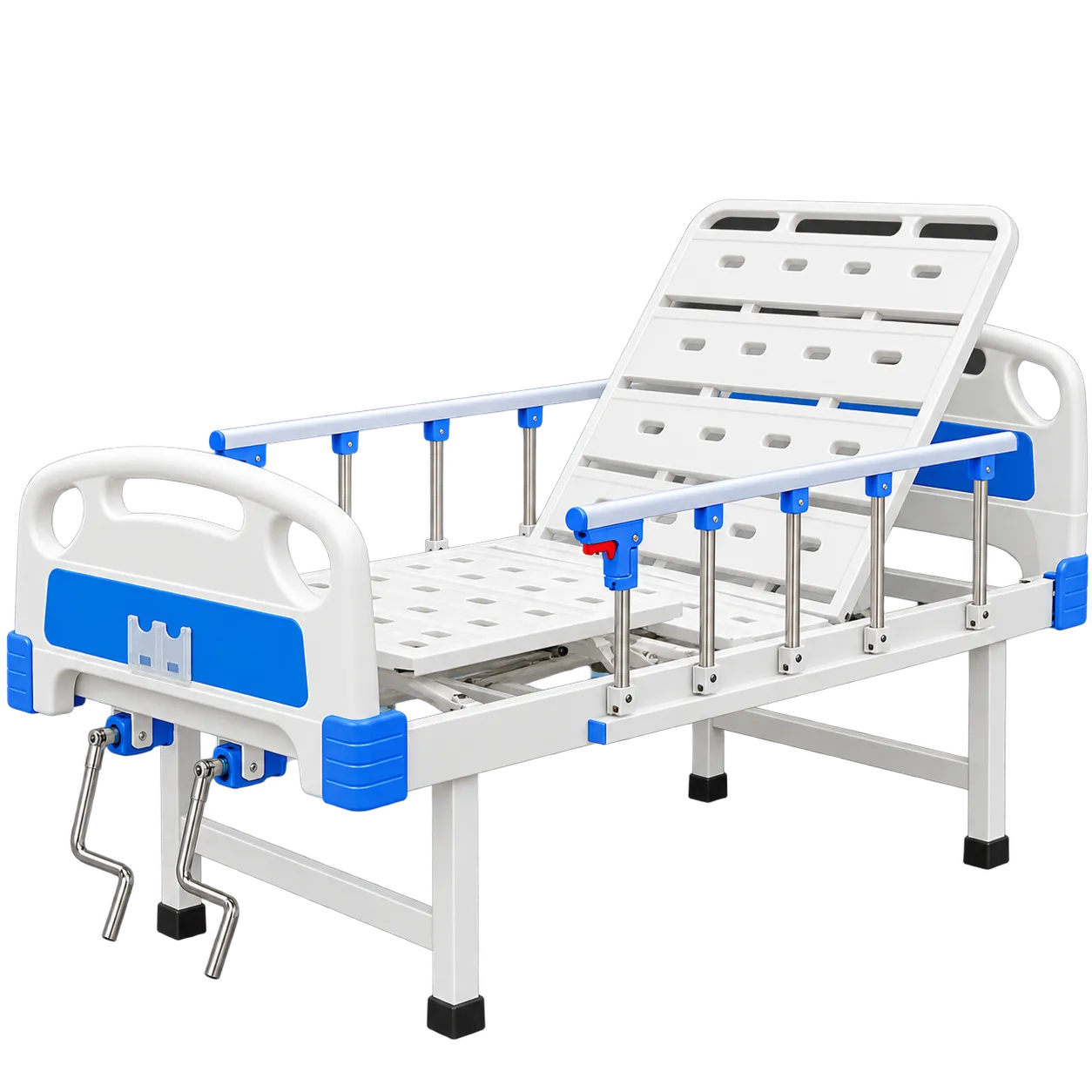


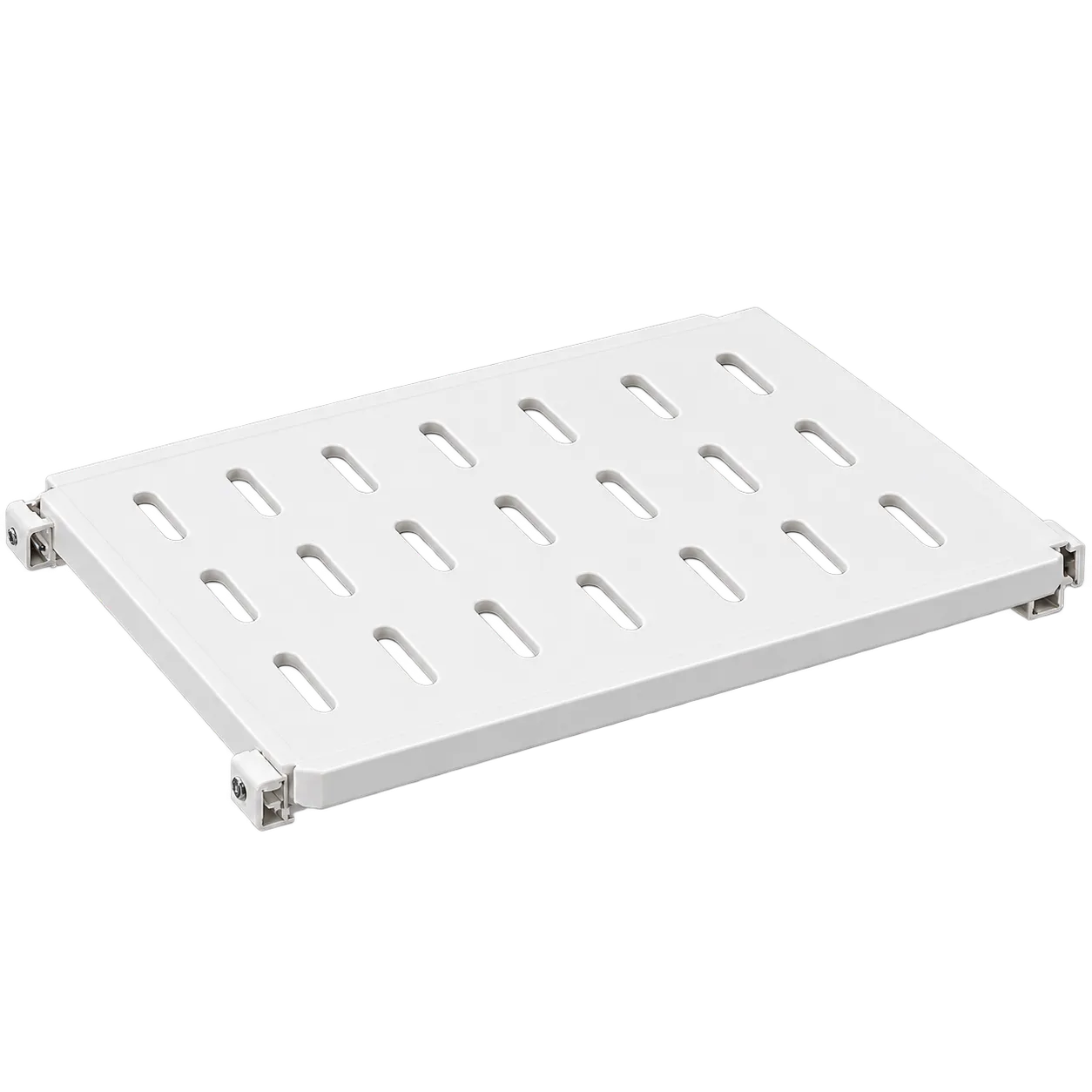
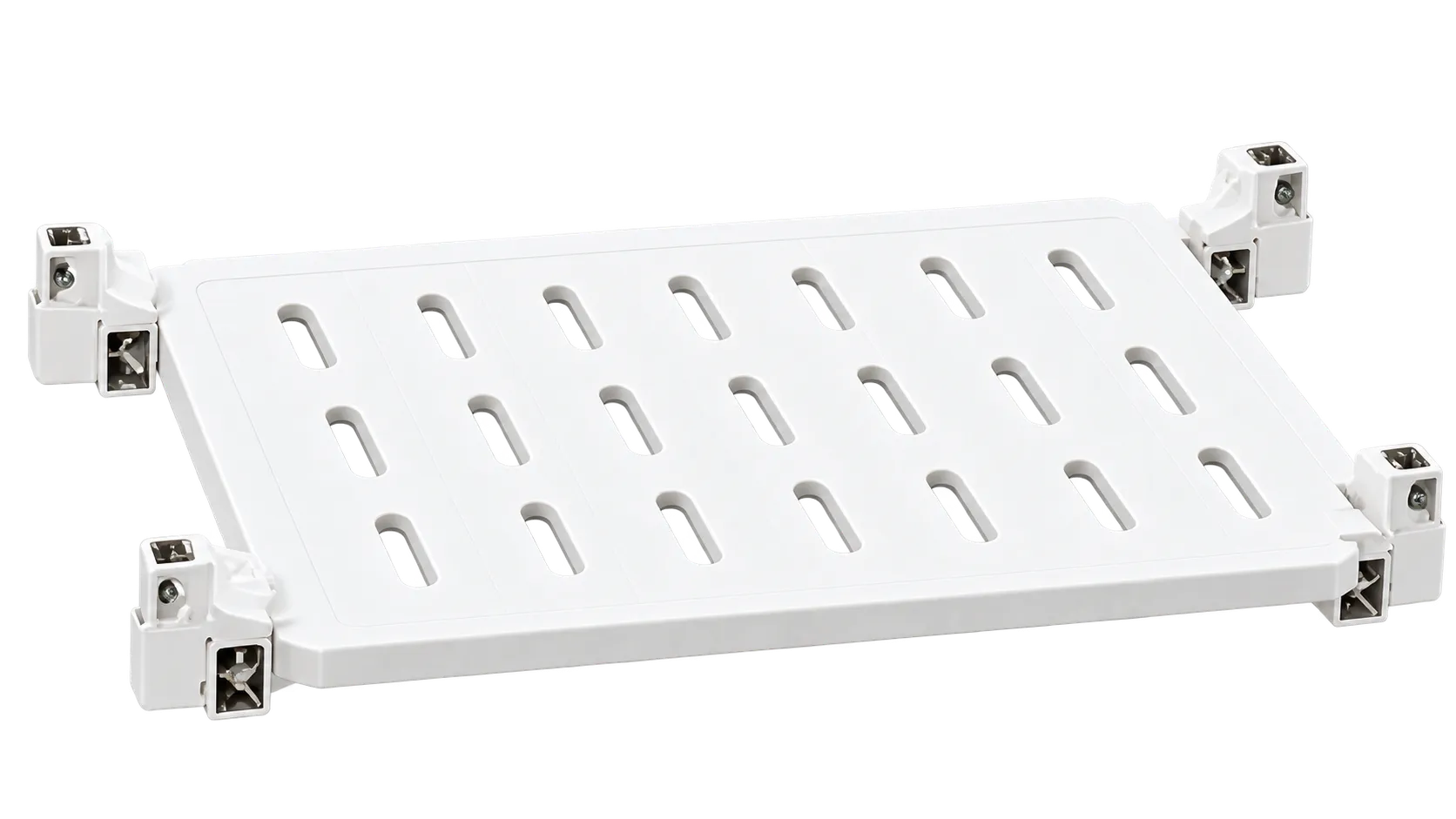
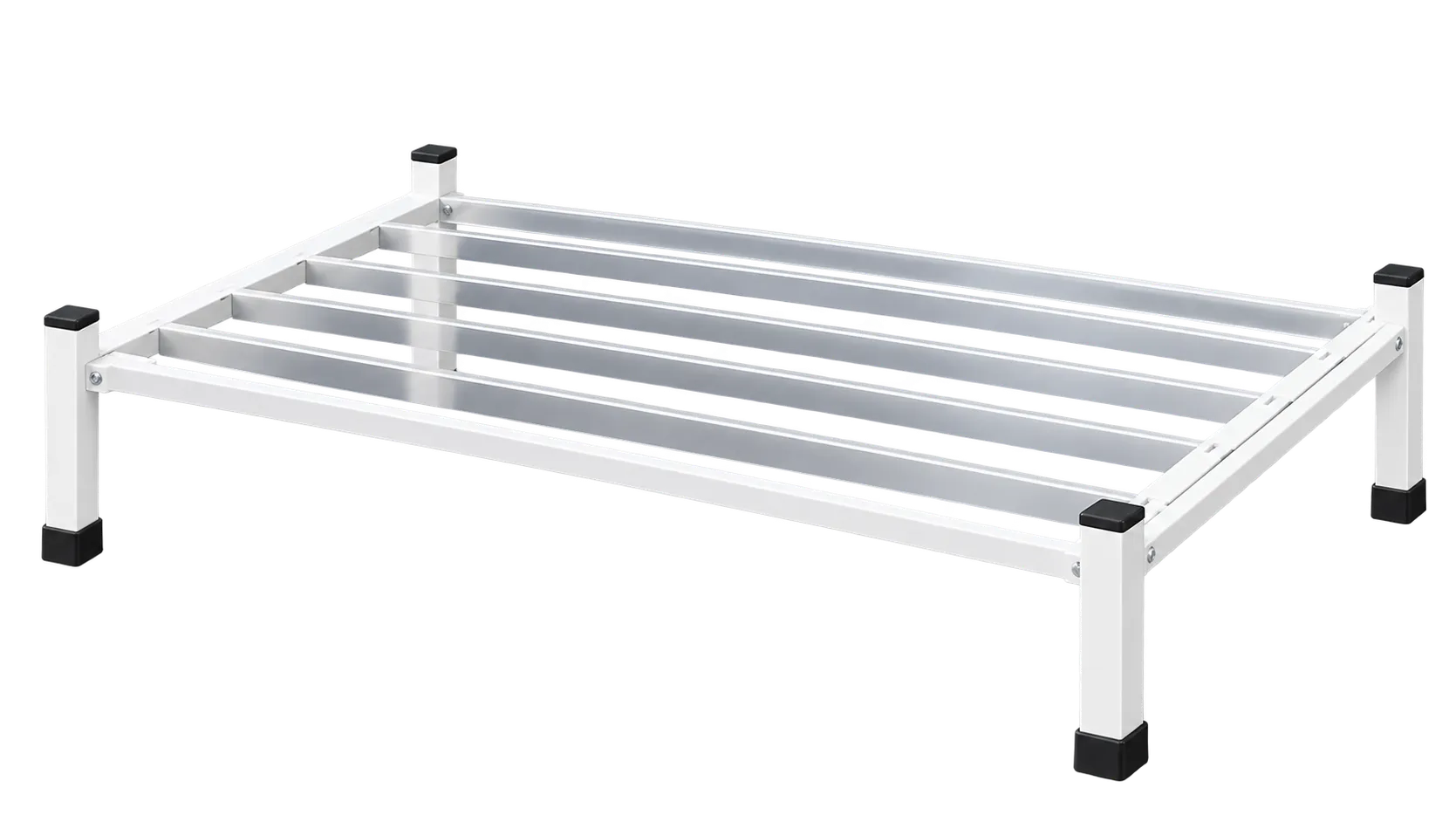
Single-occupancy bedrooms in residential care are the setting a permanently placed bed suits. Where a resident occupies the same room for months or years, the bed becomes part of the room's furniture layout rather than a variable within it, and the arrangement can be optimised once and left. Decide at the outset which flanks staff will work from and keep those spaces clear, because a static frame cannot be pulled out to create room that was not planned.
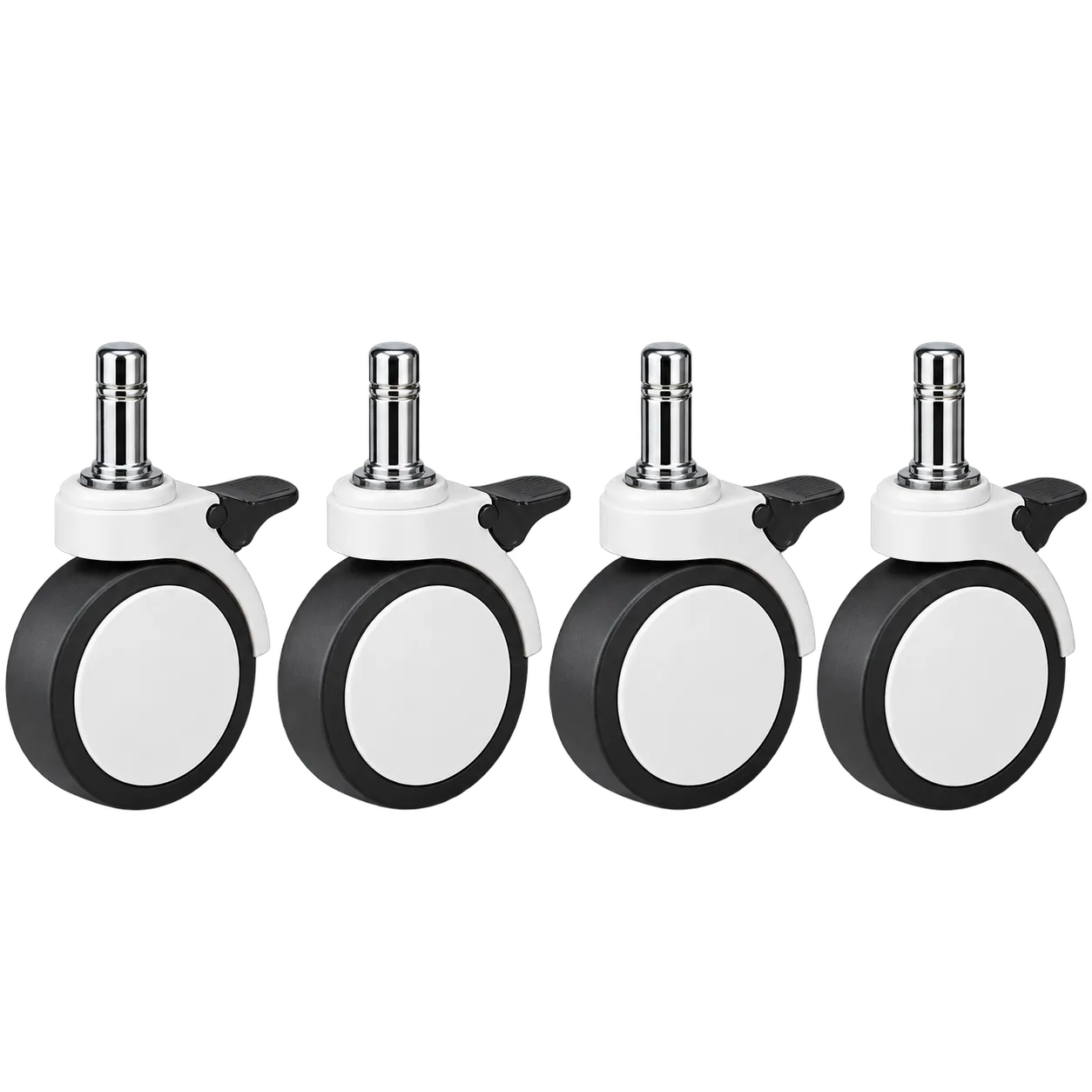
Long-stay and continuing care wards use the same characteristic at scale. A bay laid out around fixed beds has predictable circulation, and the absence of castors removes a check from every transfer and a wearing part from the maintenance schedule. Confirm the deck height before the layout is fixed, since on a frame that cannot be moved the working height is committed for the life of the placement.
Buildings with awkward circulation benefit in a way that is easy to overlook. Where doorways are narrow, corridors turn tightly or a lift is small, a bed that has to travel regularly is a recurring problem; a bed that travels once is a single logistical exercise. Measure the tightest point on the route against the 210 × 98 × 50 cm envelope and ask whether the frame separates for delivery.
Estates and facilities teams should be involved before installation rather than after. Four fixed feet load the same points of floor continuously, and floor covering, protection pads and any making-good obligation at the end of a placement all belong in that conversation. Procurement routes across NHS trusts, local authority equipment services and independent providers each ask for their own evidence. The conformity documentation those procurement routes require is issued by the manufacturer and provided by the seller.