
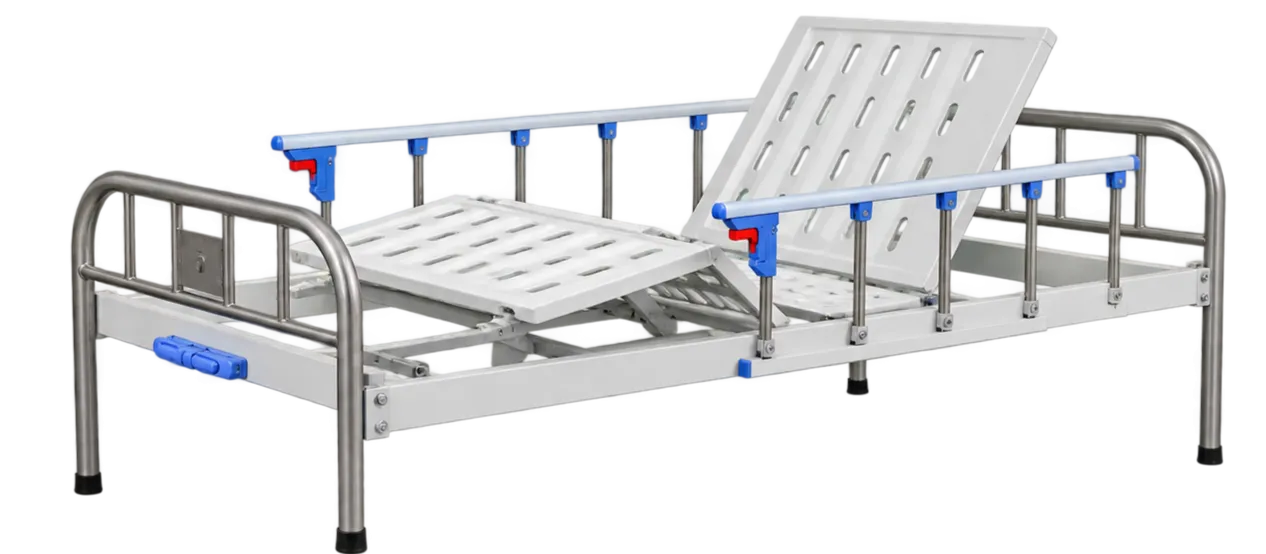




Care homes and continuing care wards should treat the deck height as an allocation criterion rather than a detail. Record it once against the equipment, then match beds to rooms with the staff who work in them in mind. Where the height suits, a fixed frame is stable, quiet and simple; where it does not, the mismatch shows up as a handling assessment that keeps returning the same answer.
Settings with a mixed staff profile need the assessment done against the range of people who will use it, not an average. A working height that suits most of a team can still be awkward for the shortest and the tallest, and on a frame that does not adjust that difference persists. Involve the manual handling lead before purchase rather than after the first incident report.
Single-occupancy long-stay rooms are where a static frame works best, because the arrangement can be optimised once and left. Plan permanent clearance on the flanks staff work from, since the bed cannot be pulled out to create space that was not designed in.
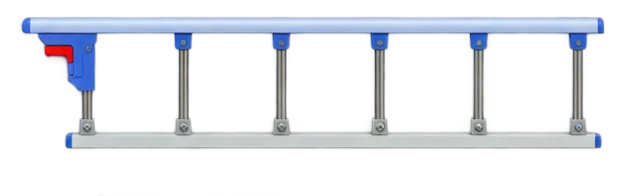
Estates and governance functions should hold the deck height, the manual handling assessment and the guardrail dimensions together in one record. Procurement routes across NHS trusts, local authority equipment services and independent providers each ask for their own evidence. The conformity documentation those procurement routes require is issued by the manufacturer and provided by the seller.