
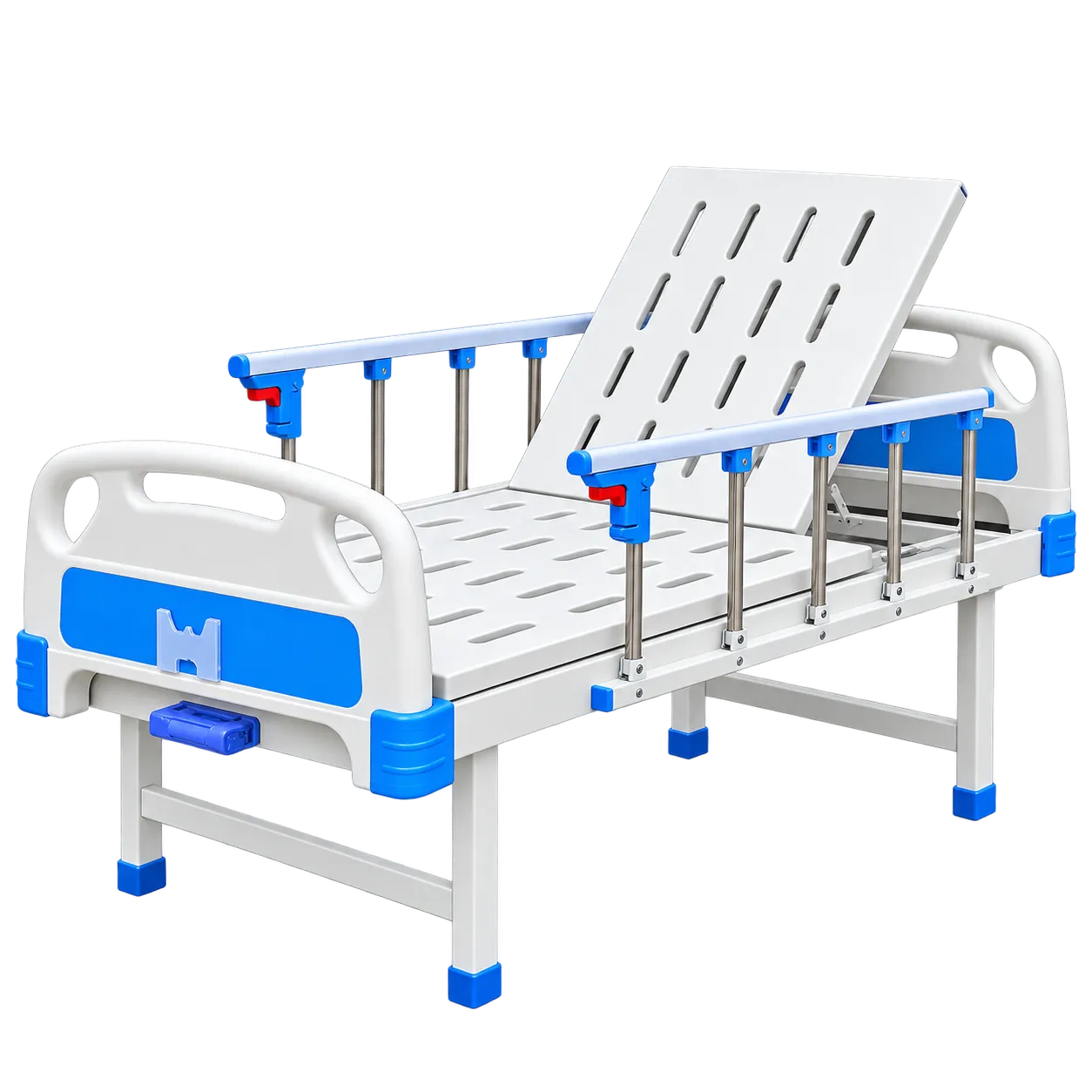


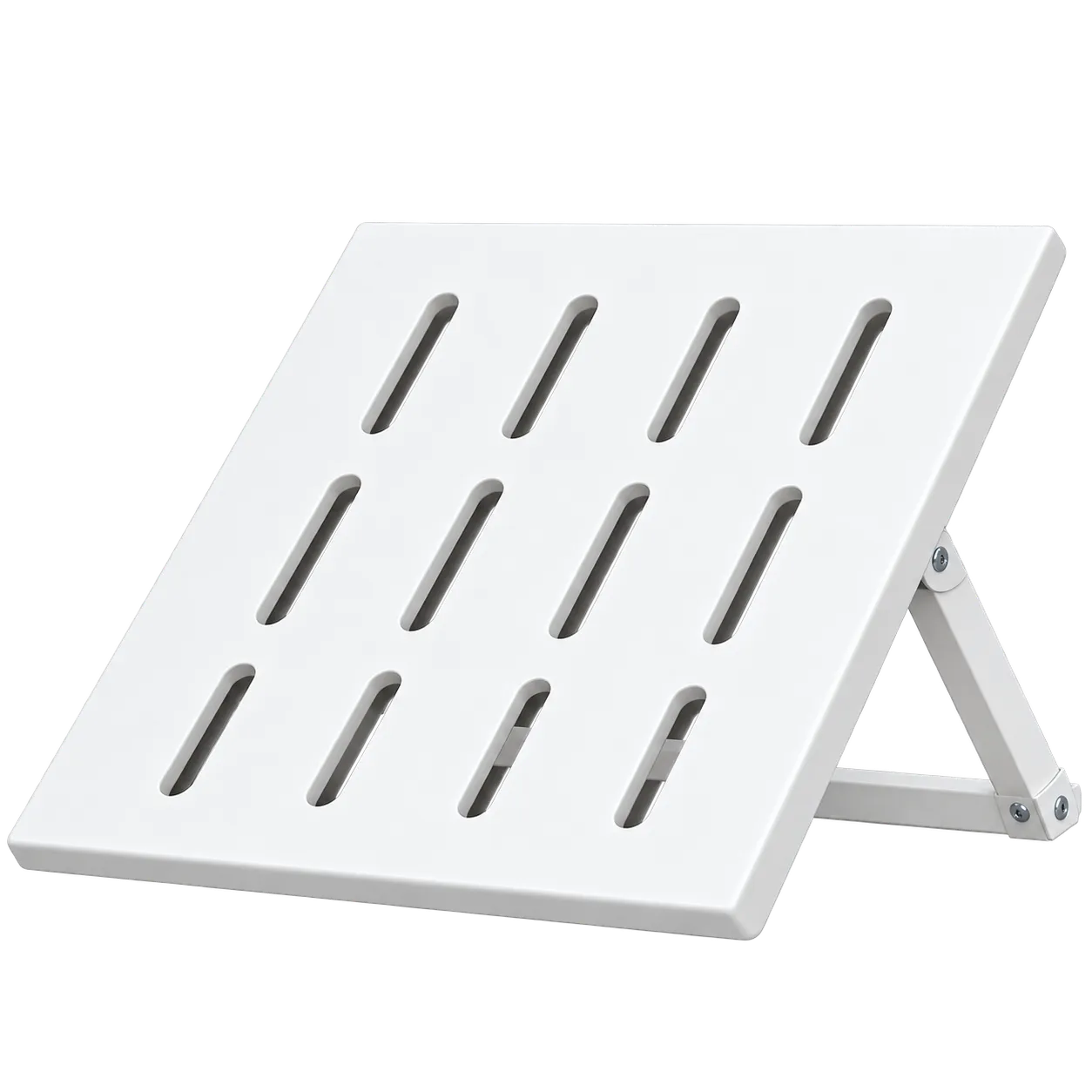
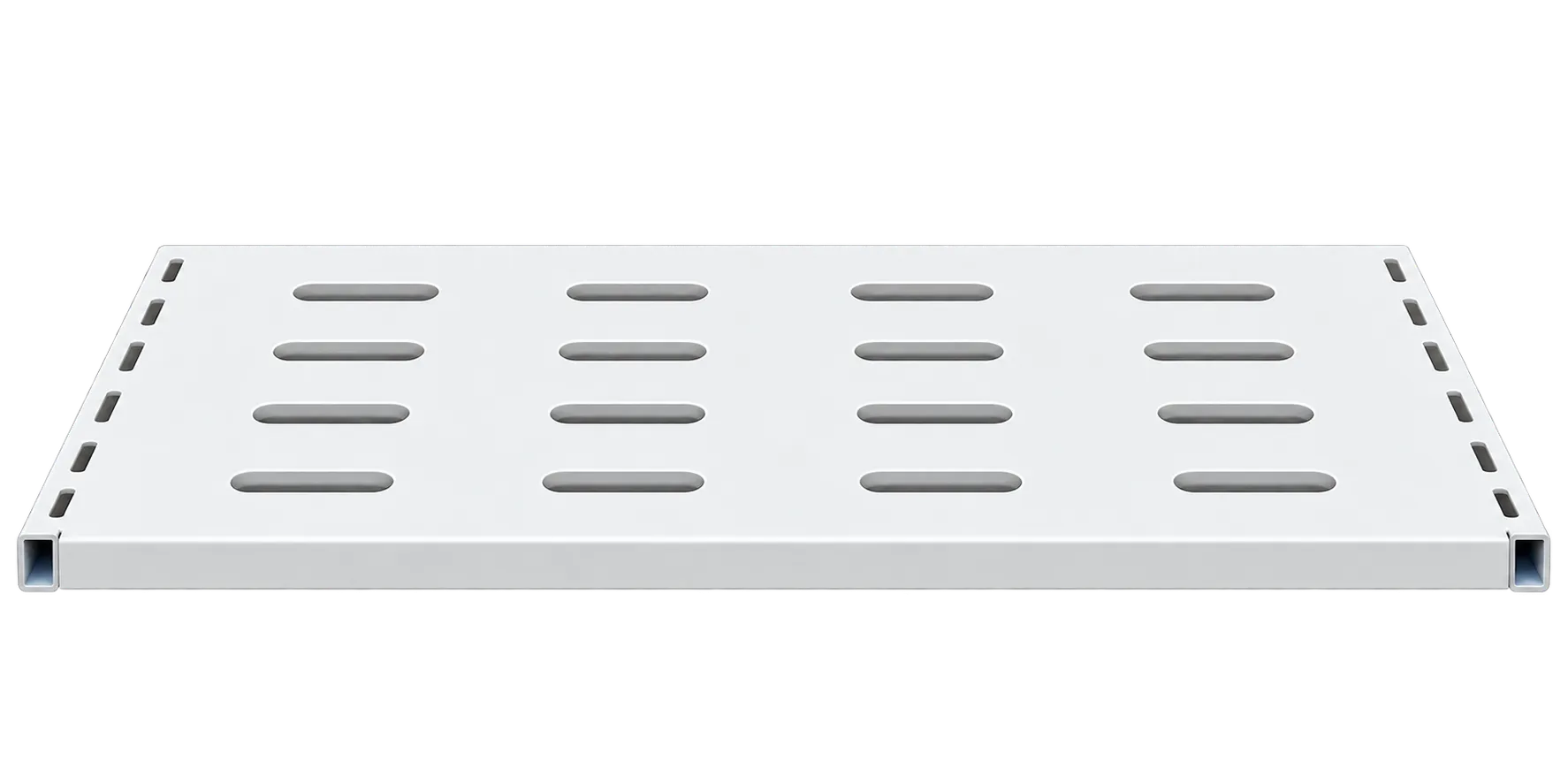
Care homes and community services taking single deliveries should settle the assembly question before the date is agreed. A bed that arrives in parts needs somebody competent, a working space and time on the day, none of which appears on a delivery note. Where the answer is that it ships built, the inspection is shorter but not skipped, because positioning and stability still depend on how it is set down.
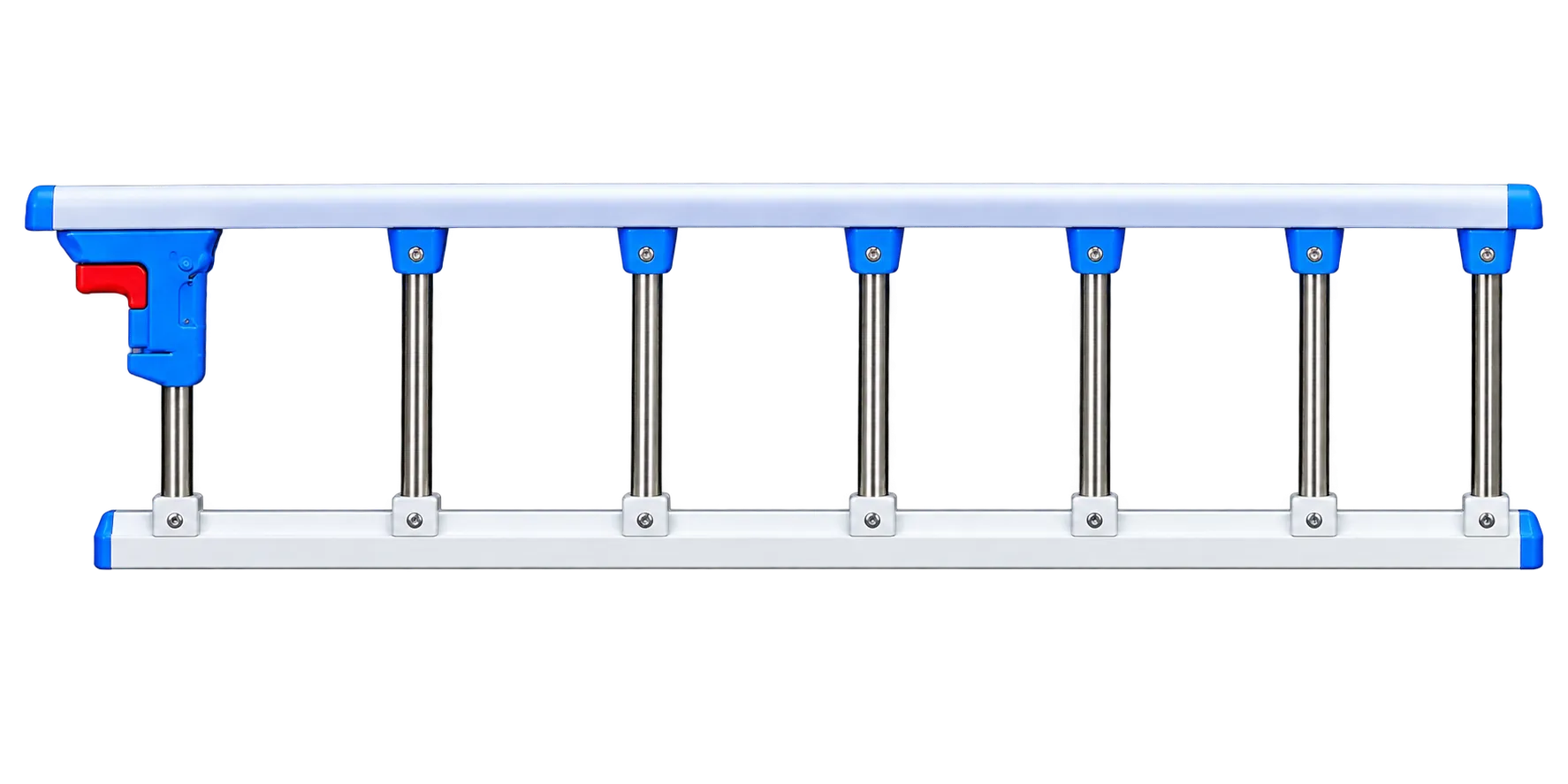
Equipment services and loan stores handling volume should build the post-assembly check into the receipt process rather than treating it as a one-off. A short, repeatable sheet covering fixings, panels, mechanism and rail latching turns a legal obligation into a routine, and it produces the record PUWER expects without a separate exercise.
Ward and estates teams need to know who signs the bed into service. Naming that person at the point of order avoids the situation where a bed stands made up in a bay with nobody certain whether it has been checked. Keep the record with the equipment inventory alongside servicing.
Procurement should ask for the assembly state, the instructions and any check sheet as part of the quotation pack. Routes across NHS trusts, local authority equipment services and independent providers each ask for their own evidence. The conformity documentation those procurement routes require is issued by the manufacturer and provided by the seller.