

Care homes and continuing care wards should treat the call-bell consequence as a staffing input rather than a surprise. Record how often a resident is likely to need repositioning, and check that against the establishment on nights as well as days. A bed the person cannot adjust shifts a small, frequent task onto staff, and small frequent tasks are the ones that get absorbed silently until they stop being absorbed.
Post-operative and precaution-led placements read the same characteristic the other way. Where a plan specifies an angle and it needs to hold, a bed that only a carer can change protects the plan. Record that reasoning in the care plan so the allocation is understood as deliberate.
Settings supporting people who are reluctant to ask for help need the comfort-check response. Scheduled checks rather than waiting for the bell suit residents new to a placement, people who see calling as a nuisance, and anyone whose pain or stiffness builds gradually. Brief staff that quiet does not mean comfortable on this bed.
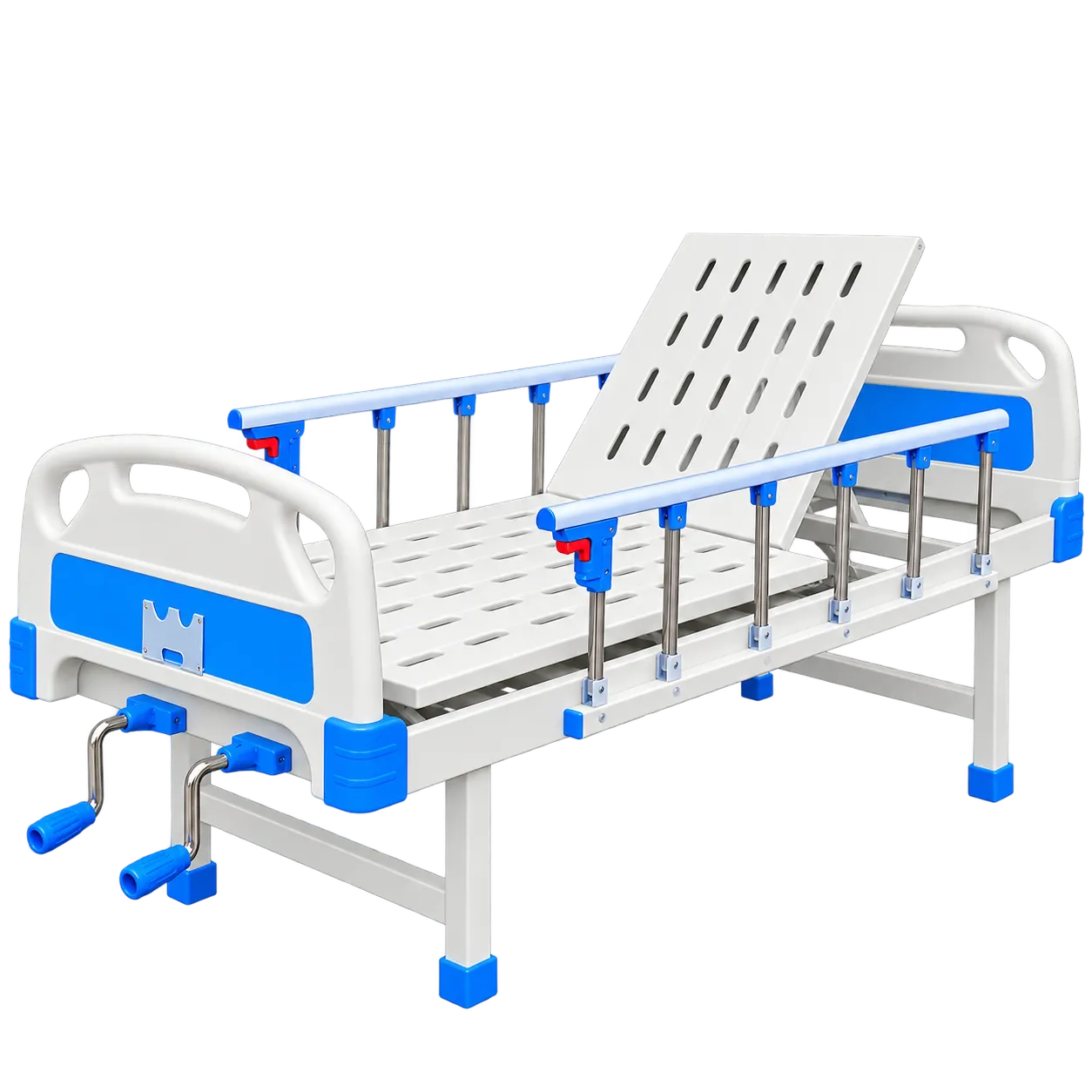
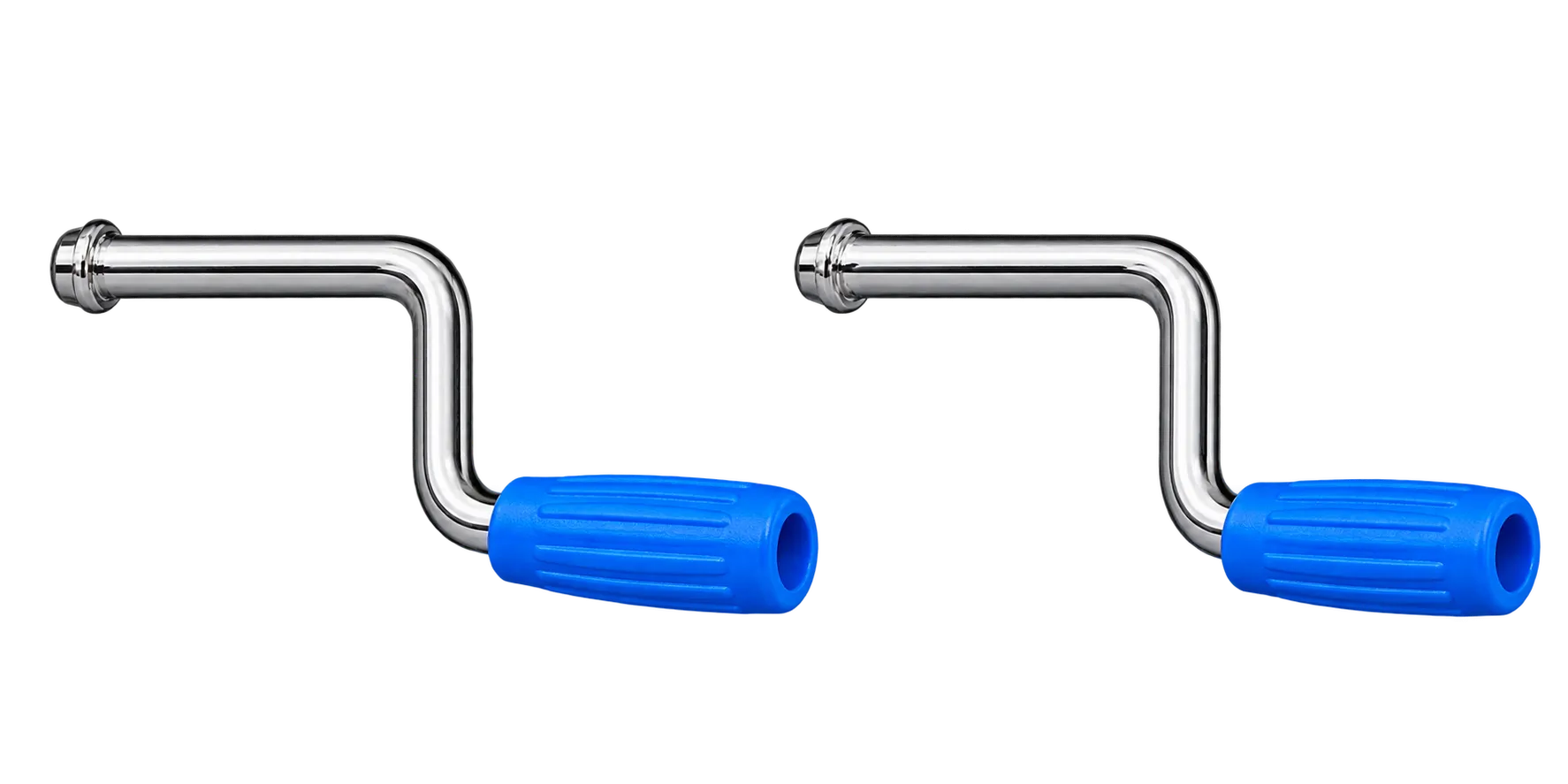
Estates and governance should record the handle positions alongside the bed on the equipment inventory, since on a static frame the standing room at the foot end is permanent and needs to be designed in. Procurement routes across NHS trusts, local authority equipment services and independent providers each ask for their own evidence. The conformity documentation those procurement routes require is issued by the manufacturer and provided by the seller.