
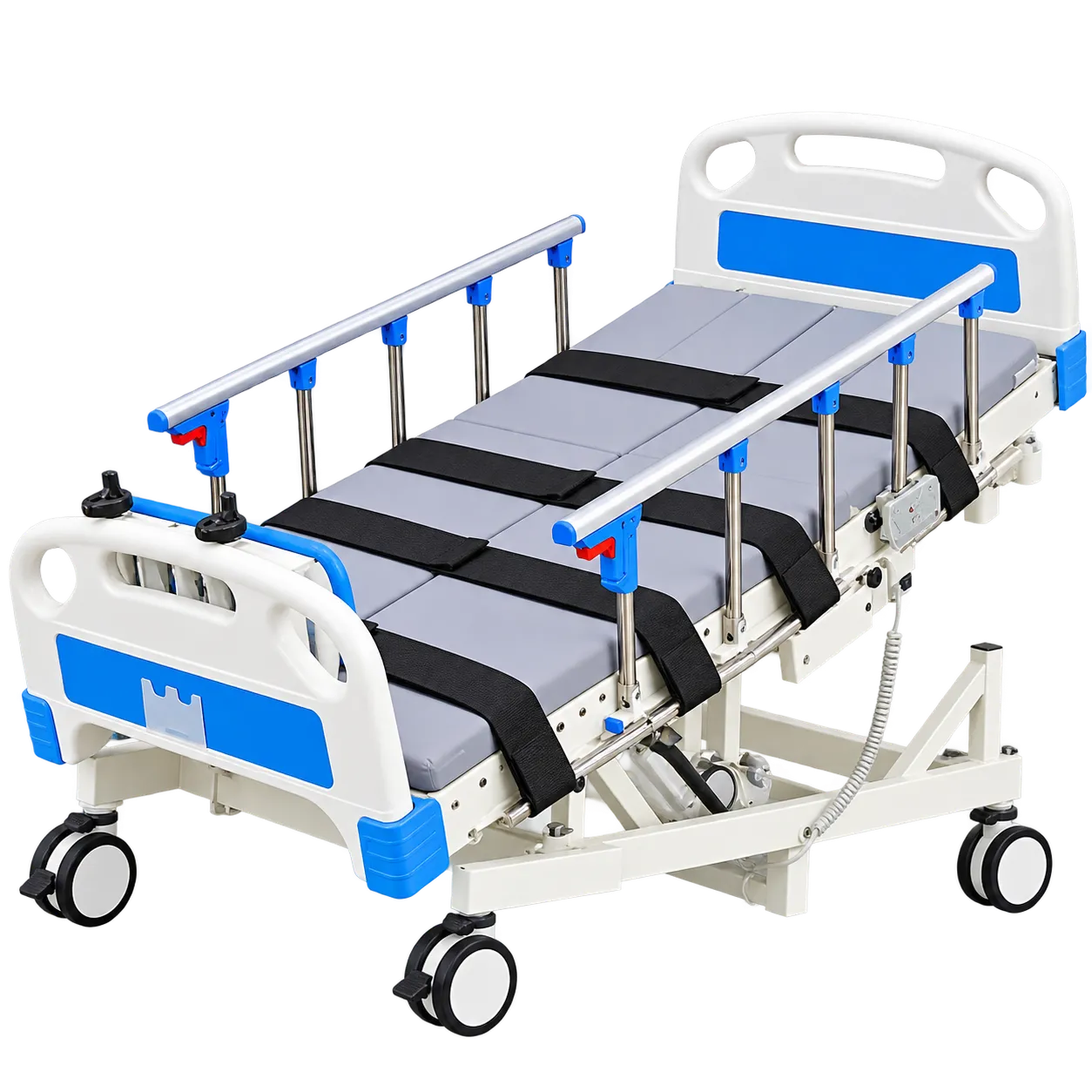
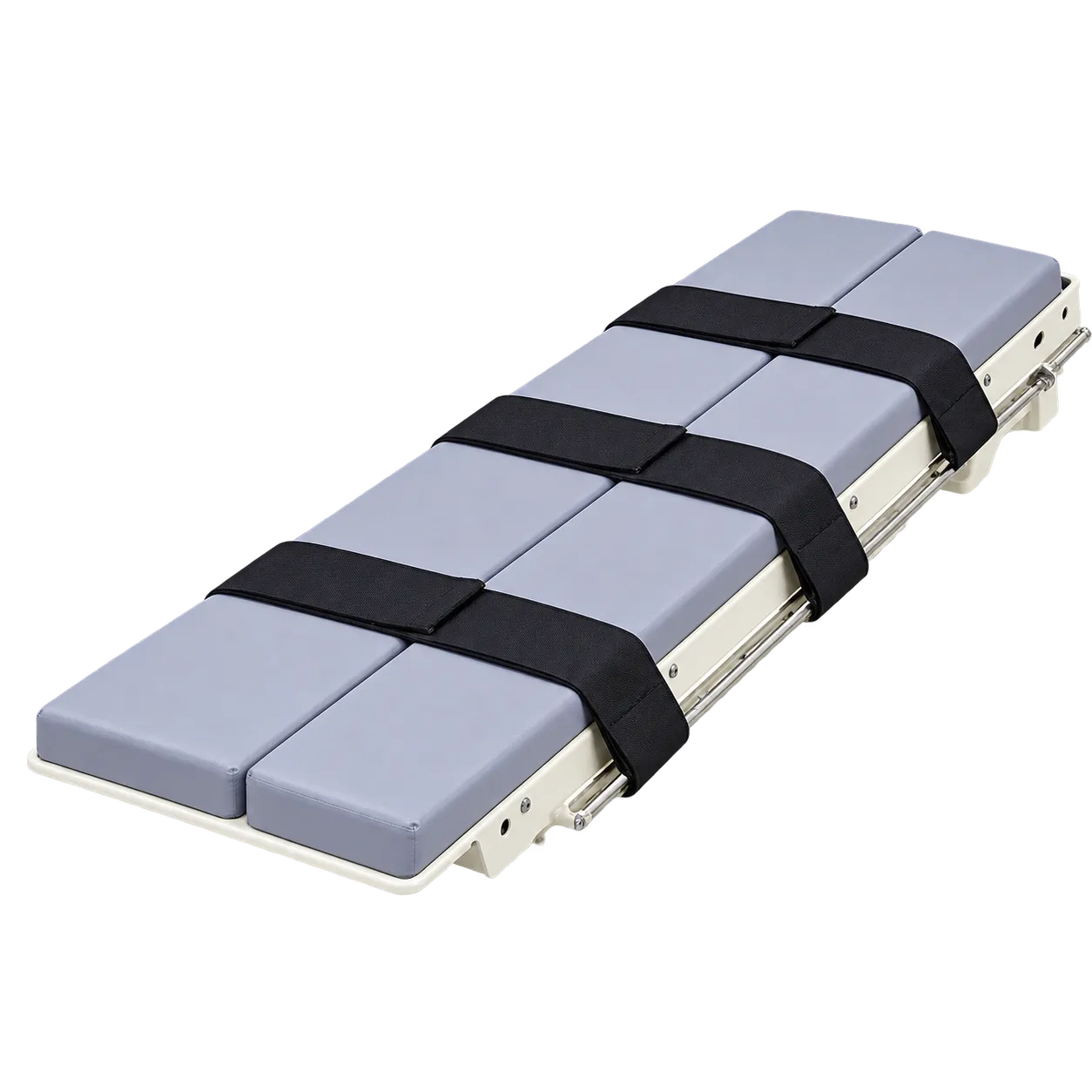
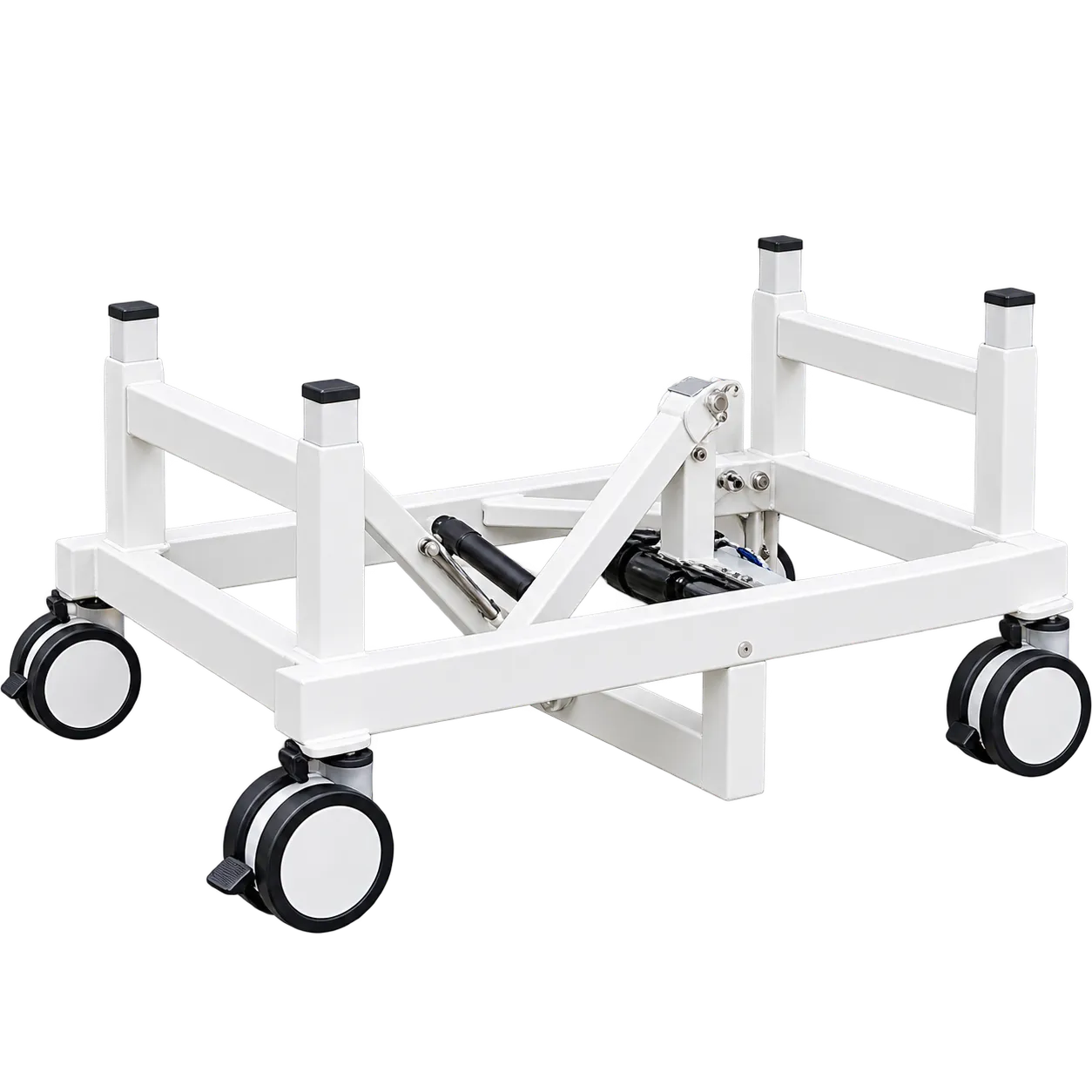
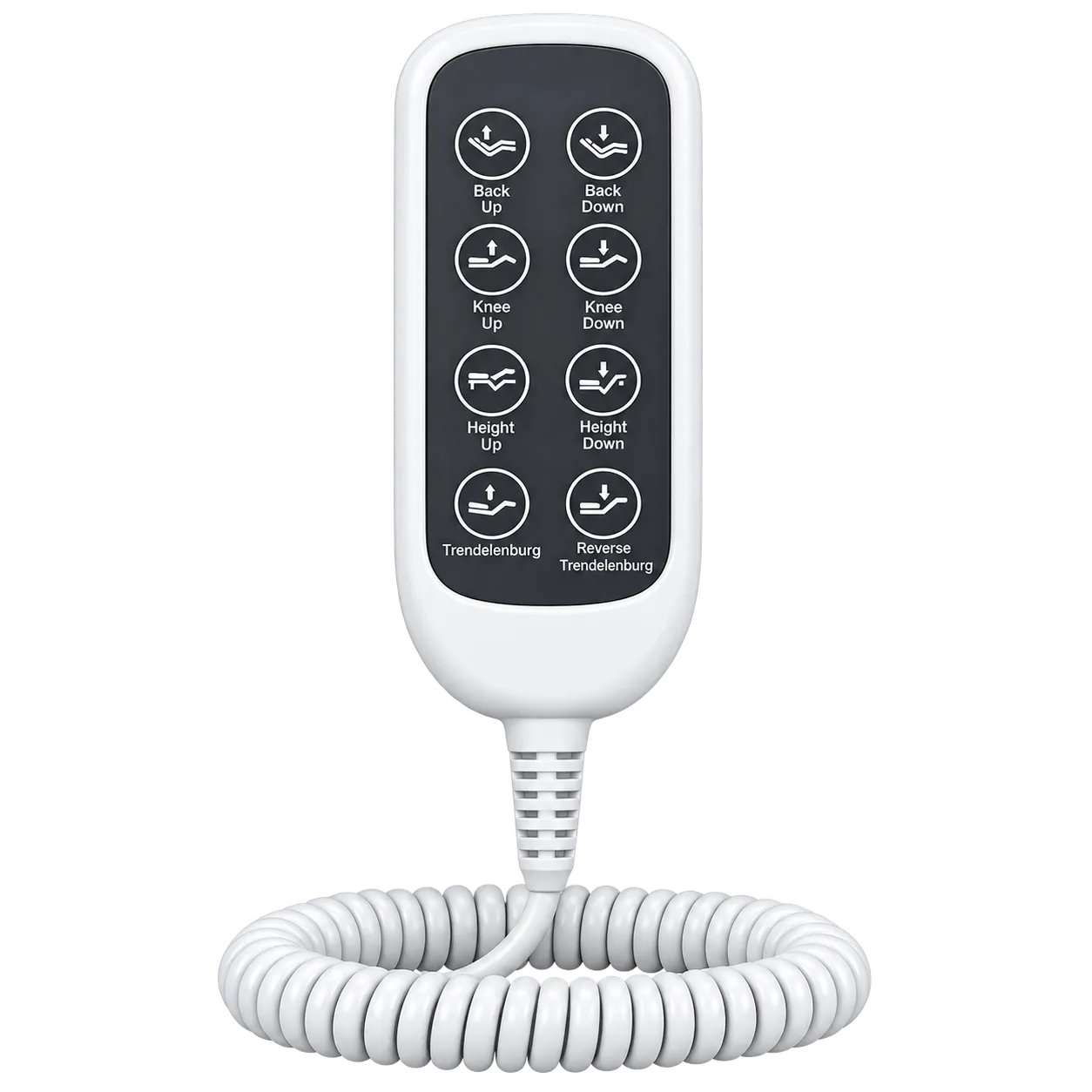
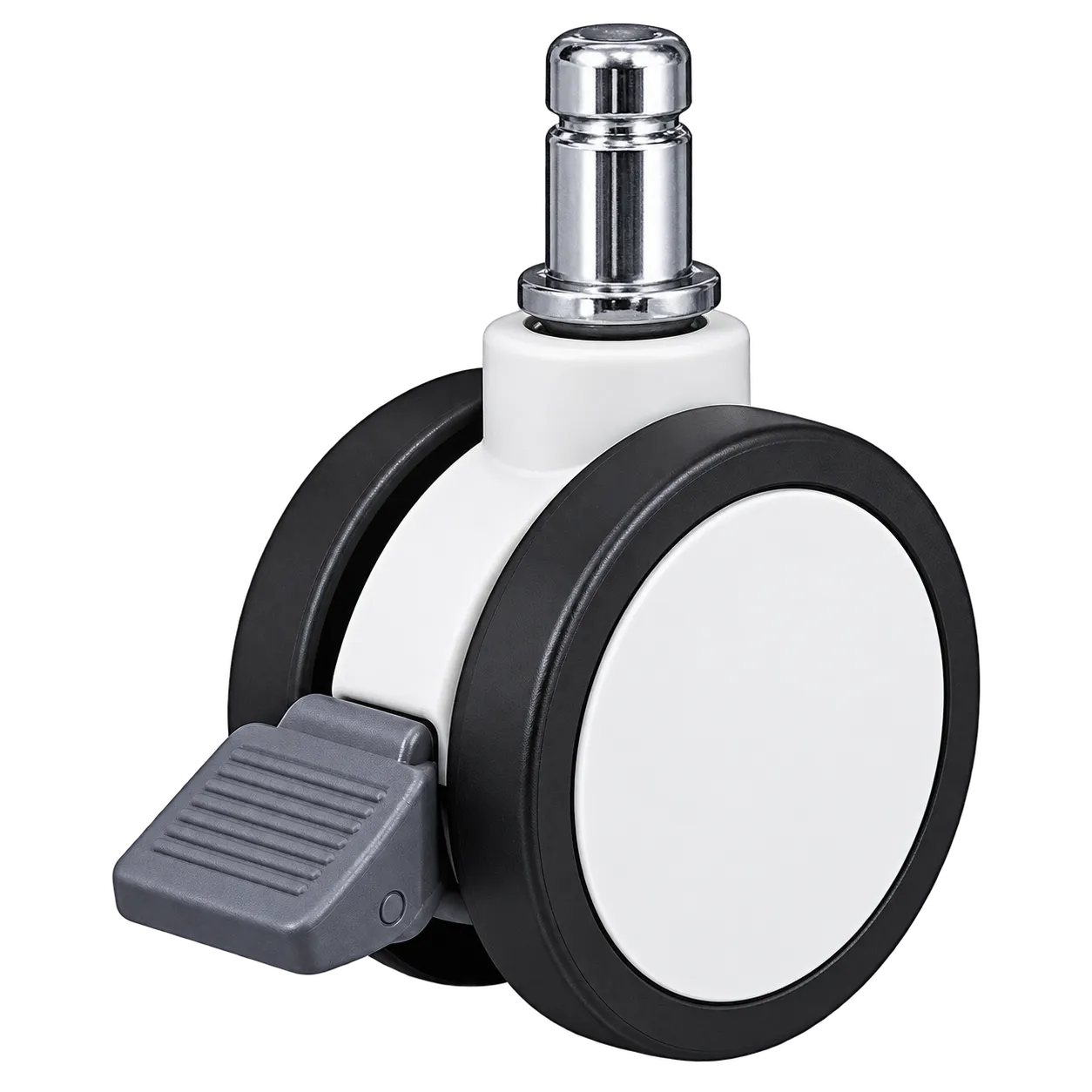
Neurological rehabilitation units get the widest use from the function set. A patient early in an acquired brain injury or stroke pathway needs profiling for observation and feeding, turning for skin protection while immobile, and graded upright positioning as tolerance builds. Covering all three on one frame keeps the patient on a familiar surface as the plan changes, and keeps lines, drains and monitoring connected through each stage.
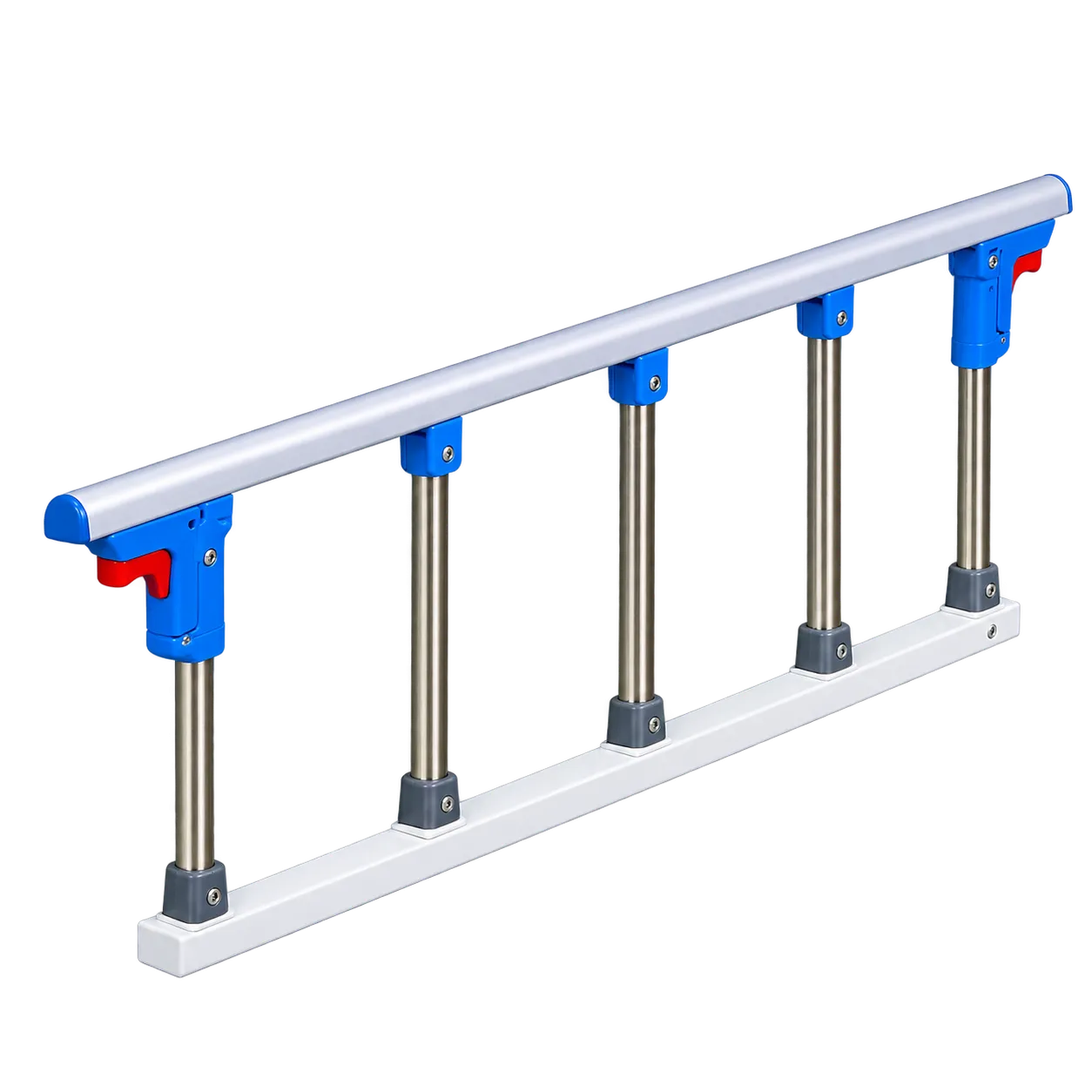
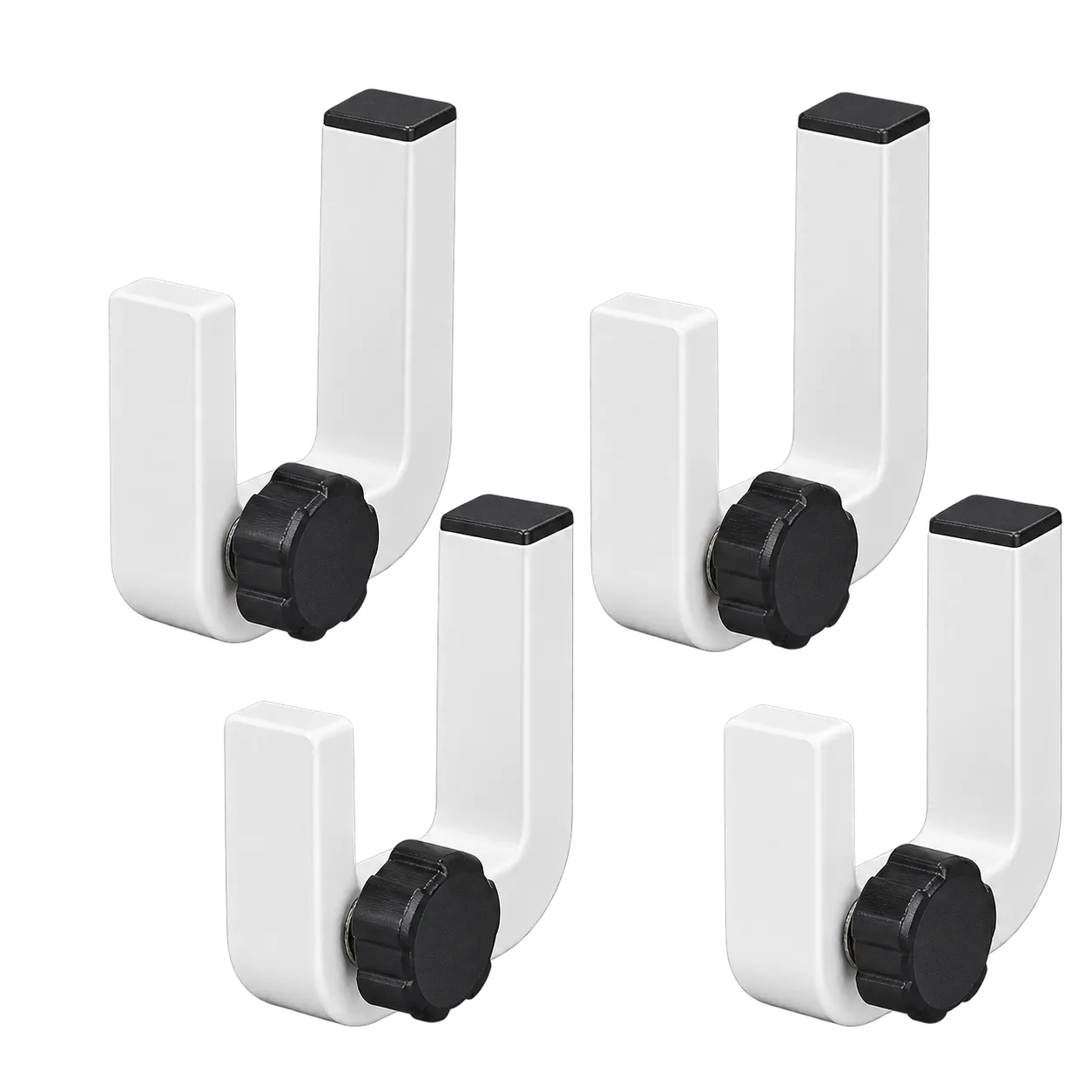
Long-term neurological and complex care settings use the turning function daily and the standing function weekly. Where tissue viability governs the plan of care, powered lateral turning supports a repositioning schedule, and four drainage hooks and a stainless steel guardrail suit a resident with catheters and lines in place for months rather than days. Turn angle is the figure that decides whether the movement redistributes pressure meaningfully, and it is not published.
Spinal injury rehabilitation uses verticalisation for weight-bearing, bone loading and postural tolerance, with the exercise pedal adding a lower limb element to the same session where the specification supports it. Confirm the pedal's drive method before it appears in a treatment plan, since that determines which patients can use it.
Departments modelling capacity should read the function list as a scheduling question. One frame that profiles, turns and stands can serve several care episodes in a day, which is efficient until the day it cannot: a fault, a service visit or a statutory thorough examination removes every function at once. Procurement routes across NHS trusts, local authority services and independent providers each ask for their own paperwork. The conformity documentation those procurement routes require is issued by the manufacturer and provided by the seller.