
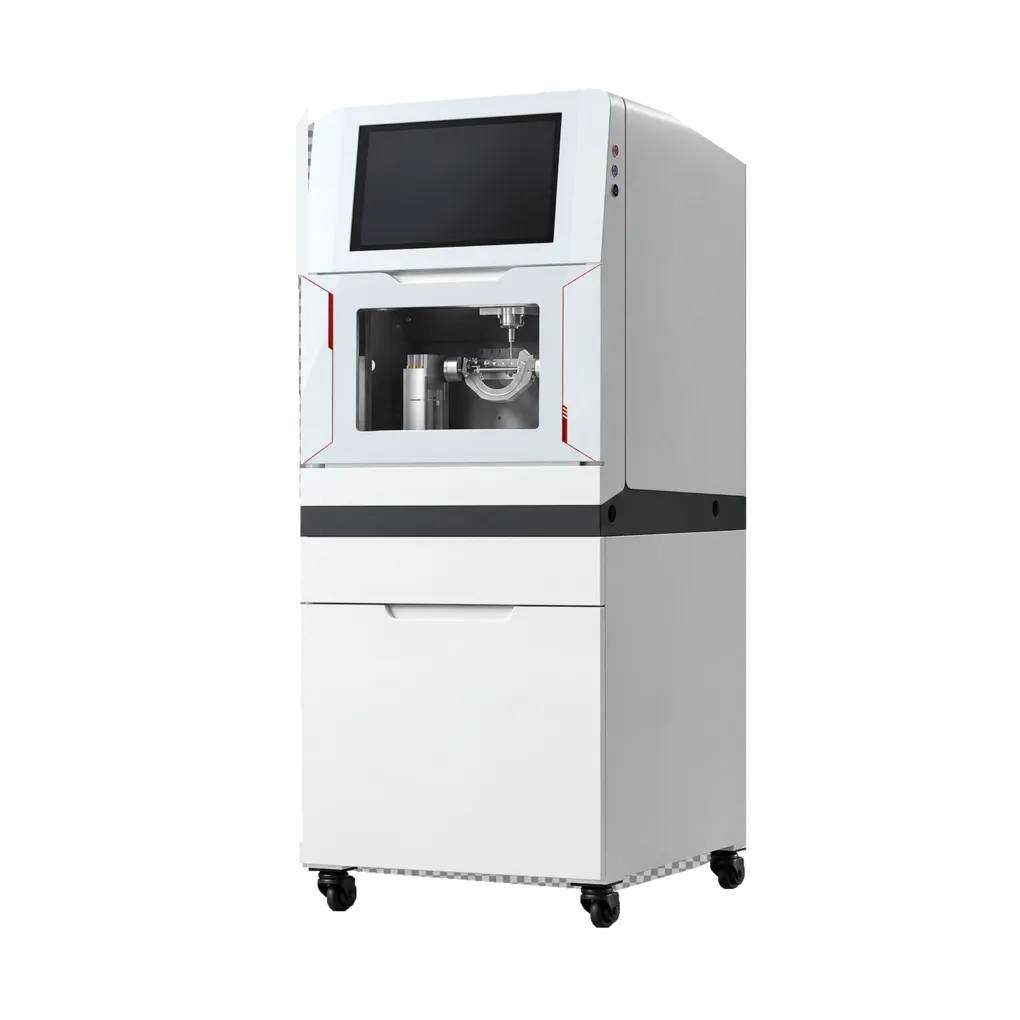
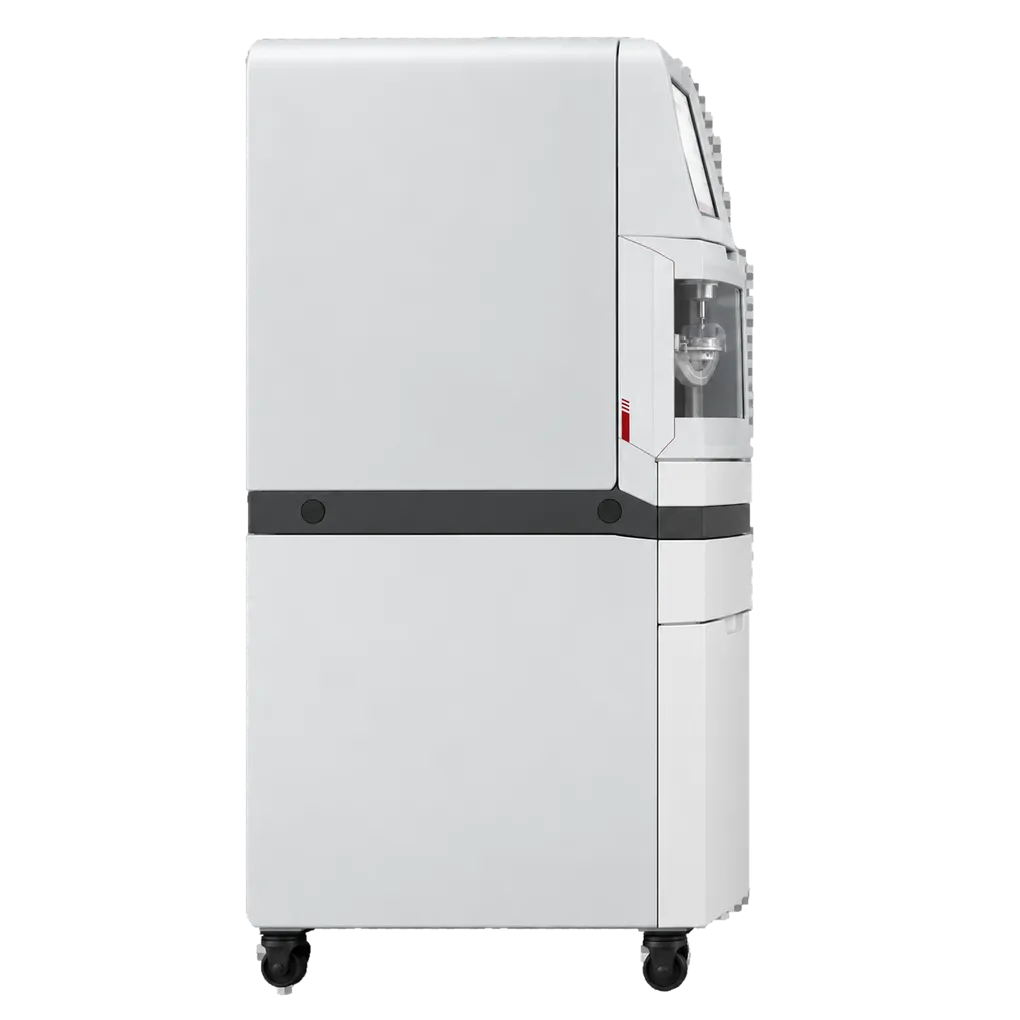
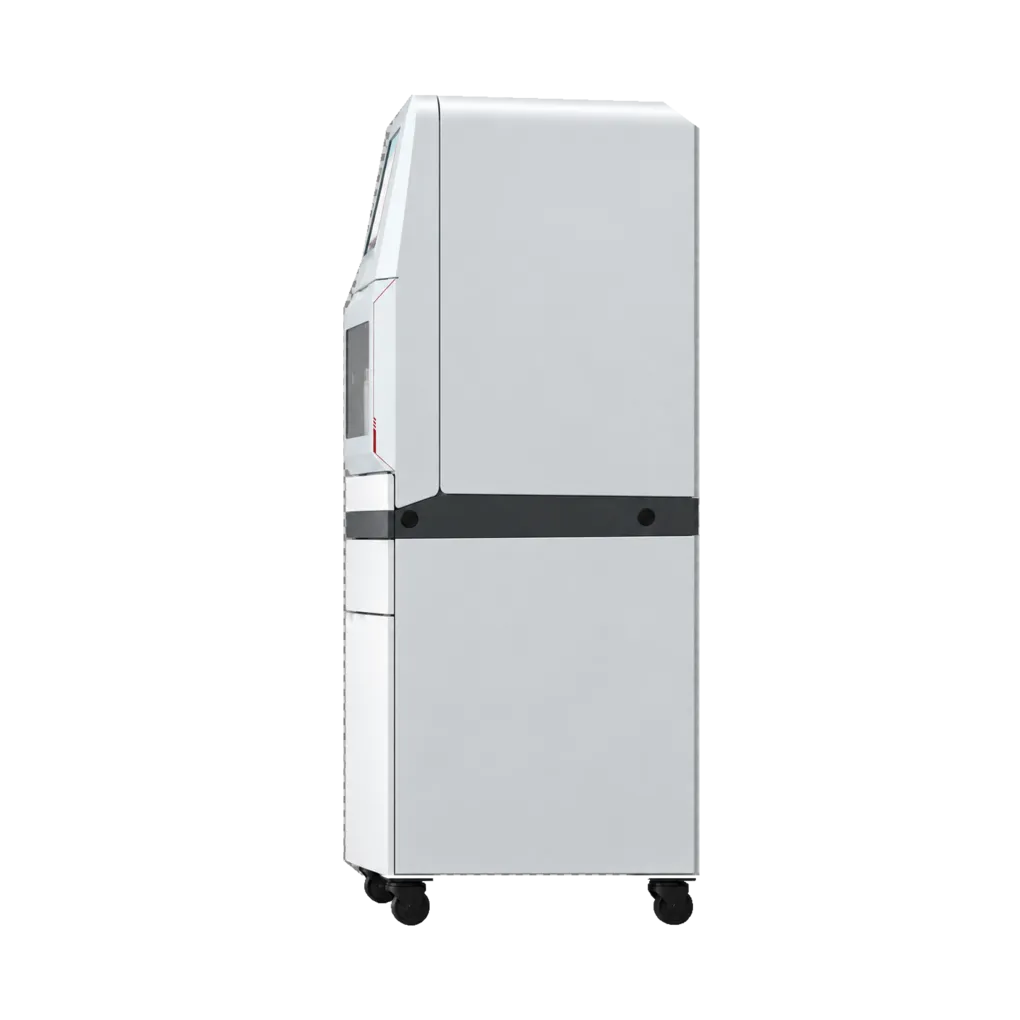
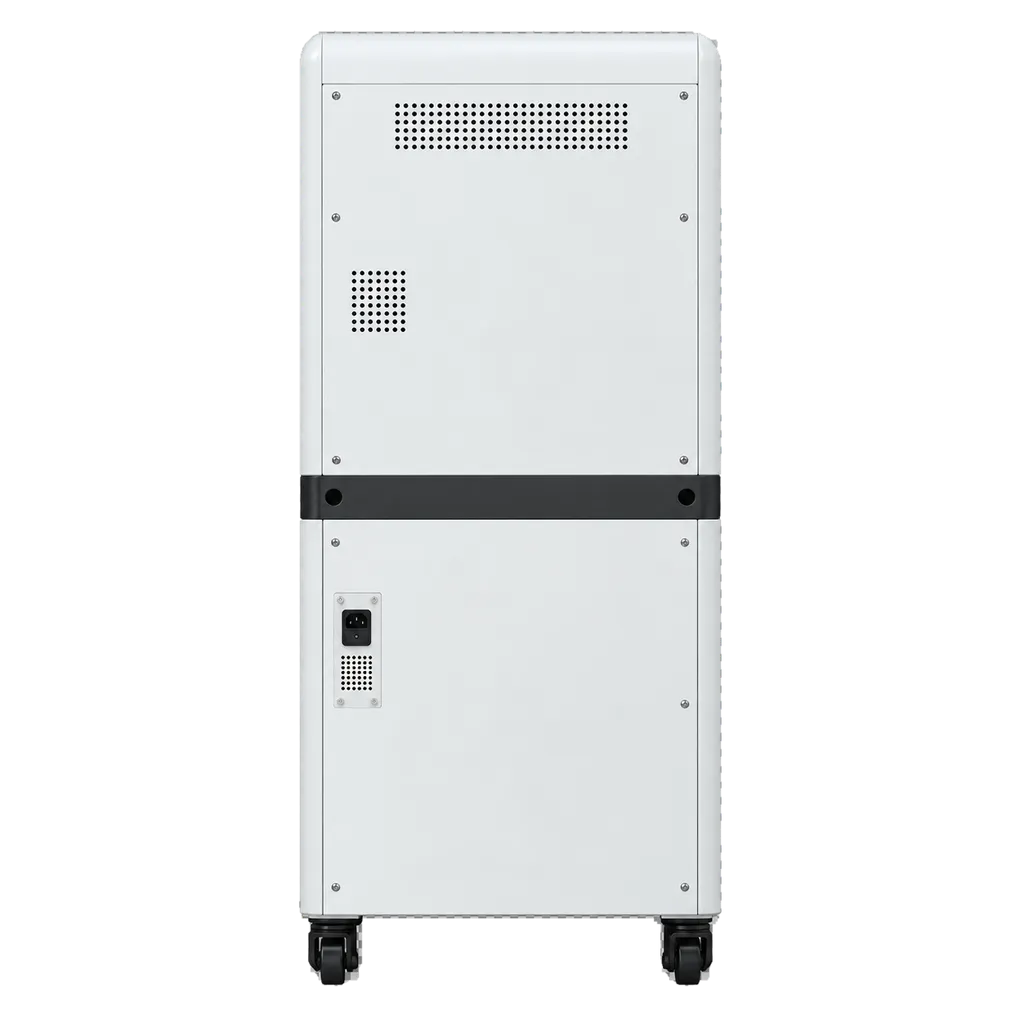
Chairside and laboratory CAD/CAM production covers most of the fixed prosthodontic workload in UK dentistry, and a five-axis wet and dry machine is positioned for the laboratory end of it. Typical output includes single crowns, bridge frameworks, inlays and onlays, veneers, implant superstructures and abutments, splints and dentures, subject to confirmation of which materials the machine actually supports.
Five-axis capability matters for particular geometries. Undercuts, divergent implant channels, angulated screw access and steep occlusal anatomy all require tool approach from directions a three-axis machine cannot reach, which is why implant work and complex bridge frameworks push laboratories towards five axes. Whether this machine's working envelope covers your typical span lengths is a question for the specification.
Wet and dry capability broadens the material range in principle. Zirconia is normally milled dry from pre-sintered blanks and then sintered; glass ceramics, composites and metals are normally milled wet with coolant. A laboratory operating both routes otherwise batches its work around mode changeover, and automatic switching removes that scheduling constraint.
The regulatory picture for the laboratory sits alongside the equipment. A laboratory manufacturing custom-made devices carries registration obligations with the MHRA and issues the accompanying statement with each device; dental technicians are registered with the General Dental Council, and materials used must carry their own conformity documentation. Traceability from prescription through blank batch to finished restoration is part of that.
Health and safety obligations attach to the process rather than the machine. Respirable dust from dry milling falls within COSHH, local exhaust ventilation carries statutory examination and testing duties, and coolant used in wet milling needs handling and disposal arrangements. Settle the extraction and coolant specification before delivery rather than after.