
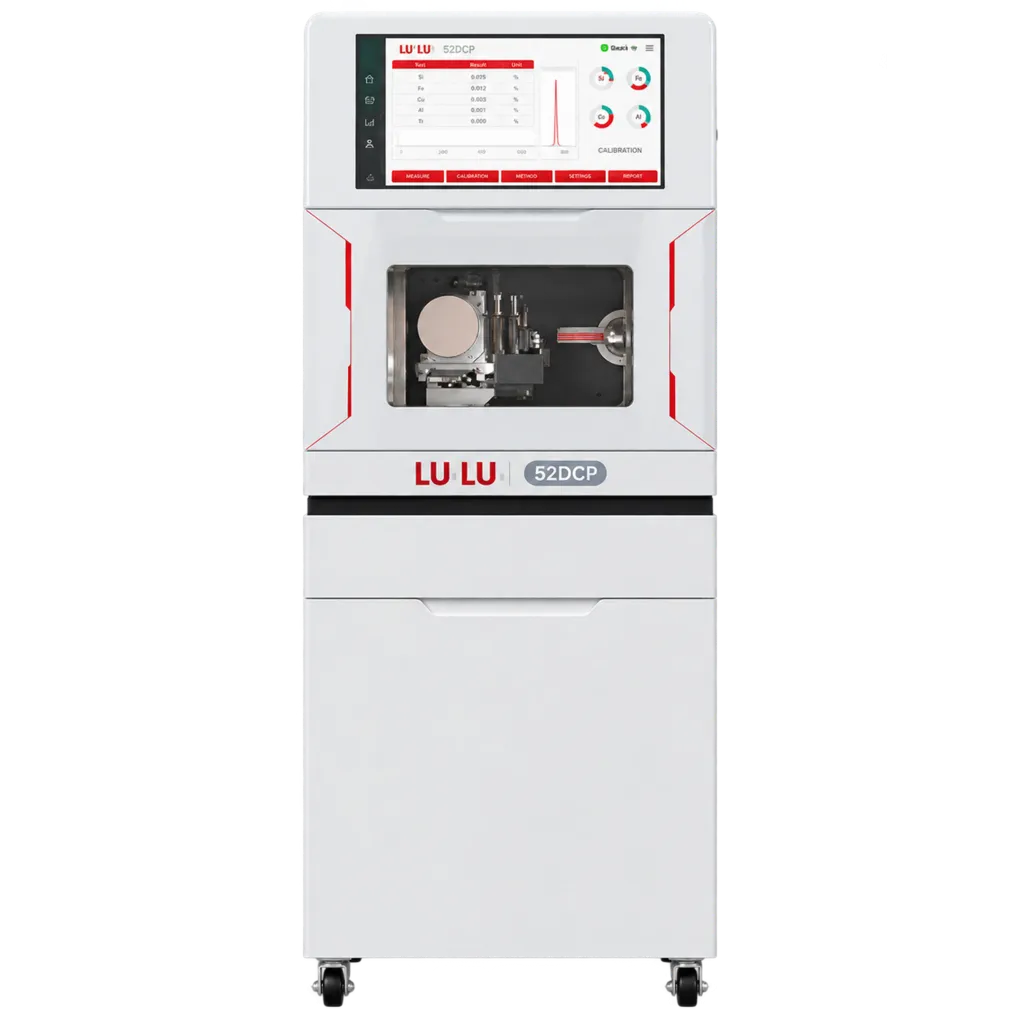
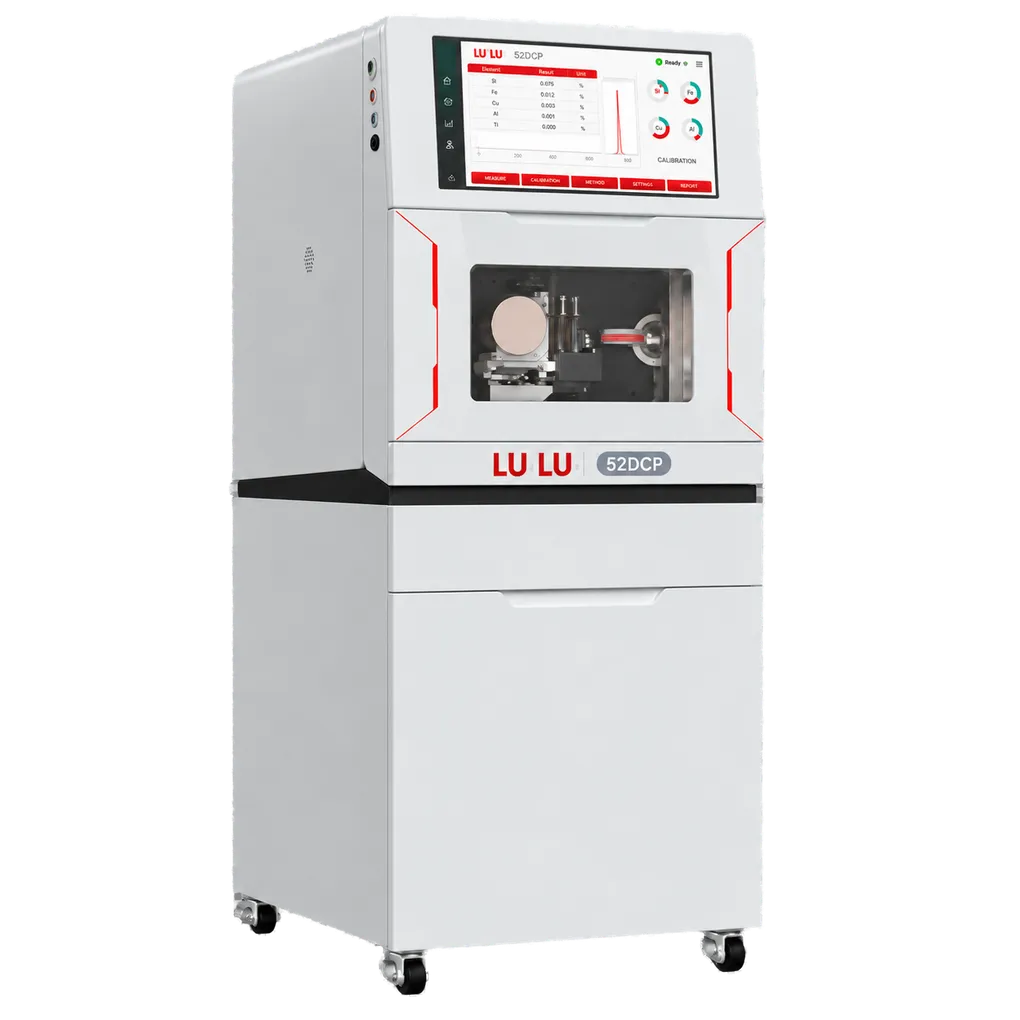
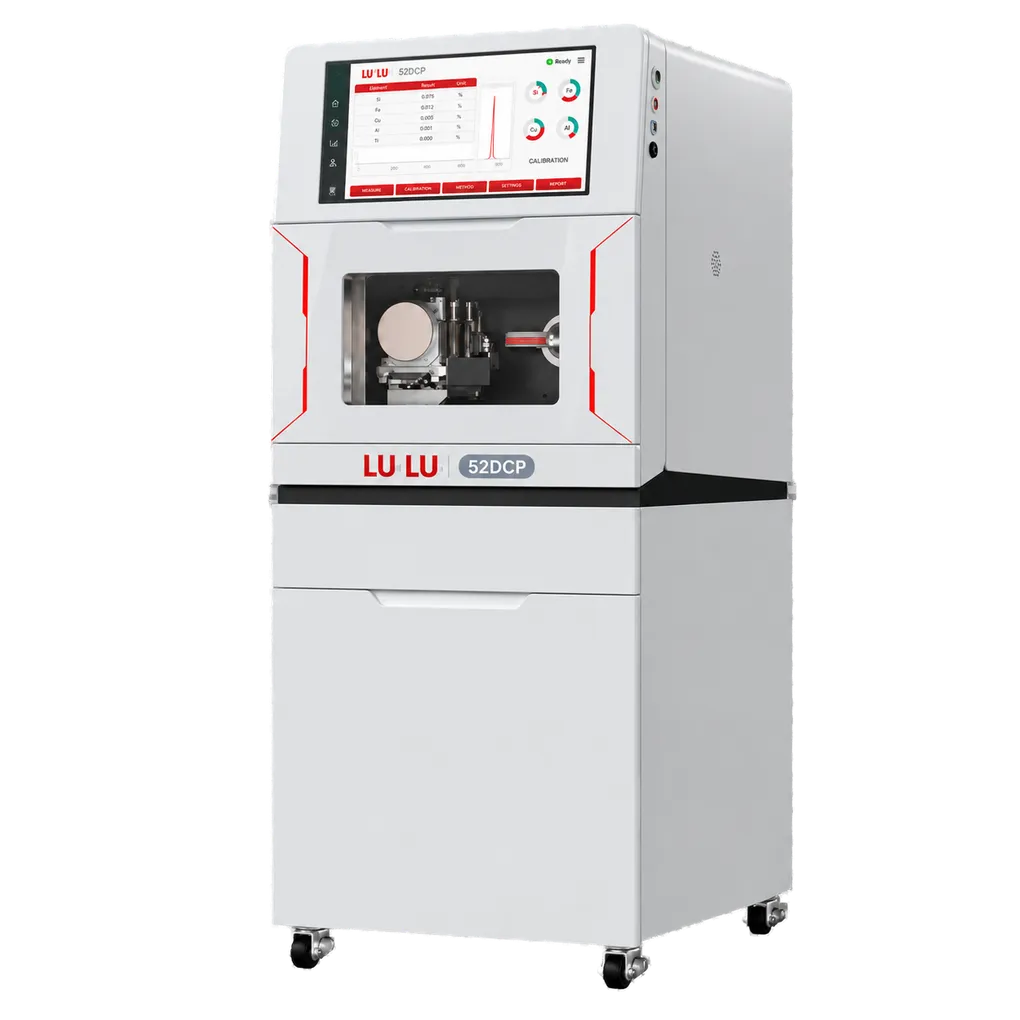
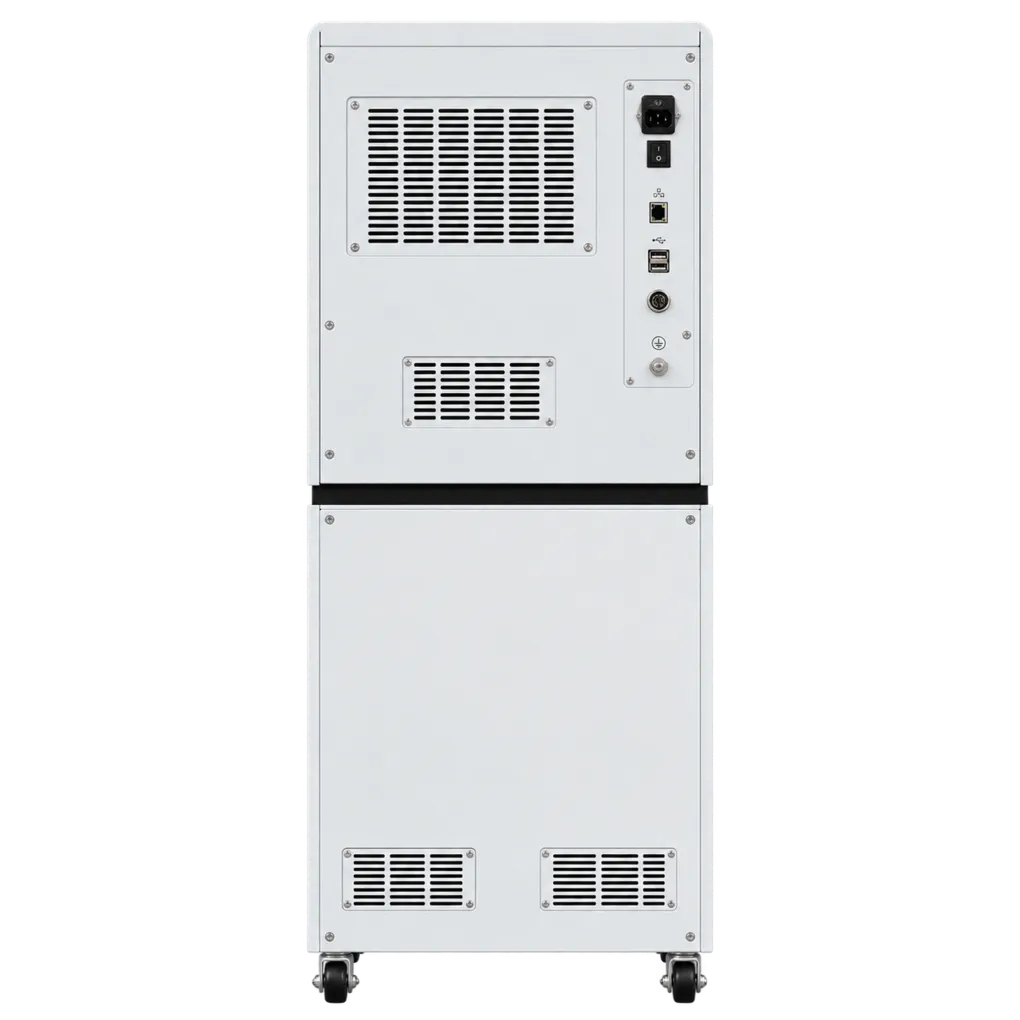
Laboratory CAD/CAM production covers most of the fixed and removable prosthodontic workload in UK dentistry, and the 52DCP is positioned across a broad span of it. The published application list marks crown and coping, crown and coping bridge, screw-retained bridge in crown and coping form, customised abutment, hybrid abutment, inlay and onlay, model, bite splint and denture at the higher compatibility level, with implant bar marked at the lower one.
Denture production is the headline application. Milling a denture base from PMMA with coolant gives a good surface directly off the machine and carries polymer swarf away suspended as slurry, which matters for both finish time and the working environment. Bite splints sit in the same material group and are marked compatible.
Glass ceramic work is the other significant addition. Coolant is what allows glass ceramic to be cut without microfracture, so inlays, onlays, veneers and anterior crowns in that material are within scope with the dedicated holder. Confirm which ceramic systems are validated, since blank formats and mandrel standards vary between manufacturers.
Implant work needs the material boundary read carefully. Customised and hybrid abutments are marked at the higher compatibility level, and pre-milled blanks are supported at six positions, so finishing pre-formed metal components is within scope. Milling metal from a solid disc is not — cobalt chrome and titanium discs are both marked not compatible. Implant bar sitting at the lower compatibility level follows from exactly that distinction.
Wet milling brings its own facility requirements. Coolant supply, filtration, monitoring and disposal all need arranging, and used machining coolant is a waste stream to account for. Laboratory obligations sit alongside: MHRA registration for manufacturers of custom-made devices, GDC registration for technicians, material conformity documentation and batch traceability from blank to finished device.