
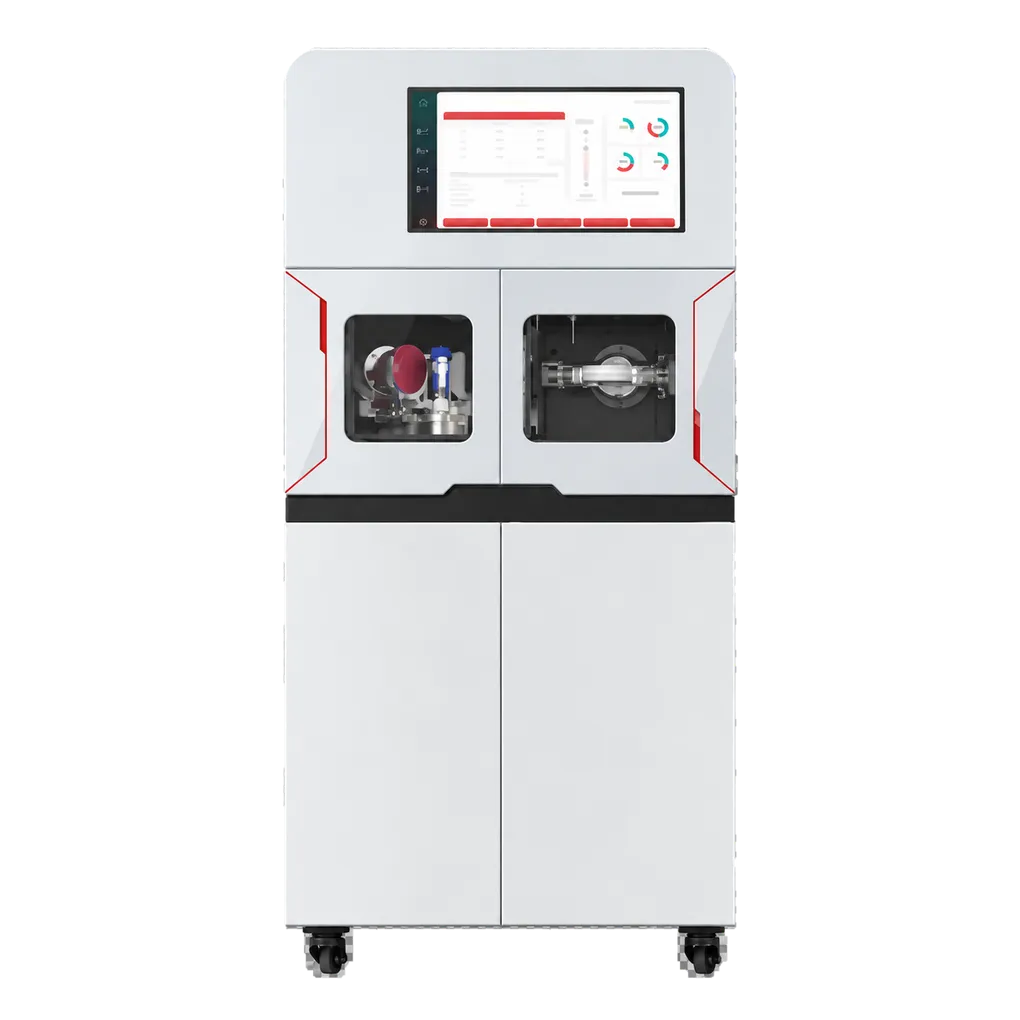
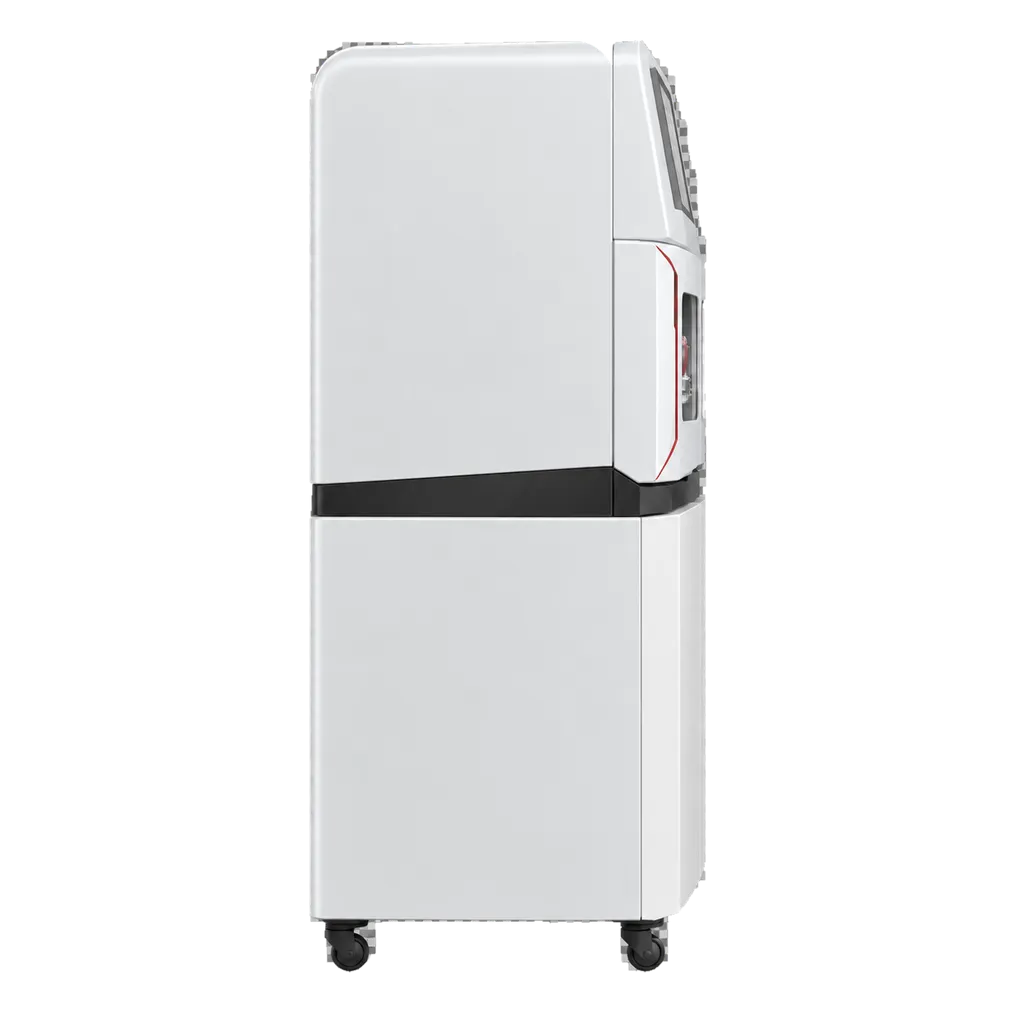
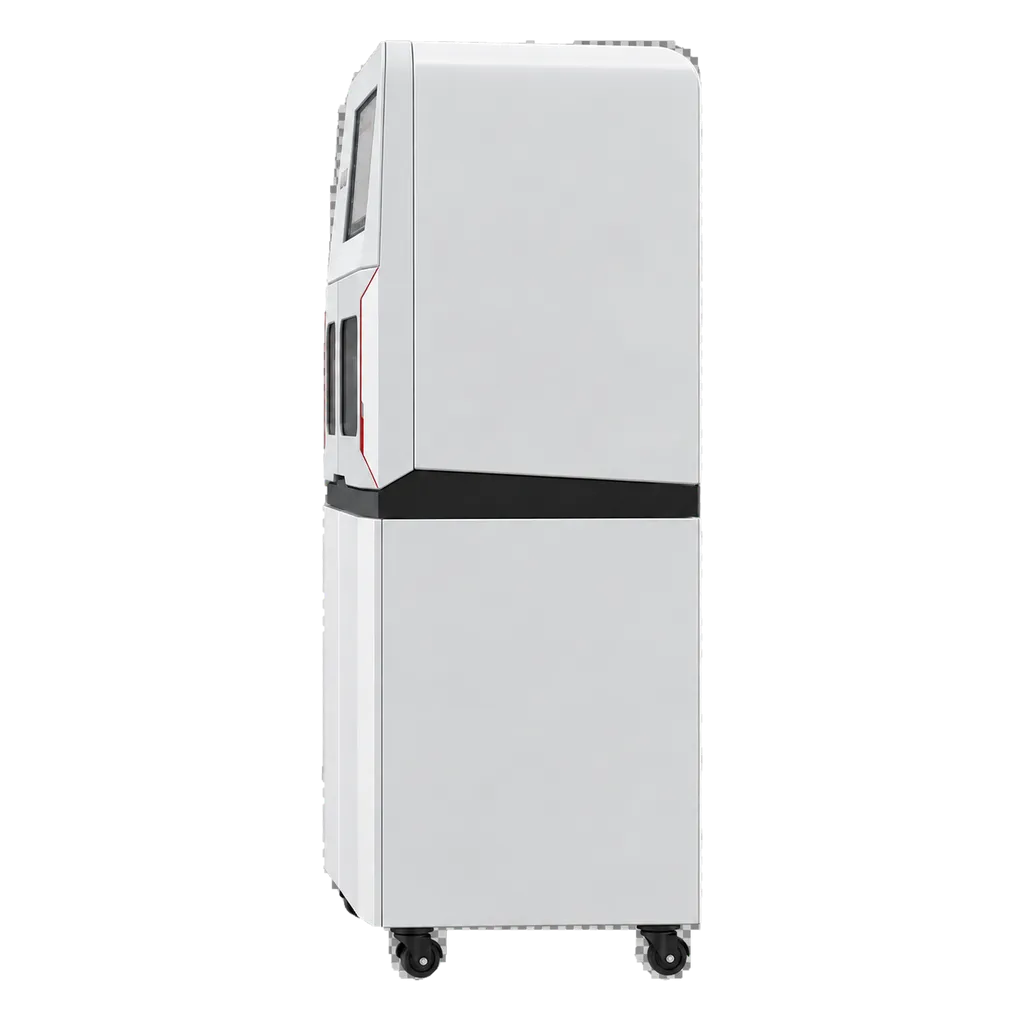
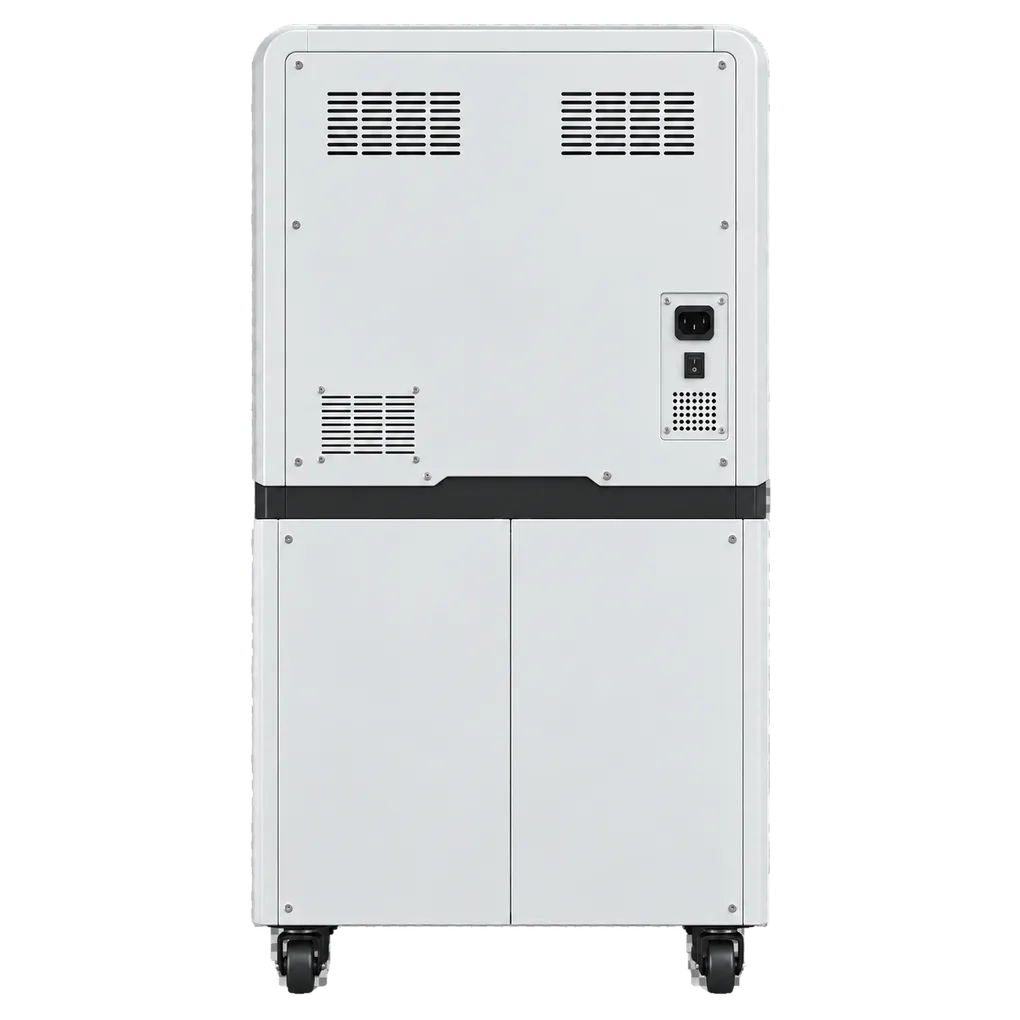
Laboratory CAD/CAM production covers most of the fixed prosthodontic workload in UK dentistry, and an eight-position disc changer is aimed squarely at laboratories where volume, not capability, is the constraint. Typical output includes single crowns, bridge frameworks, inlays and onlays, veneers, implant superstructures and abutments, splints and dentures, subject to confirming which materials the machine supports.
Batch production is the pattern this machine is built for. A laboratory receiving cases through the day and milling overnight can queue work against a loaded silo and collect finished blanks in the morning, which changes the shape of the working week rather than simply speeding up individual jobs. Turnaround commitments to referring practices are usually set by the slowest step in the chain, and for many laboratories that step is machine availability.
Mixed-material working is the open question. If the eight positions can hold different materials and the queue can span them, a day's varied caseload runs unattended; if they cannot, the automation serves single-material batches. That distinction decides which laboratories benefit, and it is not answered in the manufacturer's material.
The separated silo carries a quality argument alongside the workflow one. Pre-sintered zirconia is porous before firing, and surface contamination picked up in storage carries through sintering into the finished restoration, so keeping stored blanks clear of swarf and coolant mist protects the result.
Laboratory obligations sit alongside the equipment throughout. Custom-made device registration with the MHRA, GDC registration for technicians, material conformity documentation and batch traceability from blank to finished device all apply, and traceability deserves particular thought where blanks are held loose in a silo.