

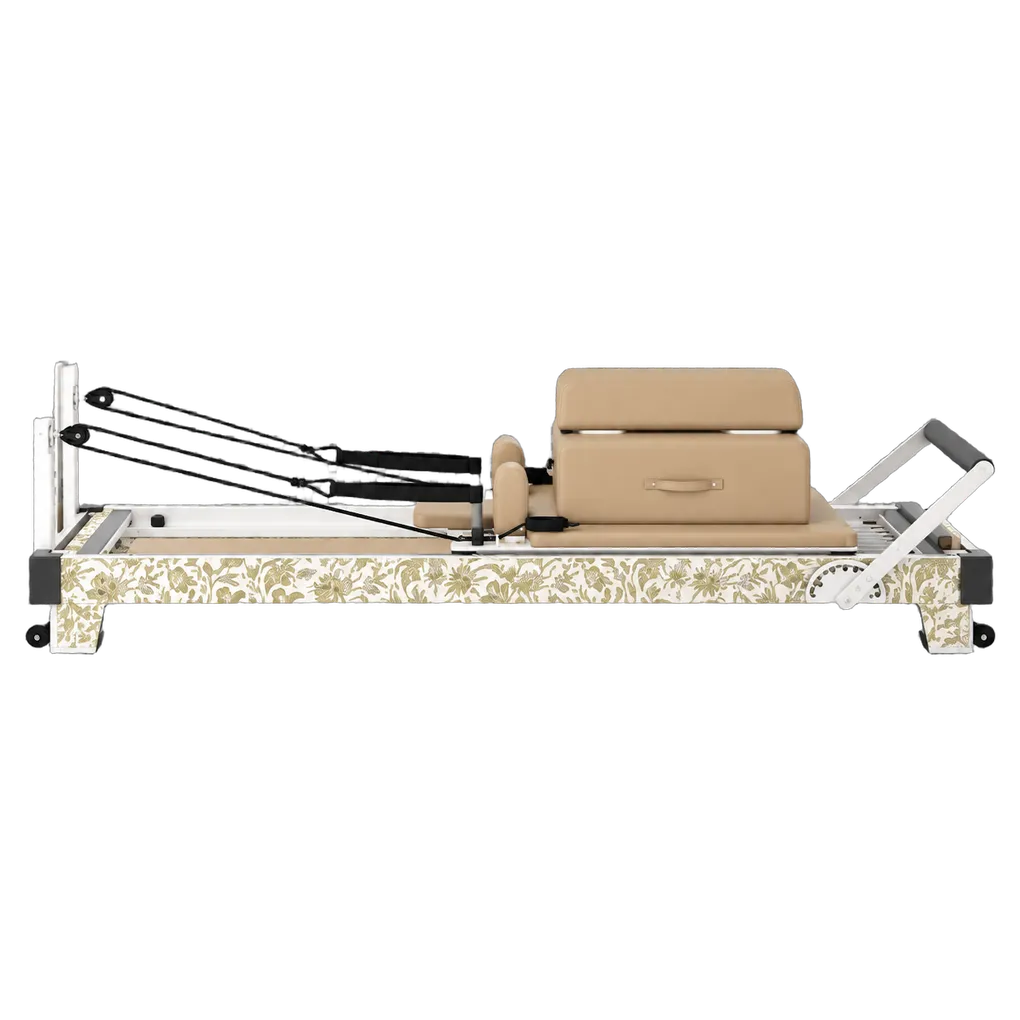
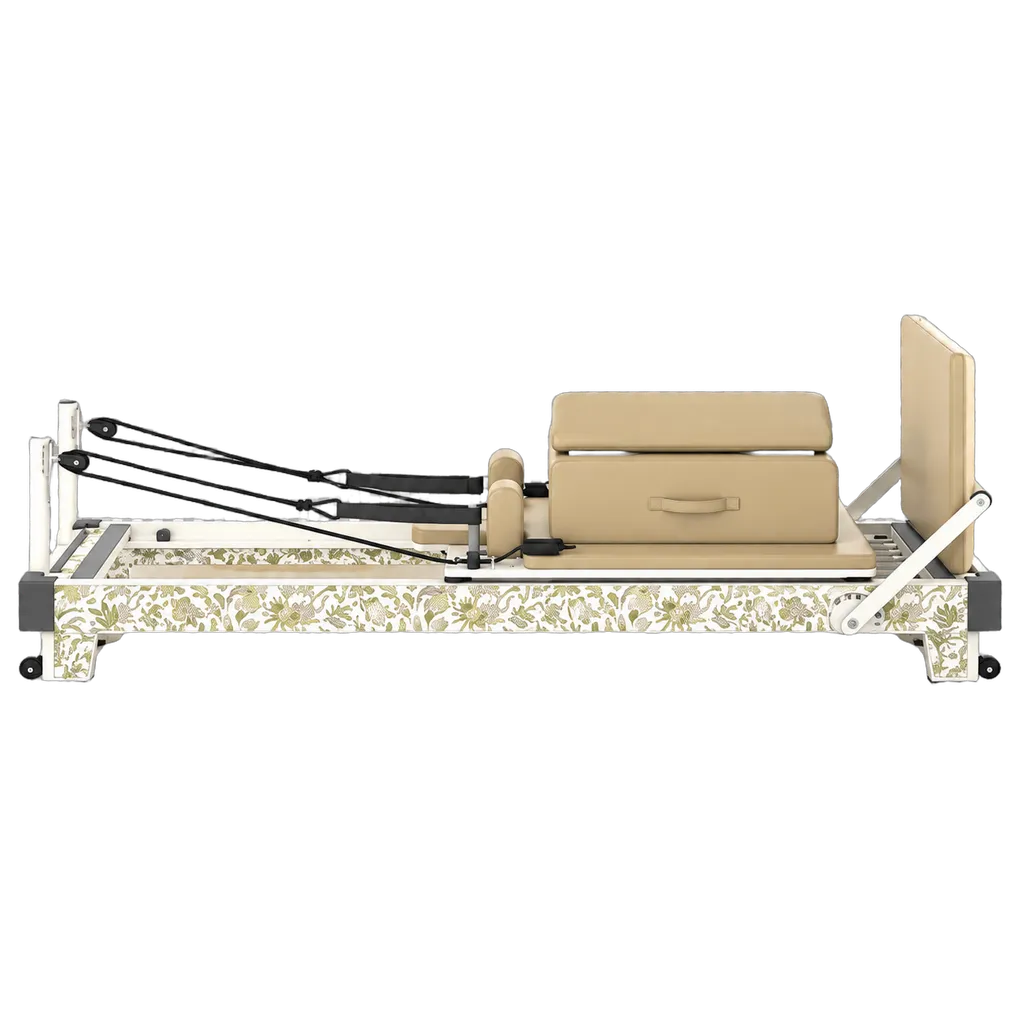
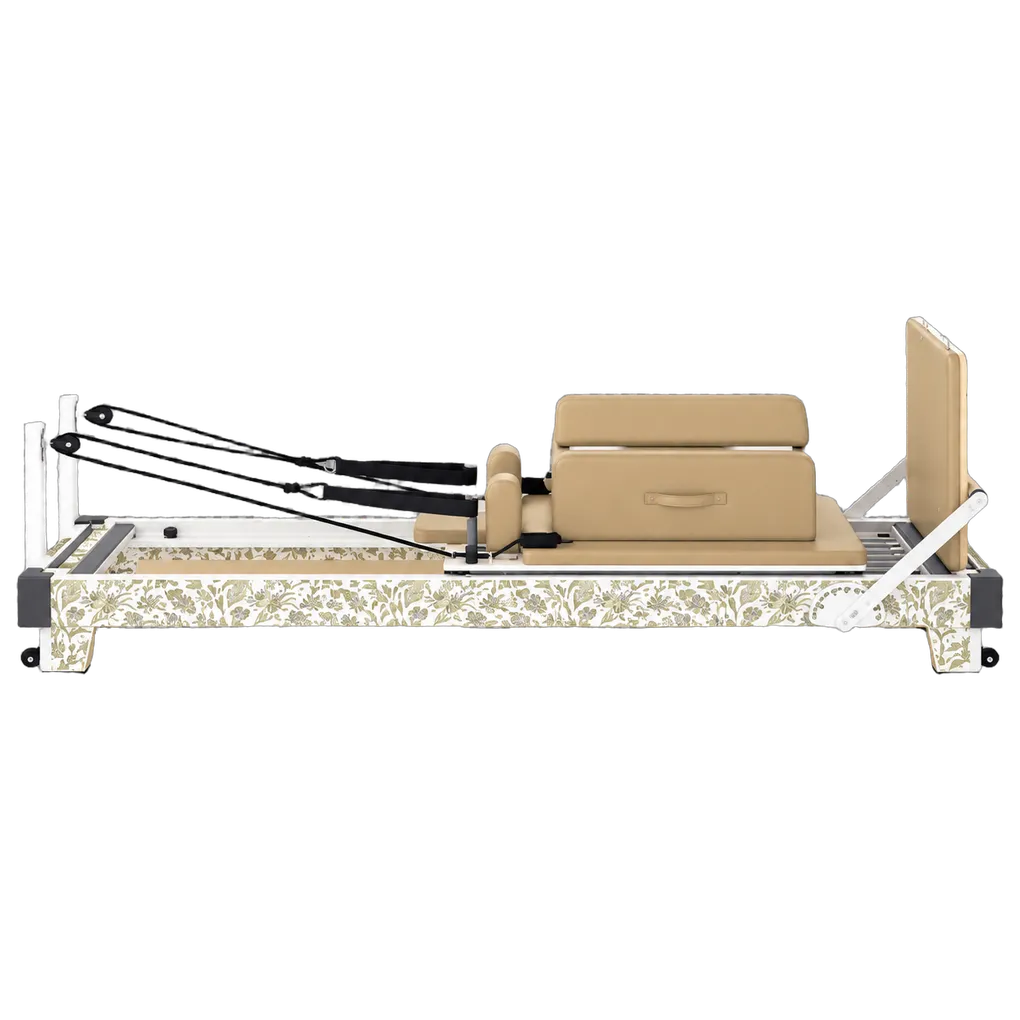
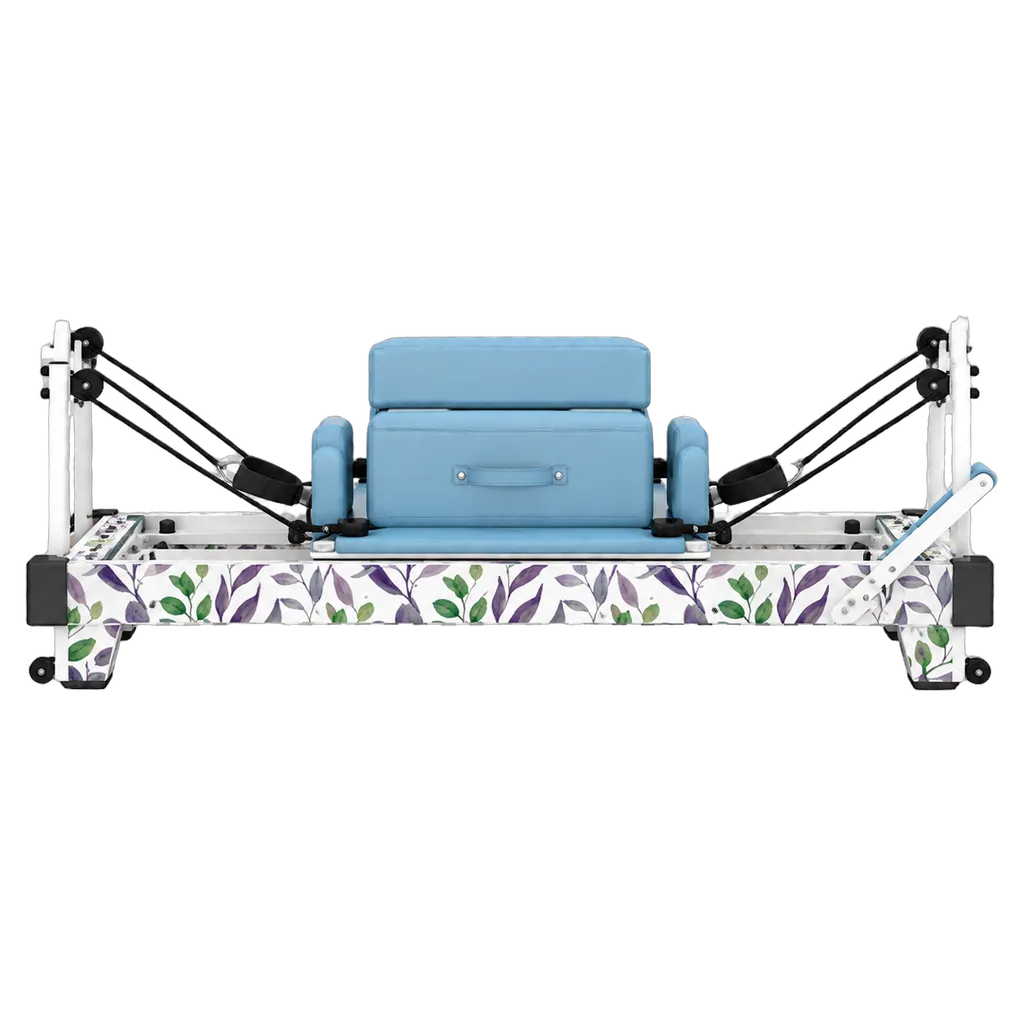
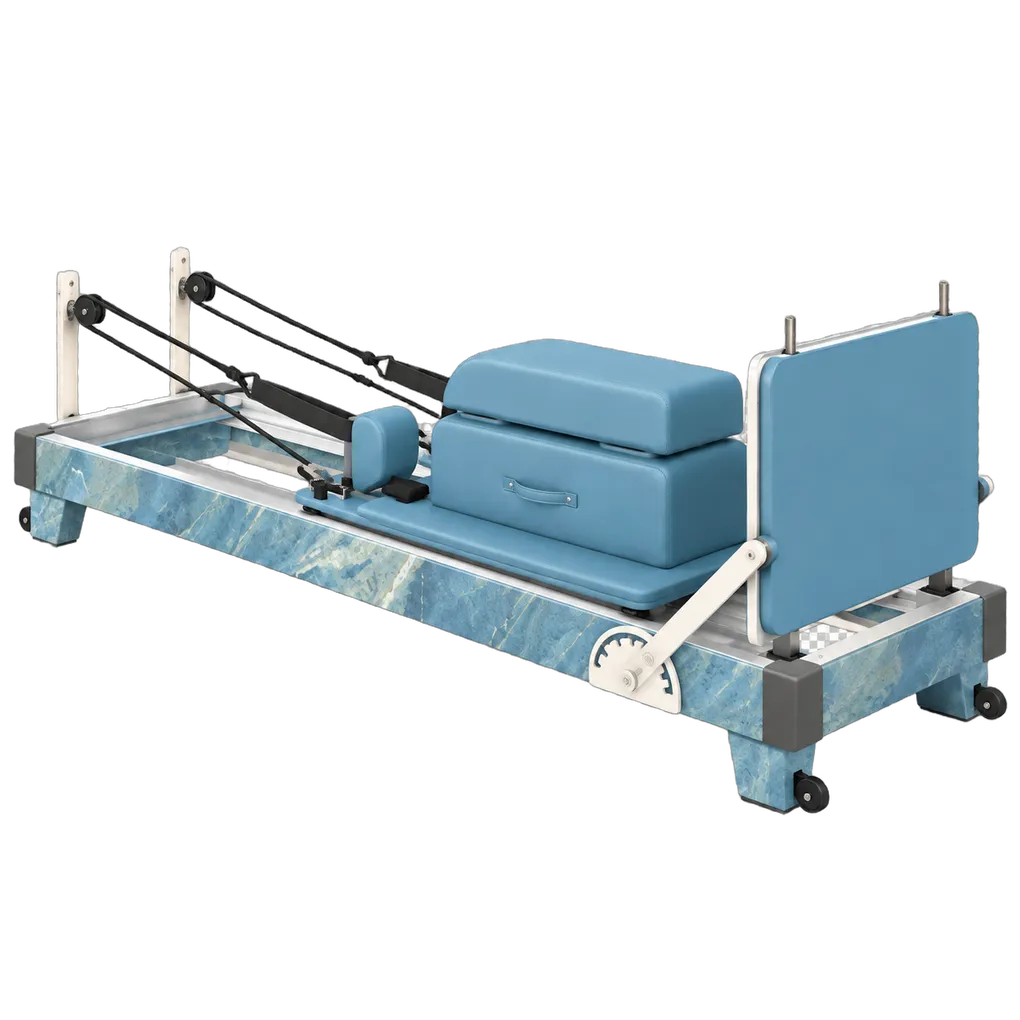
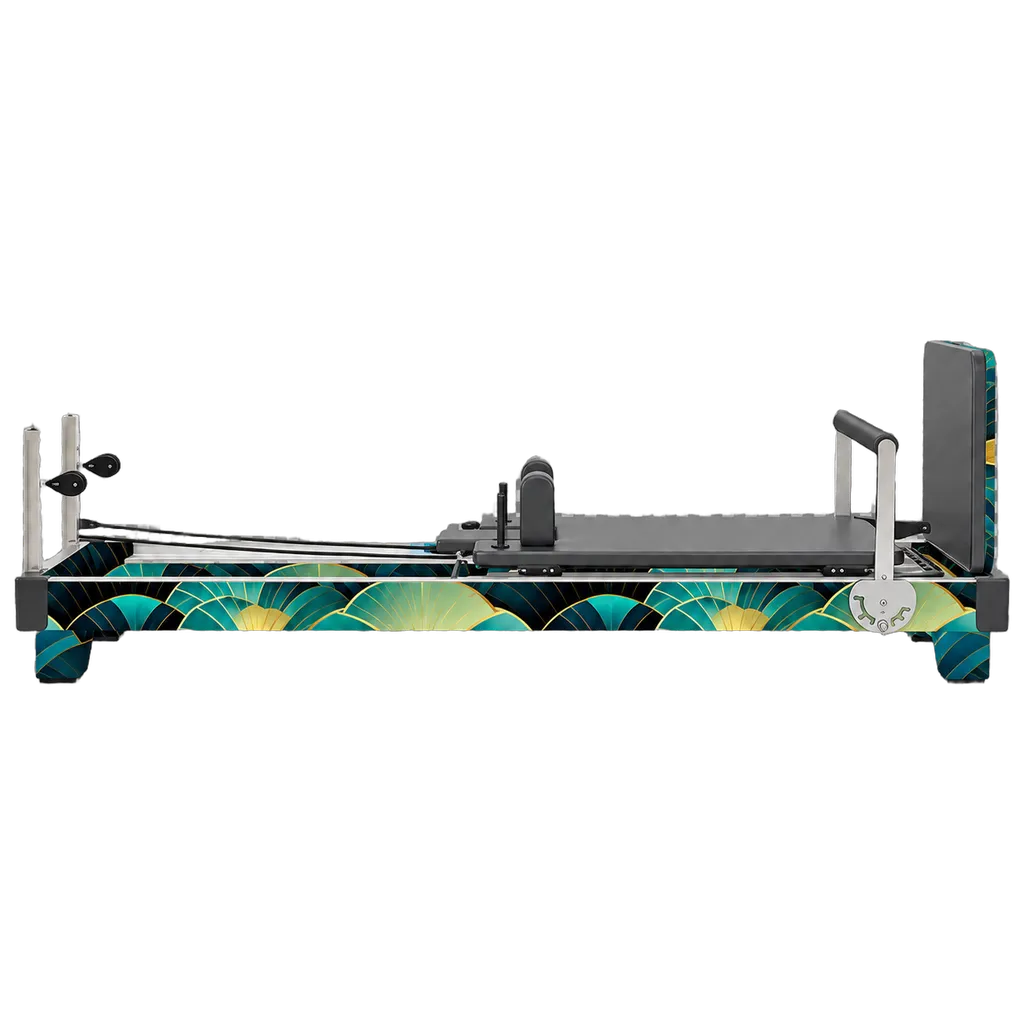
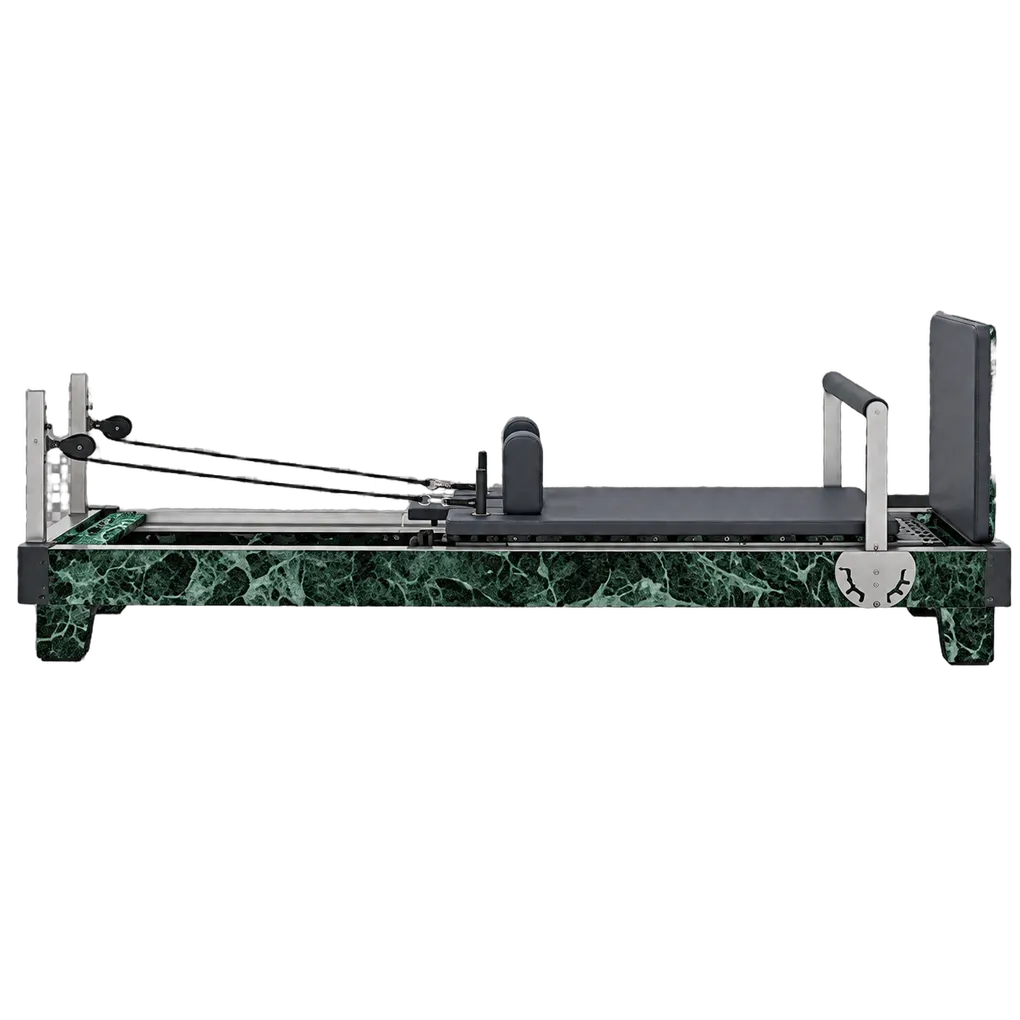
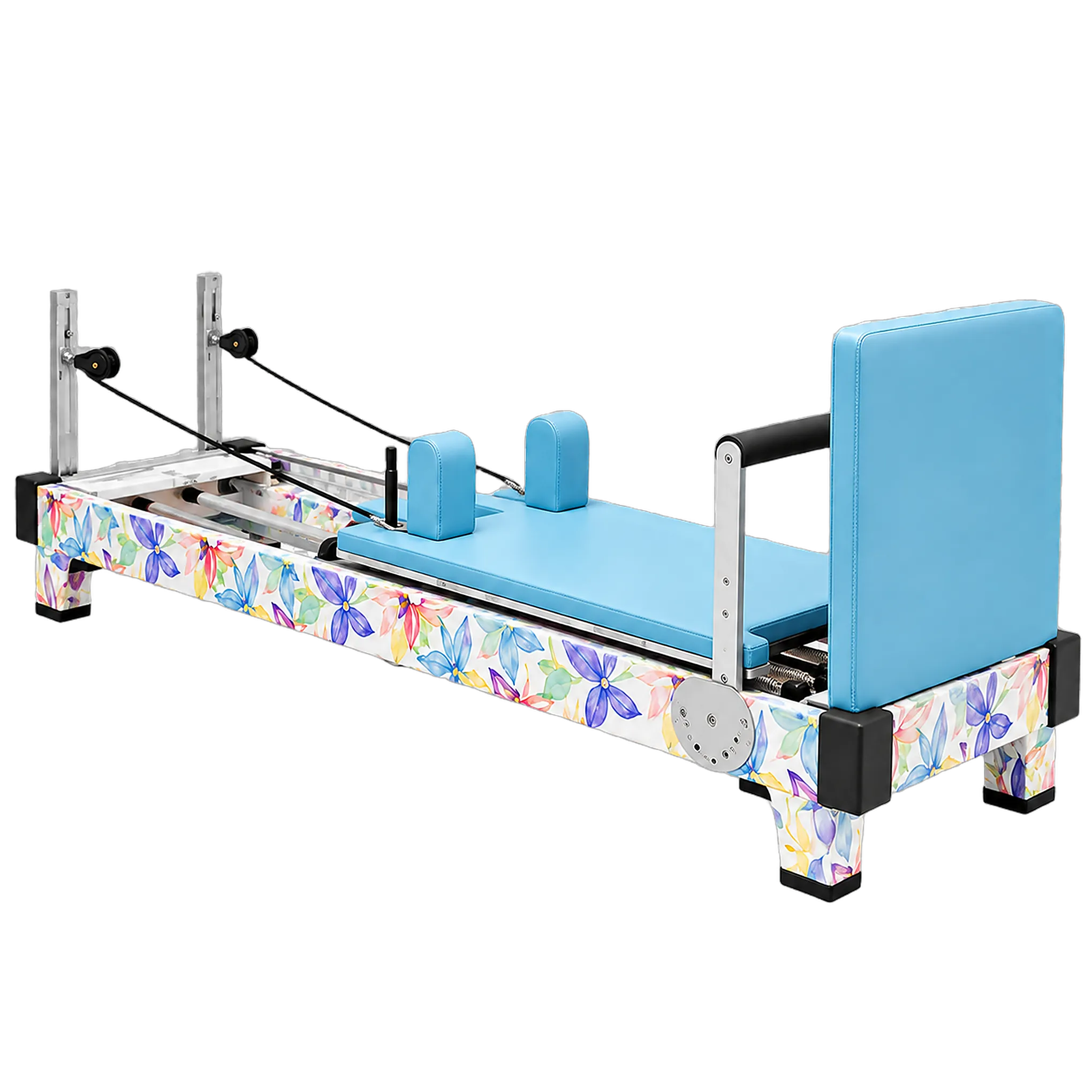
Reformer-based Pilates has an established place in UK physiotherapy and rehabilitation, and this series is positioned for studios and clinics where the equipment is part of the room's appearance as well as its function. Typical use covers spinal rehabilitation and core stability programmes, post-operative recovery following joint surgery, chronic low back pain management, neurological rehabilitation focused on controlled movement, pre- and post-natal work, and supervised conditioning.
The finish is the product's visible identity, and that has a practical consequence. Equipment that is chosen partly for how it looks in a studio needs a surface that survives being wiped down between every patient without dulling or crazing — otherwise the feature that justified the purchase degrades first. Confirming approved cleaning agents is therefore more than routine here.
Fire performance belongs in the conversation for a different reason. Clinics and studios occupying commercial premises work within a fire risk assessment, and significant items of furniture and equipment can form part of it. A manufacturer describing a finish as fireproof is offering reassurance rather than data, and the Euroclass classification is what converts that into something a responsible person can actually record.
Spring configuration bears on the clinical range available. A single light spring limits the increments at the end where early post-operative and neurological work is concentrated, so laboratories and clinics running a substantial caseload of that type should establish whether additional light springs are available before ordering.
Room planning follows the same pattern as any full-length reformer: the footprint needs therapist access along both sides and clearance behind the carriage for springs at extension.