

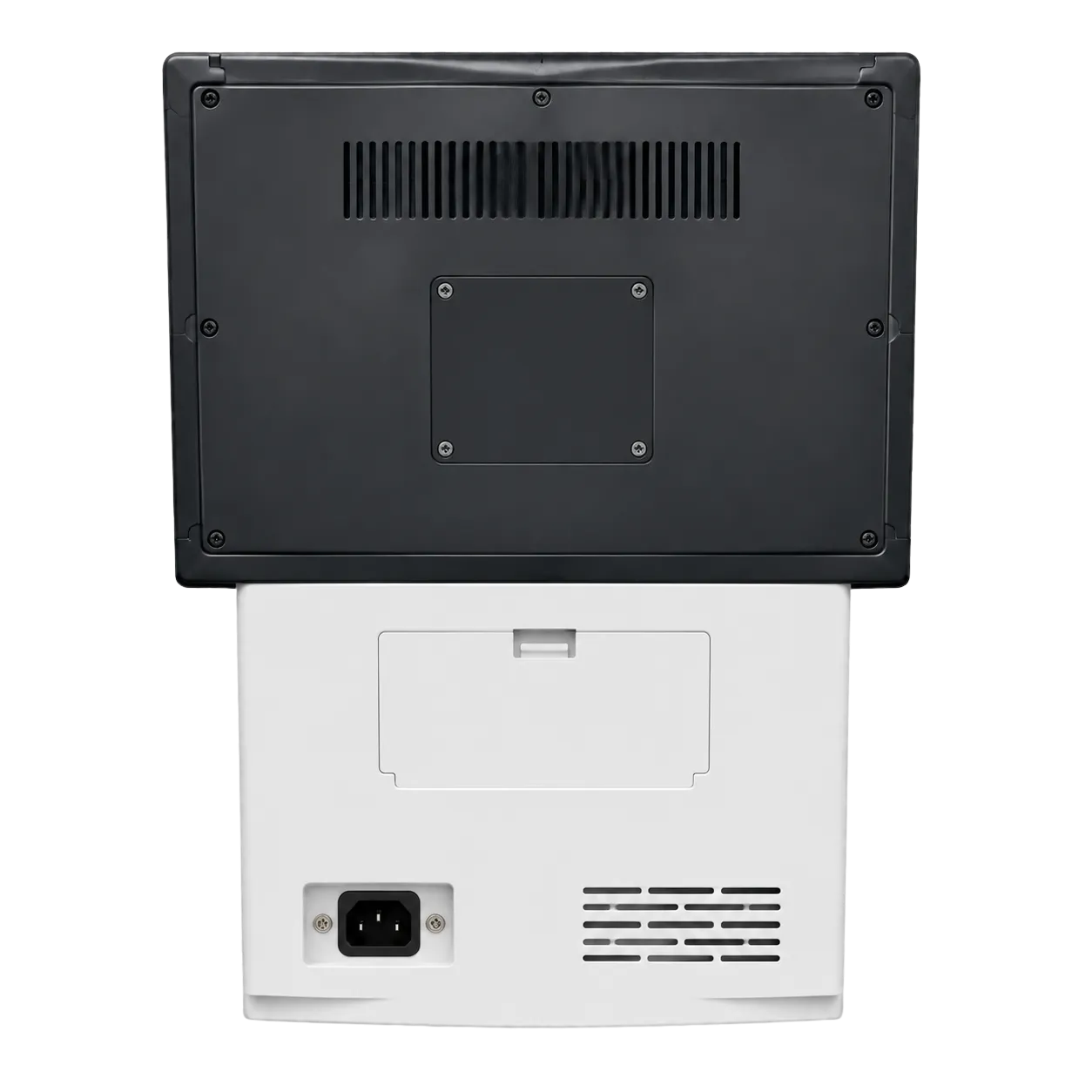
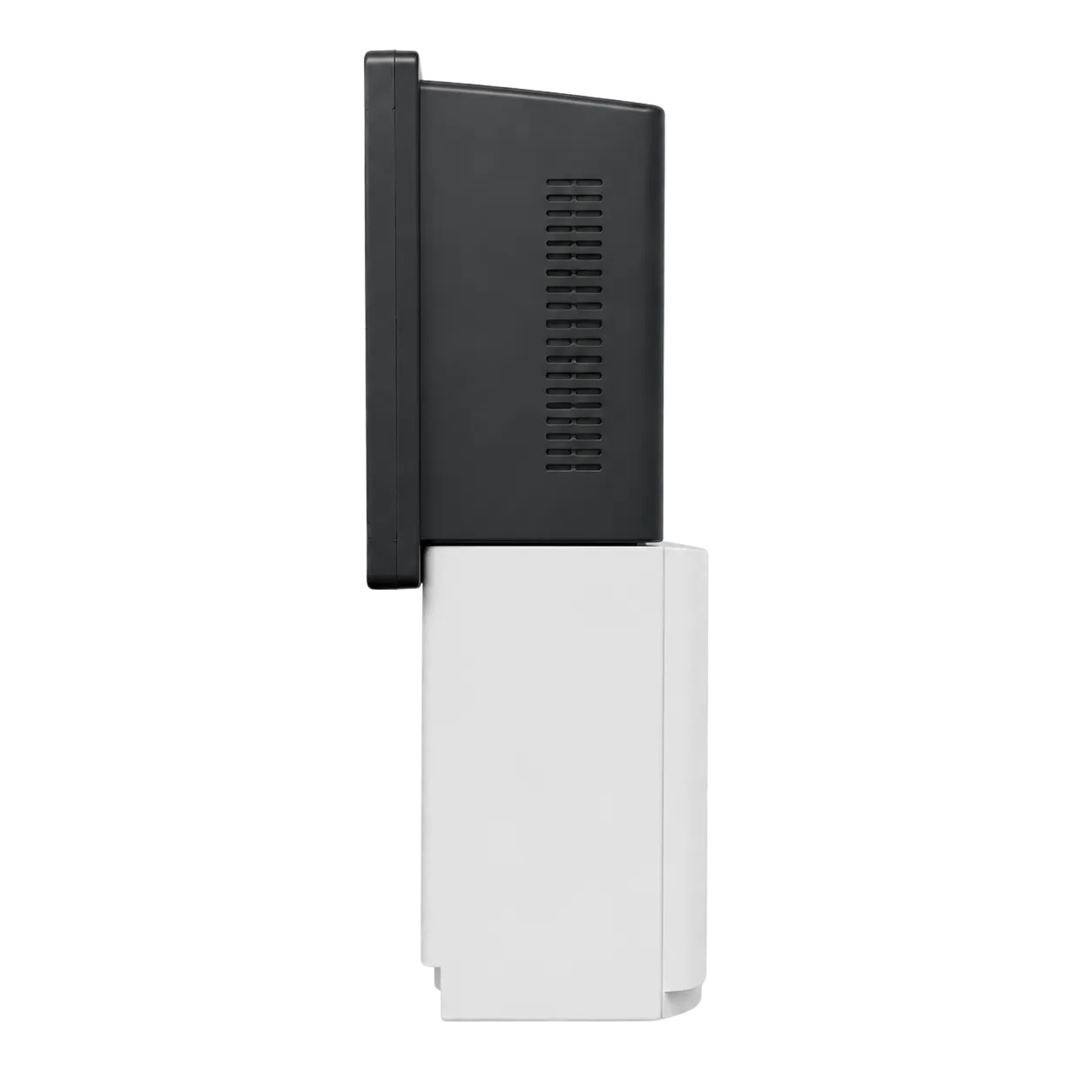
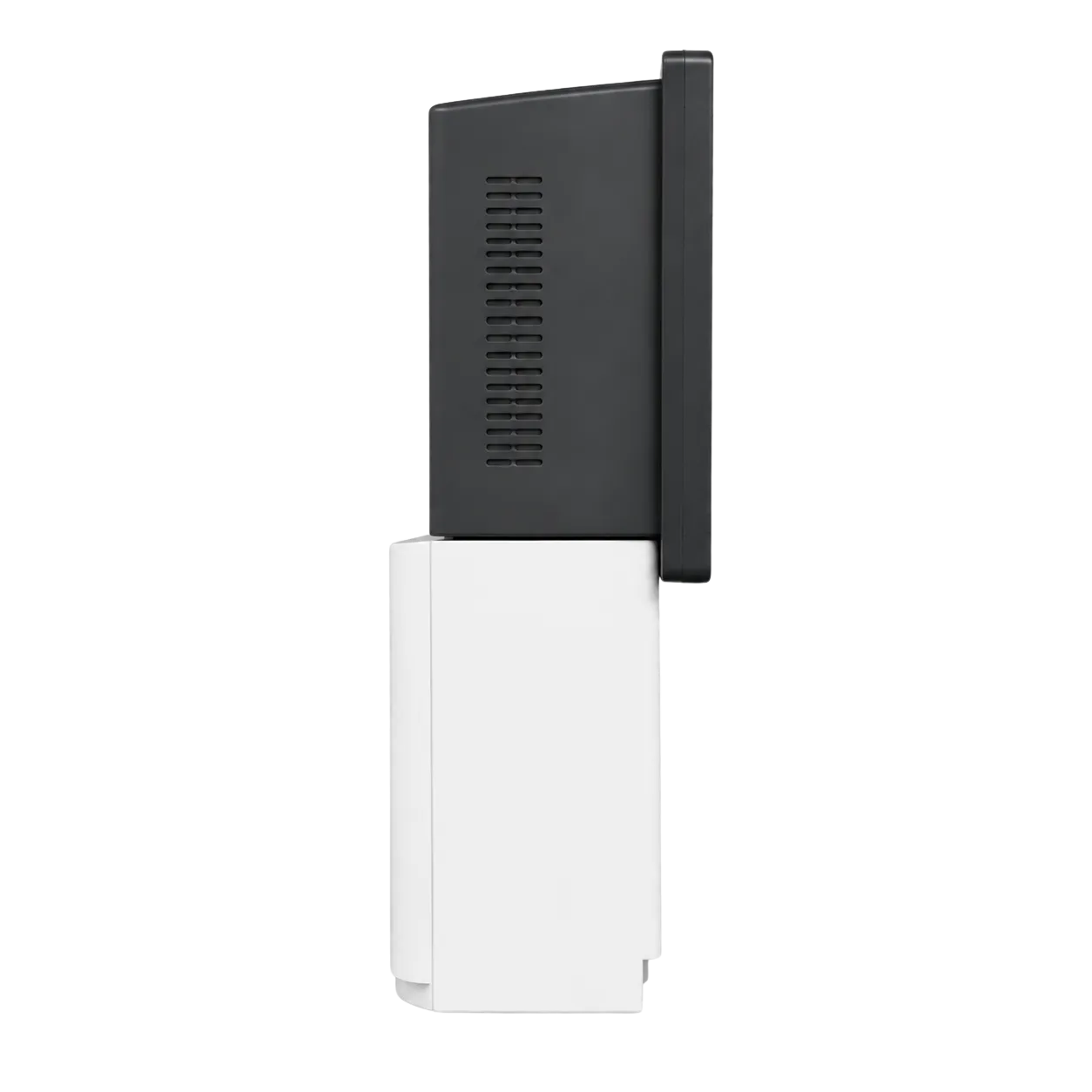
Premises that cannot host a conventional lane are the whole point of this instrument. A great many UK optical practices occupy buildings never designed for them — converted retail units, upper floors of terraces, back rooms carved from whatever remained after the dispensing area. Conventional refraction needs an effective six metres, and where that is not available the practice has historically compromised the room layout, installed mirrors that complicate the geometry, or done without a second testing room. A 1.1 metre working distance removes the constraint rather than accommodating it, which changes what a building can be asked to do.
Second and overflow testing rooms follow directly. A practice with one properly equipped lane and a spare room too small to be another can make that room work without structural alteration. For a growing practice, or one running locum cover on busy days, that is capacity gained from space that was previously unusable.
Domiciliary and community providers with a fixed base use it for verification and follow-up between visiting lists, where a full lane would be an extravagant use of limited premises. Shared and multi-purpose clinic rooms benefit from the enclosed optical path specifically, since ambient light never reaches the targets and the test does not depend on the room being darkened — which is not always possible in a space serving several functions across a week.
The instrument covers acuity measurement with grating and baffle isolation for crowding assessment, and red-green filtering for duochrome refinement and dissociation. Two things belong in the decision honestly. Icon conversion at an average 0.45 seconds is the slowest in this class and a perceptible pause, which is a fair trade for making an impossible room usable but not for a high-throughput lane that has space anyway. And at 20 kg the host is a fixed installation requiring a properly rated surface, not equipment that moves between rooms.