
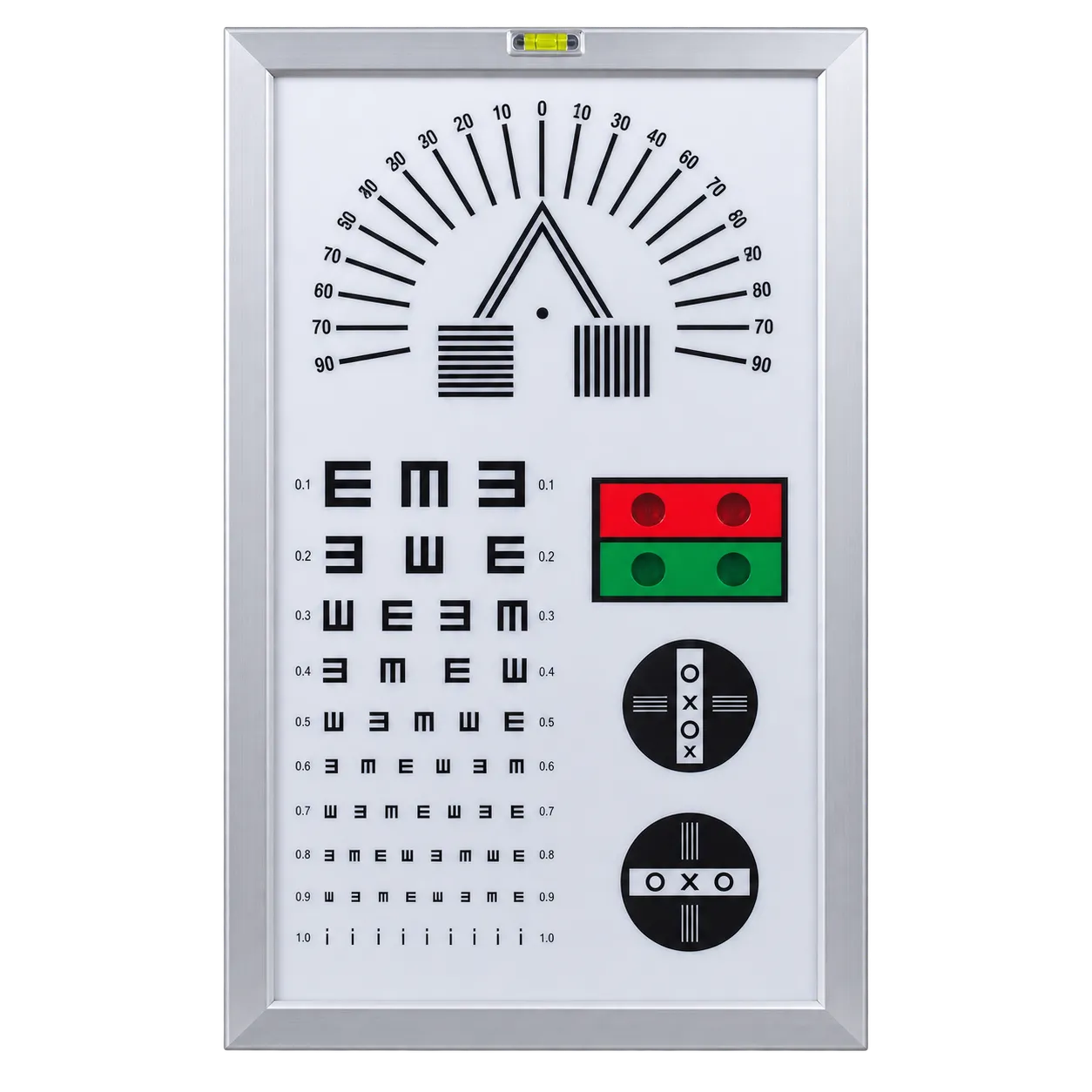
Subjective refraction begun without objective data is the clearest application. Where no autorefractor reading is available — an instrument away for service, a domiciliary visit, a patient whose objective measurement is unreliable — a radial fan gives a starting cylinder axis from the patient's own report of which spokes appear sharpest. Beginning from an indicated axis is considerably better than beginning from nothing, and the larger the fan, the more confident that indication becomes.
Cross-checking a disputed result is the second use. When objective and subjective findings disagree on axis, a clinician can either average them or interrogate the difference. A fan large enough for the patient to answer decisively supports the second approach, which is the more clinically satisfying one.
Patients who struggle with fine discrimination benefit disproportionately. Reduced acuity, early cataract, cognitive difficulty or simple fatigue all make a small dial harder to interpret, and a patient who cannot resolve neighbouring spokes will report uncertainty regardless of whether they have an axis preference. Enlarging the figure separates a genuine absence of preference from an inability to see the difference — which are clinically quite distinct findings.
General screening positions get the rest of the face: acuity rows, a duochrome panel and two further circular panels, all backlit at a published 80–350 cd/m² with universal 100–240V input covering UK mains directly.
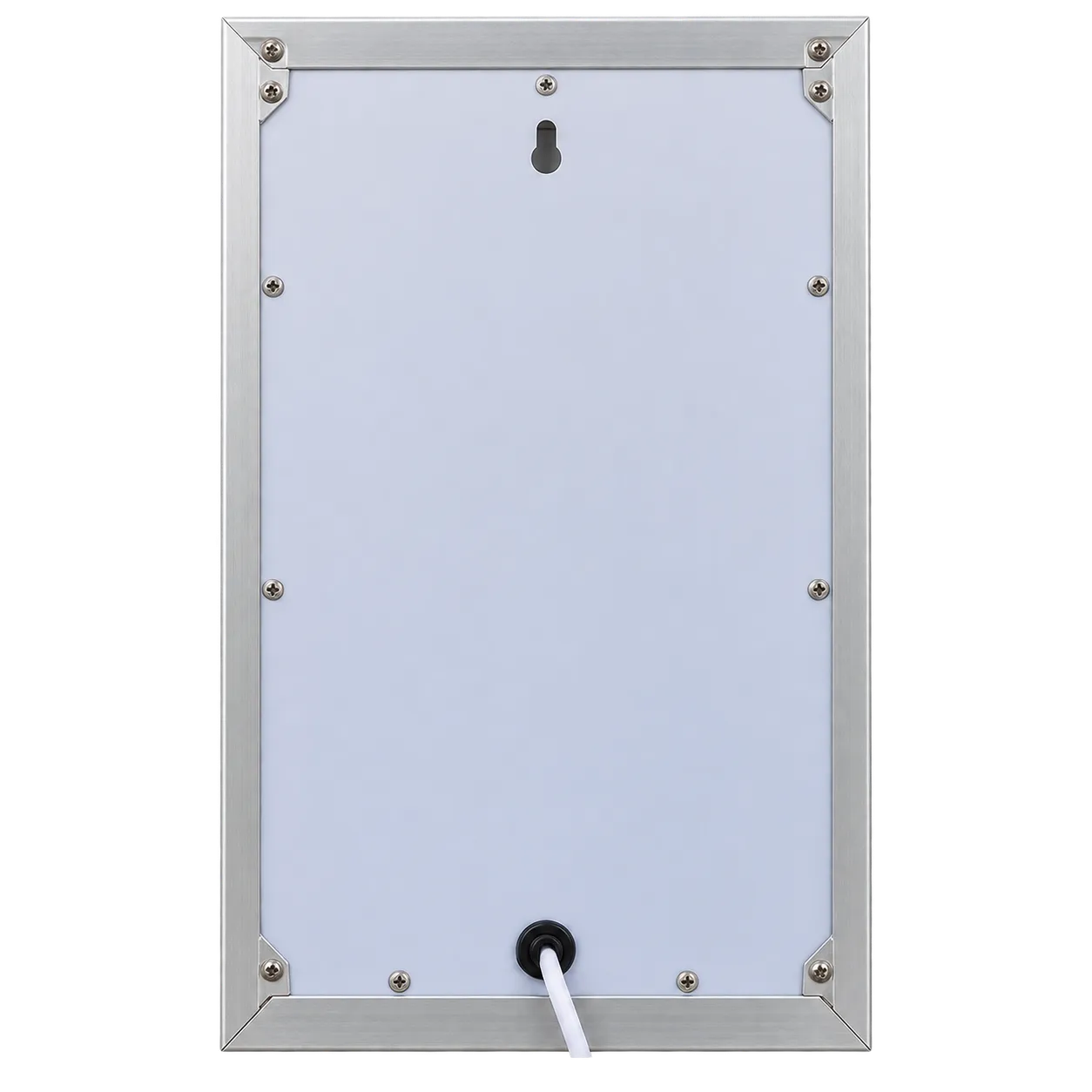
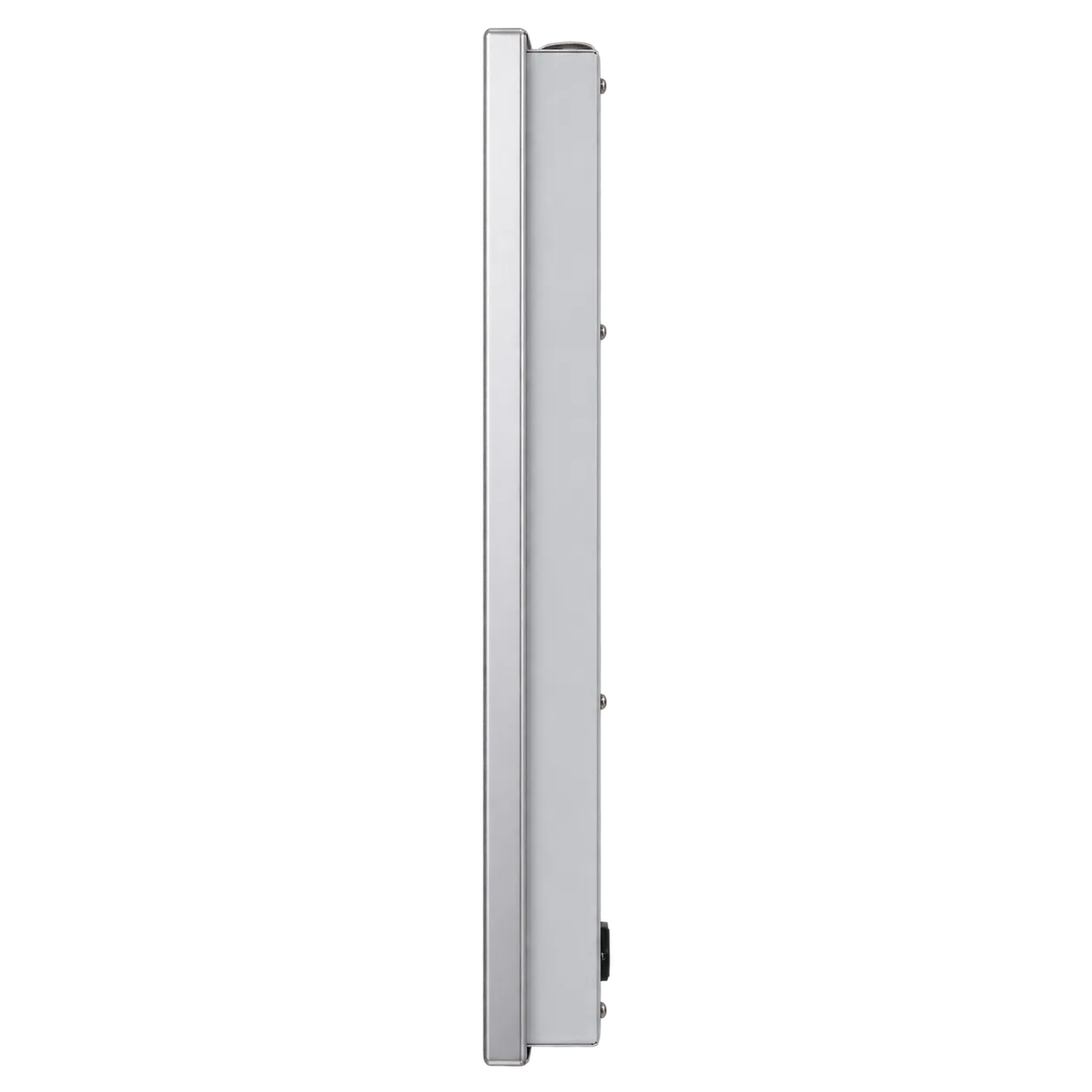
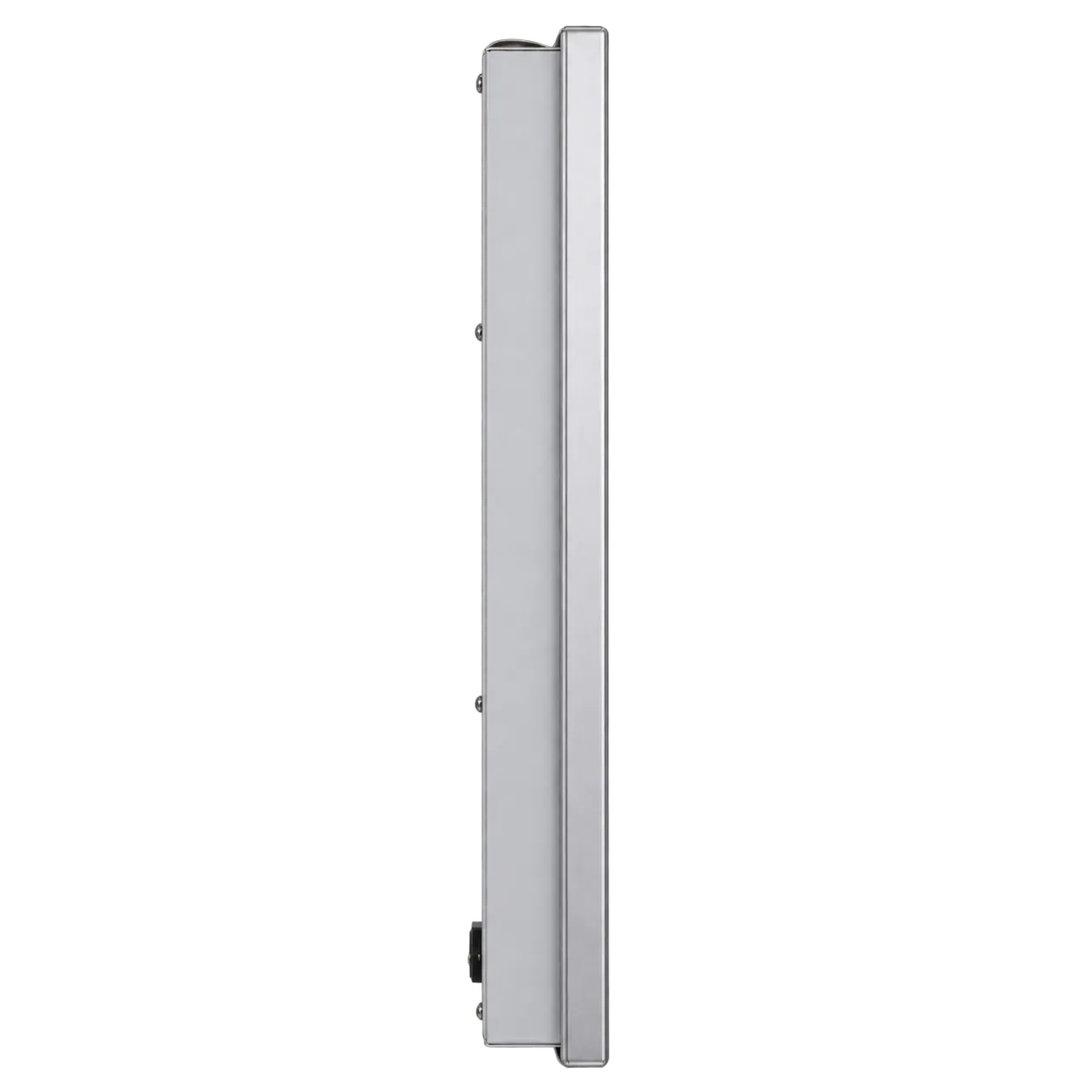
Three matters need settling before ordering. The two circular panels are not itemised and the printed face is permanent, so a written schedule should be obtained. The luminance span is unexplained and may denote adjustability, tolerance or face variation. And the 250 mm depth figure is far greater than comparable charts and should be verified before a mounting position is planned.