
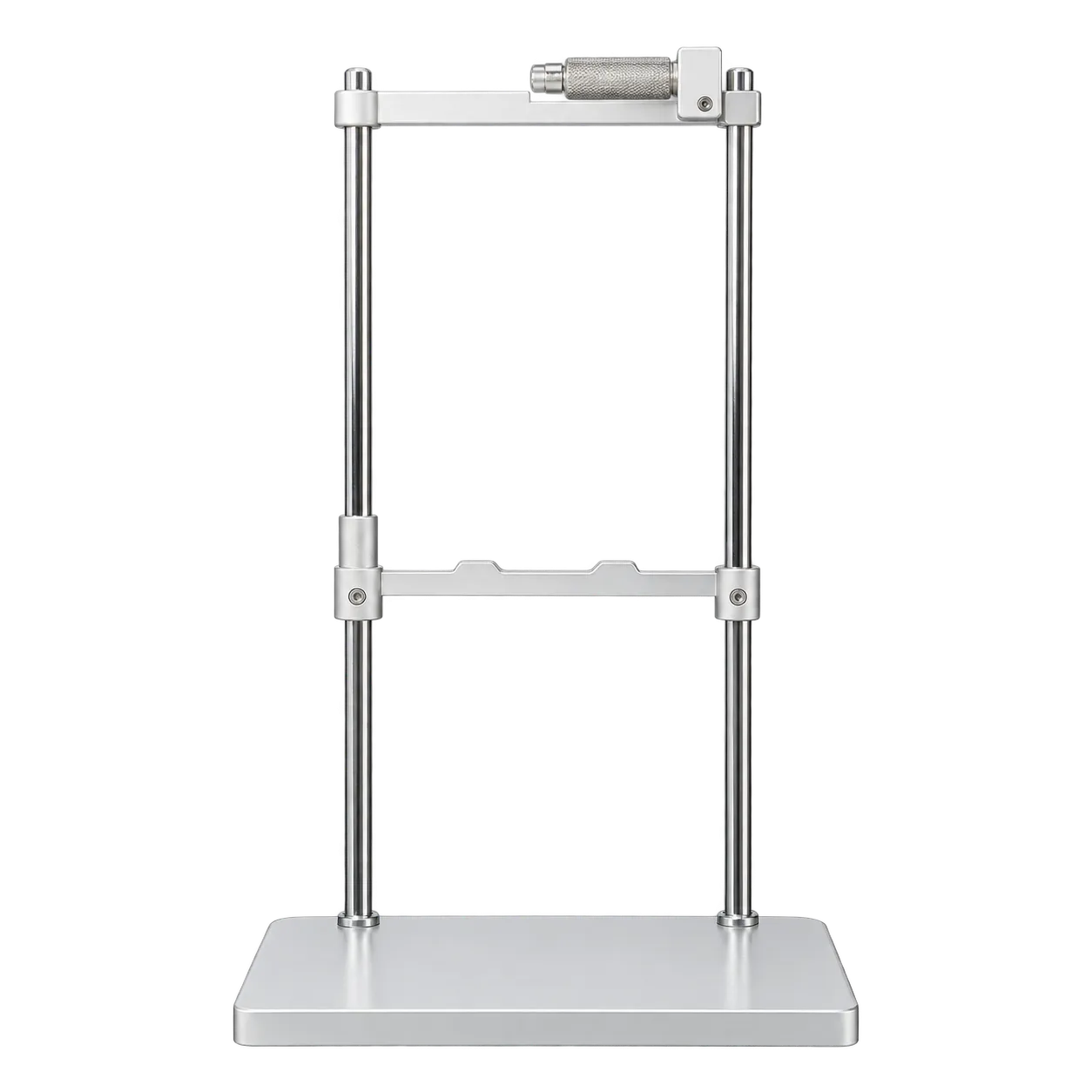
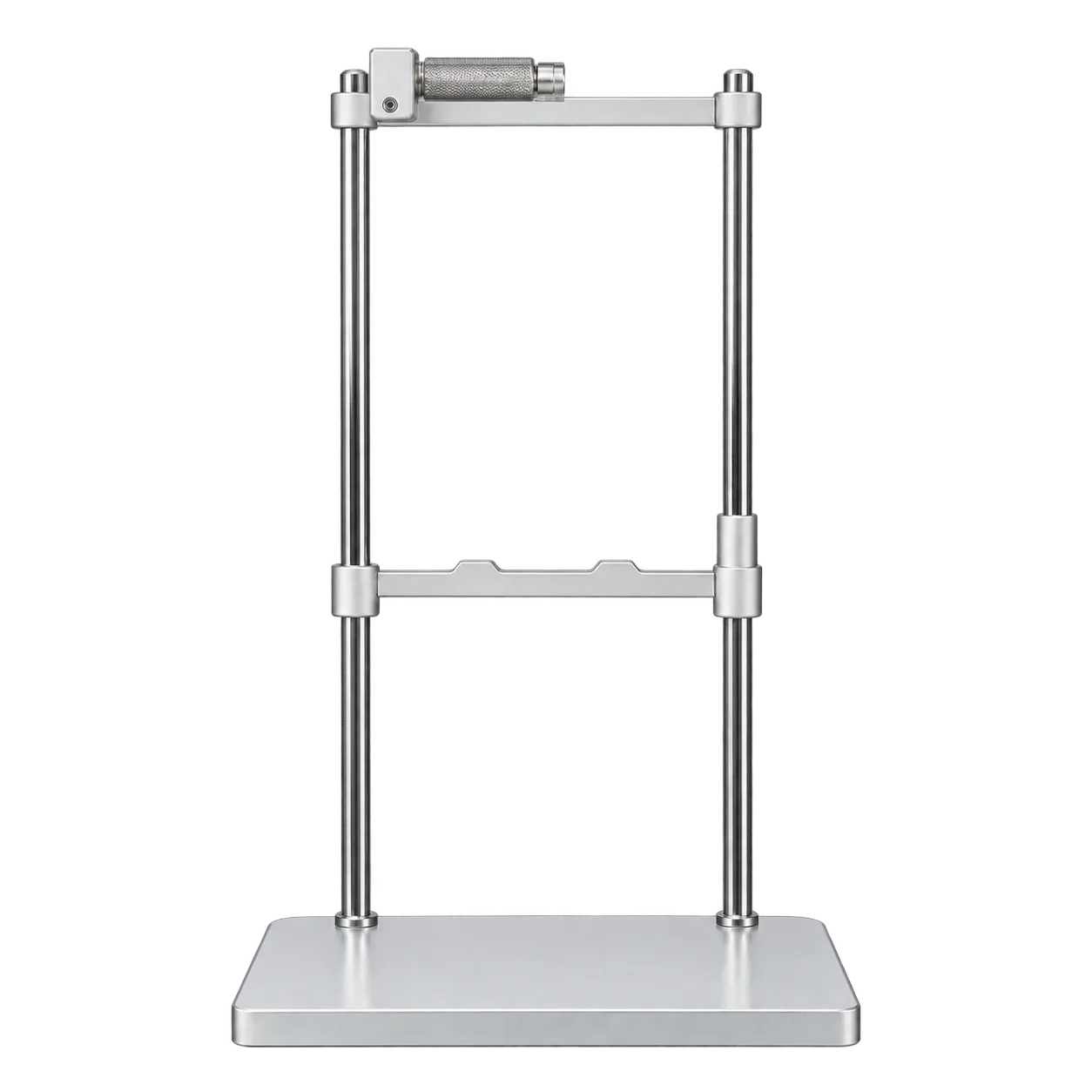
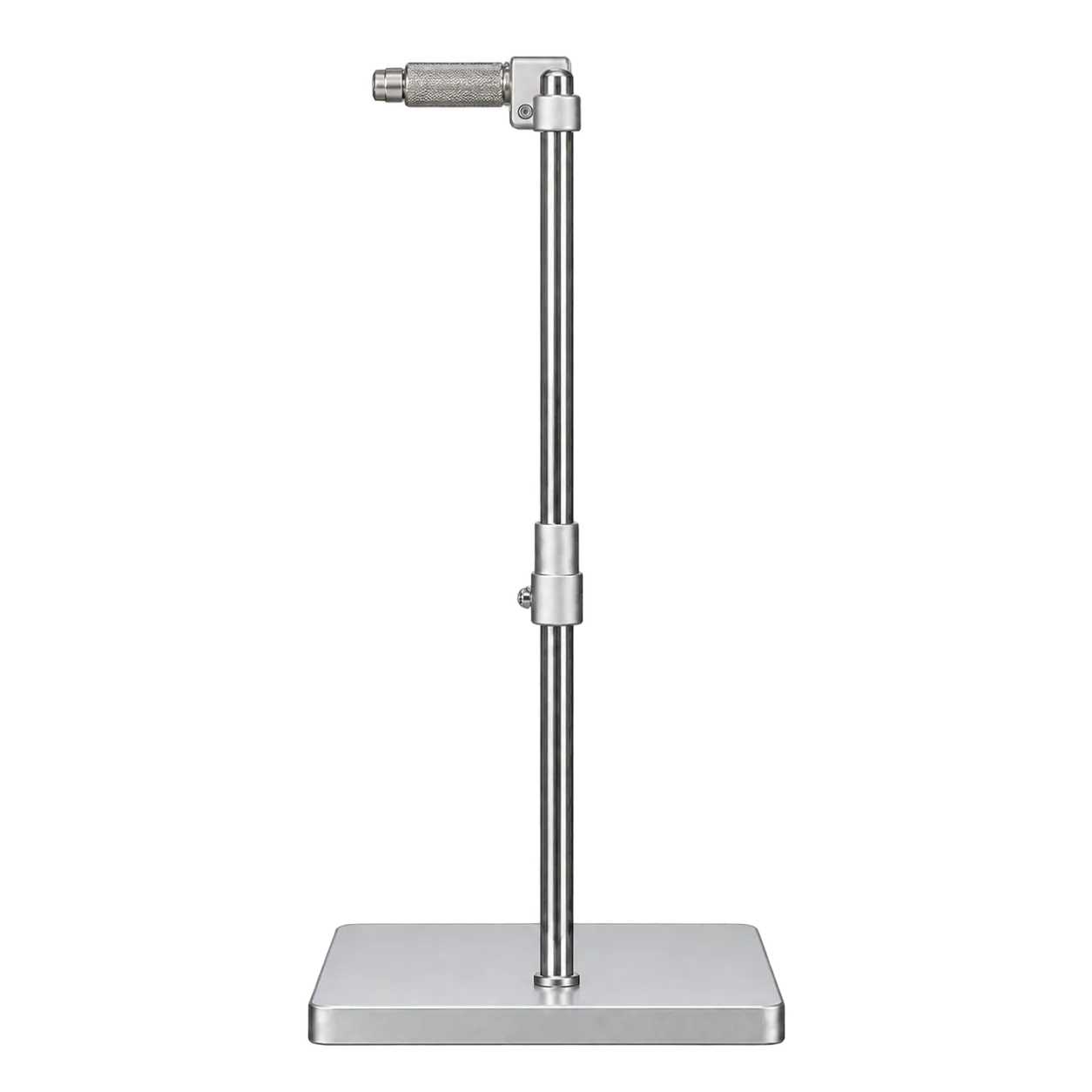
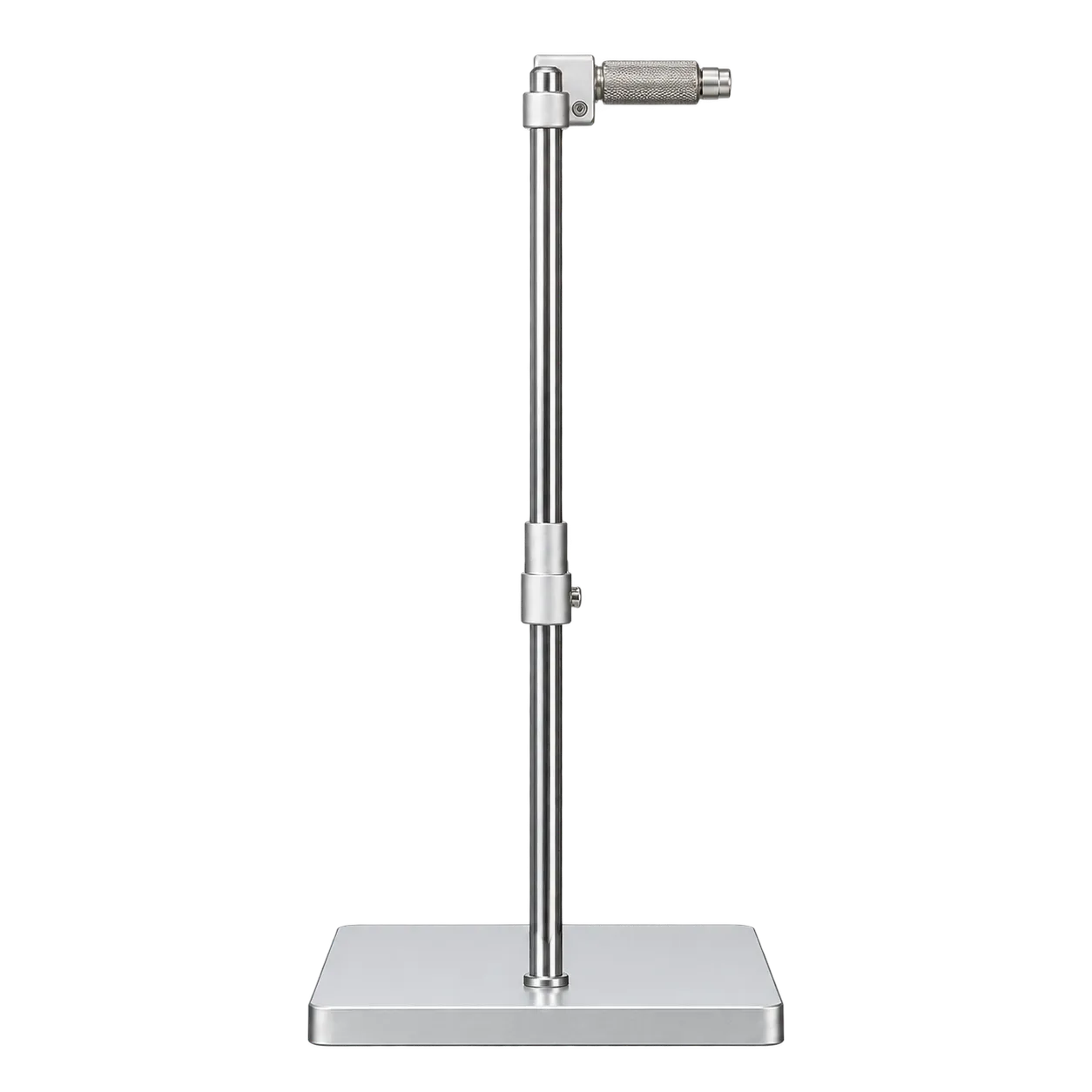
Screen-based visual field screening is the clearest use. Software-driven field screeners on a standard monitor rely on a fixed viewing distance and a steady eye to place stimuli at the right angles, and a chin and forehead rest provides both. That supports the repeatable results that make serial field monitoring meaningful.
Orthoptic and binocular vision assessment benefits too. Hess and Lees screen charting, prism cover testing at a fixed distance and some stereo tests assume the head does not turn or tilt during the test. A rest holds that geometry without the clinician having to correct the patient repeatedly.
Near vision and reading assessments at a set distance gain consistency, which matters in low vision work and in monitoring progressive conditions, where small changes between visits are the whole point.
Colour vision testing on screen-based systems relies on a controlled viewing distance and angle, which a rest provides.
University optometry clinics and research laboratories use chin and forehead rests for eye tracking, psychophysics and teaching, where head movement adds noise to data.
Paired with a motorised instrument table, the combination suits small consulting rooms and pre-test areas. The table sets the overall height for the seated patient, and the CR-1 positions the head in front of a screen or device.
It does not replace the integrated chinrests on slit lamps, autorefractors and fundus cameras. Practices buying it should know which of their tests lack a head support, and that is where it earns its place.
Wheelchair users can use it without transferring, provided the table it sits on allows the wheelchair close enough.