
Shared consulting rooms are the strongest case. Where two or three clinicians use the same position across a week — a practice running part-time optometrists, a hospital clinic rotating staff, a room used by both an optometrist and a dispensing optician — a fixed-height table suits one of them and compromises the rest. A 160 mm range covers a wide spread of stature, and resetting between sessions takes seconds rather than requiring anybody to work around equipment set for a colleague.
Clinician musculoskeletal load is the underlying reason. Eye care involves sustained close positioning at instruments rather than brief interactions: a clinician at a slit lamp holds a posture for minutes at a time, repeated across a full appointment list and across a career. Working at a table set to somebody else's height contributes to that load, and a table that rises to the person using it removes the contribution.
Hospital and clinic settings suit the broader instrument list. Five devices are named for installation — auto chart projector, slit lamp, phoropter, ophthalmoscope and retinoscope — which indicates the unit is intended as the mounting point for a full examination set rather than a surface for one or two.
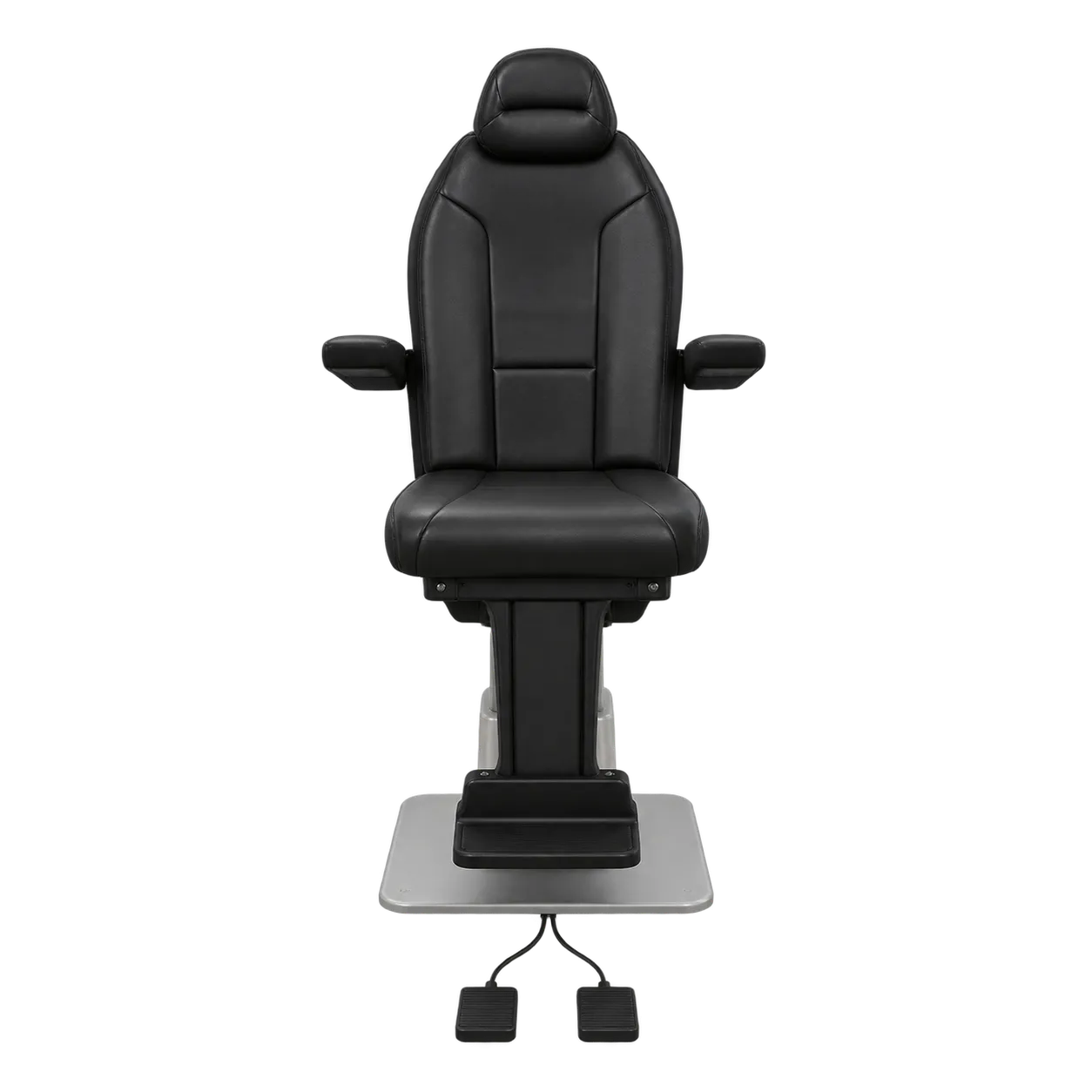
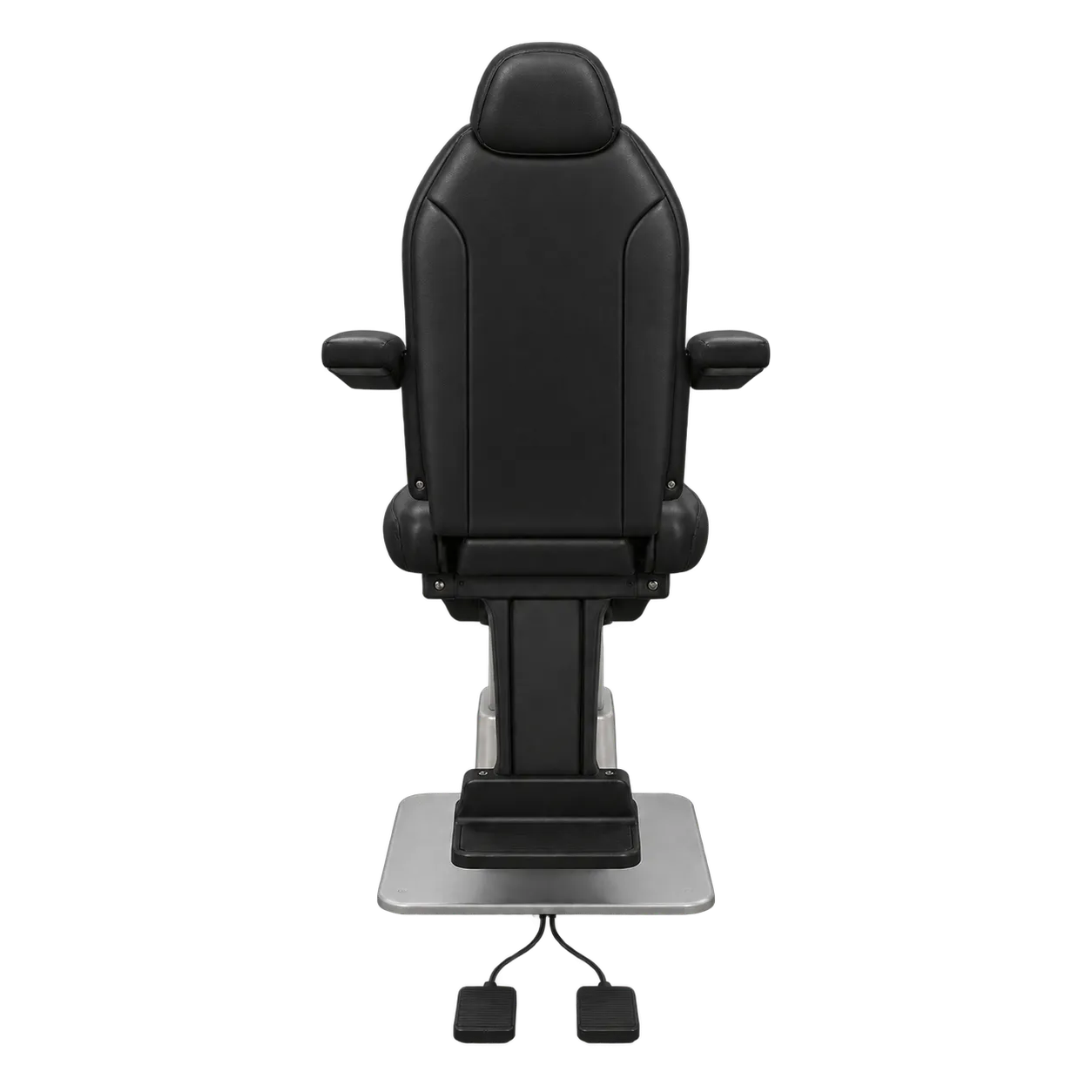
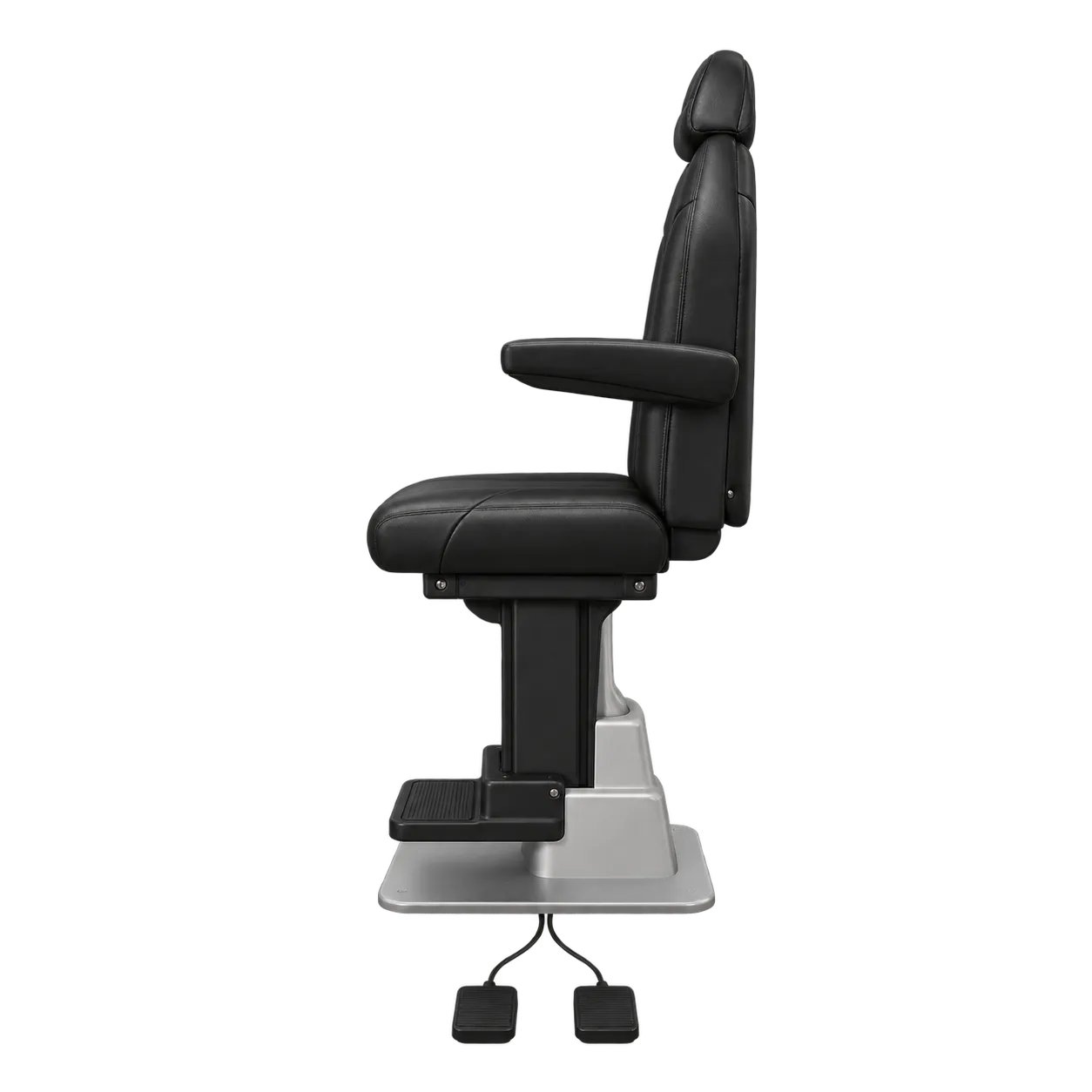
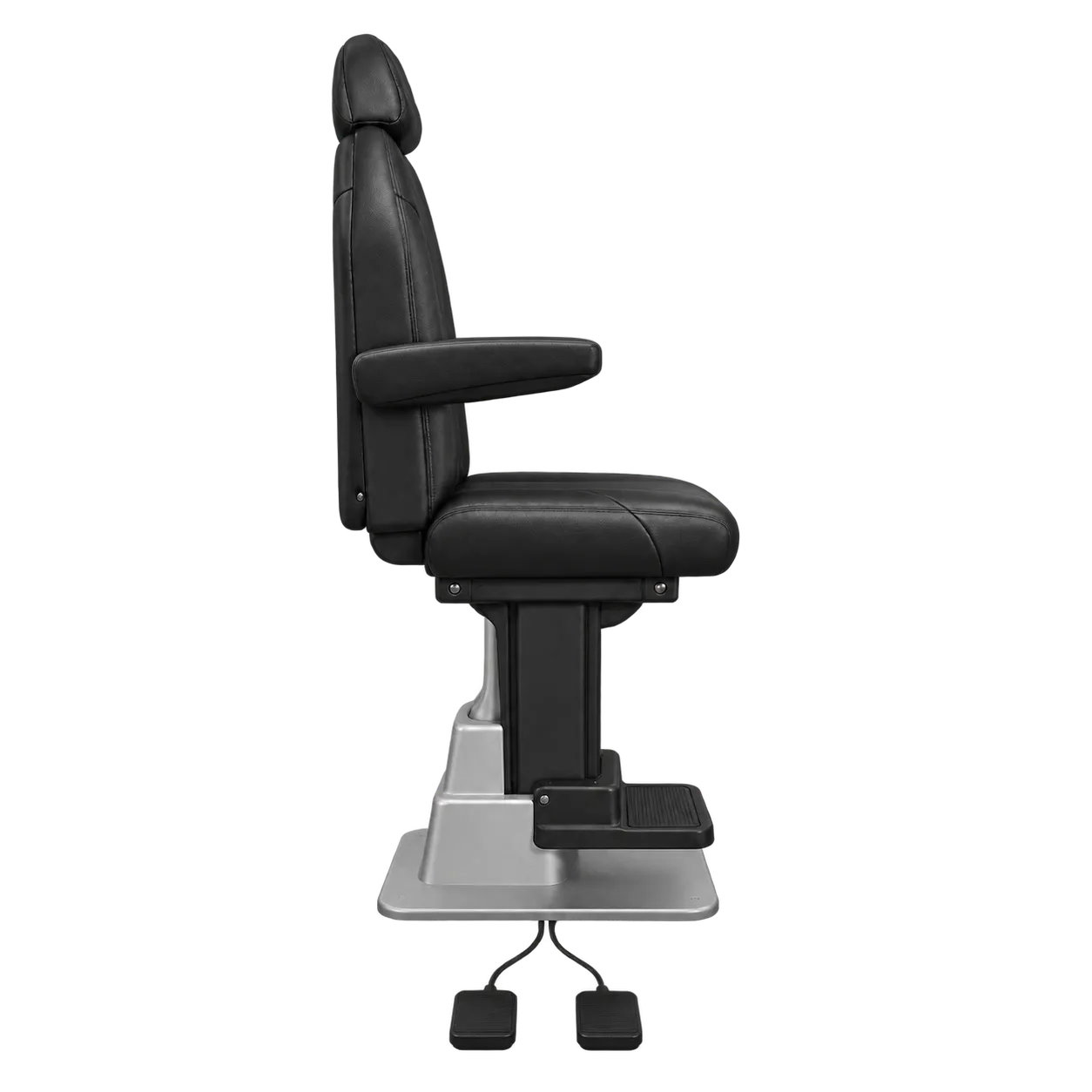
Two things need settling before ordering, and the first is unusual for this range. No chair specification appears in the technical data — no loading, no lift range, no backrest angle — where every other unit in this range publishes all three. Establish whether a chair is included at all and to what specification, rather than assuming this is a complete table and chair package. Second, whether the table height adjustment is powered or manual is not stated, and that determines the electrical requirement, the installation and the maintenance schedule.