

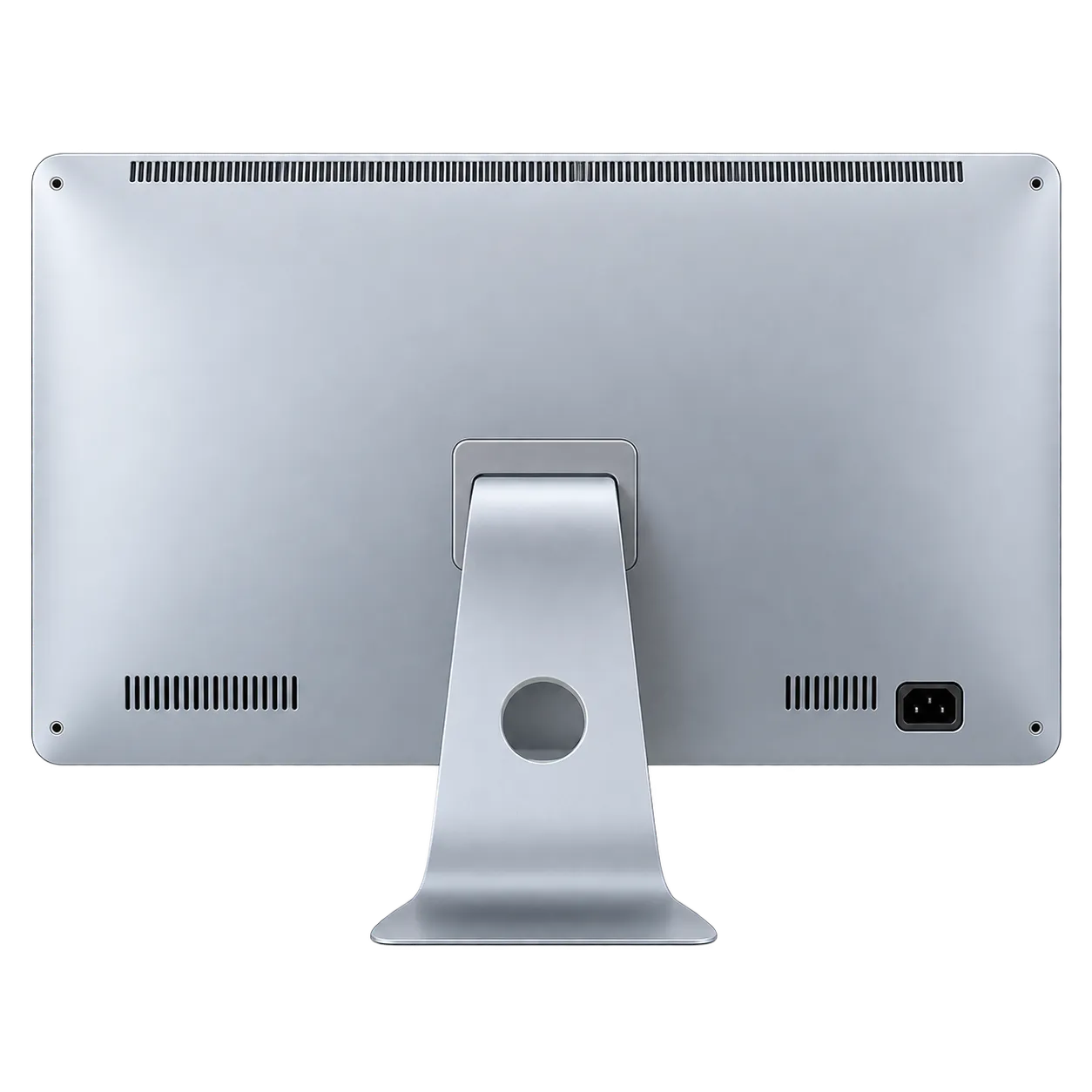
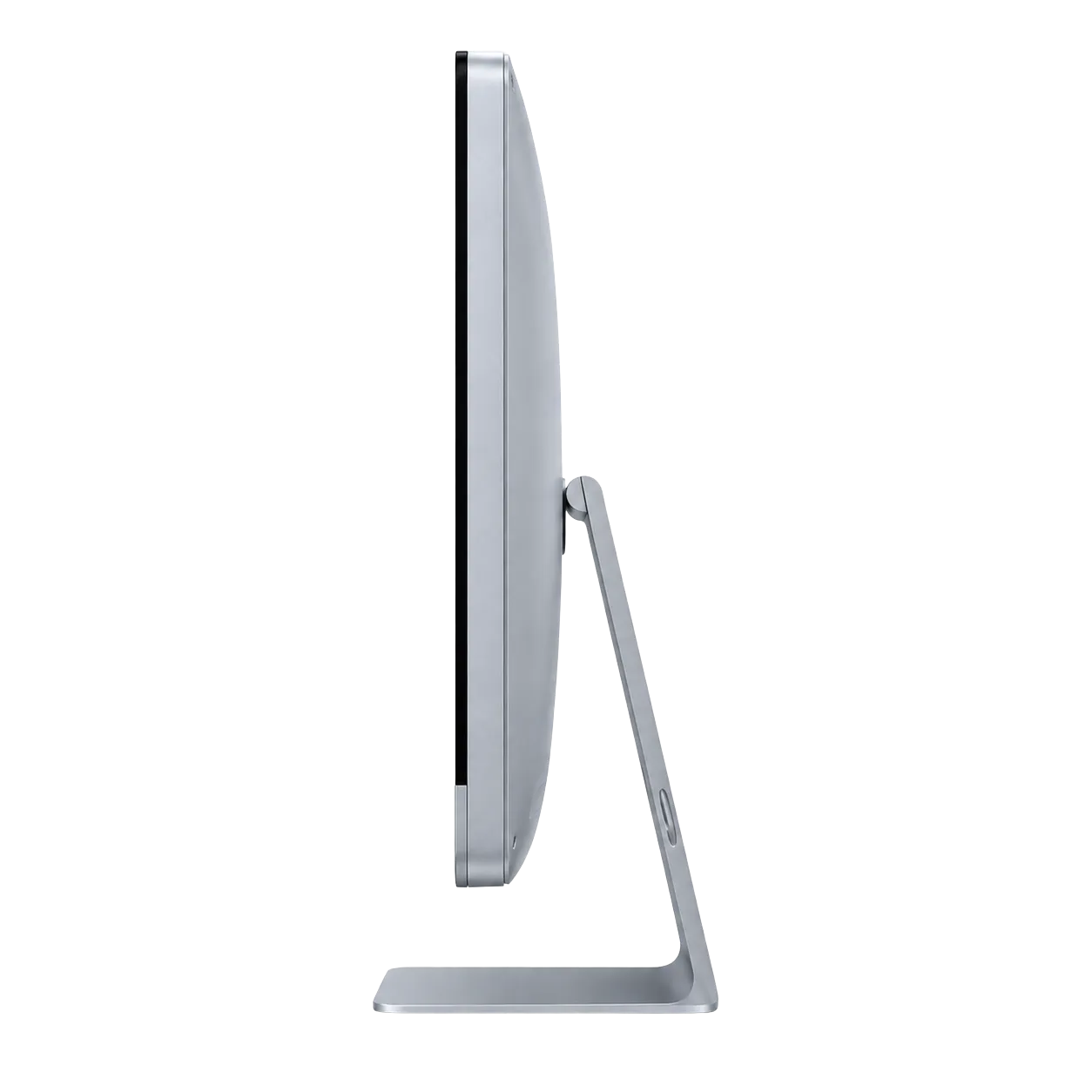
Rooms that cannot host a conventional chart are this instrument's reason for existing. A 1 metre minimum working distance is shorter than any other direct-view display in this category, most of which specify 2 metres, and dramatically shorter than the effective six metres a projected lane requires. Converted retail units, upper-floor practices, back rooms and any space where the building was not designed around the equipment become viable testing positions rather than compromises.
Screening away from a fixed practice is the second application. School vision screening, care home rounds and community health settings all involve testing in rooms chosen for availability rather than dimensions — a classroom corner, a day room, an office. A panel that works at a metre and weighs under 5 kg is deployable in those settings in a way a projector and screen never will be.
General community optometry is served across the full range, since the upper limit of 6 metres covers the conventional testing distance. A practice is not buying a specialist short-distance instrument that cannot do ordinary work; it covers both, and the short end is available when the room demands it.
The stated detection capabilities — eyesight, myopia, hyperopia, colour deficiency and astigmatism — cover routine screening across these settings. Practices should treat two points as pre-order requirements rather than details. The chart acuity range is unpublished, and it determines whether the unit reaches far enough for any low vision work; and the chart schedule, brightness, power supply and mounting arrangement are all absent from the supplied literature. Medigear.uk will obtain each in writing at enquiry, and no buyer should commit without them.