
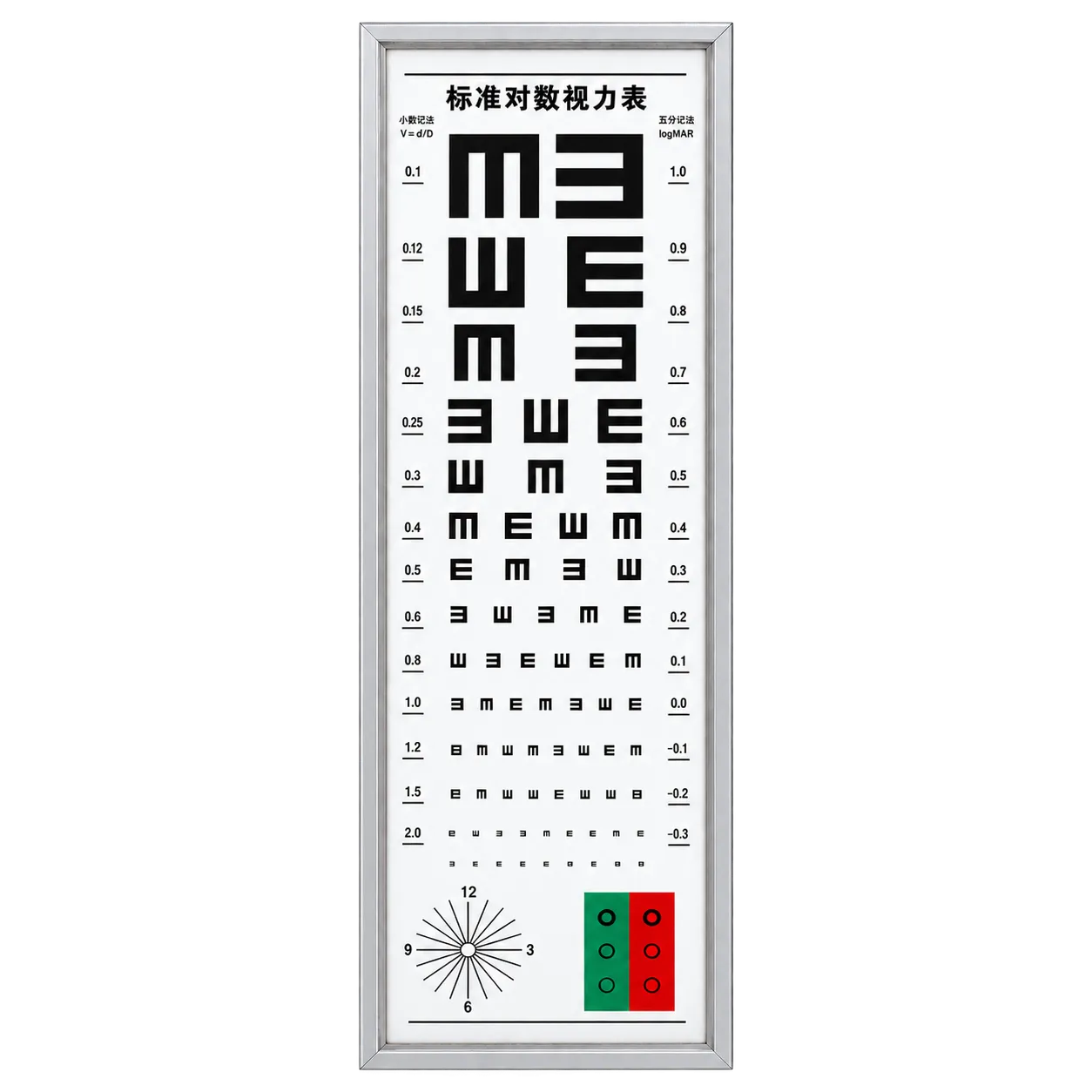
Practices serving linguistically diverse populations have the clearest reason to specify the face carefully. A Latin letter chart measures literacy alongside acuity in any patient who does not read the alphabet fluently — they hesitate, guess or stop earlier than their resolution requires, and the recorded acuity is wrong in a direction nobody can detect from the responses. Tumbling E and Landolt C remove that entirely by asking only for an orientation. In urban practices, community health settings and any service with a substantial non-English-reading population, that is a routine consideration rather than an occasional one.
Paediatric and pre-literate screening uses the same faces for the same reason. Children who cannot yet name letters can indicate a direction reliably from a surprisingly young age, and the tumbling E chart is the established route to an acuity measurement in that group.
Occupational and research contexts favour Landolt C, which is the form standardised internationally for those purposes and which offers more possible orientations than tumbling E, reducing the success rate of guessing. Practices whose acuity data feeds into occupational certification or audit have a reason to prefer it.
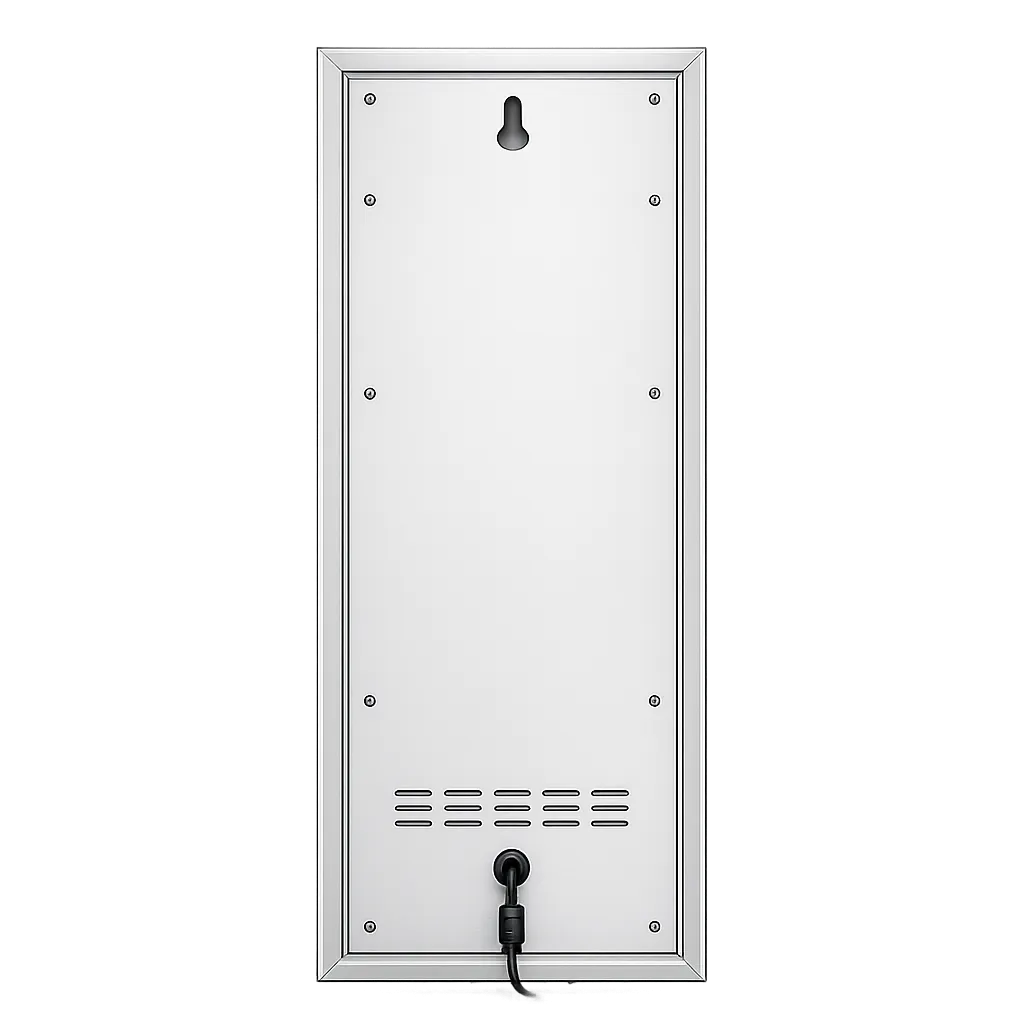
Multi-site screening services benefit from the four-variant offering directly, since different rooms can carry different faces matched to the populations they serve — a letter chart in one, a tumbling E in another. At 2.4 kg and five per carton the units are cheap to ship and trivial to mount, which suits equipping several sites in one order. Two points belong in the decision: the printed face is permanent, so the choice must be right first time; and the 5 metre distance is fixed, so the room must provide it before anything else is considered.