
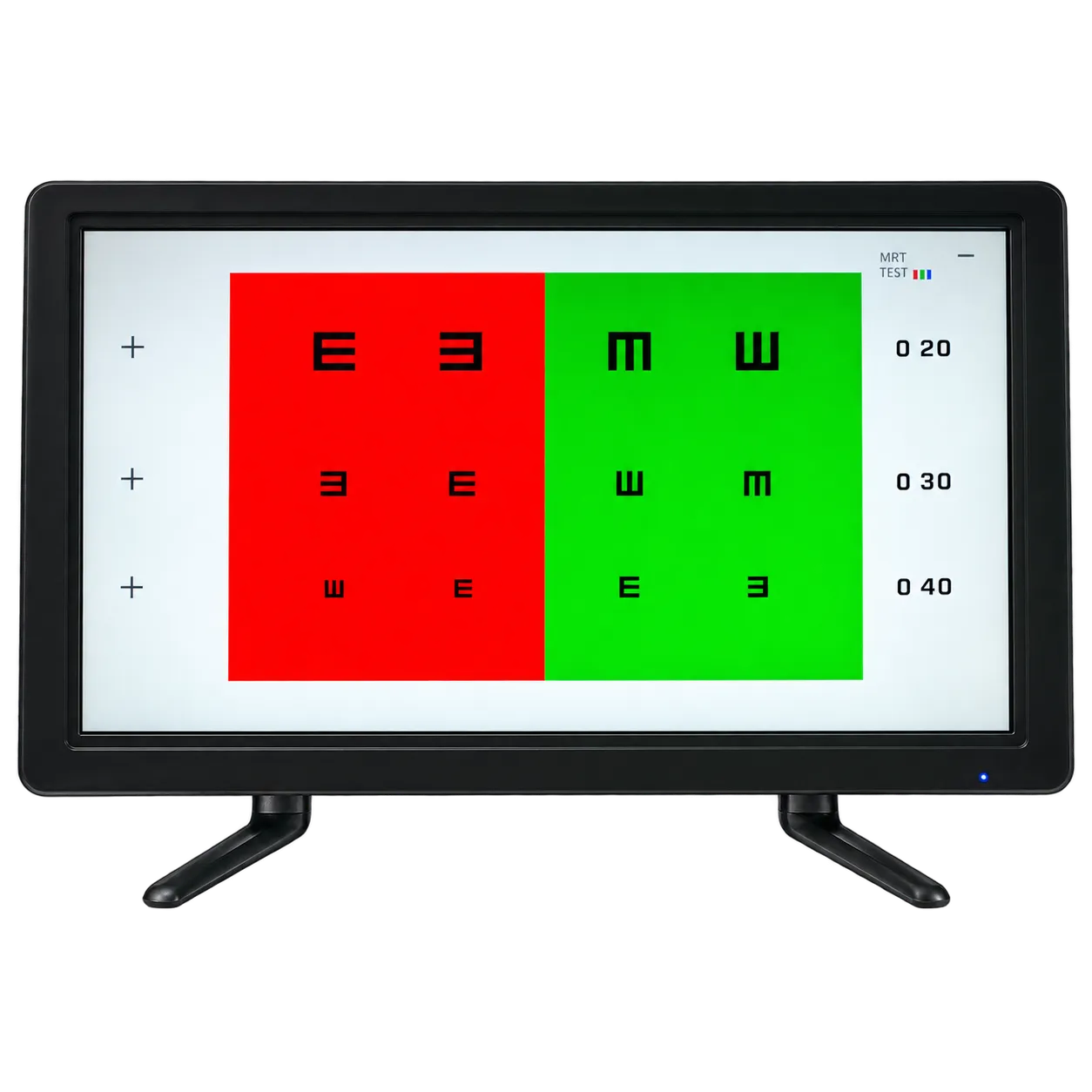
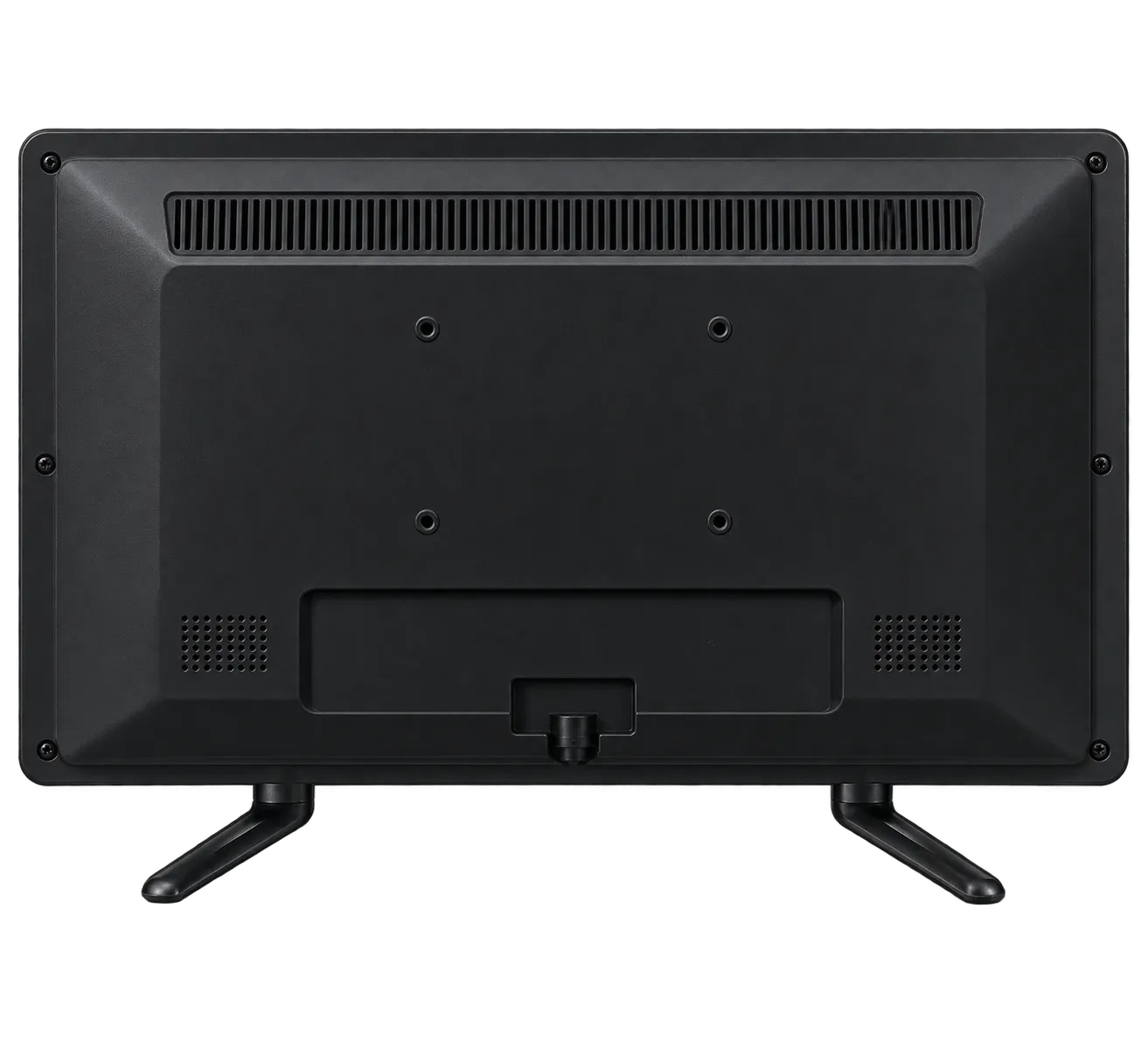
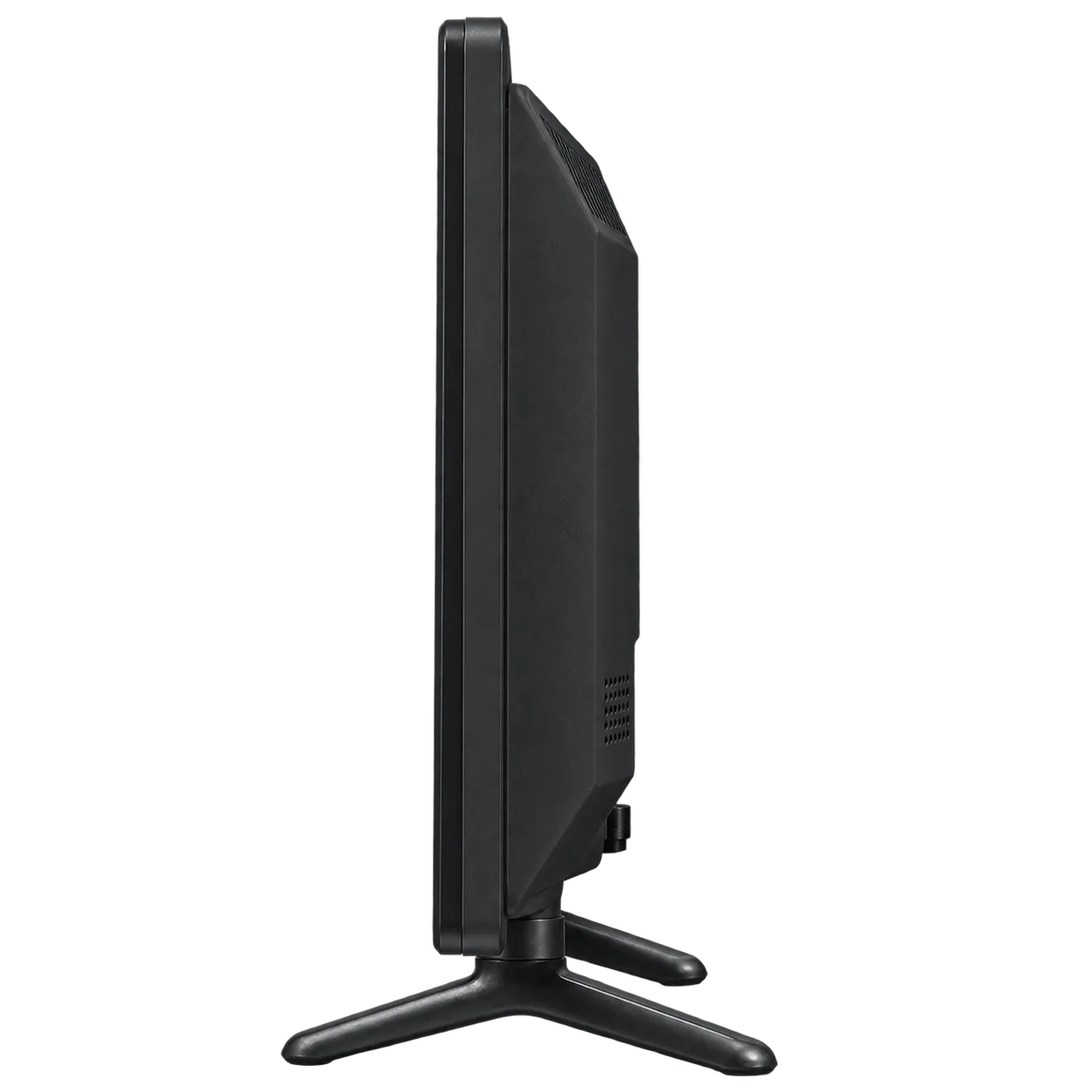
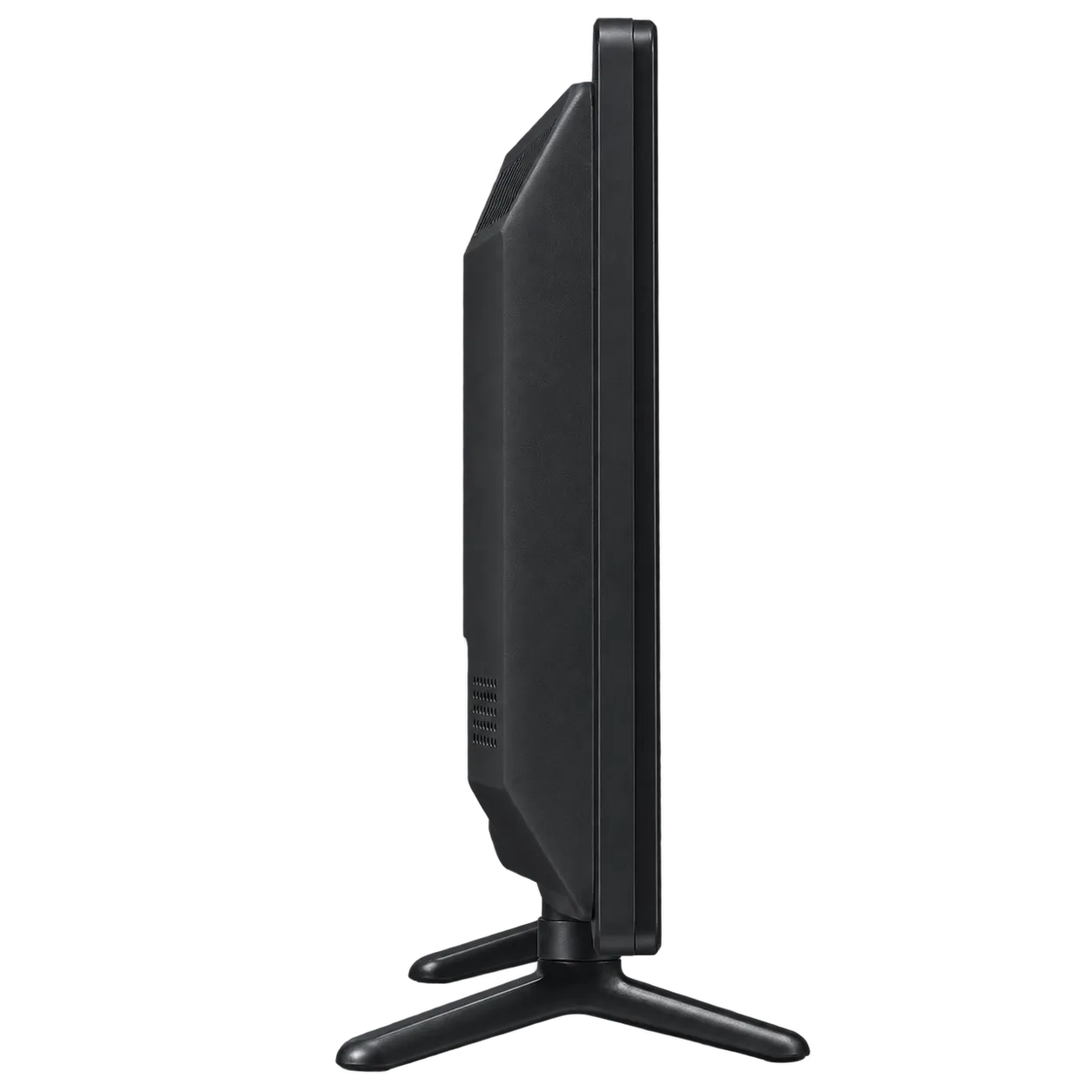
Permanently installed consulting room lanes are where this model belongs. A practice fitting out a room it expects to use for a decade wants the chart display fixed at a set height, a set angle and a known distance, and then left alone. Wall mounting achieves that, and a heavier chassis on a proper bracket holds it — resisting the incremental displacement that a busy lane inflicts on anything not properly secured.
The clinical consequence of drift is worth stating plainly, because it is easy to overlook. A chart display whose angle or position has shifted introduces an error into every acuity measurement taken against it, and there is no signal in the results that anything is wrong. The error simply persists until somebody thinks to check. A unit that stays where it was set removes that failure mode, which is a quiet but real contribution to measurement integrity across a practice's whole caseload.
Panel area suits general and low vision work alike. At 22 inches the display sits near the top of this family for chart area, which matters most at the largest optotypes and longest working distances — precisely the conditions of low vision assessment. Practices assessing acuities of 6/60 and below get more usable rendering than a smaller panel provides.
Short and awkward rooms remain fully served, since the 1 metre lower limit runs across this family. Specifying this model is a decision about build and area, not a trade against reach. Two points belong in the purchasing decision rather than the small print: the acuity range is unpublished and determines whether low vision work is possible at all, and the weight difference against the 23-inch model indicates a different physical build that the manufacturer has not explained — worth understanding before choosing between them.