
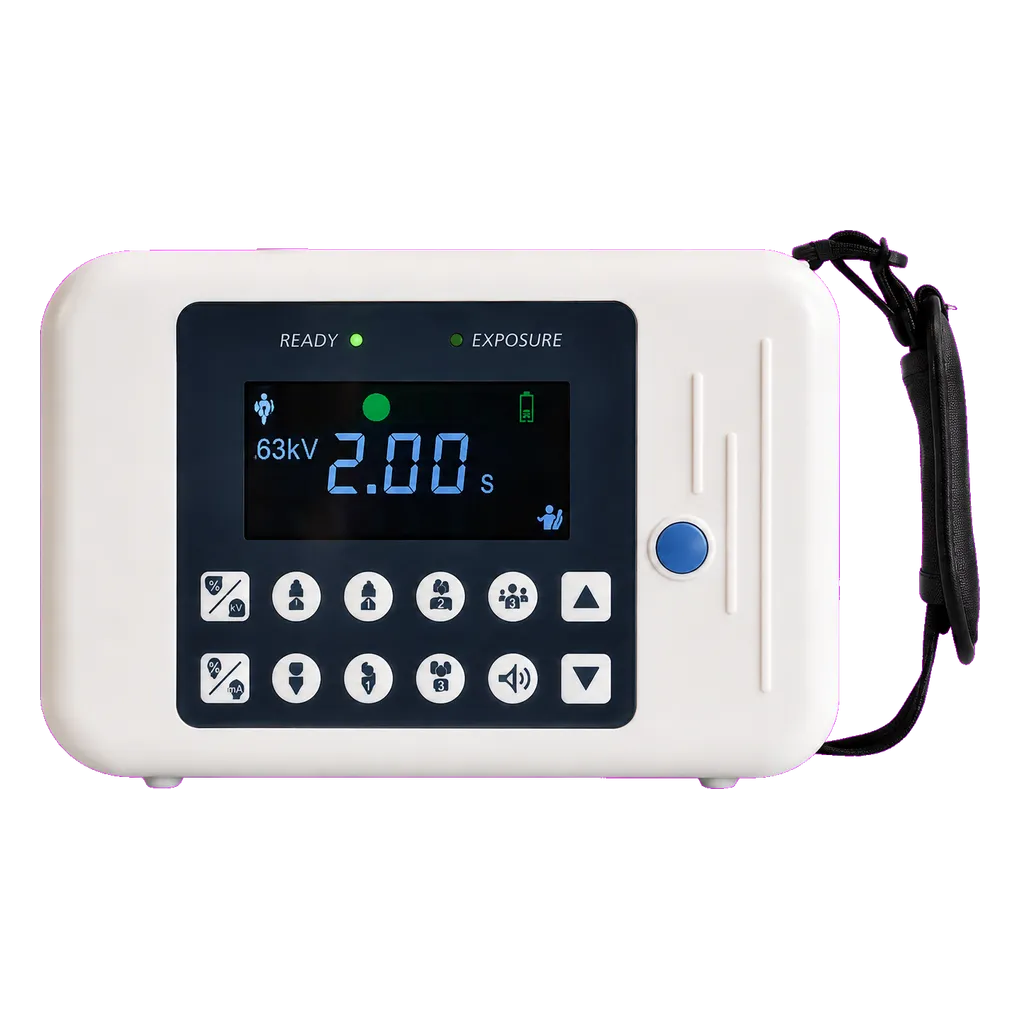
Intraoral radiography carries the diagnostic load in UK general dentistry, and the SJD-121 is configured for that daily volume. It supports bitewing caries detection, periapical assessment of pathology, endodontic working-length and obturation verification, alveolar bone-level review, and root morphology assessment ahead of extraction.
Periodontal practice is a natural fit for the higher kilovoltage setting. Assessing crestal bone height, root surface and surrounding trabecular pattern from a single image asks the receptor to hold a wide span of densities, which is what a longer greyscale delivers. Serial comparison across recall visits is the clinical point, so consistent geometry and a documented protocol matter as much as the exposure setting itself.
Implant dentistry uses periapical views for site review, healing assessment and abutment-level verification. Those views sit alongside sectional imaging where three-dimensional anatomy is the question, under the justification framework of IR(ME)R 2017.
Endodontic practice makes heavy use of periapical views, with a single root canal treatment often needing a diagnostic film, a working-length film, a master cone check and a post-obturation view. Orthodontic practices use periapicals for root resorption monitoring through active treatment. Paediatric dentistry benefits from the lower milliamp steps and the 0.1 second timing floor.
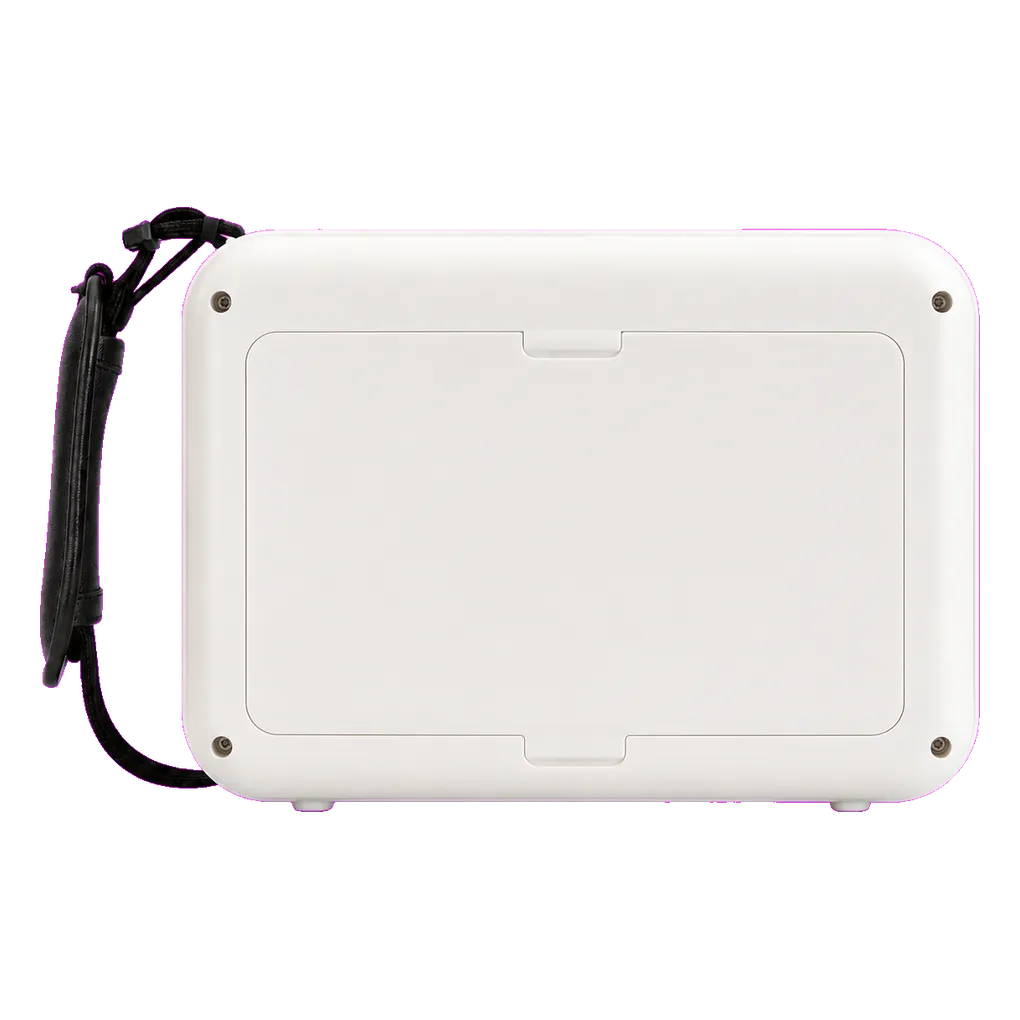
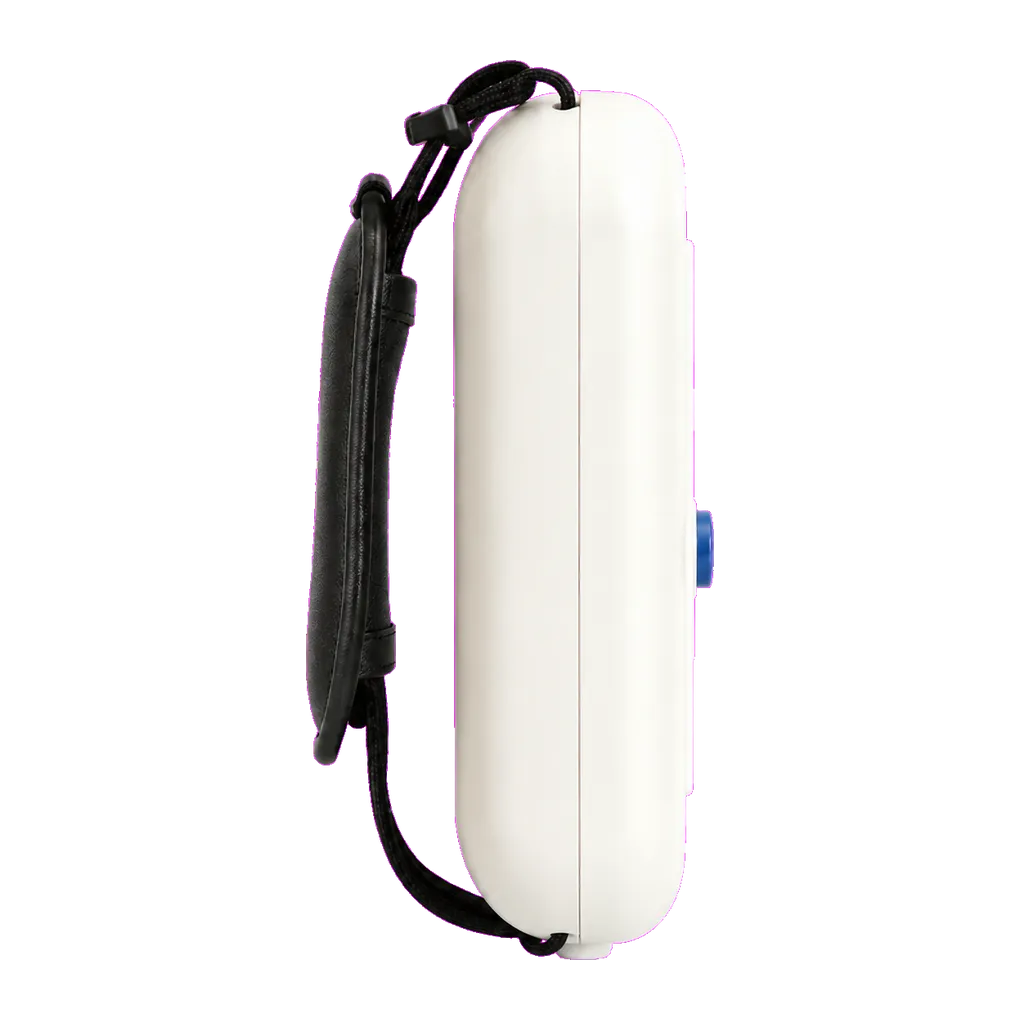
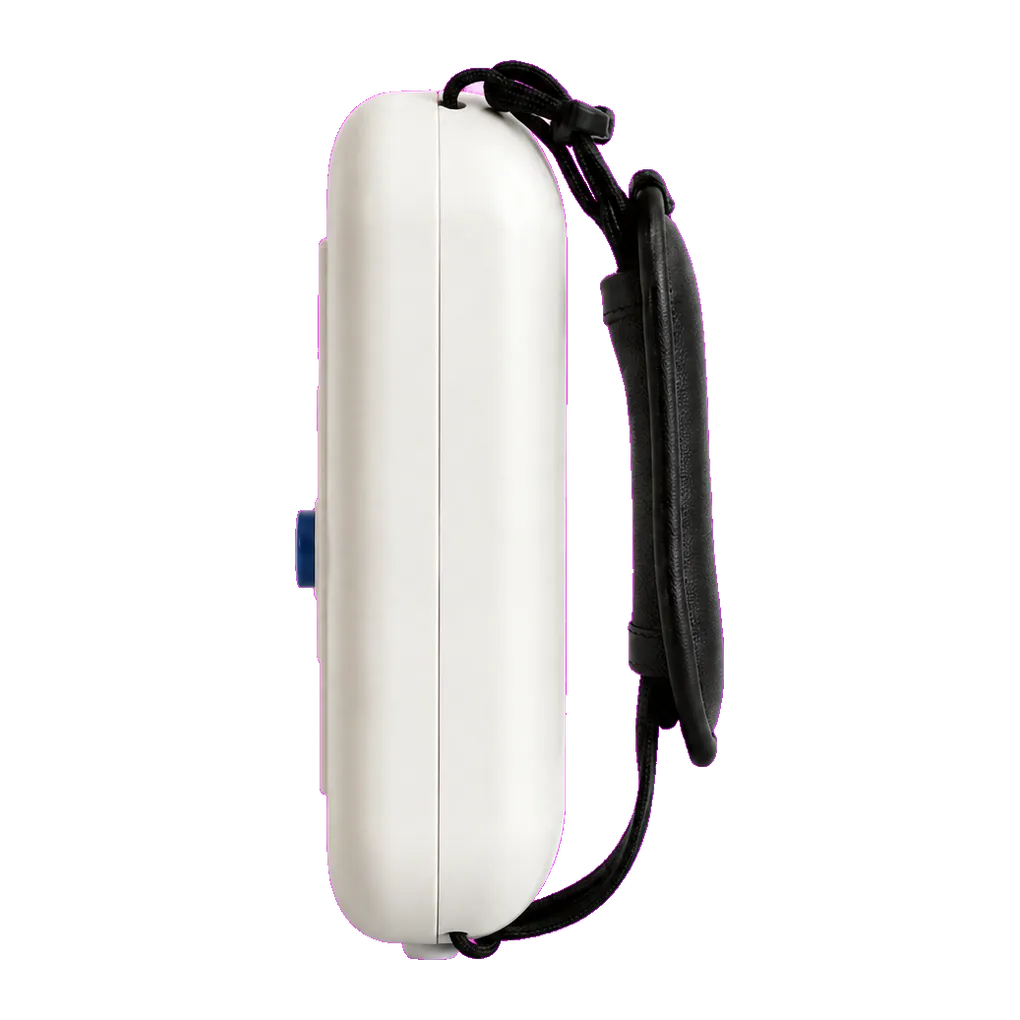
Community dental services and special care teams need equipment one clinician can carry. At 1.7 kg, the unit travels easily, though the modest published battery capacity makes spare pack availability worth settling before a domiciliary round, with off-site radiation protection arrangements agreed with the RPA in advance.
Guidance from the College of General Dentistry and UKHSA Dental X-ray Protection Services remains the reference point UK practices work to, alongside HSE enforcement of IRR17.