
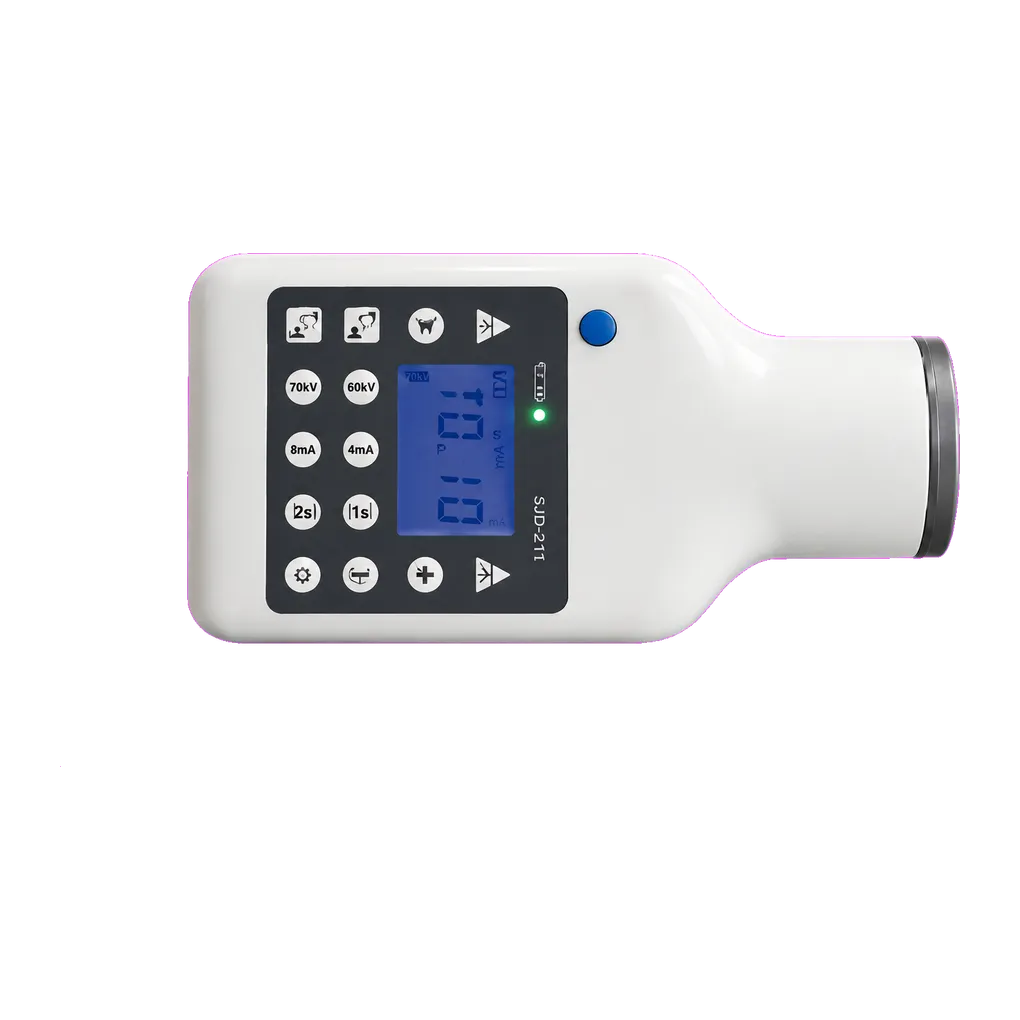
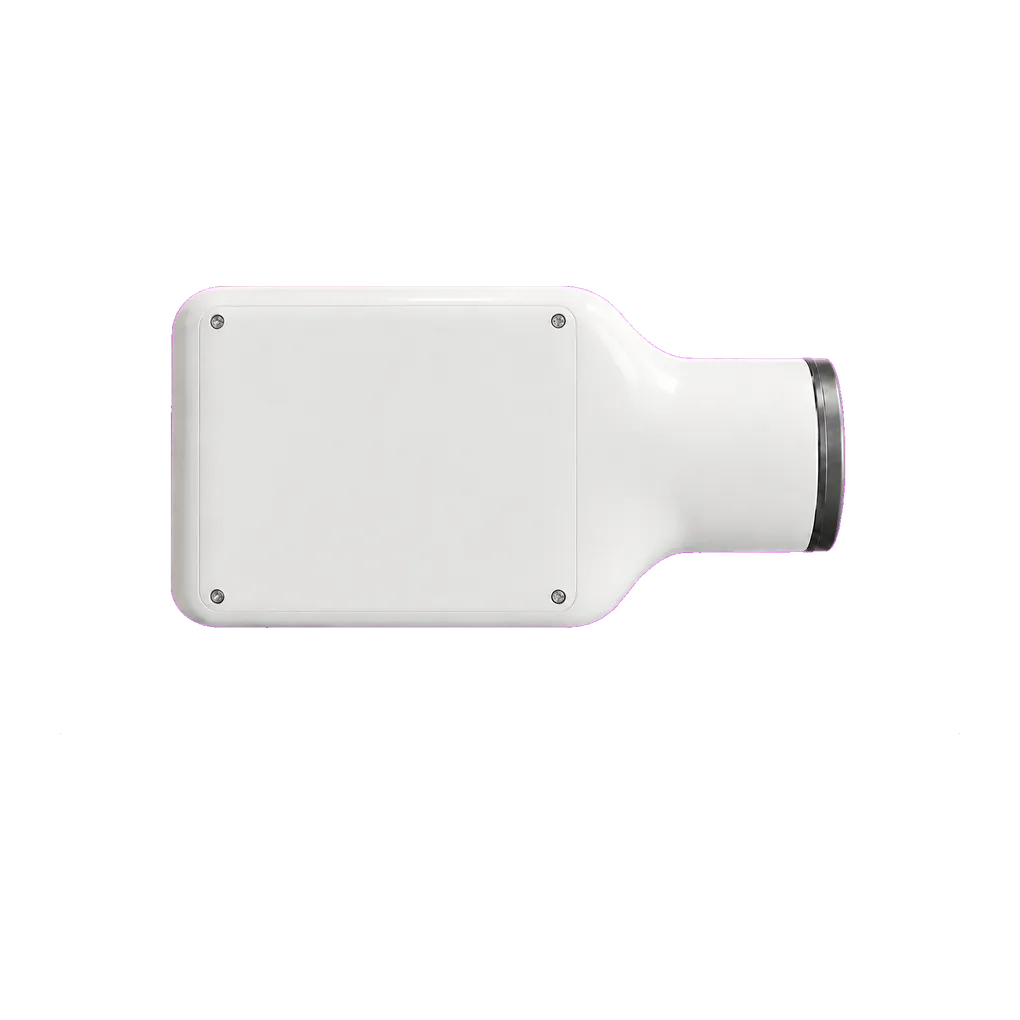
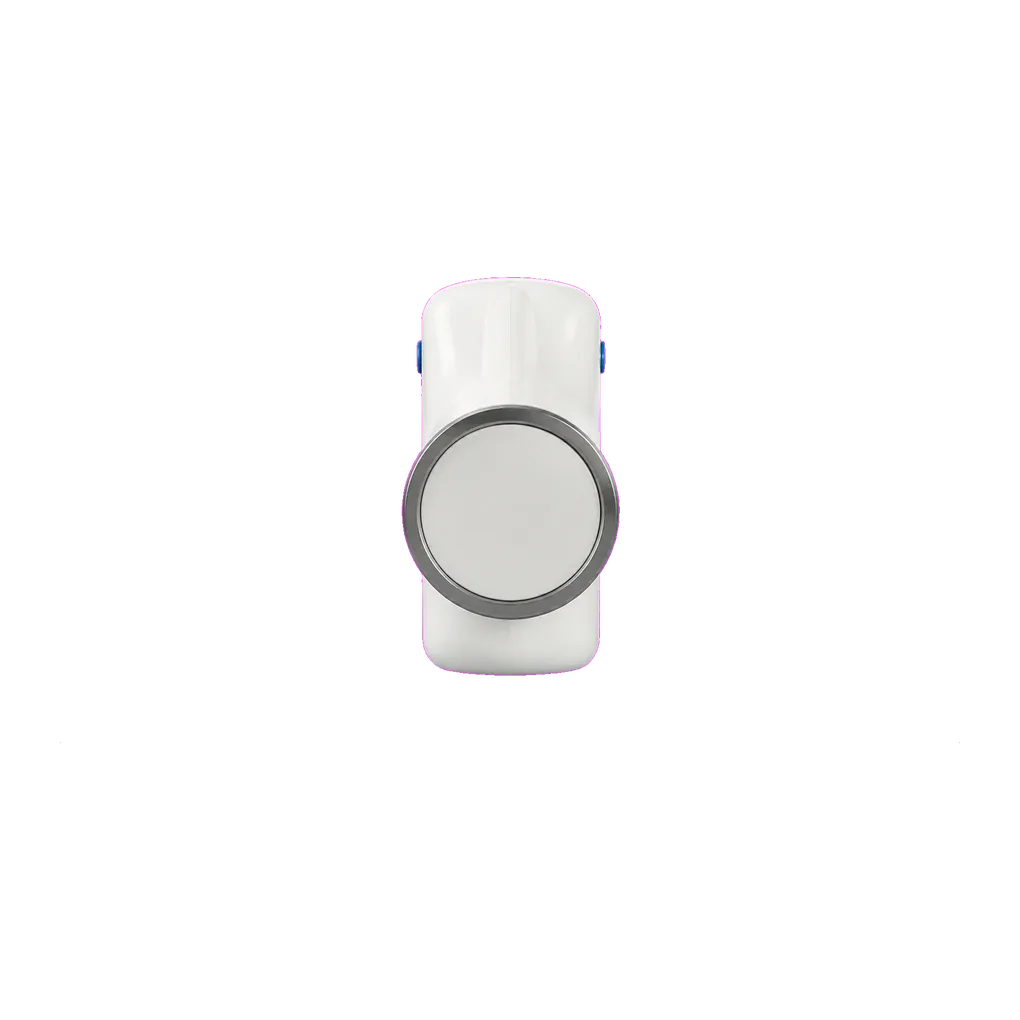
Intraoral radiography carries the diagnostic load in UK general dentistry, and the SJD-211 is configured for that daily volume. It supports bitewing caries detection, periapical assessment of pathology, endodontic working-length and obturation verification, alveolar bone-level review, and root morphology assessment ahead of extraction.
Emergency and unscheduled care is a natural fit. A patient presenting in pain with facial swelling needs a diagnosis in a short appointment, and a periapical view is usually what settles it — periapical radiolucency, loss of lamina dura and widened periodontal ligament space point to an apical source, while tracing a gutta-percha point placed in a sinus tract identifies which tooth is responsible. Distinguishing an apical abscess from a periodontal one changes the treatment plan completely, and the radiograph is frequently the deciding evidence.
Practices running phosphor storage plates are well served by the timing range. Plates suit surgeries that want a flexible, cable-free receptor and can accommodate a scanning step, and they are widely used in UK community and domiciliary settings where a rigid sensor and its cable are awkward.
Endodontic practice makes heavy use of periapical views, with a single root canal treatment often needing a diagnostic film, a working-length film, a master cone check and a post-obturation view. Paediatric dentistry benefits from the lower milliamp steps and the 0.1 second timing floor.
Community dental services and special care teams need equipment one clinician can carry. At 1.7 kg, the unit travels easily, though the modest published battery capacity makes spare pack availability worth settling before a domiciliary round or an out-of-hours rota, with off-site radiation protection arrangements agreed with the RPA in advance.
Guidance from the College of General Dentistry and UKHSA Dental X-ray Protection Services remains the reference point UK practices work to, alongside HSE enforcement of IRR17.