
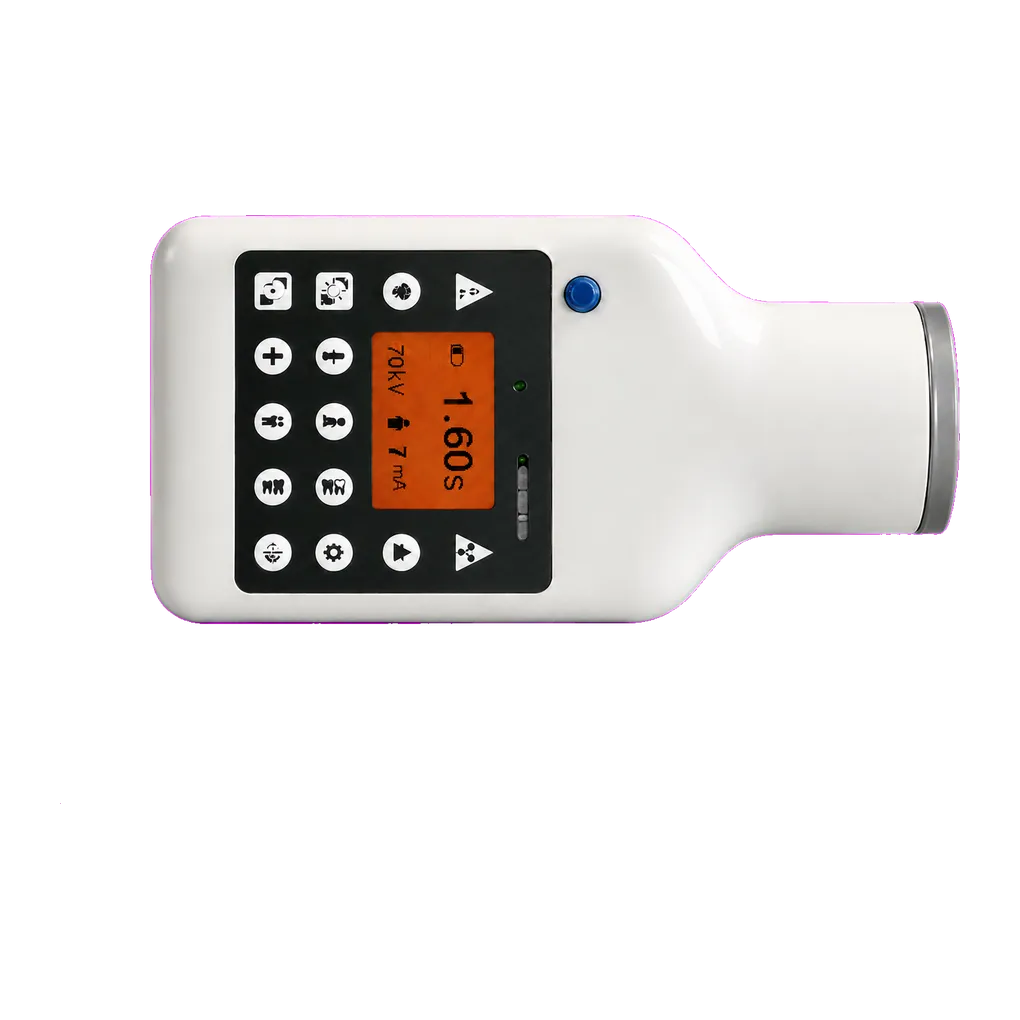
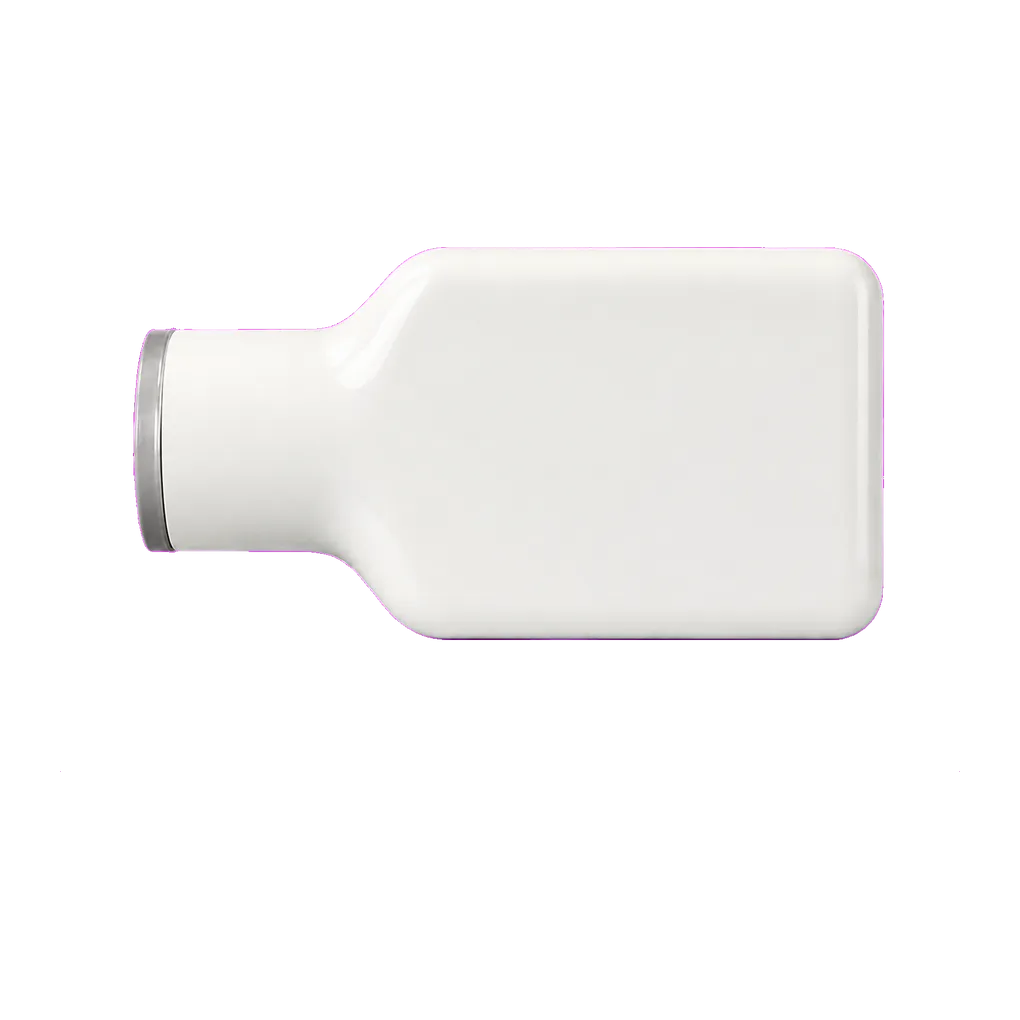
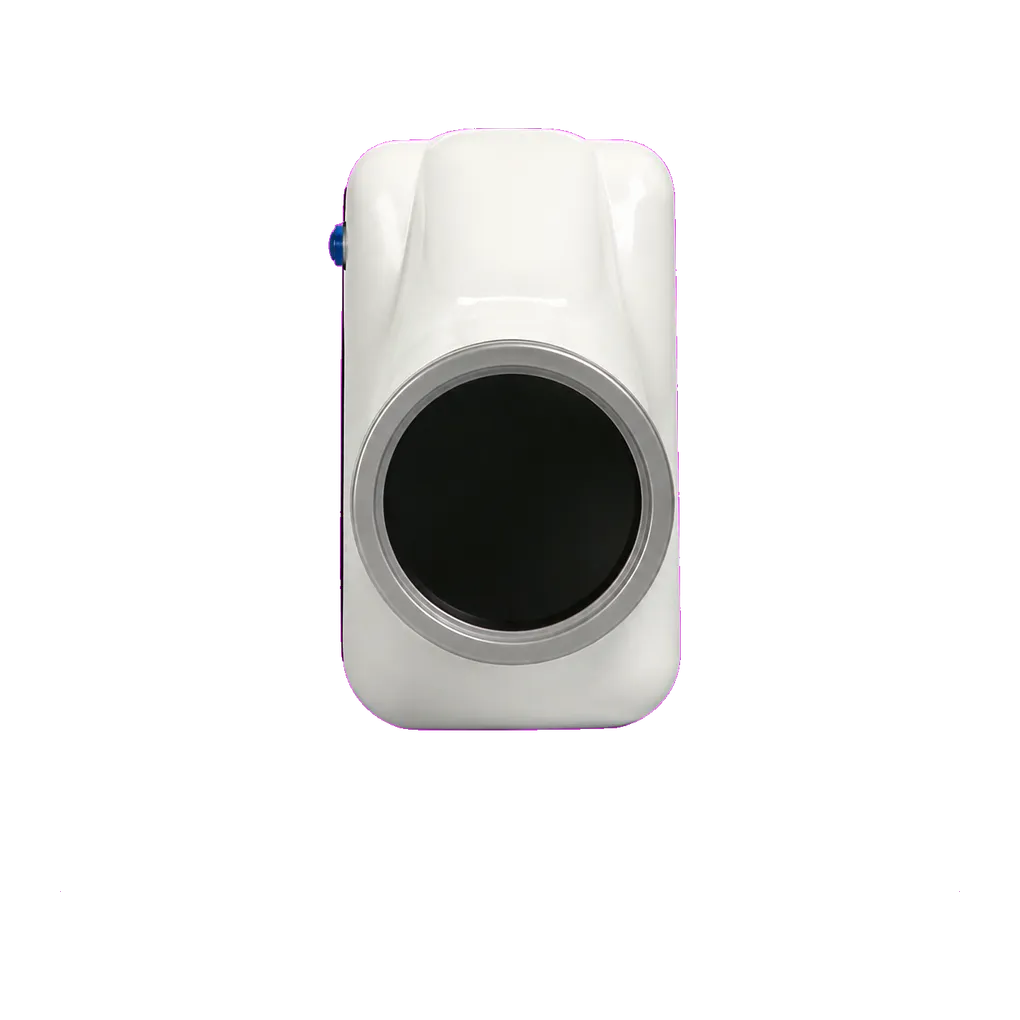
Intraoral radiography carries the diagnostic load in UK general dentistry, and the SJD-231 is configured for that daily volume. It supports bitewing caries detection, periapical assessment of pathology, alveolar bone-level review, endodontic length verification and root morphology assessment ahead of extraction.
Recall and monitoring is the workflow this unit is positioned for. UK practices set radiographic intervals on individual risk — caries activity, periodontal status, restorative history — guided by NICE recall guidance and the radiographic selection criteria published by the profession, with each exposure justified individually under IR(ME)R 2017. A high-throughput recall list means the same views taken repeatedly across many patients, which puts a premium on a protocol that is quick to apply and consistent to repeat.
New patient assessment produces the baseline everything later is read against. Where justified on clinical findings and history, bitewings and periapicals establish caries and bone-level status at first attendance, and that first set often turns out to be the most useful radiograph in a patient's record.
Serial monitoring depends on comparability. Approximal caries progression, alveolar bone-level change and resorption are judged by reading a current view against an earlier one, so exposure variation between visits can present as clinical change. Stable output, a documented protocol and consistent geometry from holders and paralleling technique protect that comparison.
Quality assurance under IRR17 sits alongside all of it, with image quality assessment and retake analysis as documented activities.
Community dental services and special care teams need equipment one clinician can carry. At 1.7 kg, the unit travels easily, with off-site radiation protection arrangements agreed with the RPA in advance.
Guidance from the College of General Dentistry and UKHSA Dental X-ray Protection Services remains the reference point that UK practices work to, alongside HSE enforcement of IRR17.