
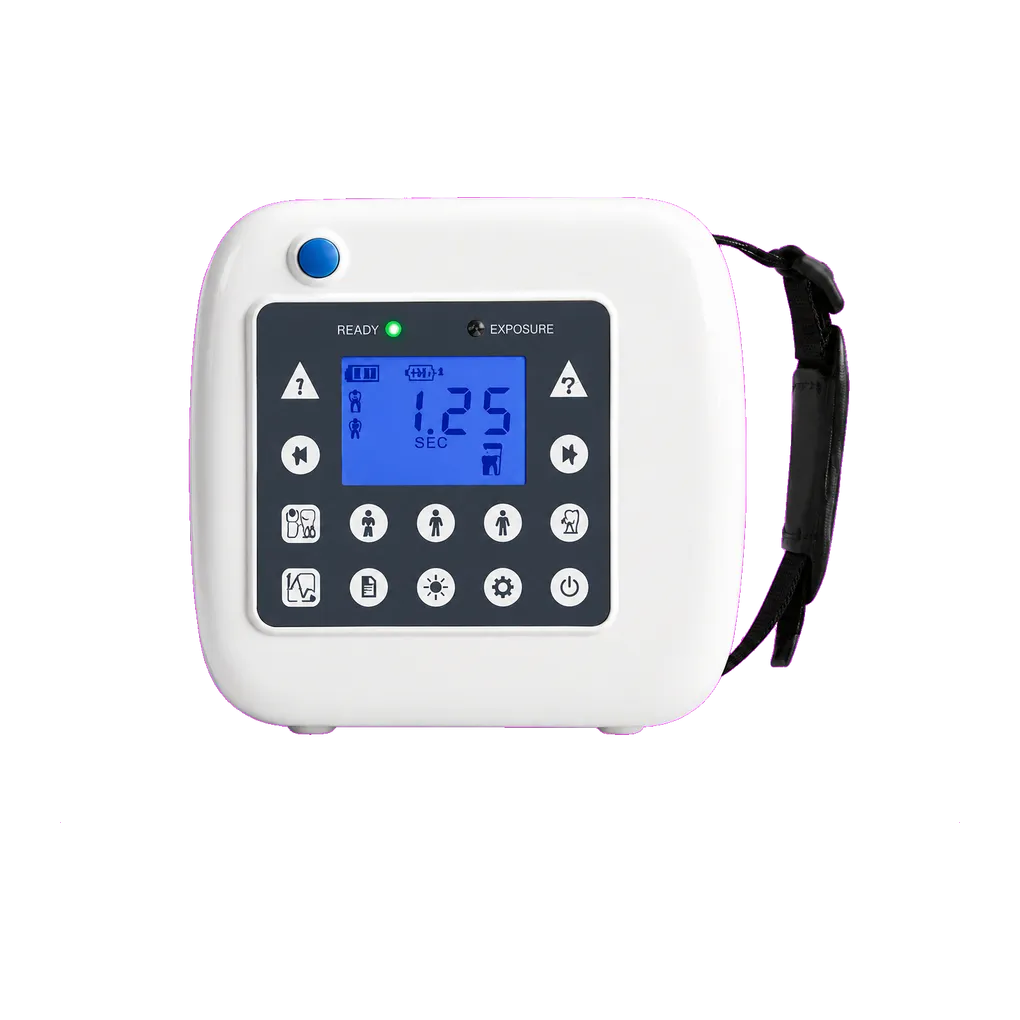
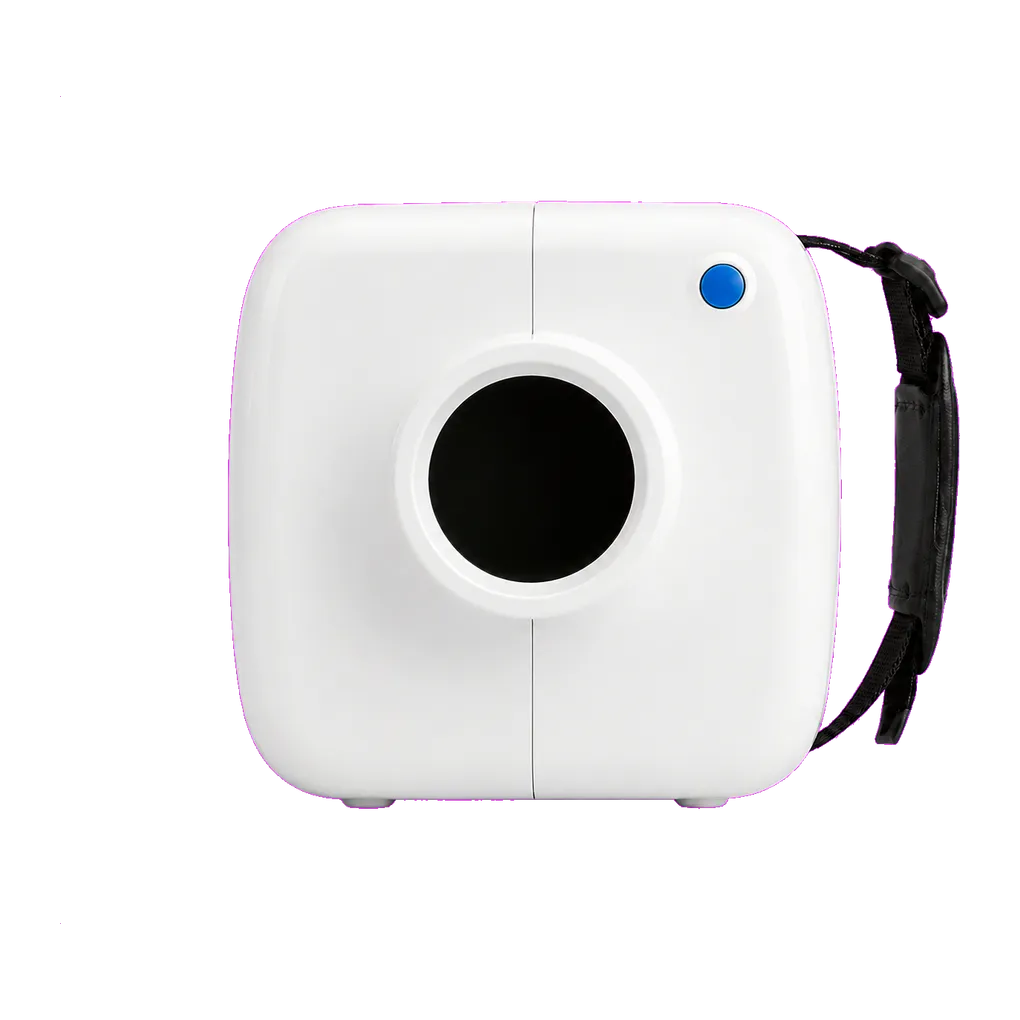
Intraoral radiography carries the diagnostic load in UK general dentistry, and the SJD-311 is configured for that daily volume. It supports bitewing caries detection, periapical assessment of pathology, endodontic working-length and obturation verification, alveolar bone-level review, and root morphology assessment ahead of extraction.
Fracture assessment is a demanding application and worth approaching with clear eyes. Horizontal root fractures, crown-root fractures and cracked cusps are all investigated with periapical views, but a fracture line only registers when the beam runs close to parallel with it. Additional views at differing horizontal angulations raise the chance of detection, and vertical root fractures in particular remain difficult to see on intraoral films, with sectional imaging often the deciding investigation. A periapical showing no fracture line does not exclude one, and case notes should record that distinction.
Resorption monitoring is a more comfortable fit. External cervical resorption, internal resorption, orthodontic root resorption and replacement resorption after trauma are all followed on serial periapicals. The method depends on comparability, so consistent exposure and reproducible geometry carry the diagnostic weight. Telling internal from external resorption usually needs a second view at a shifted horizontal angulation.
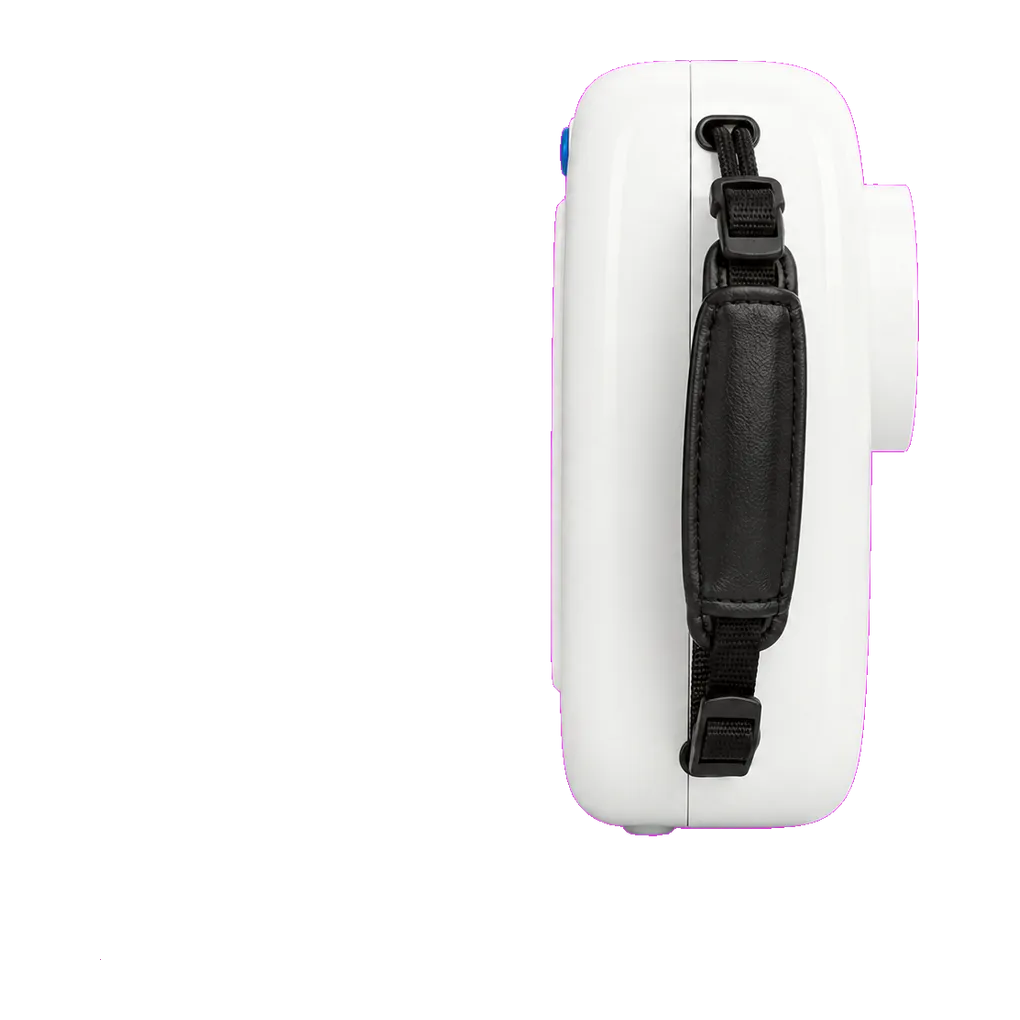
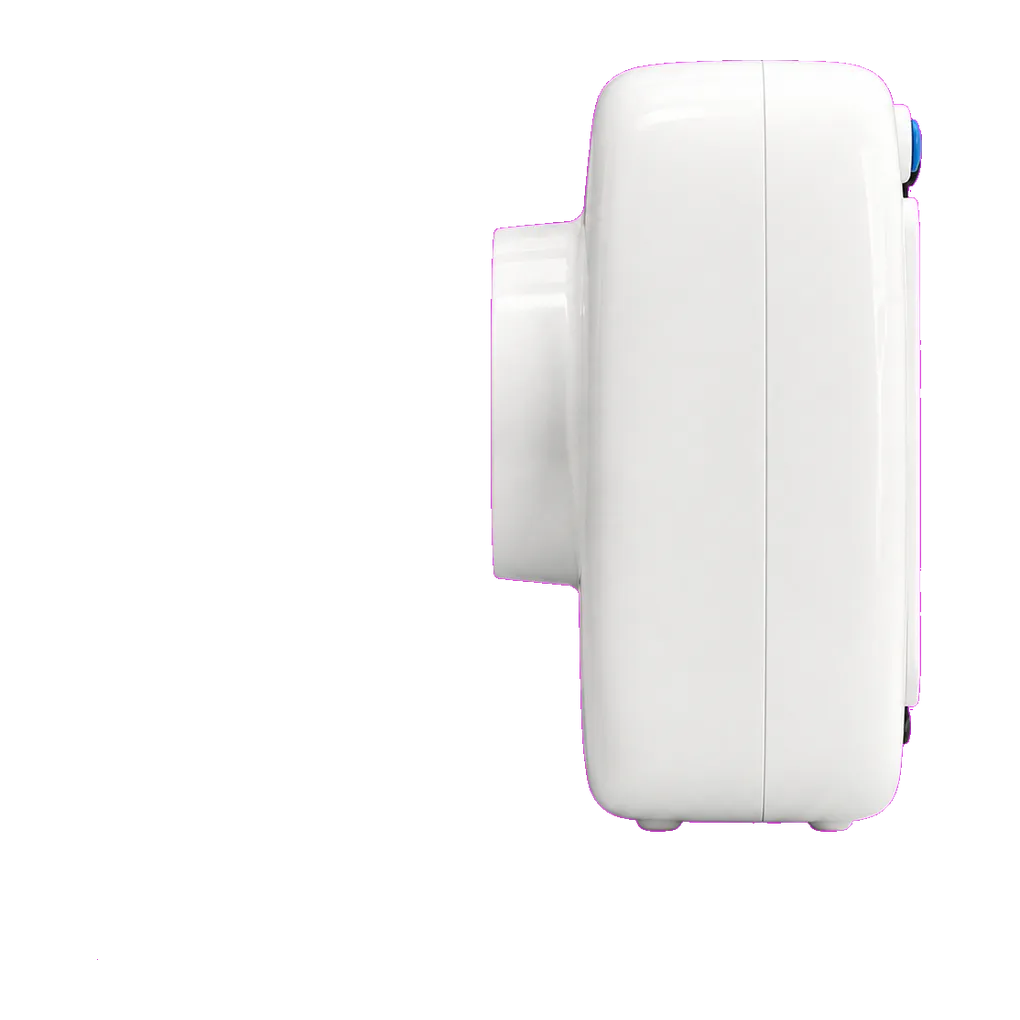
Storage and transport considerations run through every setting. A 145 × 145 × 140 mm body stows in a lockable drawer, which discharges the physical security duty IRR17 places on the employer, and packs squarely into a case for community dental services, domiciliary rounds and outreach programmes — where off-site radiation protection arrangements need agreement with the Radiation Protection Adviser in advance.
Guidance from the College of General Dentistry and UKHSA Dental X-ray Protection Services remains the reference point UK practices work to, alongside HSE enforcement of IRR17.