
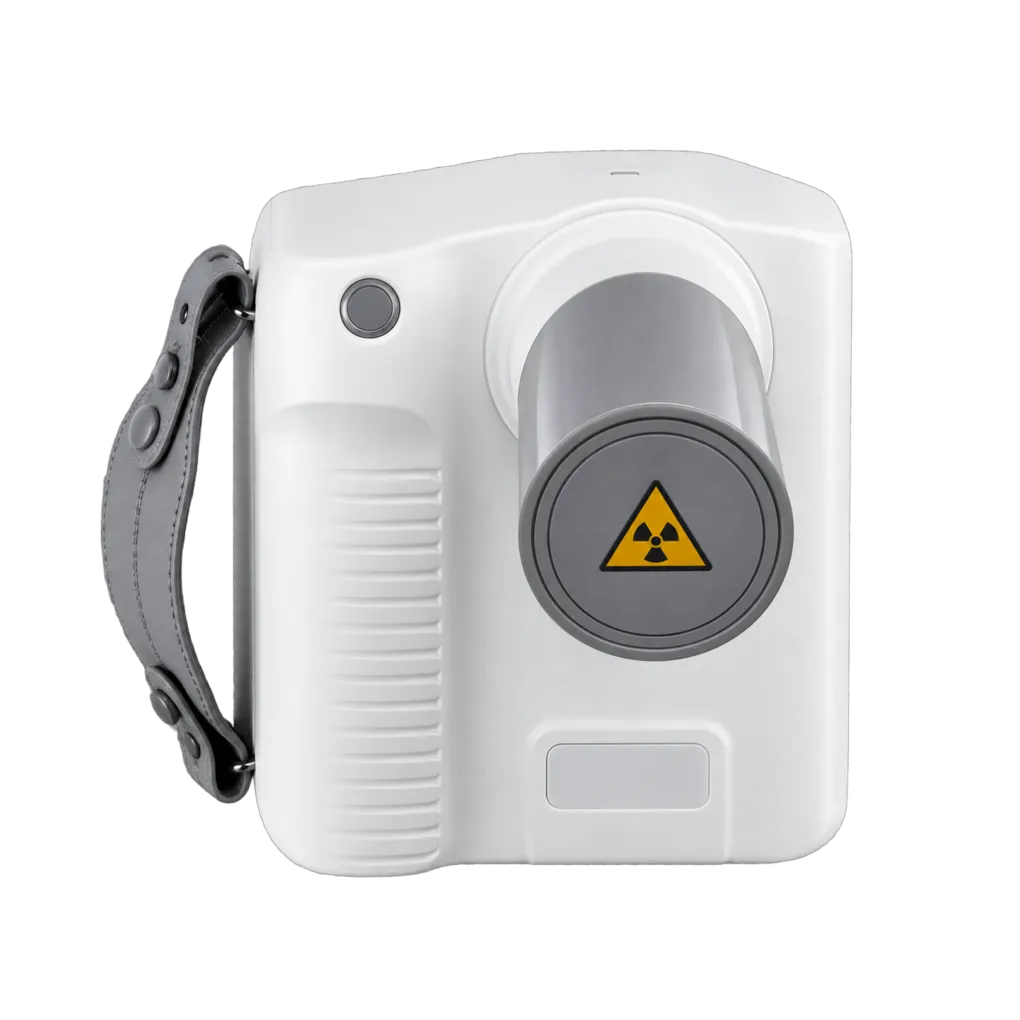
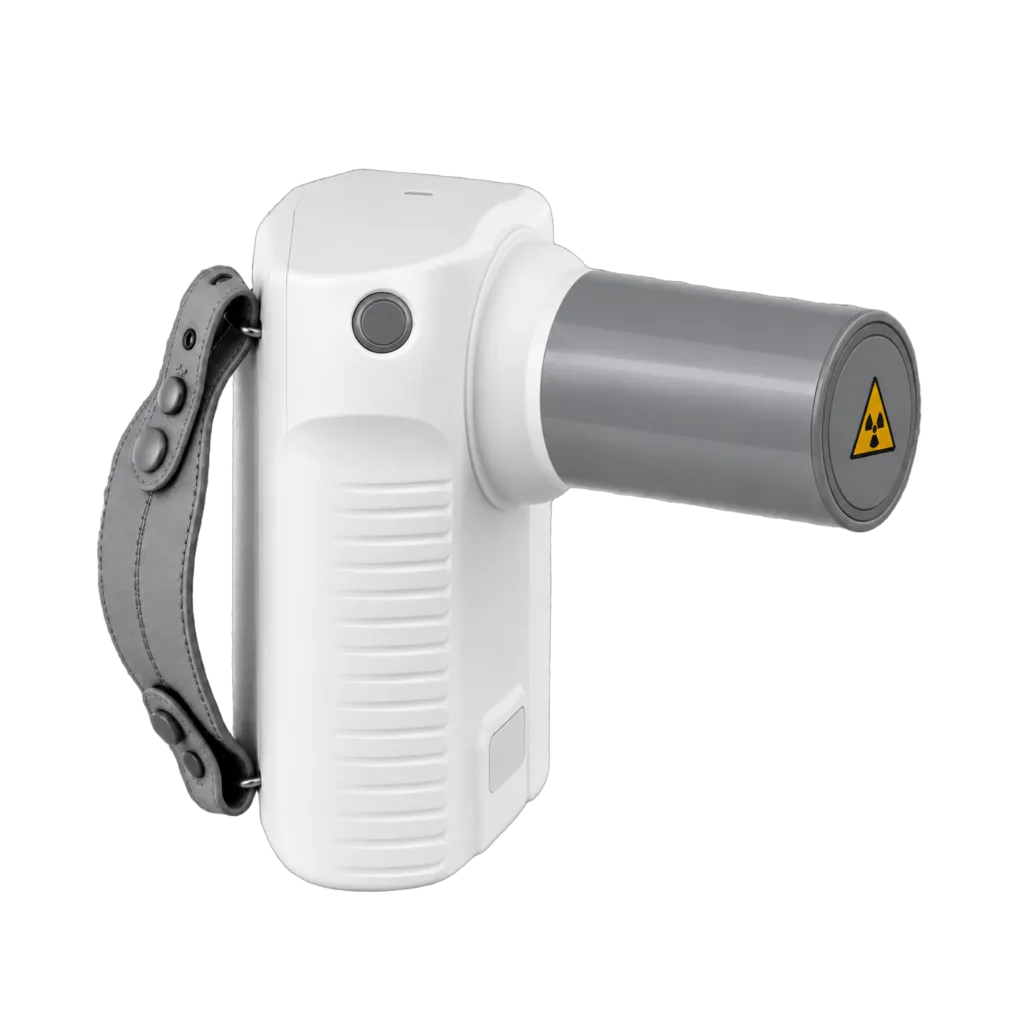
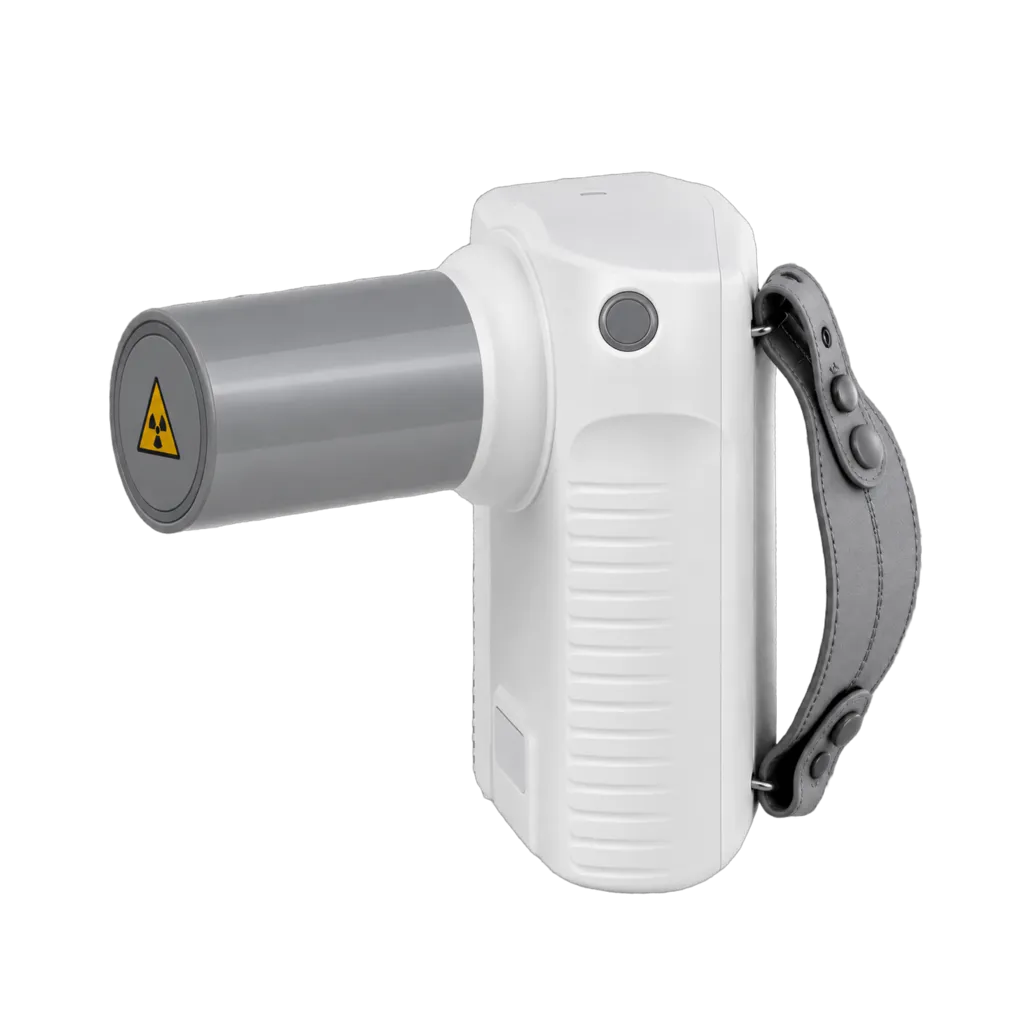
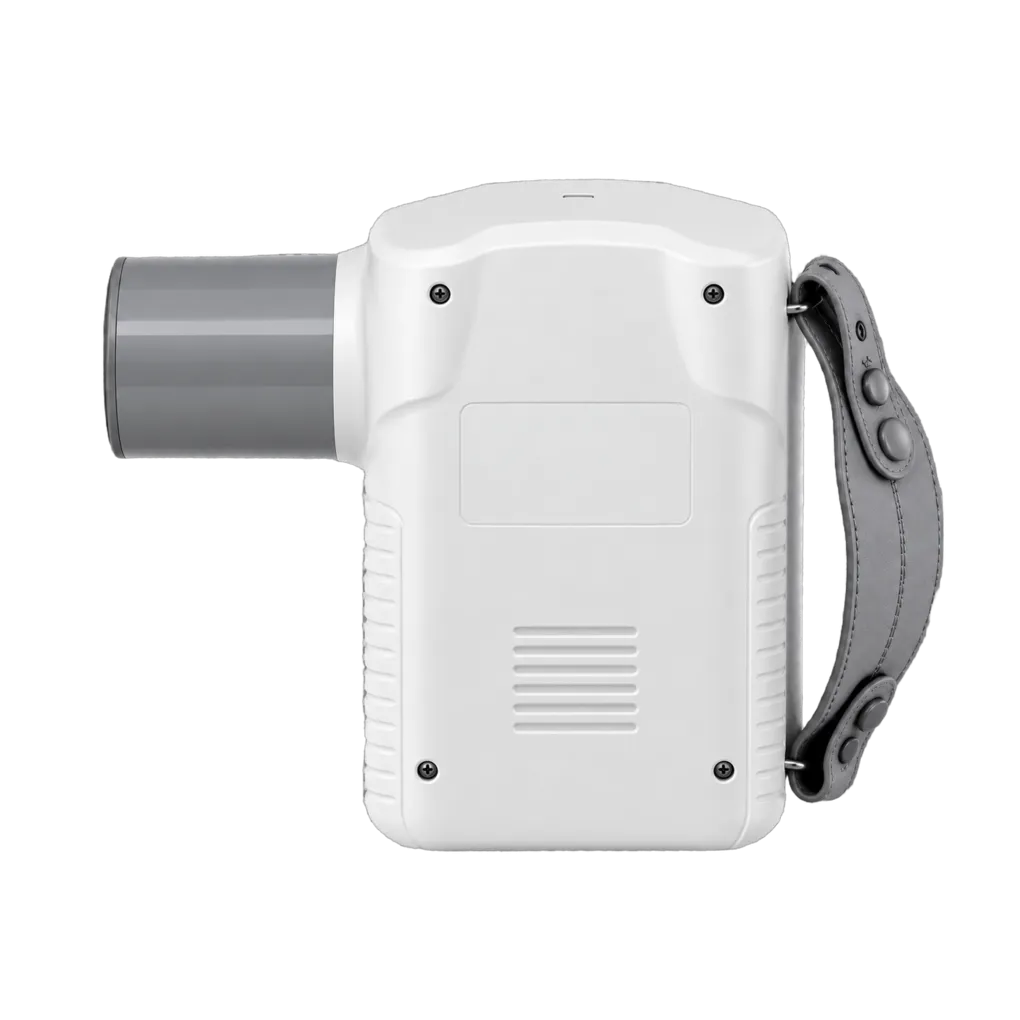
Intraoral radiography carries the diagnostic load in UK general dentistry, and the SJD-C18 is configured for that daily volume. It supports bitewing caries detection, periapical assessment of pathology, endodontic working-length and obturation verification, alveolar bone-level review, and root morphology assessment ahead of extraction.
Operation at 70 kV shapes both the radiographic result and the installation requirements. A 70 kV beam is penetrating and produces a long greyscale, which helps where a span of densities has to be read from one image — crestal bone, root surface and surrounding trabecular pattern on a periodontal view, or dense restorative material alongside tooth structure. It also reaches a given receptor density in a short exposure, which shortens the time a receptor has to be exposed.
The same kilovoltage sets the installation bar. UK guidance requires a longer minimum focus-to-skin distance for equipment operating above 60 kV, and this unit sits in that category by design. Because the data sheet publishes no focus-to-skin distance or cone length, this is a specification to resolve before purchase rather than at commissioning, and the answer determines whether the unit can be used as supplied.
Output regulation matters wherever views are compared. Serial periodontal review, endodontic sequences and post-treatment films all depend on receptor density being consistent between exposures, and a generator whose output holds steady as its battery depletes supports that across a long list or a domiciliary round.
Community dental services and special care teams need equipment one clinician can carry. Net weight is not published, so confirm it before assessing single-person handling, and agree off-site radiation protection arrangements with the RPA in advance.
Guidance from the College of General Dentistry and UKHSA Dental X-ray Protection Services remains the reference point UK practices work to, alongside HSE enforcement of IRR17.