
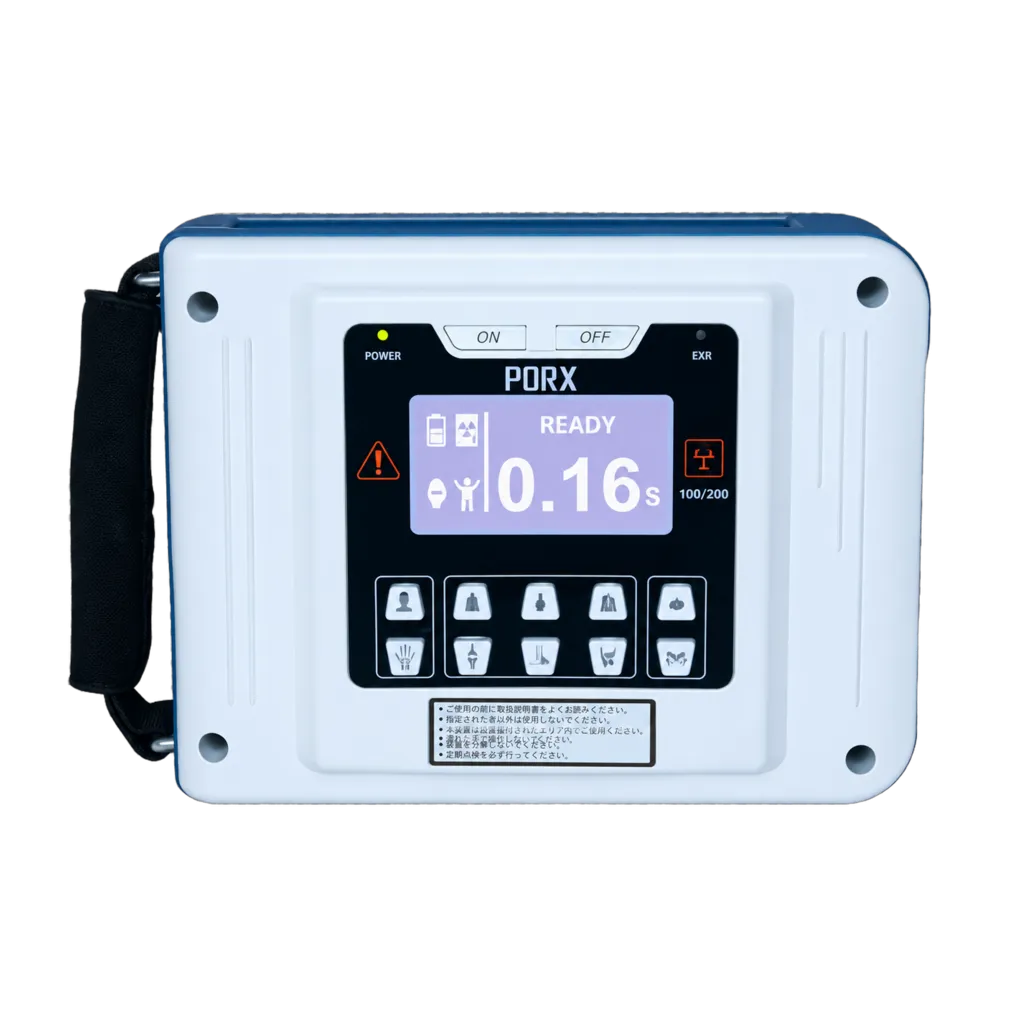
Intraoral radiography carries the diagnostic load in UK general dentistry, and the SJD-C19 is configured for that daily volume. It supports bitewing caries detection, periapical assessment of pathology, endodontic working-length and obturation verification, alveolar bone-level review, and root morphology assessment ahead of extraction.
Multi-view sessions are where the published heat capacity becomes relevant. Endodontic treatment generating four or more views in one appointment, a full-mouth periapical survey, a trauma presentation needing several angulations of the same tooth, or a prosthodontic workup covering multiple abutments all take exposures in close succession. A stated anode heat capacity gives a practice something definite to plan against, and the manufacturer's duty cycle guidance is the natural follow-up question for services that routinely run those sessions.
Dose optimisation is served by the filtration position and the exposure granularity together. A published 1.6 mm aluminium total, broken into inherent and fixed added components, sits above the minimum commonly cited for setups up to 70 kV and gives the Radiation Protection Adviser a clear starting point. Timing in hundredth-of-a-second steps from 0.01 seconds, then lets the Medical Physics Expert set values closely by region, patient build and receptor speed, and optimise downwards in fine increments after an image quality audit.
Operator protection needs its own arrangement regardless of the internal shielding. Leakage from the housing and backscatter from the patient are separate exposures, and the second is what the operator's position and an external shield address. That belongs in the RPA's assessment before the unit enters service.
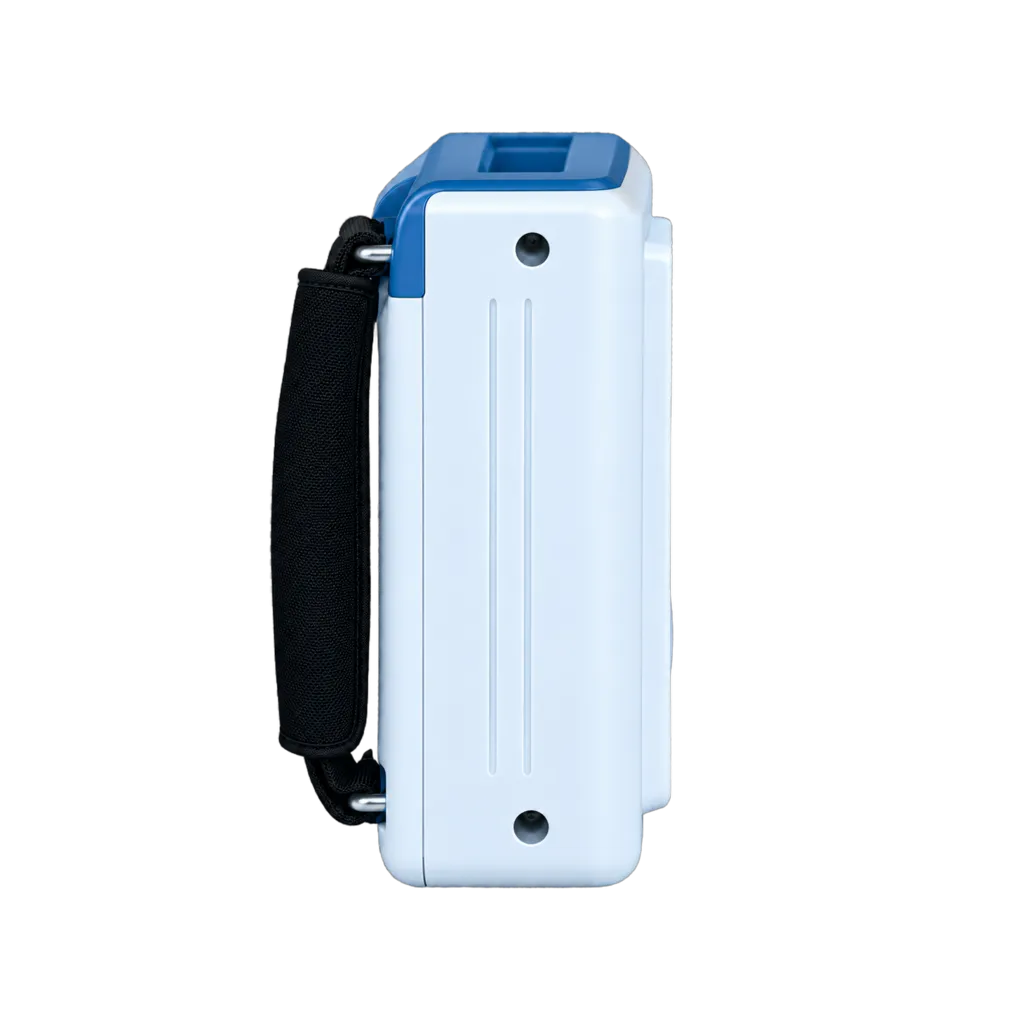
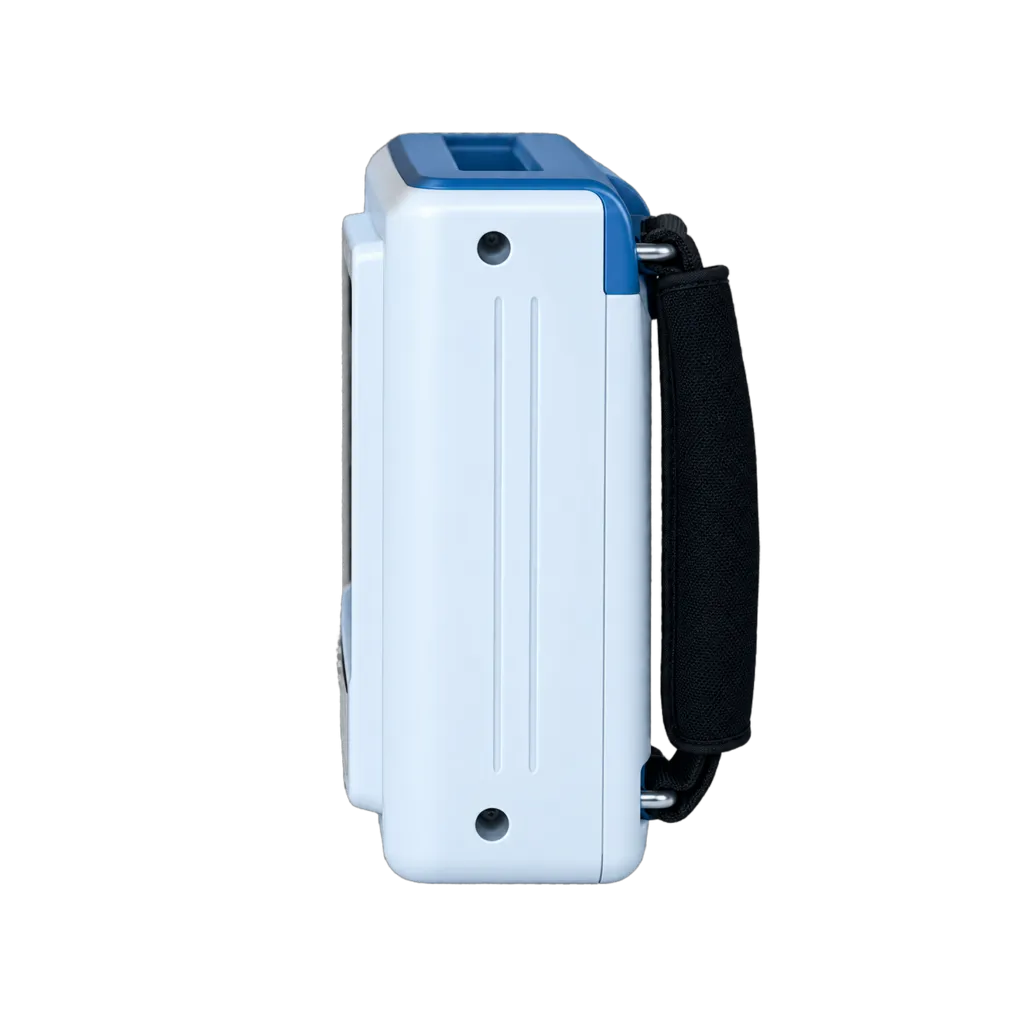
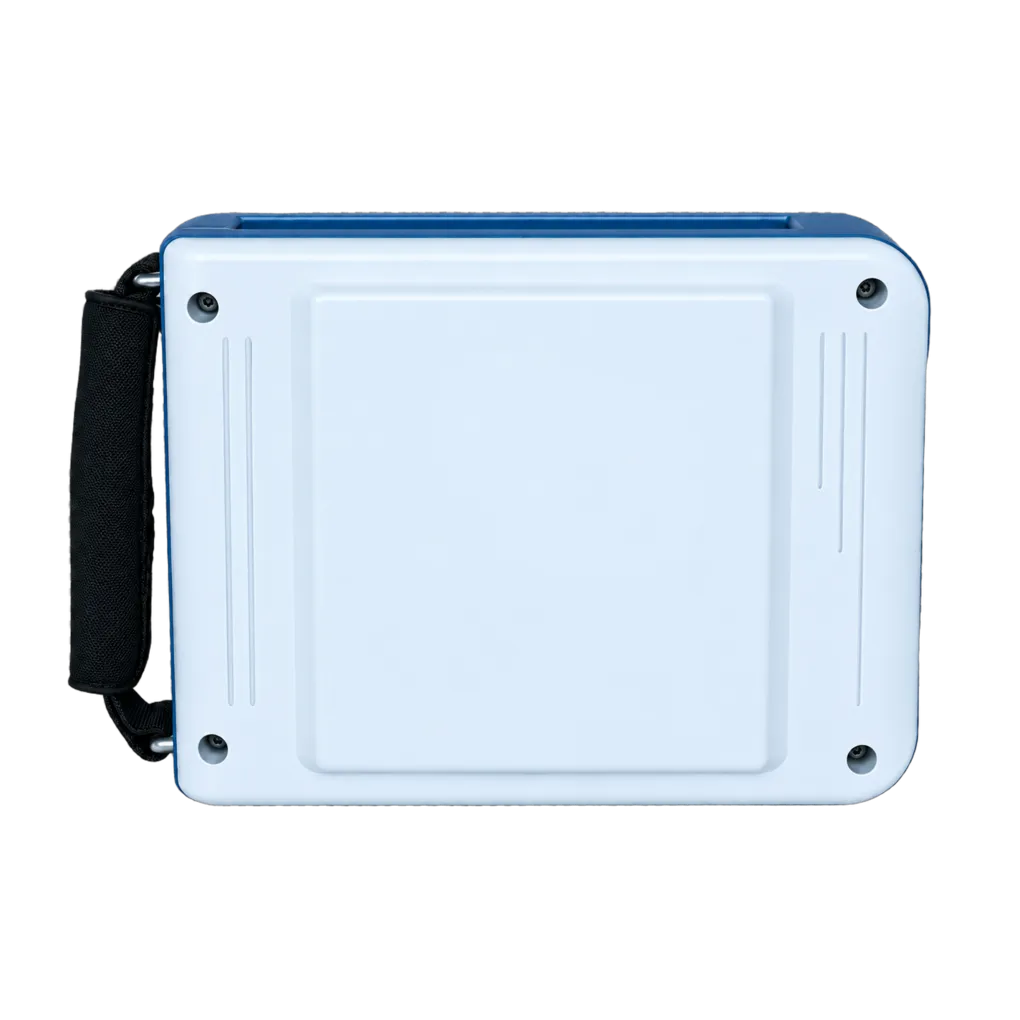
Community dental services and special care teams need equipment one clinician can carry, and at 2.0 kg the unit travels, with off-site radiation protection arrangements agreed with the RPA in advance.
Guidance from the College of General Dentistry and UKHSA Dental X-ray Protection Services remains the reference point that UK practices work to, alongside HSE enforcement of IRR17.