
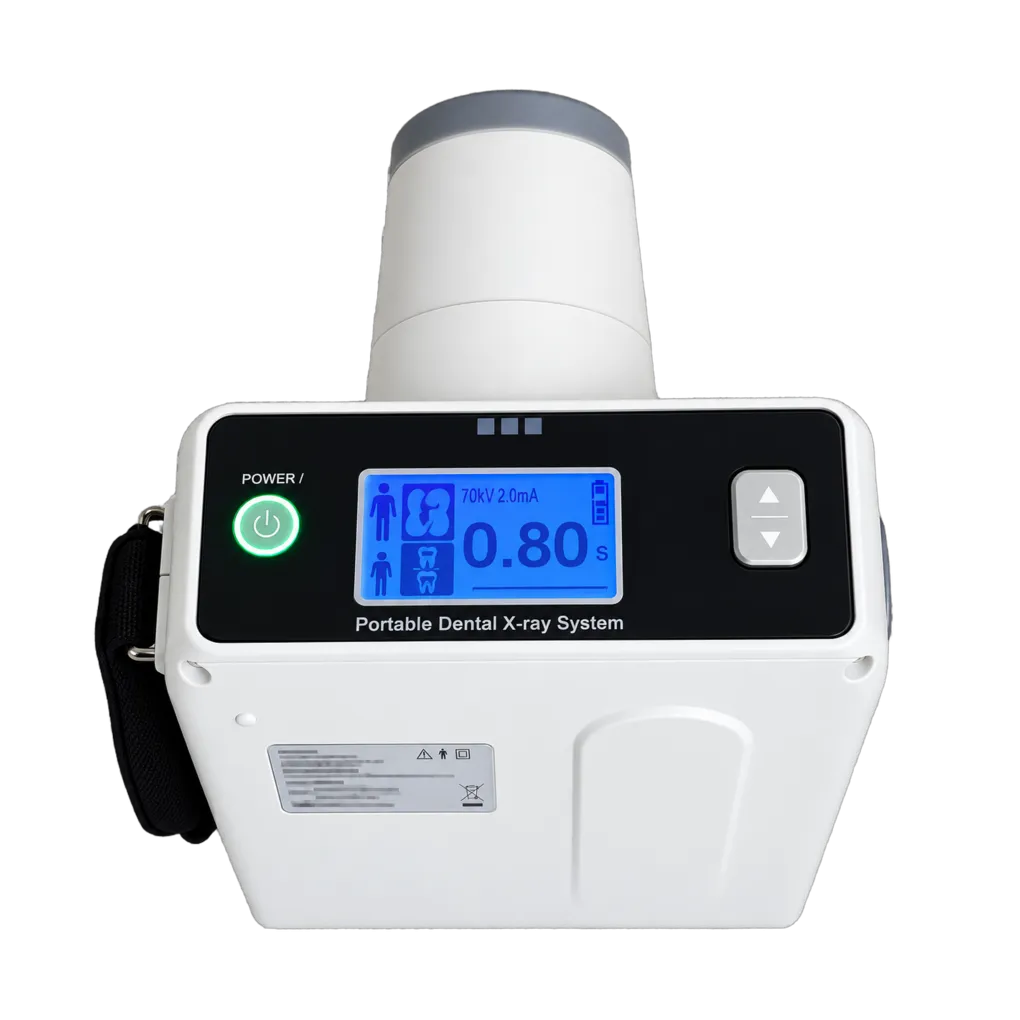
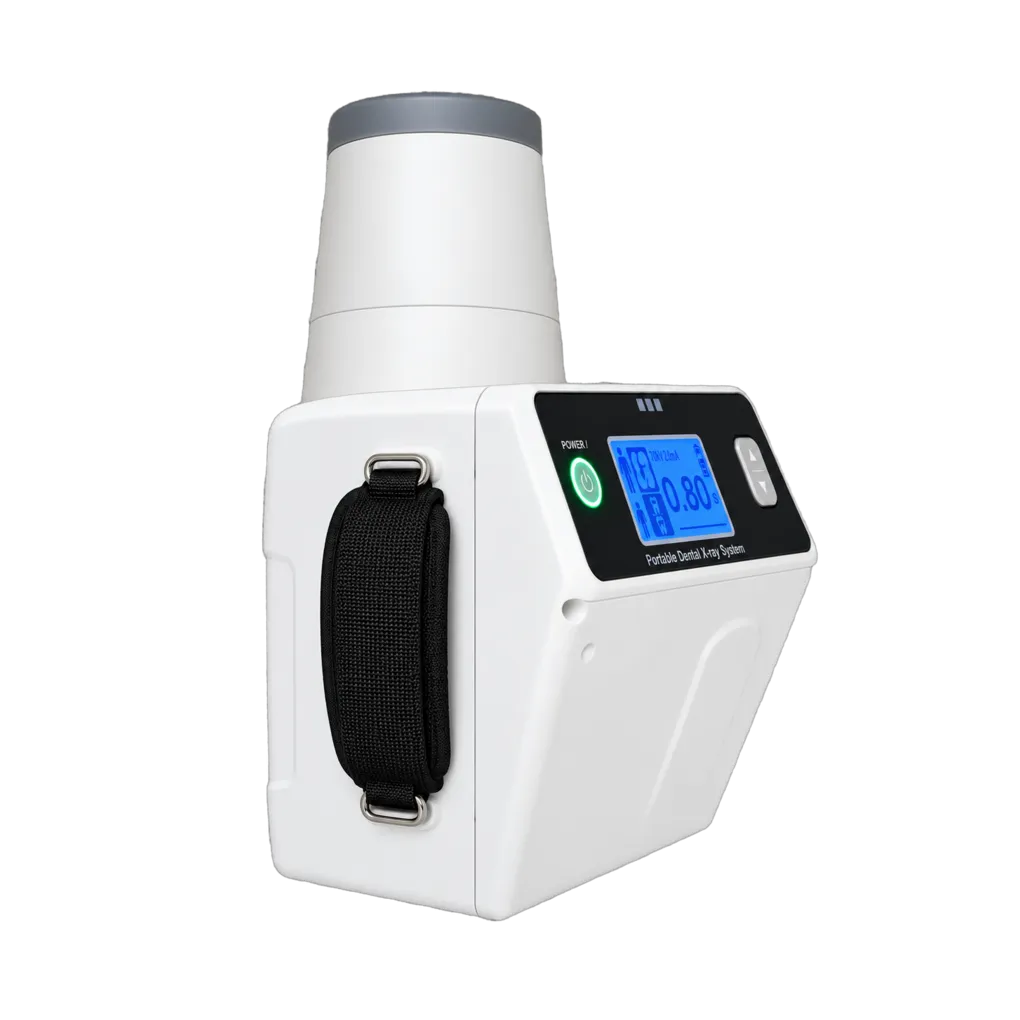
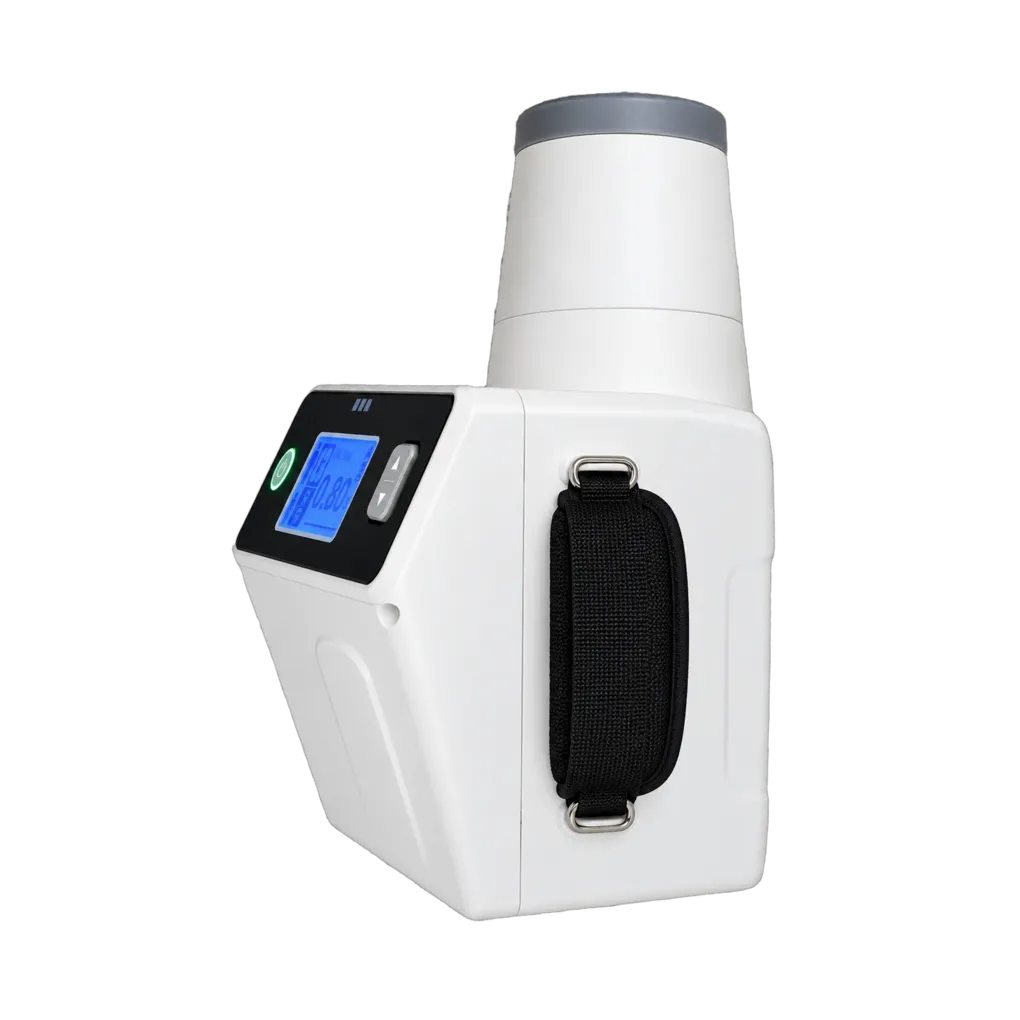
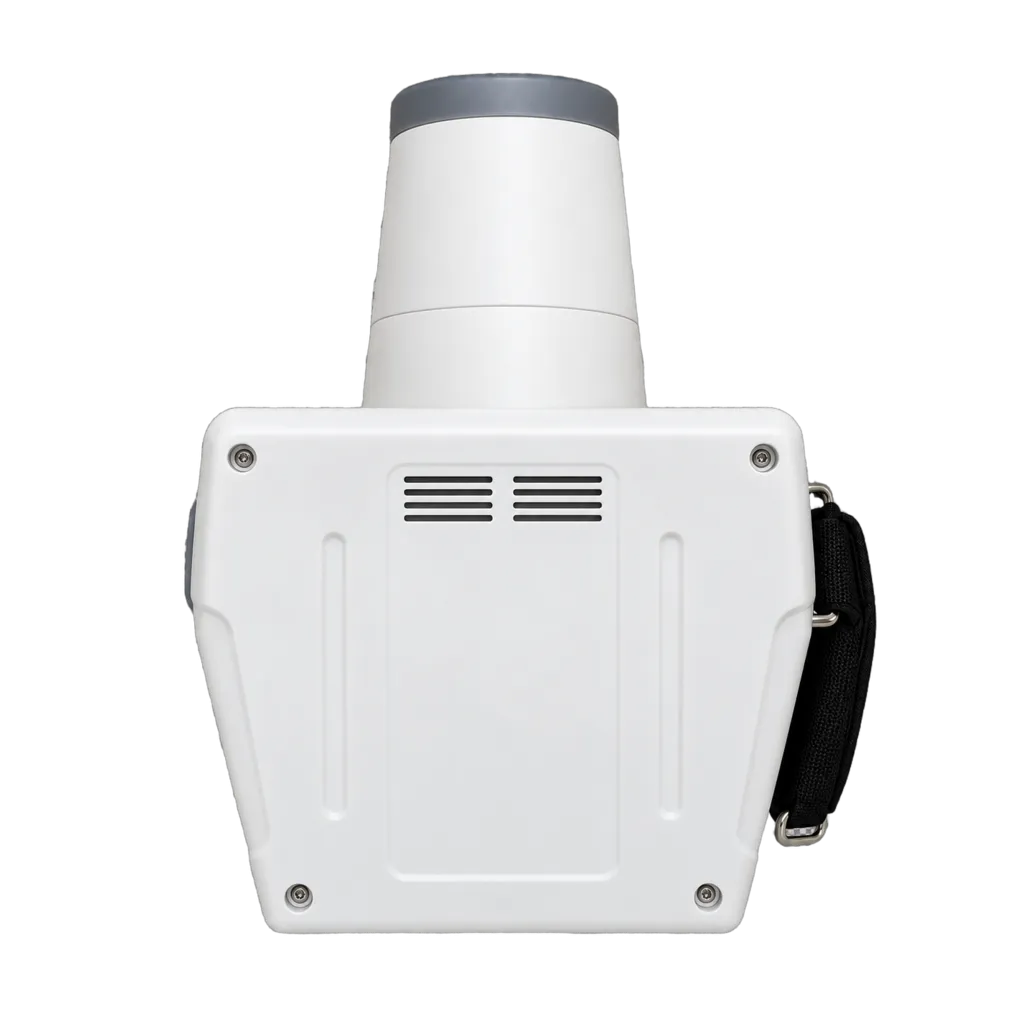
Intraoral radiography carries the diagnostic load in UK general dentistry, and the SJD-C19A is configured for that daily volume. It supports bitewing caries detection, periapical assessment of pathology, endodontic working-length and obturation verification, alveolar bone-level review, and root morphology assessment ahead of extraction.
Mixed receptor workflows are the clearest technical fit. Many UK practices run direct sensors in one surgery and film or phosphor plates in another, or are part-way through a change, and receptor-matched exposure ranges give each a defined starting frame. Where plates are in use, establish values with your Medical Physics Expert, since the published ranges cover sensors and film only.
Domiciliary and outreach services benefit from the published charge endurance. A stated figure for images per charge, however it is caveated, lets a community team plan a round against something concrete.
Paediatric and special care dentistry appear prominently in the manufacturer's own positioning, and the underlying case is sound: a carried unit reaches patients who cannot easily transfer, and shorter sensor exposures suit patients who find receptors hard to tolerate. The regulatory obligations do not soften for those groups. Every exposure still requires justification for that individual patient, paediatric exposure factors still need to be agreed with a Medical Physics Expert, and hand-held use still rests on the employer's risk assessment and the RPA's advice.
Community dental services and special care teams need equipment one clinician can carry, and at 1.8 kg the unit travels, with off-site radiation protection arrangements agreed with the RPA in advance.
Guidance from the College of General Dentistry and UKHSA Dental X-ray Protection Services remains the reference point that UK practices work to, alongside HSE enforcement of IRR17.